Soft Washing vs Pressure Washing: Which Is Right for Your Concrete?

February 2, 2026

If you’ve ever looked at your stained driveway or green-tinged patio and thought, “This needs a good cleaning,” you’re not alone. But before you rent a machine or call in the pros, there’s an important question to answer: should you soft-wash or pressure-wash your concrete?


Both methods get results, but they work in very different ways. Choosing the wrong one can leave you with a surface that still looks dirty – or worse, one that’s actually damaged. Here’s what Indianapolis homeowners need to know about soft washing vs pressure washing before making a decision.


What Is Pressure Washing?

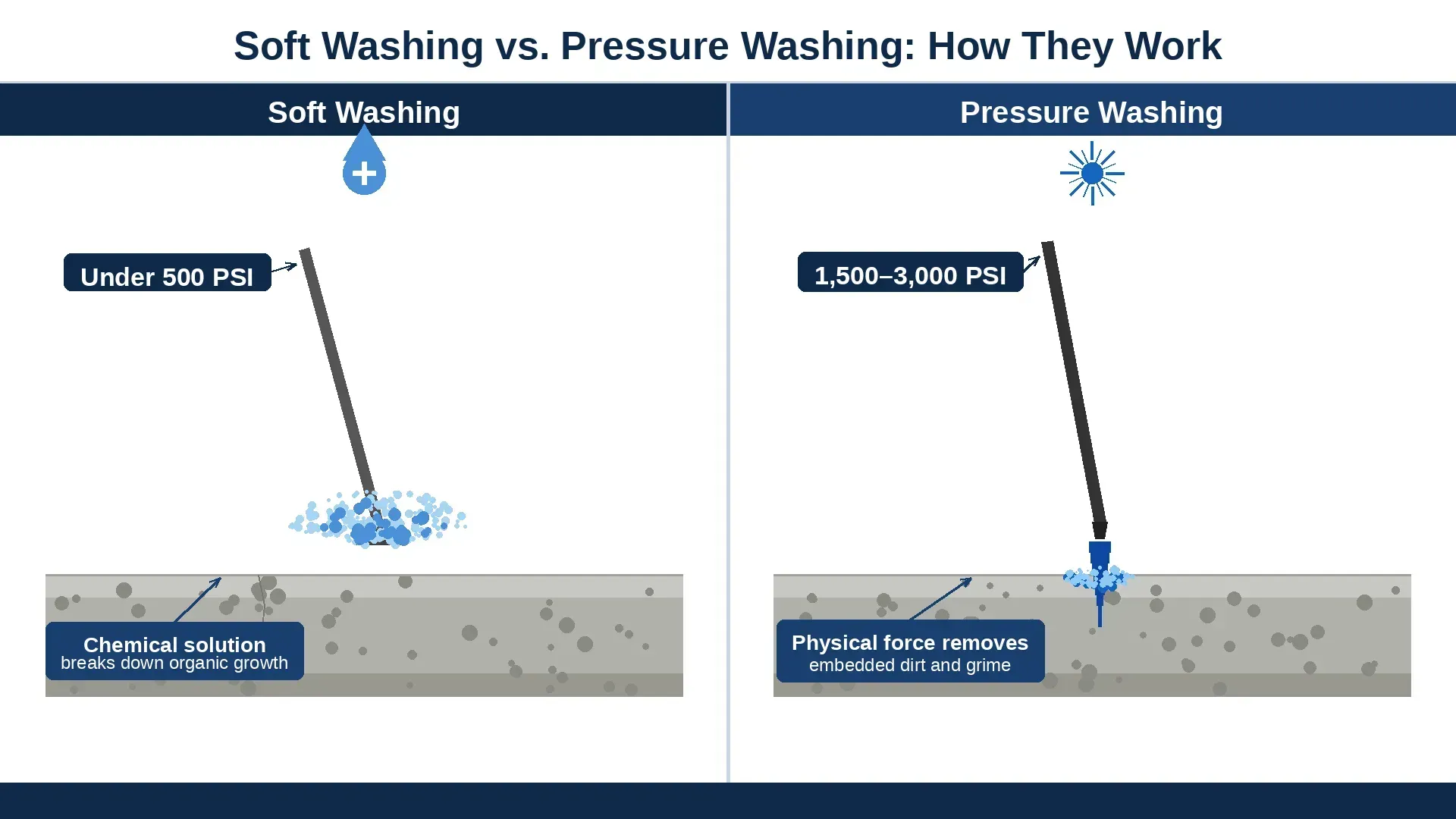
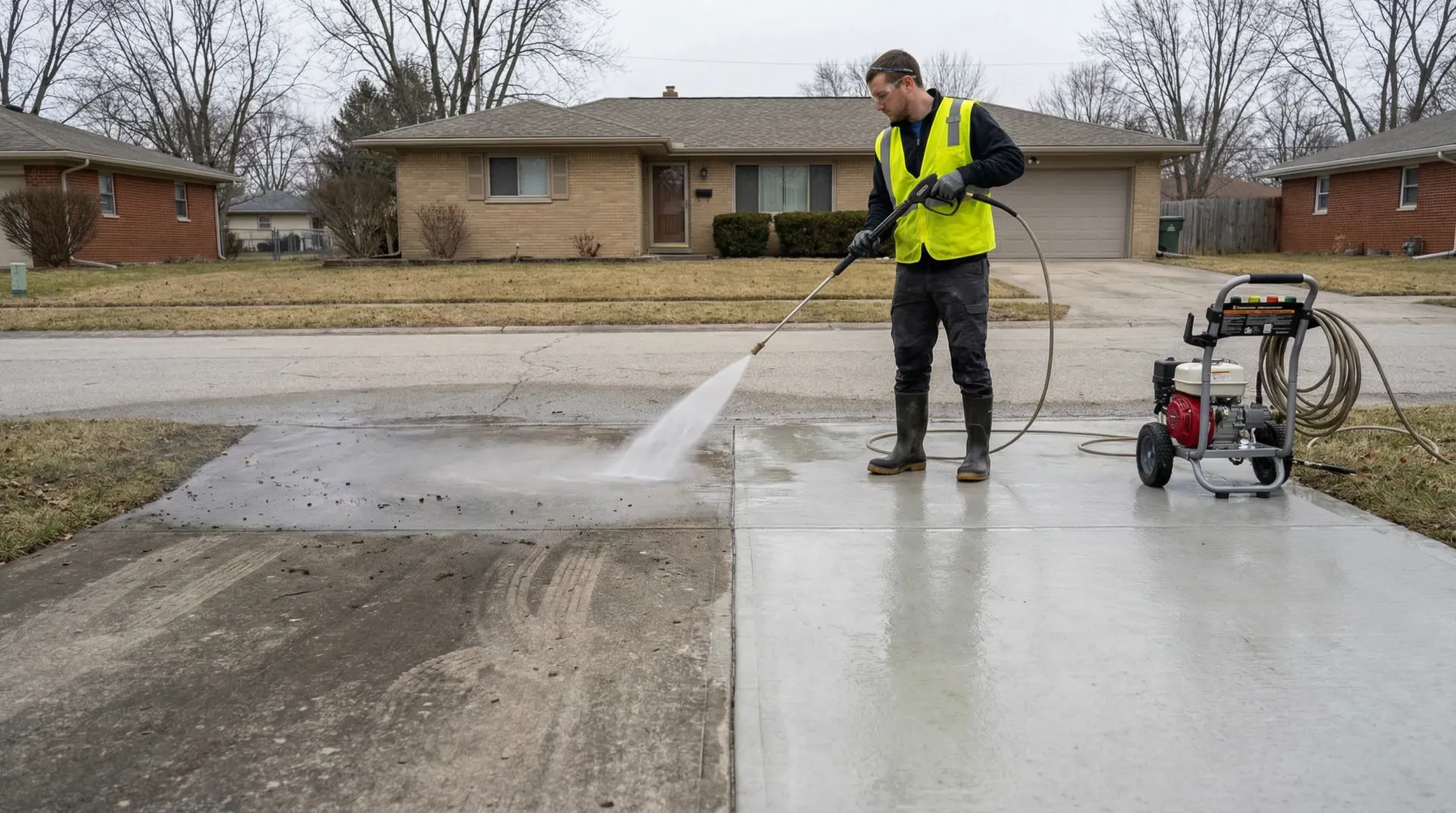
Pressure washing uses a high-powered stream of water – typically between 2,500 and 4,000 PSI to blast away dirt, grime, mold, and stains from hard surfaces. It’s the go-to method for cleaning concrete driveways, sidewalks, patios, and garage floors.


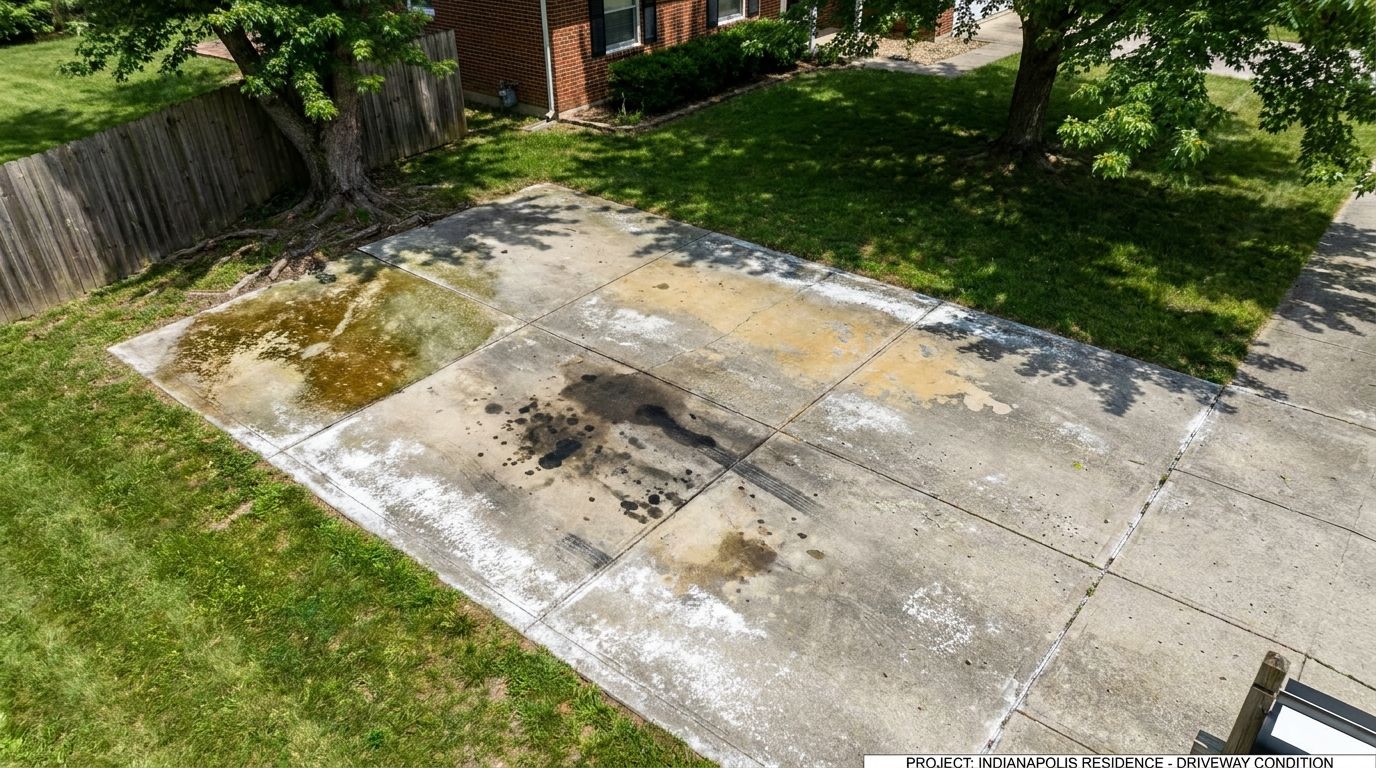
The force of the water does most of the work. For tough stains like oil spots, tire marks, or ground-in dirt, pressure washing is hard to beat. It quickly and effectively removes surface buildup, leaving concrete looking noticeably cleaner in a single pass.


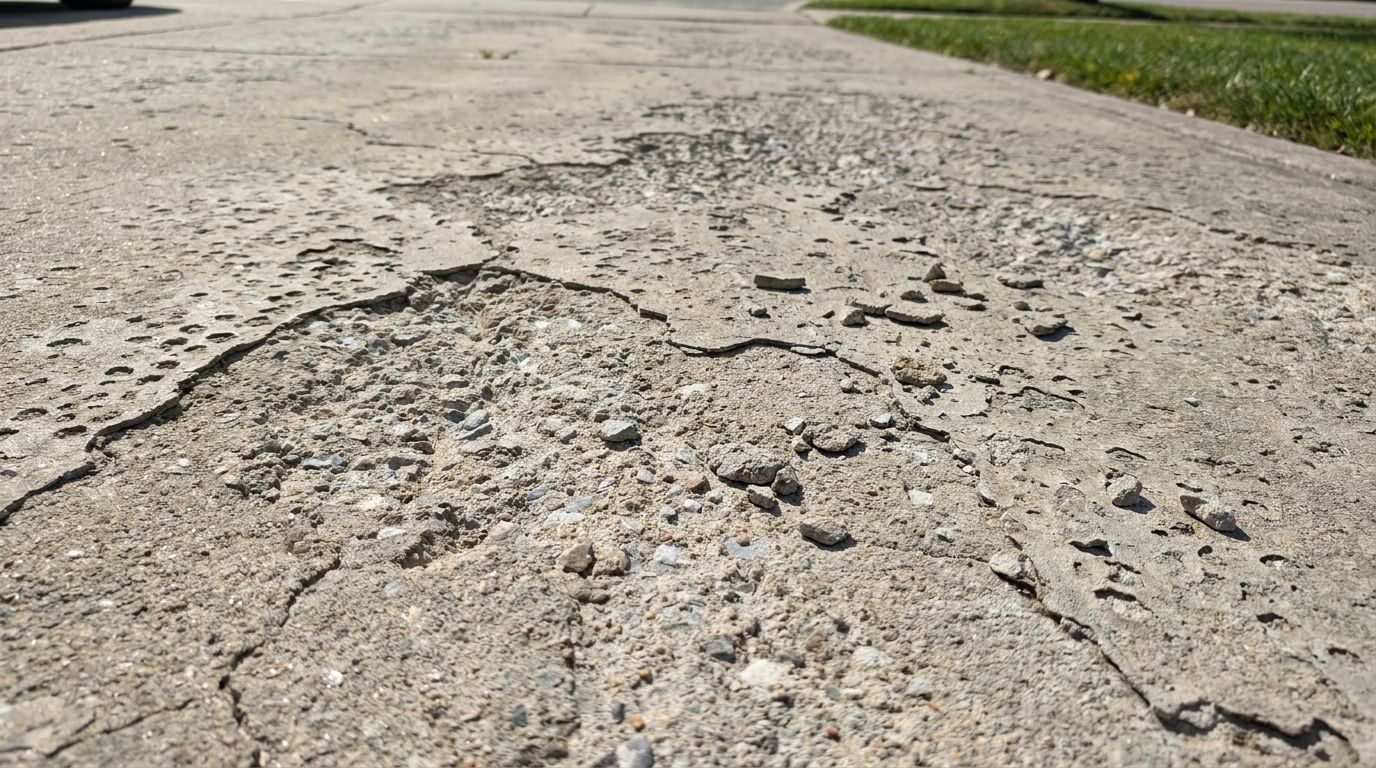
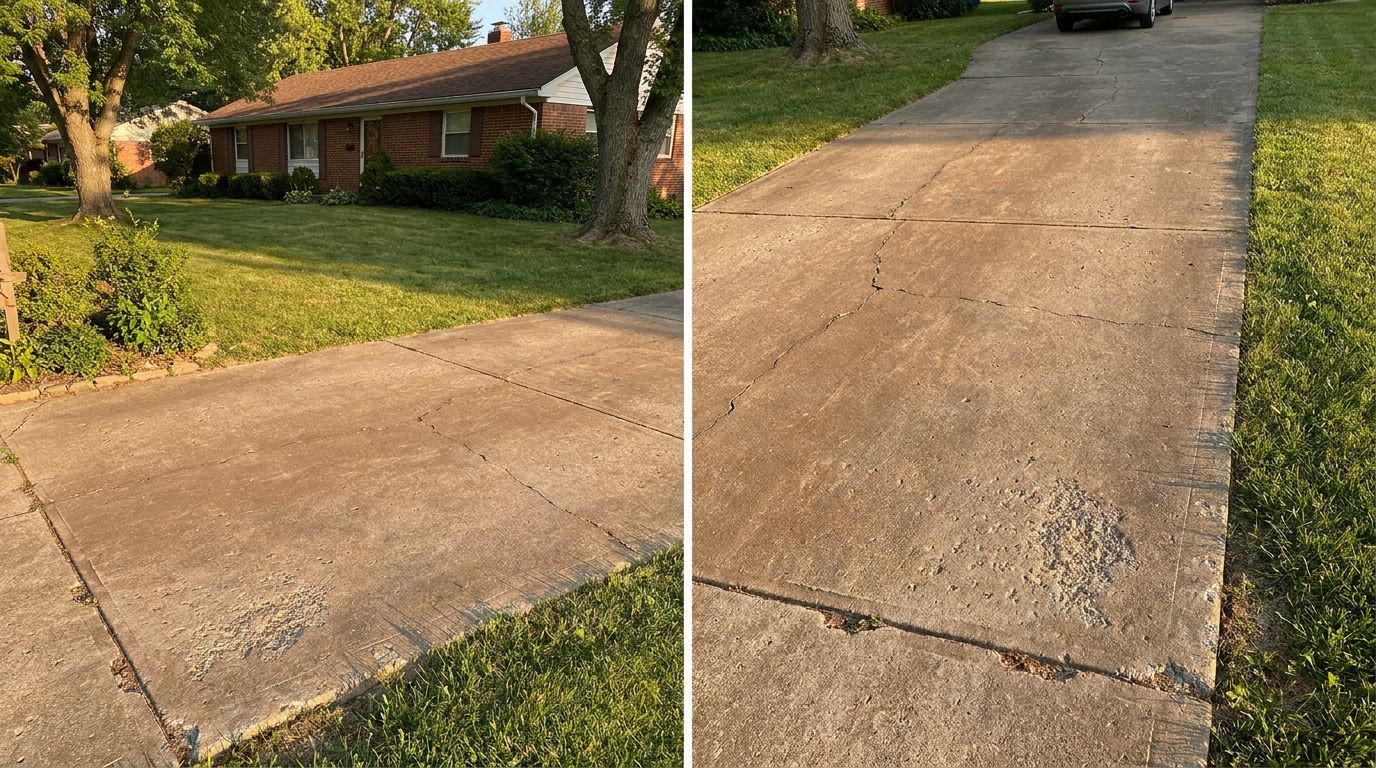
That said, pressure washing isn’t always gentle. On older or already-damaged concrete, too much pressure can etch the surface, widen existing cracks, or even chip away at the material. That’s why it matters who’s behind the wand. A professional crew like 317 Seal knows how to adjust the pressure based on your concrete’s age, condition, and the type of stain being removed.


If you’re curious about the full process and what to expect, our guide on driveway concrete pressure cleaning breaks it down step by step.


What Is Soft Washing?

Soft washing takes a completely different approach. Instead of relying on brute force, it uses low-pressure water – usually under 500 PSI – combined with specialized cleaning solutions to kill and remove organic growth like algae, mold, mildew, and lichen.


Think of it this way: pressure washing physically pushes contaminants off the surface, while soft washing chemically breaks them down at the root. The cleaning solutions do the heavy lifting, and the gentle rinse washes everything away without stressing the concrete.


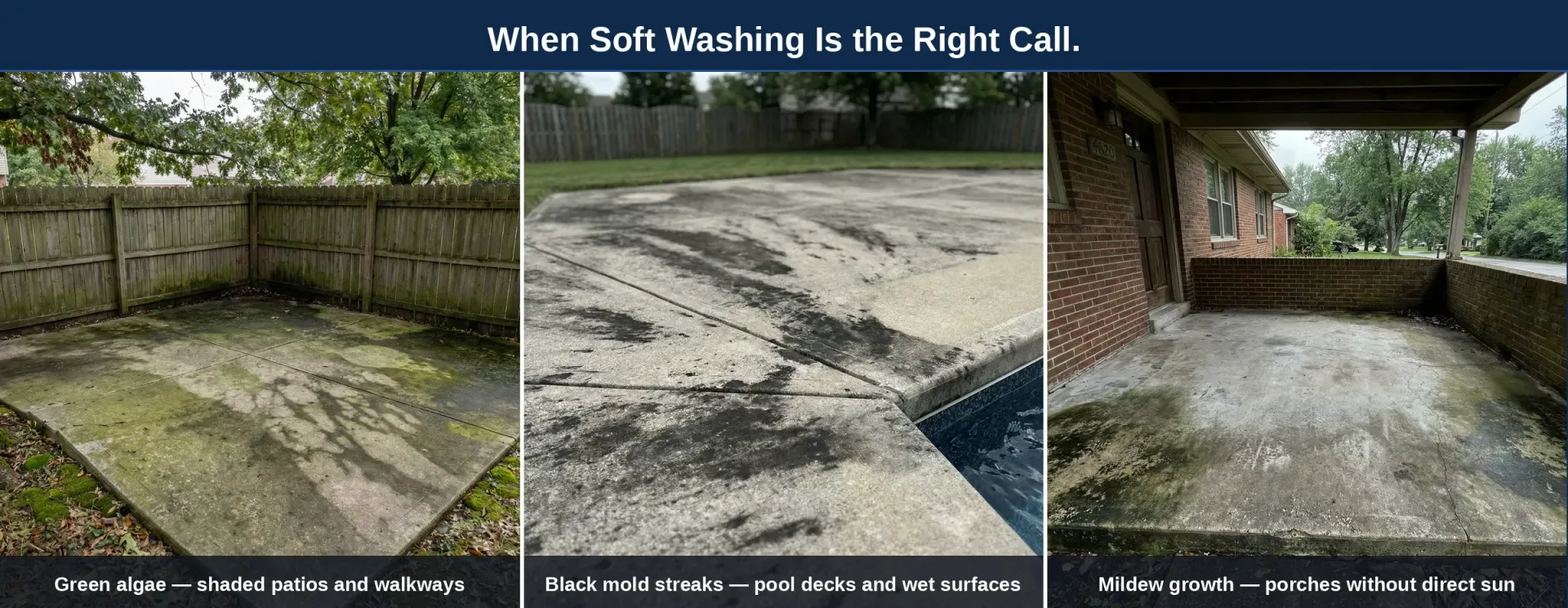
Soft washing is especially useful on surfaces that are more delicate or prone to damage. It’s also the better option when the main problem is biological growth rather than heavy staining. If your concrete has that familiar greenish or blackish film that keeps coming back every year, soft washing addresses the cause – not just the symptom.


So, Which One Should You Use?

The honest answer? It depends on what you’re dealing with.

Pressure Washing Soft Washing
PSI Range 1,500–3,000 PSI Under 500 PSI
Cleaning Method Physical force (water pressure) Chemical solution + low-pressure rinse
Best For Oil, tire marks, road grime, mineral deposits Mold, mildew, algae, and organic growth
Risk of Damaged Concrete Can etch or accelerate spalling Minimal surface risk

Choose pressure washing when:

  • Your concrete has heavy dirt, oil stains, or tire marks
  • The surface is in good structural condition with no major cracking
  • You’re preparing concrete for sealing or recoating
  • You want a deep clean before a professional seal application


Choose soft washing when:

  • Algae, mold, or mildew is the main issue
  • Your concrete is older and showing signs of wear, like hairline cracks
  • You’ve tried pressure washing before, but the stains keep returning
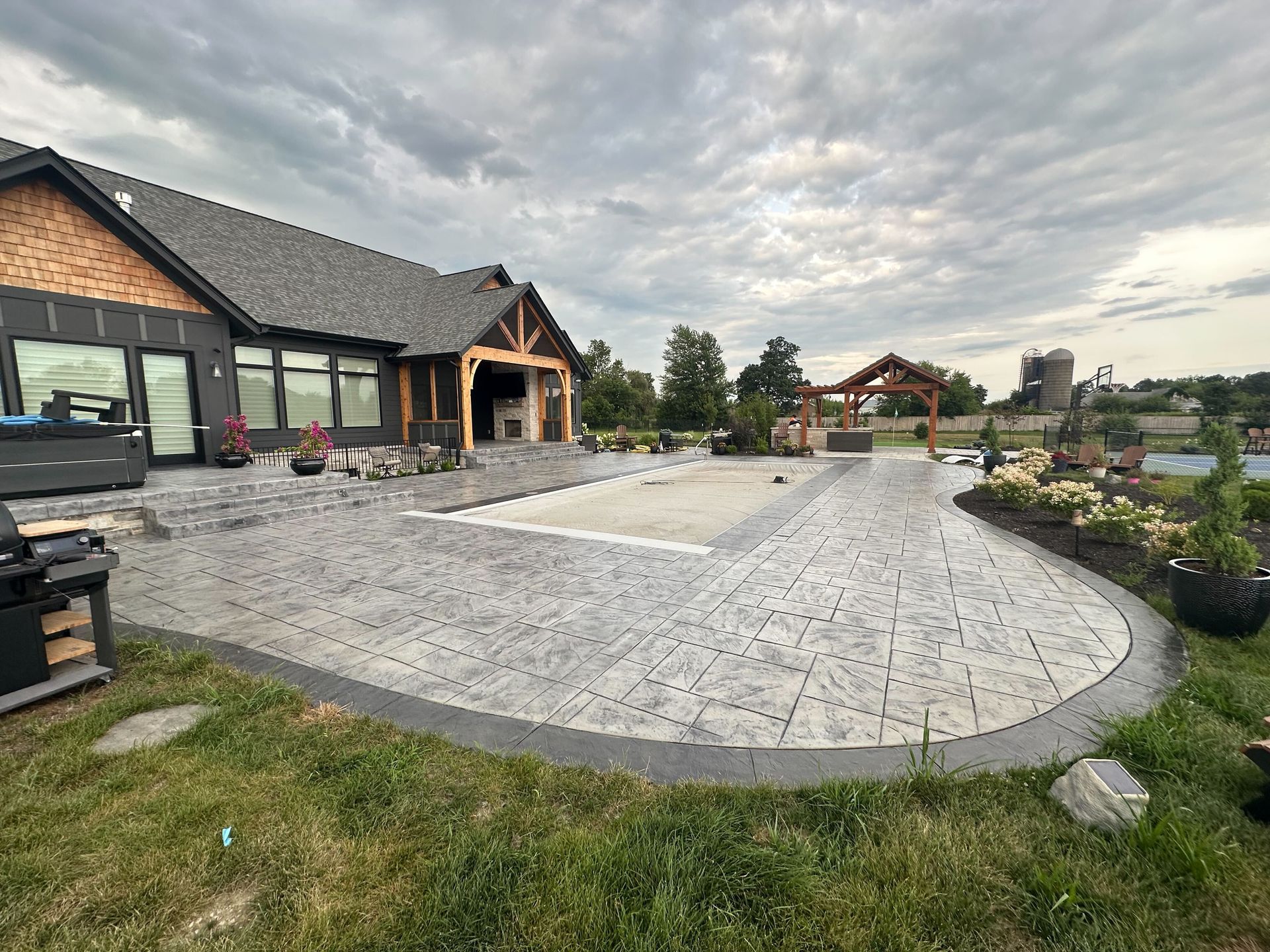
  • The surface includes decorative or stamped concrete that could be damaged by high pressure


In many cases, the best approach is actually a combination of both. A professional team can first soft wash to eliminate biological growth, then follow up with targeted pressure washing for stubborn stains. That’s the kind of tailored approach we take at 317 Seal – because no two driveways are exactly the same.


Why the Cleaning Method Matters for Sealing

Here’s something a lot of homeowners overlook: how you clean your concrete directly affects how well a sealer performs. If you skip the cleaning step or do it halfway, the sealer won’t bond properly, and you’ll end up with a finish that peels, flakes, or wears off in a matter of months.


Proper cleaning – whether through soft washing, pressure washing, or both – removes the contaminants that sit between the sealer and the concrete. Once the surface is clean and dry, the sealer can penetrate deep into the pores and form a lasting protective barrier. We’ve covered the ideal timing between washing and sealing in our post on how long to wait before sealing after pressure washing.


Don’t Guess: Ask a Pro

It’s tempting to grab a pressure washer from the hardware store and go to town. But the wrong pressure setting or cleaning solution can cause real damage, especially on concrete with cracks or surface wear.


At 317 Seal, we assess every surface before we start, its age, staining, condition, and end goal. That way, you get the right method for your situation, not a one-size-fits-all approach.


Final Thoughts

Both soft washing and pressure washing have their place in concrete care. Pressure washing handles the tough stuff: oil, dirt, and grime. Soft washing takes care of the living stuff – mold, algae, and mildew. And for most Indianapolis properties, using them together delivers the best results.


The key is knowing when to use which method – and that’s where working with an experienced team makes all the difference.


Ready to get your concrete cleaned the right way? 

Contact 317 Seal today for a free estimate. We’ll evaluate your surfaces and recommend the best cleaning and sealing plan for your property.

February 5, 2026
Learn more about hairline cracks in concrete, including what causes them, how to spot the warning signs, & when Indianapolis homeowners need repair vs. sealing.
January 8, 2026
How long should you wait before sealing concrete after pressure washing? We explain the ideal drying time for a long-lasting, protective finish in Indianapolis.
January 5, 2026
317 Seal shares how sealing your concrete driveway in Indianapolis protects it from damage, extends its life, reduces maintenance, and enhances curb appeal.
December 4, 2025
Discover what surface cleaning is, and how it boosts concrete longevity. 317 Seal Inc. explains the process for removing contaminants and protecting surfaces.
December 1, 2025
What is good for cleaning concrete? From degreasers to oxygen bleach, learn which products and methods remove different stains, and when to call 317 Seal Inc.
November 4, 2025
Learn how do you repair a concrete driveway with our complete step-by-step guide. Fix cracks, spalling, and surface damage effectively to extend your driveway's lifespan.
November 3, 2025
Discover the benefits and best practices for driveway concrete pressure cleaning. Keep your concrete safe, clean, and ready for sealing with expert tips.
Backyard with a dark blue, octagonal swimming pool surrounded by concrete and landscaping.
October 1, 2025
Without proper protection, concrete can deteriorate rapidly, leading to costly repairs or complete replacement. That's where professional concrete sealing comes in.