Concrete Scaling vs. Spalling: What's the Difference and How to Fix These?

Kris Fricks • April 12, 2026

The difference between concrete scaling vs. spalling is the depth of the damage: scaling peels thin layers from the surface, while spalling breaks away deeper chunks that expose the aggregate or rebar underneath. Both types of damage are common on Indianapolis driveways and sidewalks, and both become worse when left unsealed through Indiana's freeze-thaw season.

Most homeowners assume any concrete surface that's flaking or chipping has the same problem. That's not quite right. Scaling and spalling have different causes, different severity levels, and different repair methods. Treating one like the other wastes money and often makes the damage worse. Knowing which one you're looking at determines whether you need a surface repair or a structural fix.

In this blog post, the team at 317 Seal Inc. shows you how to identify each type, what causes scaling and spalling in Indiana's climate, and when to repair versus seal.

How To Tell Scaling and Spalling Apart

concrete scaling vs. spalling

The fastest way to identify the type of damage to your slab is to examine its depth and pattern.

Scaling's Superficial Signs

Scaling appears as thin, papery layers peeling off the concrete surface. The flakes are usually less than 1/8 inch thick, and the underlying concrete looks rough but structurally intact. Scaling tends to appear in broad patches across flat surfaces and is most common on driveways and sidewalks that are heavily exposed to road salt.

Spalling's Structural Symptoms

Spalling produces larger, deeper pieces of concrete that break away. You'll see chunks ranging from a quarter inch to several inches deep, sometimes exposing the aggregate (small rocks inside the concrete) or corroded rebar. Spalling often starts at edges, joints, or around existing hairline cracks that have allowed water in over multiple seasons.

The difference matters because scaling is a surface problem that can often be sealed and resurfaced, while advanced spalling may require partial concrete replacement.

What Causes Concrete Scaling in Indianapolis?

Cracked, peeling asphalt on a damaged road surface.

Scaling is primarily a chemical and freeze-thaw problem, and Indianapolis driveways are particularly vulnerable.

Road Salt and Deicing Chemicals

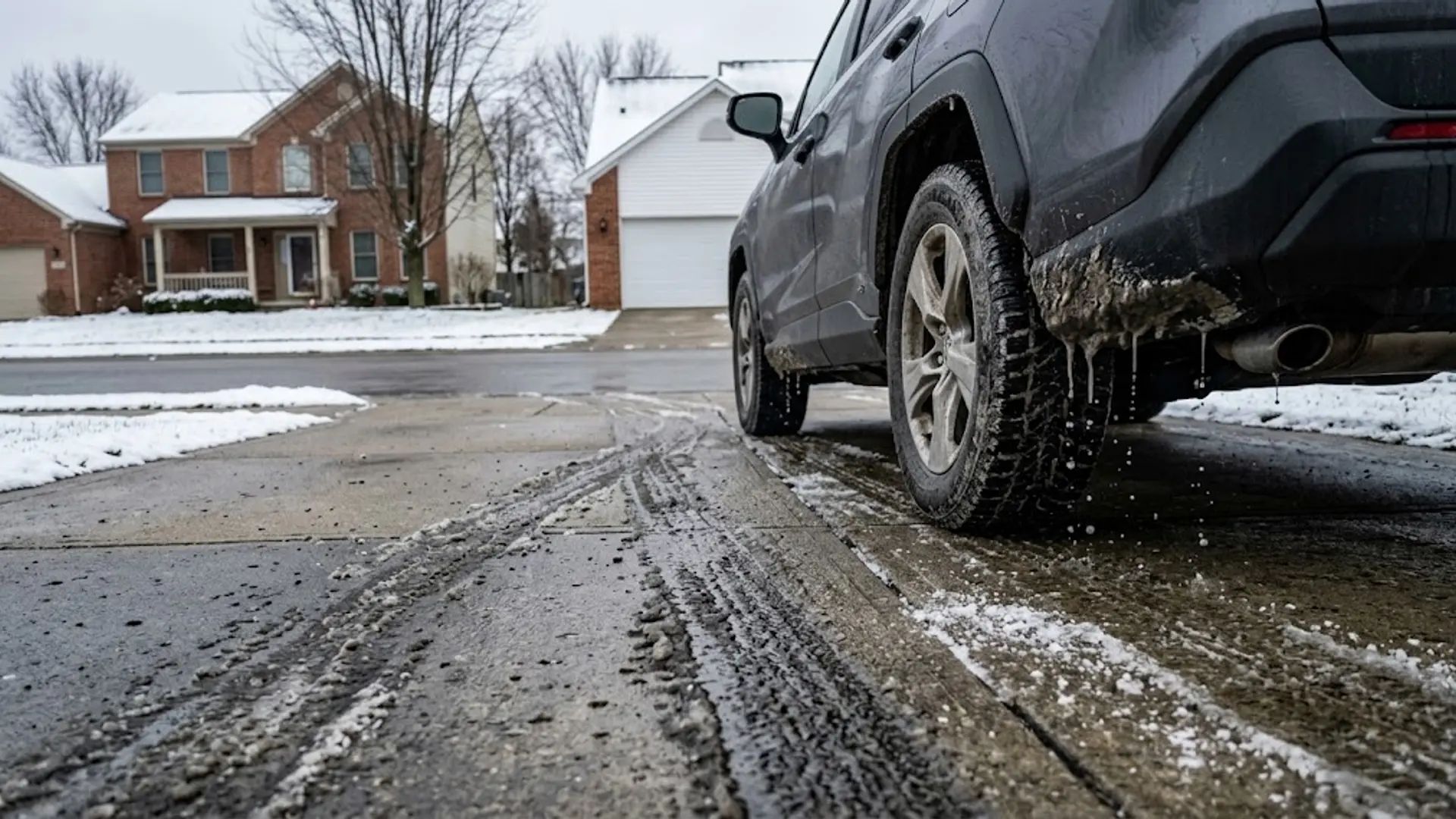
When salt dissolves on a concrete surface, it increases the number of freeze-thaw cycles the top layer experiences compared to the concrete just below it. This creates differential stress that pulls the surface layer apart. Indianapolis roads are heavily salted every winter, and tires track that salt directly onto residential driveways.

Poor Finishing

Poor finishing during the original installation also contributes. Concrete that was overworked or finished while bleed water was still on the surface develops a weak top layer that's prone to scaling within its first few winters. Once the surface layer starts peeling, each freeze-thaw cycle removes more material and exposes fresh concrete to the same chemical attack.

What Causes Concrete Spalling in Indianapolis?

Cracked concrete road with potholes, exposed gravel, and broken asphalt patches

Spalling occurs when moisture penetrates deeper into the concrete structure, causing damage from the inside out.

Moisture Entering the Slab

The most common cause in Central Indiana is water entering through cracks and joints, freezing, and expanding within the concrete matrix. Water expands approximately 9% when it freezes, and that pressure fractures the concrete from within. After several winters of repeated freeze-thaw cycling, the damaged sections break free as chunks rather than thin flakes.

Rebar Corrosion

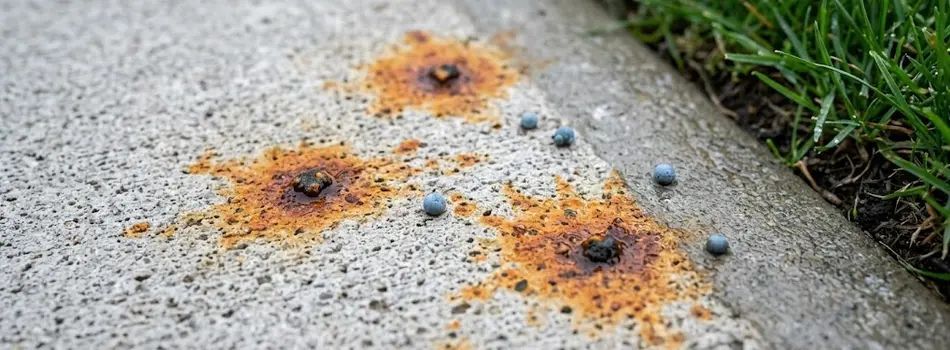
When moisture reaches the steel reinforcement inside concrete, the rebar rusts and expands, pushing outward against the surrounding concrete. This is why spalling frequently leads to concrete repair and restoration projects, especially when corroded rebar has weakened the slab from within. In Indianapolis, the combination of road salt and over 40 inches of annual rainfall accelerates both mechanisms.

Repair Options for Scaling vs. Spalling

The required repair method depends entirely on which type of damage you're dealing with and how far it's progressed.

Fixing Scaled Concrete

Light scaling (surface roughness without deep material loss) can often be addressed with thorough cleaning and a penetrating concrete sealer that prevents further moisture and salt intrusion. Moderate scaling may require a thin resurfacing overlay applied after the loose material is removed and the surface is cleaned. The key is stopping the cycle before scaling becomes deep enough to compromise the structural layer.

Fixing Spalled Concrete

Minor spalling (less than 1/2 inch deep with no rebar exposure) can be patched with a bonded concrete overlay or polymer-modified repair mortar. Spalling deeper than an inch or any spalling that exposes corroded rebar requires cutting out the damaged section, treating the rebar, and filling with structural repair material. Extensive spalling across large areas often means the slab needs a partial or full replacement.

Both types of damage benefit from professional concrete sealing after repairs are completed. Sealing closes the pores that allowed water in originally and is the most effective way to prevent recurrence in Indianapolis's climate. 317 Seal's team serves homeowners throughout the Indianapolis metro area, including Avon and surrounding Central Indiana communities.

Frequently Asked Questions

Can you seal over scaled or spalled concrete?

Lightly scaled concrete can be sealed after loose material is removed and the surface is cleaned. Spalled concrete must be repaired before sealing because sealer won't bridge gaps or reattach loose chunks. 317 Seal inspects every surface and will recommend repairs before sealing when the damage requires it.

Does road salt cause both scaling and spalling?

Road salt directly causes scaling by creating chemical stress on the concrete surface during freeze-thaw cycles. It contributes to spalling indirectly by accelerating moisture penetration and rebar corrosion deeper in the slab. Sealing before winter is the most effective defense against both types of salt-related damage.

How do I prevent scaling and spalling on a new driveway?

Apply a penetrating concrete sealer within the first year after the concrete has fully cured (at least 28 days). Reseal every two to three years. Avoid using deicing salts during the first winter, and use sand for traction instead. Proper drainage that keeps standing water off the surface also reduces long-term freeze-thaw damage.

Stop the Damage Before It Gets Worse

Scaling and spalling are both signs that water is getting into your concrete, but they require different responses. Surface scaling caught early can be sealed and protected. Deep spalling needs structural repair before any sealer can do its job. Either way, the longer you wait, the more expensive the fix becomes.

Contact 317 Seal for a free assessment of your driveway or sidewalk damage. We'll tell you exactly what you're dealing with and what it'll take to fix it. Call (833) 317-7325 or visit 317seal.com.

By Kris Fricks April 23, 2026
Concrete sealer lasts 1 to 10 years, depending on the type. See how acrylic, penetrating, and polyurethane sealers hold up in Indiana's climate.
Two workers power washing a concrete patio beside a townhouse backyard with chairs and a lawn
By Kris Fricks April 6, 2026
Concrete sealing in Indianapolis costs $1.50 to $4.50 per square foot. Get 2026 pricing by surface type, sealer grade, and project size.
Driveway Pressure Washing
By Kris Fricks April 1, 2026
Driveway pressure washing in Indianapolis costs $100 to $350 on average. See 2026 pricing by size, what affects the price, and when to hire a pro.
By Kris Fricks March 4, 2026
Make your Indianapolis driveway last longer with these 6 practical concrete maintenance tips from 317 Seal, serving Central Indiana since 2016.
By Kris Fricks March 2, 2026
Learn how to get oil stains out of a concrete driveway with real DIY steps. Plus, 317 Seal shares when professional stain removal is the smarter call.
By Kris Fricks February 5, 2026
Learn more about hairline cracks in concrete, including what causes them, how to spot the warning signs, & when Indianapolis homeowners need repair vs. sealing.
By Kris Fricks February 2, 2026
Soft washing vs pressure washing for concrete. Learn which method works best for your Indianapolis driveway or patio and why the wrong choice causes damage.
By Kris Fricks January 8, 2026
How long should you wait before sealing concrete after pressure washing? We explain the ideal drying time for a long-lasting, protective finish in Indianapolis.
By Kris Fricks January 5, 2026
317 Seal shares how sealing your concrete driveway in Indianapolis protects it from damage, extends its life, reduces maintenance, and enhances curb appeal.
By Kris Fricks December 4, 2025
Discover what surface cleaning is, and how it boosts concrete longevity. 317 Seal Inc. explains the process for removing contaminants and protecting surfaces.
Show More