How Long Does Concrete Sealer Last in Indiana's Climate? (By Type)

Kris Fricks • April 23, 2026

How long a concrete sealer lasts depends primarily on the type of sealer. Acrylic sealers last 1 to 3 years, penetrating silane-siloxane sealers last 5 to 10 years, and polyurethane sealers last 3 to 5 years under normal conditions. In Indiana's climate, those lifespans can be shortened by an estimated 20% to 40% due to aggressive freeze-thaw cycling, the heavy use of road salt, and wide temperature swings.

When a sealed driveway starts to look dull or begins absorbing water again, most homeowners assume the contractor used a poor product. That's rarely the actual problem. The real issue is usually a mismatch between the sealer type and the demands of Indiana's weather. A sealer rated for five years in a mild climate may only deliver three years in Indianapolis. Choosing the right sealer for your conditions matters more than choosing the most expensive one.

After nearly a decade of concrete sealing driveways, patios, and commercial surfaces across Central Indiana, the team at 317 Seal Inc. has seen firsthand how each sealer type performs against Indiana's weather and breaks down those differences below.

Sealer Lifespan by Type in Indiana's Climate

Each concrete sealer type has a different chemistry, a different protective mechanism, and a different expected lifespan in Central Indiana.

Acrylic Sealers: 1–3 Years

Acrylic sealers form a thin film on the concrete surface that provides UV protection and a subtle wet-look sheen. They're the most affordable option but also the least durable in harsh climates. In Indiana, freeze-thaw cycles and road salt break down acrylic films faster than in milder regions. Expect to reapply every 1 to 2 years on driveways and every 2 to 3 years on sheltered surfaces like covered patios.

Penetrating Sealers (Silane/Siloxane): 5–10 Years

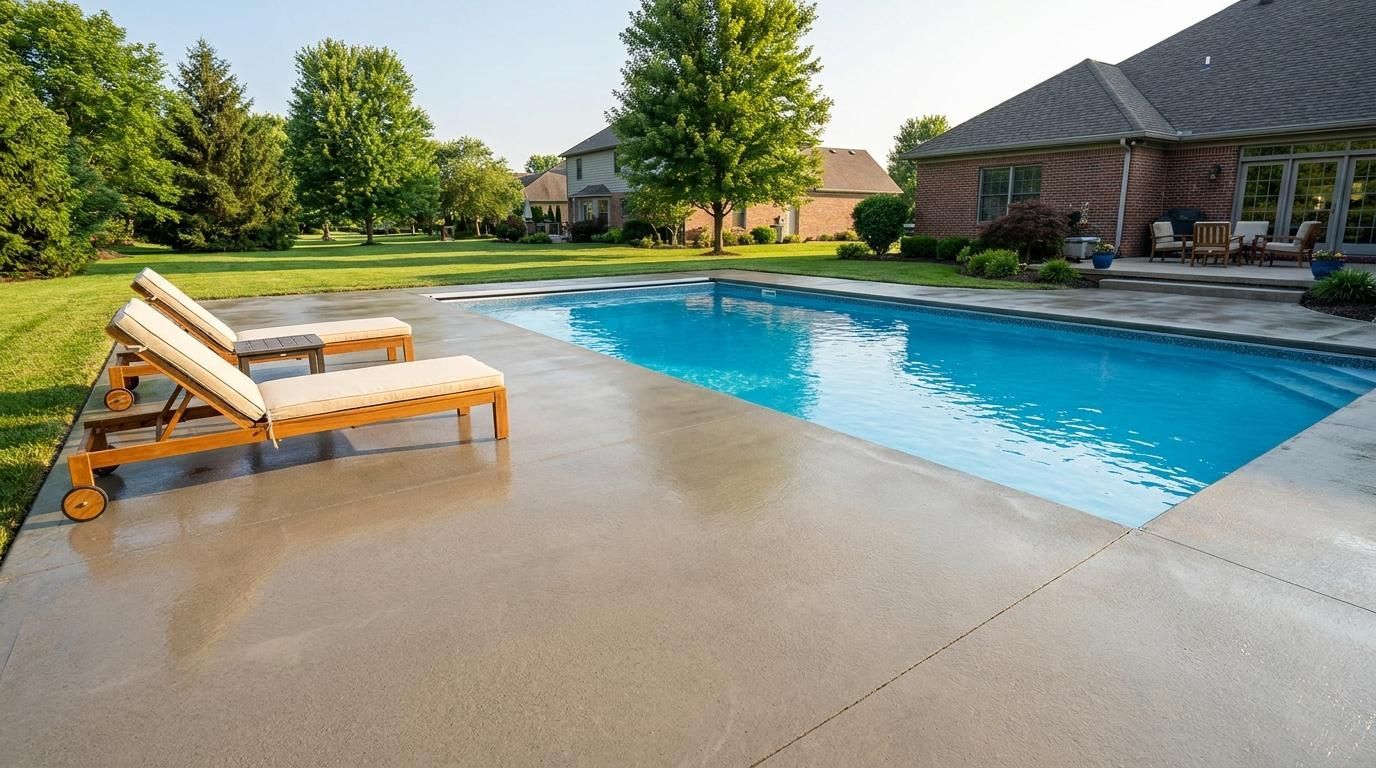
Penetrating sealers penetrate the concrete rather than sitting on its surface. They chemically react with the cement to form a hydrophobic barrier beneath the surface that repels water and salt without altering the concrete's appearance. This below-surface protection makes them far more resistant to physical wear and freeze-thaw damage. In Indianapolis, penetrating sealers typically provide 5 to 7 years of protection on driveways before needing reapplication.

Polyurethane Sealers: 3–5 Years

Polyurethane sealers create a thicker, harder film than acrylics and resist abrasion, chemicals, and UV better. They're commonly used on garage floors and commercial surfaces that see heavy foot or vehicle traffic. On exterior Indiana surfaces, polyurethane holds up for three to four years before the film begins to wear, particularly in high-traffic areas and along tire paths.

Why Indiana's Climate Is Hard on Concrete Sealers

Concrete Sealers

Understanding what sealing concrete does also means understanding what breaks sealers down. Indiana's climate attacks sealers from multiple directions simultaneously.

Freeze-Thaw Cycles

Indianapolis typically experiences 80 or more freeze-thaw cycles per winter. Each cycle expands and contracts the concrete surface, which flexes any film-forming sealer (acrylic or polyurethane) until it cracks and peels. Penetrating sealers avoid this problem because they don't form a surface film that can be mechanically stressed.

Road Salt

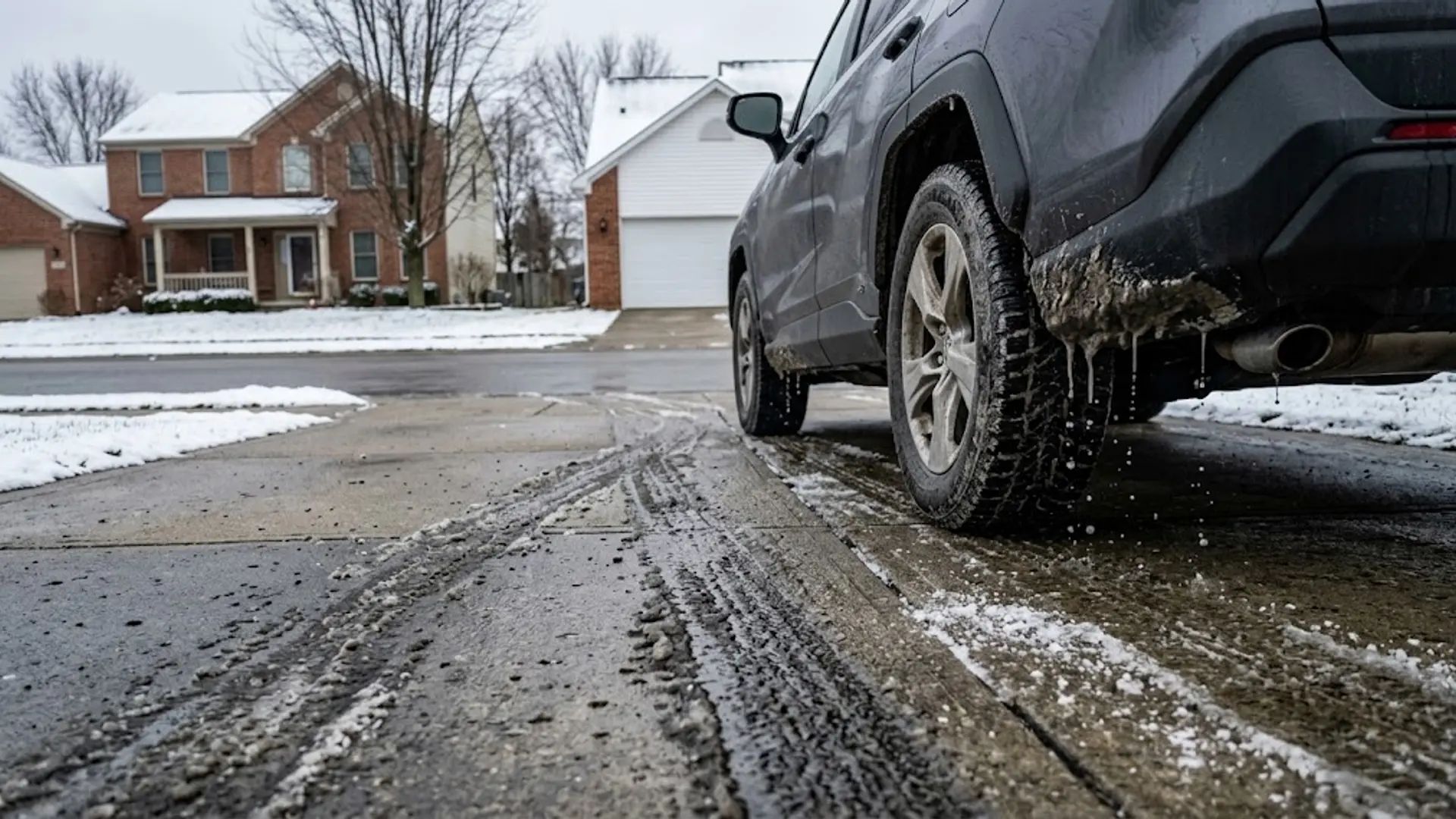
Sodium chloride and calcium chloride dissolve into brine that sits on sealed surfaces for hours or days. This brine attacks acrylic films and can degrade polyurethane coatings over multiple winters. Penetrating sealers resist salt damage because the protective barrier is within the concrete, not on the surface where salt comes into contact.

UV Exposure

UV exposure during Indiana summers also degrades film-forming sealers. South-facing driveways that get full sun lose their acrylic sealer noticeably faster than north-facing or shaded surfaces.

How To Tell When Your Sealer Needs Reapplication

Sealer Reapplication

Rather than relying on a calendar alone, test your concrete periodically to determine whether the sealer is still performing.

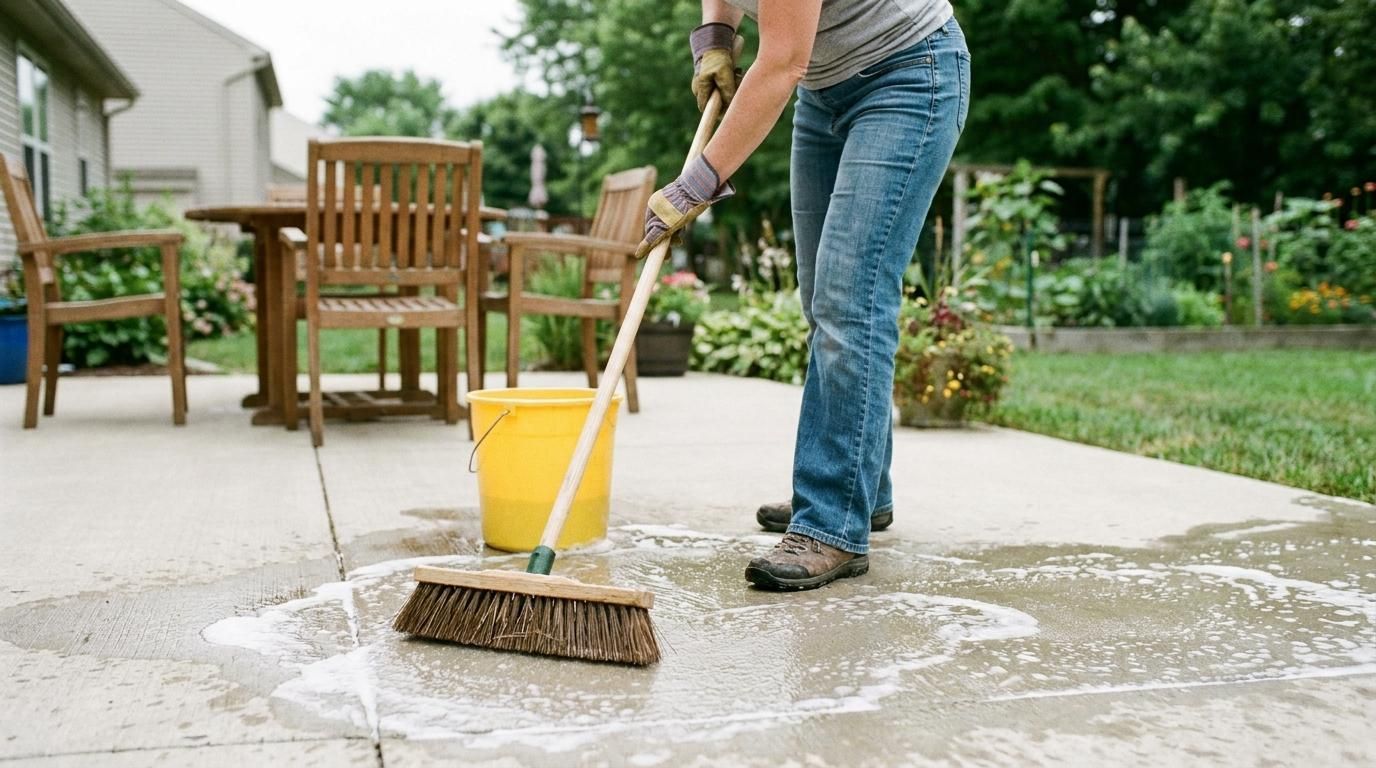
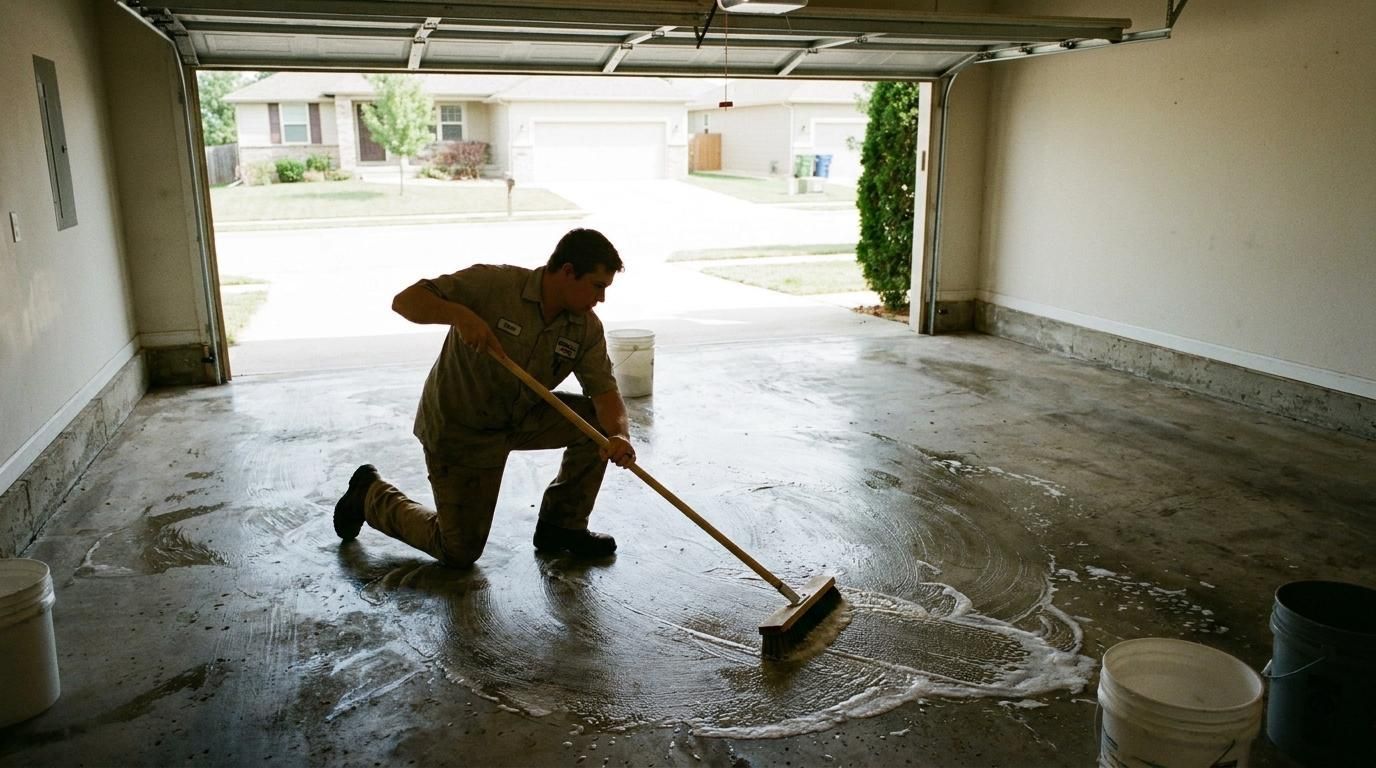
The water bead test is the simplest check. Sprinkle a small amount of water on the surface. If it beads up and sits on top, the sealer is still active. If it soaks into the concrete within 30 seconds, the sealer has worn through, and it's time to schedule resealing after pressure washing the surface.

Other signs include:

  • Visible color darkening when wet (indicating water absorption)
  • White haze or powdery residue on the surface (failed acrylic film)
  • Stains that no longer wipe away easily
  • Visible peeling, flaking, or areas where the sheen has disappeared on film-forming sealers

Any of these signals means the concrete is no longer protected and will begin to absorb moisture, salt, and contaminants with every rain or snowmelt.

Which Sealer Type Lasts Longest for Your Situation?

The right sealer depends on the surface, the exposure level, and how often you're willing to maintain it. 317 Seal's 5-step process includes a surface assessment that matches the sealer to your concrete's specific needs.

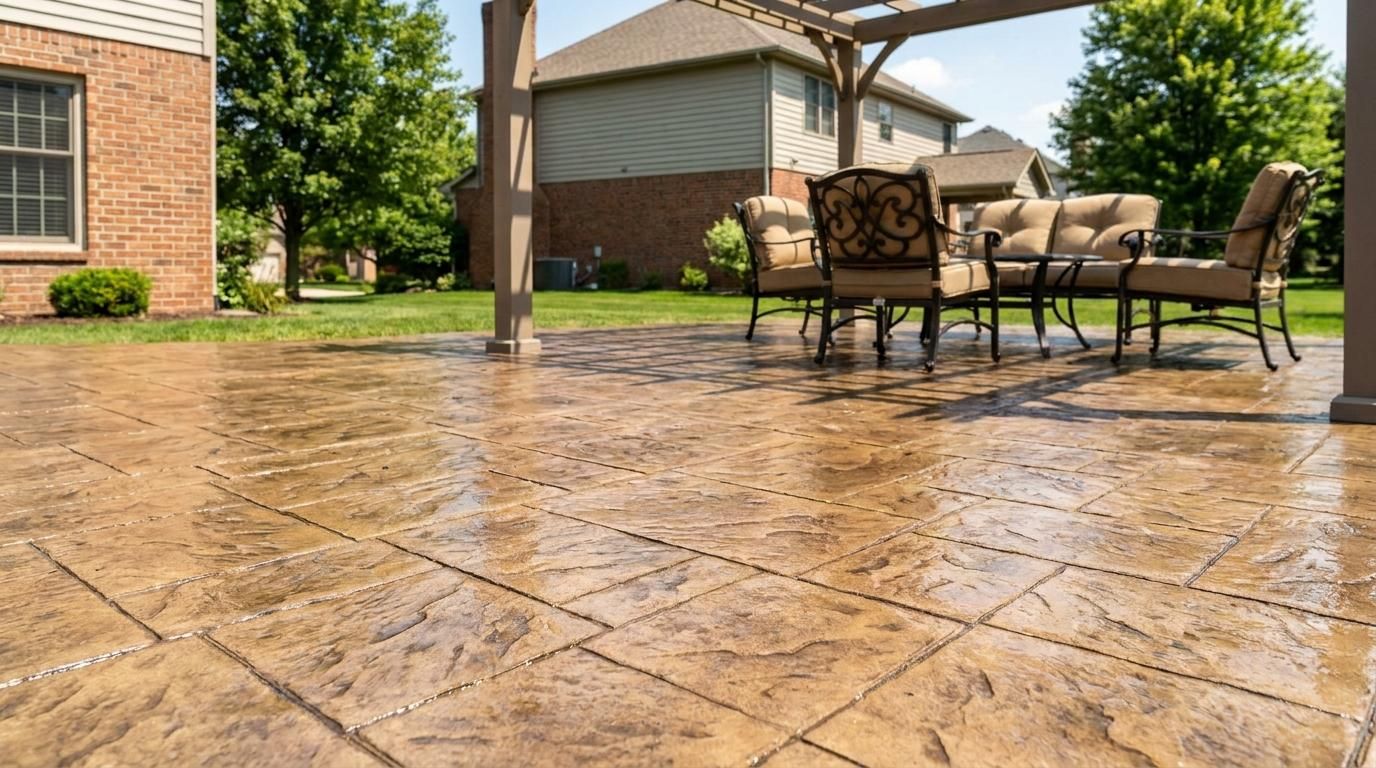
For Indianapolis driveways exposed to full weather and road salt, penetrating silane-siloxane sealers offer the best longevity. They don't change the concrete's appearance, they don't peel, and they handle freeze-thaw and salt without degrading. For decorative or stamped concrete where you want a wet-look finish, a high-quality acrylic applied on a regular two-year cycle is the better fit.

Polyurethane works best on interior or covered surfaces where freeze-thaw isn't a factor, but abrasion resistance matters. Garage floors and covered commercial walkways are its ideal application. Using polyurethane on an exposed Indianapolis driveway often leads to premature peeling because the film can't handle the thermal cycling.

Frequently Asked Questions

How often should you reseal concrete in Indianapolis?

Most Indianapolis driveways and patios should be resealed every two to three years with a penetrating sealer. Acrylic sealers on decorative concrete need reapplication every one to two years. 317 Seal recommends using the water bead test each spring to determine whether your specific surface needs resealing that season.

Does a penetrating sealer change the look of concrete?

Penetrating sealers absorb into the concrete and leave no visible film, sheen, or color change on the surface. The concrete looks exactly the same after application. This makes penetrating sealers the preferred choice for homeowners who want protection without altering their concrete's natural appearance.

Can you apply a new sealer over the old sealer?

Penetrating sealers can be reapplied directly over a previous penetrating sealer application after cleaning. Film-forming sealers (acrylic, polyurethane) typically require the old film to be removed through stripping or mechanical abrasion before reapplication, because new film won't bond properly to a degraded old layer.

Match the Right Sealer to Your Concrete's Needs

Sealer longevity is about matching the sealer chemistry to your surface type, your exposure conditions, and Indiana's specific climate demands. A penetrating sealer on a driveway outlasts an acrylic by years. An acrylic on decorative concrete delivers the look that a penetrating sealer can't. The right choice saves you money on reapplication and keeps your concrete protected through every Central Indiana winter.

Get your free quote from 317 Seal and find out which sealer is the best fit for your concrete. Call (833) 317-7325 or visit 317seal.com to schedule an assessment.

Rough gray concrete wall with peeling patches and weathered texture
By Kris Fricks April 12, 2026
Concrete scaling is surface peeling; spalling runs deeper. Learn how to tell them apart, what causes each in Indiana, and when to repair or seal.
Two workers power washing a concrete patio beside a townhouse backyard with chairs and a lawn
By Kris Fricks April 6, 2026
Concrete sealing in Indianapolis costs $1.50 to $4.50 per square foot. Get 2026 pricing by surface type, sealer grade, and project size.
Driveway Pressure Washing
By Kris Fricks April 1, 2026
Driveway pressure washing in Indianapolis costs $100 to $350 on average. See 2026 pricing by size, what affects the price, and when to hire a pro.
By Kris Fricks March 4, 2026
Make your Indianapolis driveway last longer with these 6 practical concrete maintenance tips from 317 Seal, serving Central Indiana since 2016.
By Kris Fricks March 2, 2026
Learn how to get oil stains out of a concrete driveway with real DIY steps. Plus, 317 Seal shares when professional stain removal is the smarter call.
By Kris Fricks February 5, 2026
Learn more about hairline cracks in concrete, including what causes them, how to spot the warning signs, & when Indianapolis homeowners need repair vs. sealing.
By Kris Fricks February 2, 2026
Soft washing vs pressure washing for concrete. Learn which method works best for your Indianapolis driveway or patio and why the wrong choice causes damage.
By Kris Fricks January 8, 2026
How long should you wait before sealing concrete after pressure washing? We explain the ideal drying time for a long-lasting, protective finish in Indianapolis.
By Kris Fricks January 5, 2026
317 Seal shares how sealing your concrete driveway in Indianapolis protects it from damage, extends its life, reduces maintenance, and enhances curb appeal.
By Kris Fricks December 4, 2025
Discover what surface cleaning is, and how it boosts concrete longevity. 317 Seal Inc. explains the process for removing contaminants and protecting surfaces.
Show More