When to Seal New Concrete: A Timing Guide for Indianapolis Homeowners

Kris Fricks • May 10, 2026

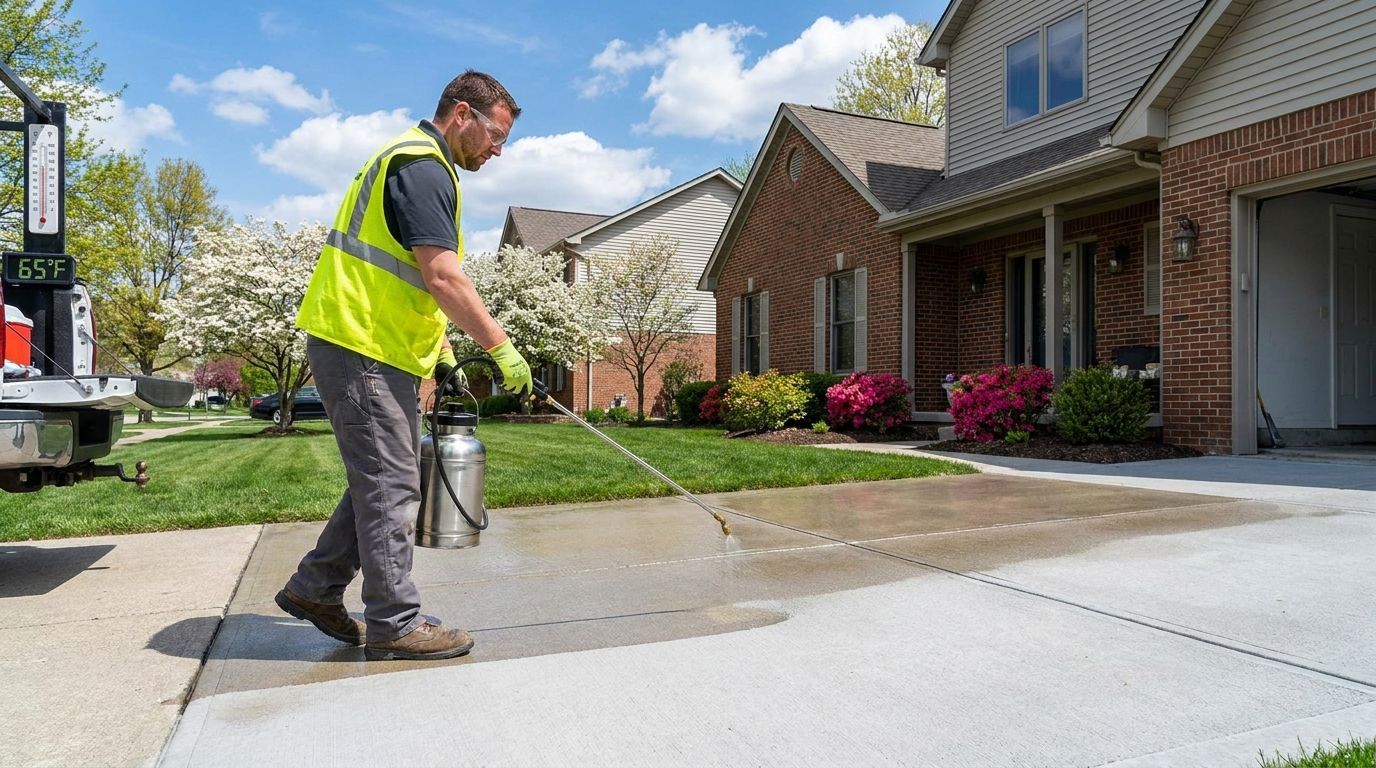
When to seal new concrete depends on two factors: cure time and weather. New concrete needs at least 28 days to cure before any sealer is applied. In Indianapolis, the best sealing windows fall in spring (April through May) and early fall (September through October) when temperatures stay between 50°F and 90°F. 317 Seal Inc. schedules every concrete sealing project around these conditions.

Central Indiana just came through another winter that cracked, scaled, and stained thousands of unprotected driveways. If your concrete was poured recently, the spring 2026 sealing window is open right now.

How Long to Wait Before Sealing New Concrete

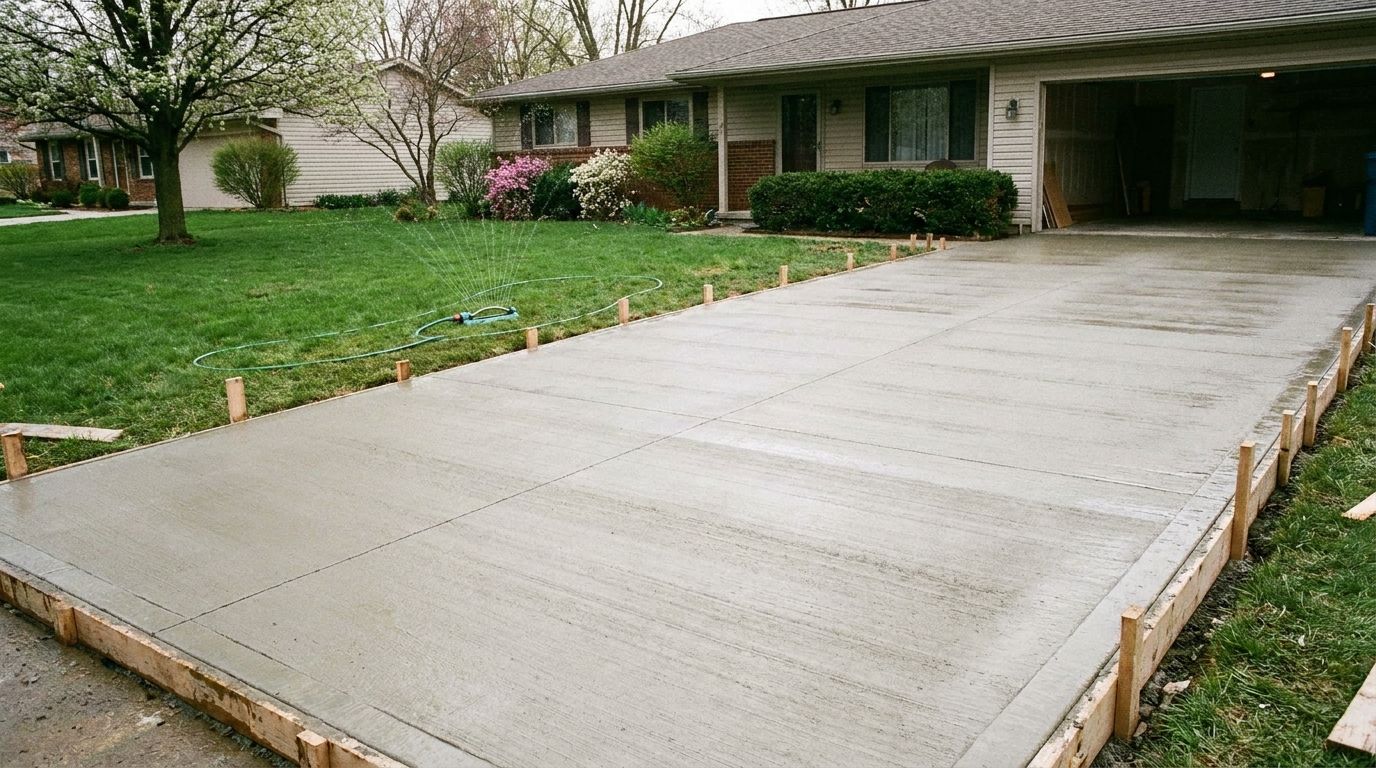
New concrete reaches roughly 80% of its final strength within 7 days, but the curing process continues for weeks. Sealing too early traps moisture inside the slab and creates problems that are harder to fix than waiting a few extra days.

The 28-Day Cure Rule

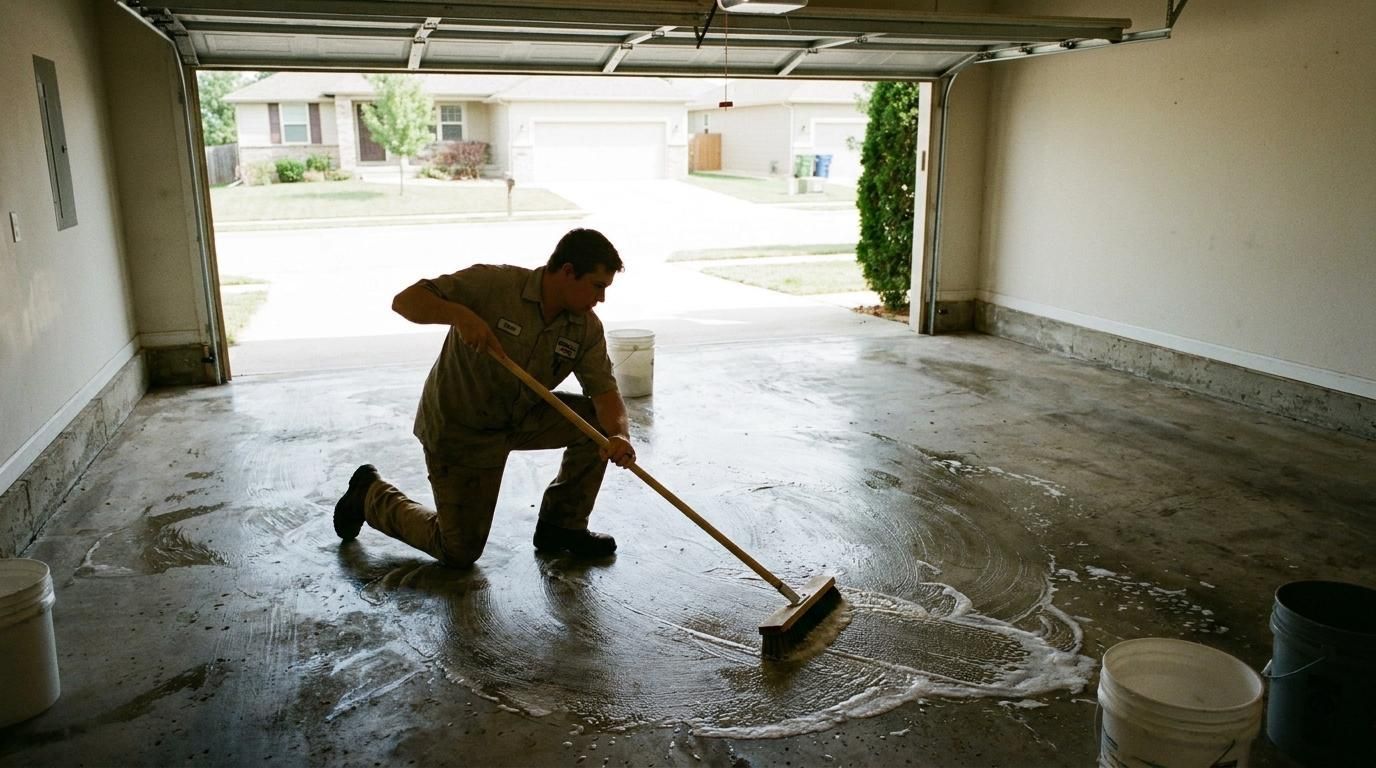
The industry standard, supported by American Concrete Institute guidelines, is a minimum 28-day cure before applying any sealer. During those 28 days, excess water in the concrete mix evaporates and the cement paste continues hardening. Applying sealer before that point locks moisture in, which can cause the sealer to turn white, peel, or fail within its first season. 317 Seal's 5-step process begins with a surface inspection that confirms the concrete is fully cured before any product goes on.

What Happens If You Seal Too Early

Moisture trapped under the sealer expands during freeze-thaw cycles and separates the coating from the concrete. In Indianapolis, where winter temperatures regularly drop well below freezing, a premature seal job can accelerate the damage it was meant to prevent. You'll see cloudy white patches, bubbling, and flaking within months of the first hard freeze.

Best Months to Seal Concrete in Indianapolis

Temperature and humidity determine whether a sealer cures correctly. Indianapolis weather narrows the reliable sealing window to two stretches each year. Professional sealing services in Indianapolis schedule around these windows to ensure proper adhesion and longevity.

Spring: April Through May

Daytime temperatures in the 50°F to 80°F range let the sealer penetrate and cure evenly. Spring humidity in Central Indiana stays manageable, and there's usually enough dry weather between rain events for the 24 to 48 hours of cure time a fresh seal needs before foot or vehicle traffic.

Fall: September Through October

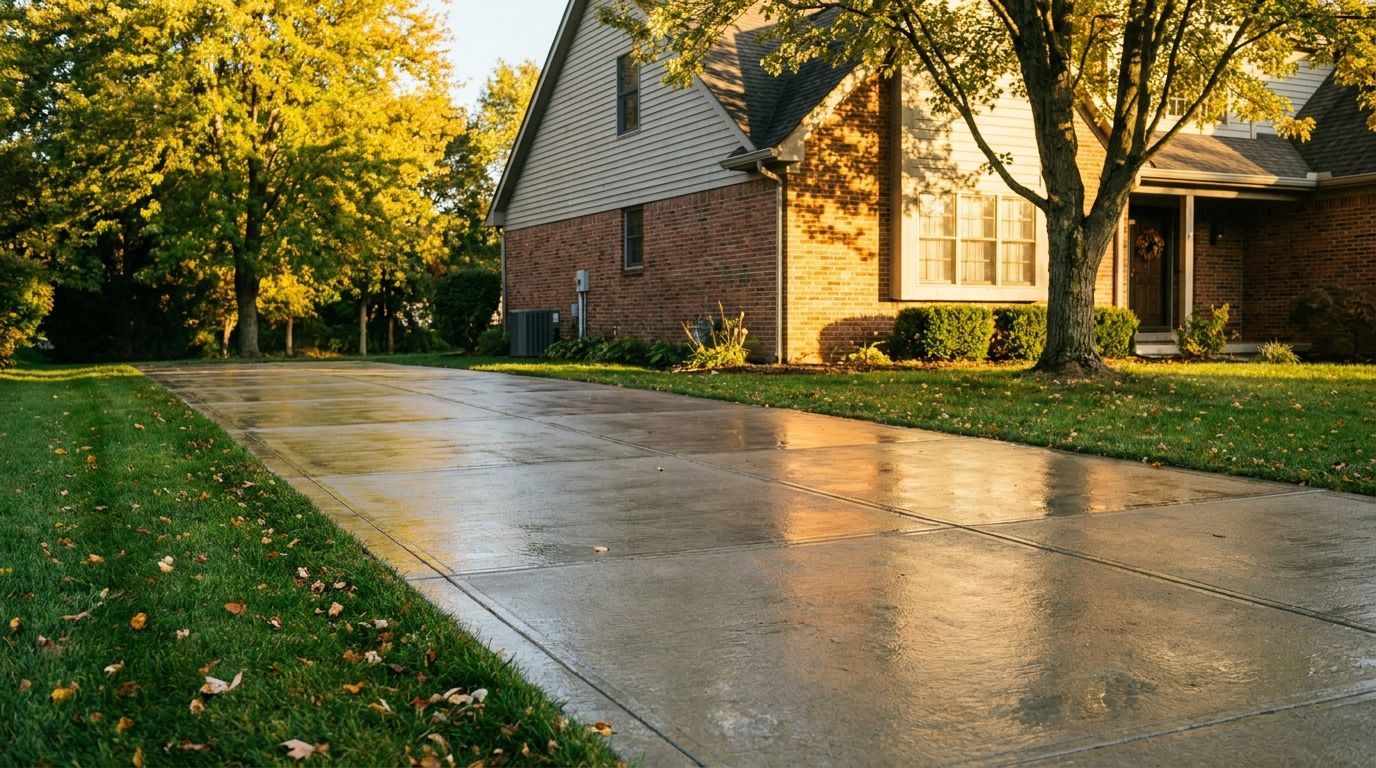
Early fall offers similar temperature conditions with lower humidity than summer. Sealing before the first freeze gives the coating time to cure fully and protects the concrete through the entire winter. Waiting until November in Indianapolis risks overnight temperatures that slow curing below the threshold for a reliable bond.

Why Summer Is Not Ideal

Midsummer heat above 90°F causes sealers to dry too fast, preventing proper penetration into the concrete pores. The result is a thin, brittle film that peels within a season. If summer is the only option, early morning application while the concrete surface is still cool improves the outcome.

Frequently Asked Questions

How long after pouring concrete can you seal it?

Wait at least 28 days after the pour date. This gives the concrete enough time to release internal moisture and reach sufficient strength for the sealer to bond correctly. 317 Seal Inc. checks surface moisture levels before applying any product to confirm the slab is fully ready for sealing.

Can you seal concrete in cold weather?

Sealers need daytime temperatures above 50°F to cure properly. Concrete sealing in colder conditions slows the chemical reaction and leaves a weak, cloudy finish that often fails within months. In Indianapolis, that typically rules out December through February for reliable outdoor sealing work.

What happens if you never seal new concrete?

Unsealed concrete absorbs water from day one. In Indianapolis, that water freezes, expands, and opens cracks during the first winter. Road salt then accelerates surface scaling and pitting. Most unsealed driveways in Central Indiana show visible freeze-thaw damage within three to five years of pouring.

Schedule Concrete Sealing Before the Window Closes

Timing the first seal correctly protects your investment from the start. Wait the full 28 days for curing, then target the spring or fall window when Indianapolis temperatures cooperate. Sealing too early traps moisture, and sealing too late leaves the slab exposed to a full winter unprotected.

Reach out to the 317 Seal team by calling (833) 317-7325 or request a free estimate online. We'll inspect the slab, confirm if it's ready for sealing, and book the work for the next available spring or fall window.

By Kris Fricks May 29, 2026
A well-maintained concrete driveway lasts 25 to 30 years in Indianapolis. Learn what shortens its lifespan and how sealing extends it.
By Kris Fricks May 25, 2026
Use these four simple tests to check whether your concrete is sealed before reapplying sealer or scheduling professional concrete care.
By Kris Fricks May 21, 2026
Indianapolis driveways need resealing every 2 to 3 years due to freeze-thaw cycles and road salt. Learn how to tell when yours is due.
By Kris Fricks May 18, 2026
Learn what causes concrete flaking on Indianapolis driveways and when to repair, resurface, or seal to stop the damage from spreading.
By Kris Fricks May 15, 2026
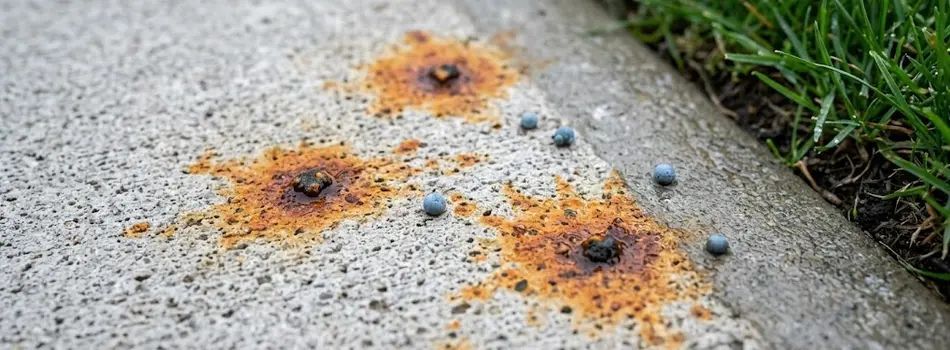
Learn step-by-step methods for removing rust stains from concrete, from DIY solutions like vinegar & oxalic acid to professional stain removal in Indianapolis.
By Kris Fricks May 6, 2026
Discover what causes concrete discoloration in Indianapolis and how to fix fading, staining, and uneven color on your driveway or patio.
By Kris Fricks May 2, 2026
Compare sealed vs. unsealed concrete in terms of durability, maintenance, and cost. See how sealing protects Indianapolis driveways from freeze-thaw and salt.
By Kris Fricks April 23, 2026
Concrete sealer lasts 1 to 10 years, depending on the type. See how acrylic, penetrating, and polyurethane sealers hold up in Indiana's climate.
Rough gray concrete wall with peeling patches and weathered texture
By Kris Fricks April 12, 2026
Concrete scaling is surface peeling; spalling runs deeper. Learn how to tell them apart, what causes each in Indiana, and when to repair or seal.
Two workers power washing a concrete patio beside a townhouse backyard with chairs and a lawn
By Kris Fricks April 6, 2026
Concrete sealing in Indianapolis costs $1.50 to $4.50 per square foot. Get 2026 pricing by surface type, sealer grade, and project size.
Show More