How Often Should You Seal a Concrete Driveway in Indianapolis?
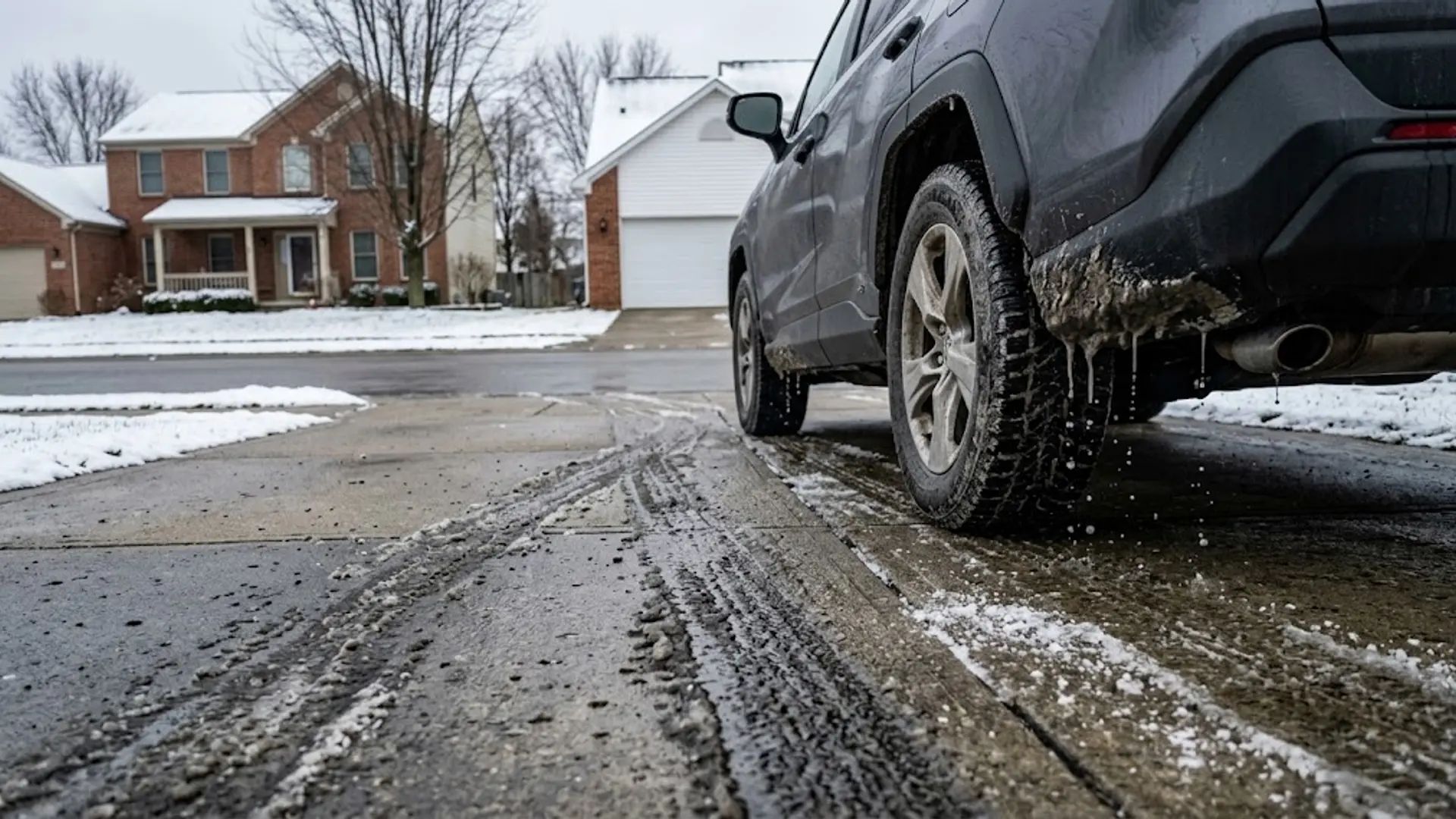
Concrete driveways in Indianapolis need to be resealed every two to three years. National guidelines suggest every two to five years, but Central Indiana's freeze-thaw cycles, heavy road salt use, and 40-plus inches of annual rainfall wear sealers down faster than in milder climates. 317 Seal Inc. recommends this cycle based on nearly a decade of resealing driveways across Central Indiana.
Marion County and the surrounding suburbs sit on clay-heavy soil that holds moisture against foundation slabs and driveway edges for weeks after heavy rain. That persistent ground moisture, combined with Indiana DOT salt applications from November through March, puts more stress on concrete sealers here than the national averages account for.
This guide explains the right resealing schedule for Indianapolis driveways, the signs that tell you it's time, and the conditions that make some driveways wear sealer down faster than others.
The 2- to 3-Year Rule for Indianapolis Driveways
The two-to-three-year resealing cycle accounts for the rate at which Indianapolis weather breaks down even commercial-grade sealers. Understanding what sealing does to concrete explains why that protection has a finite lifespan that needs reapplication.
Why Indianapolis Wears Sealers Down Faster
A penetrating sealer fills concrete pores and blocks water from entering. Each freeze-thaw cycle, each salt application, and each season of UV exposure degrades that barrier incrementally. In a state like Florida, where freeze-thaw cycles don't exist, the same sealer might last four or five years. In Central Indiana, two to three years is where the protection typically drops below the threshold that keeps water out effectively.
The Water Bead Test
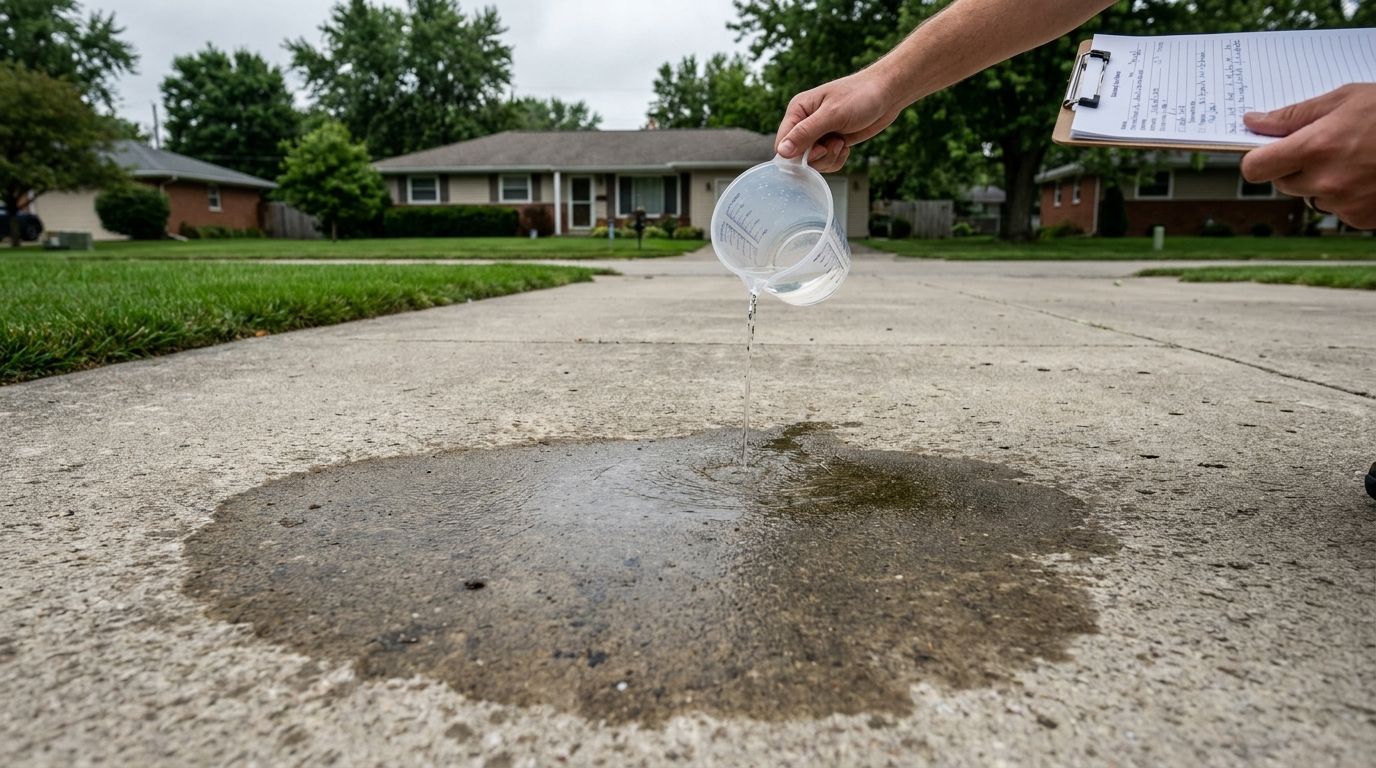
Sprinkle water on the driveway surface. If it beads up and sits on top, the sealer is still working. If it soaks in and darkens the concrete within 30 seconds, the sealer has worn through and it's time to reseal. Run this test every spring after the last freeze to catch the window before summer rains drive moisture into unprotected pores.
Signs Your Driveway Needs Resealing
The two-to-three-year guideline is a starting point, but your driveway's actual condition tells you more than the calendar does. Several visible indicators signal that the sealer has worn down enough to leave the concrete exposed.
Visual and Physical Warning Signs
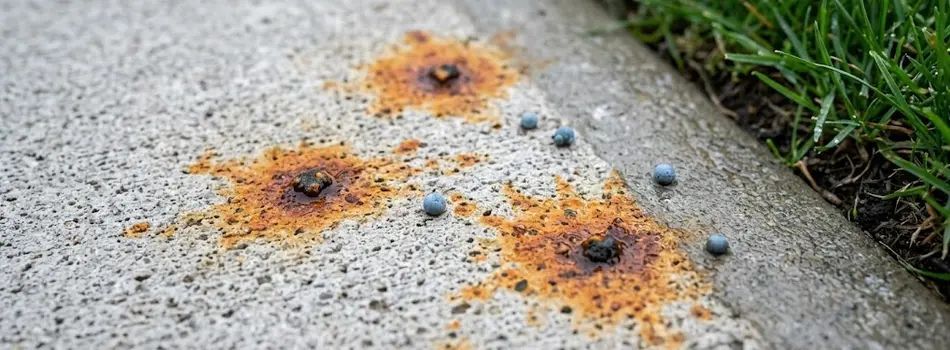
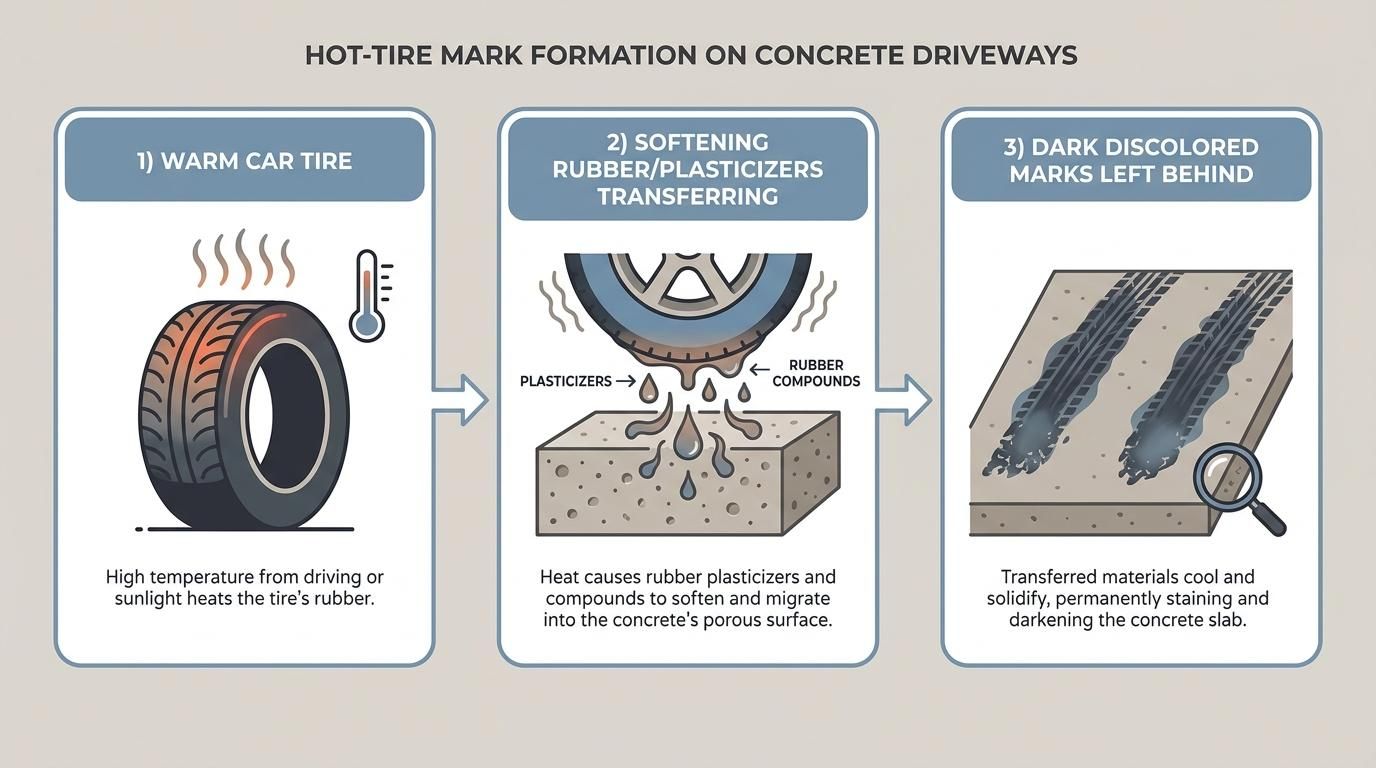
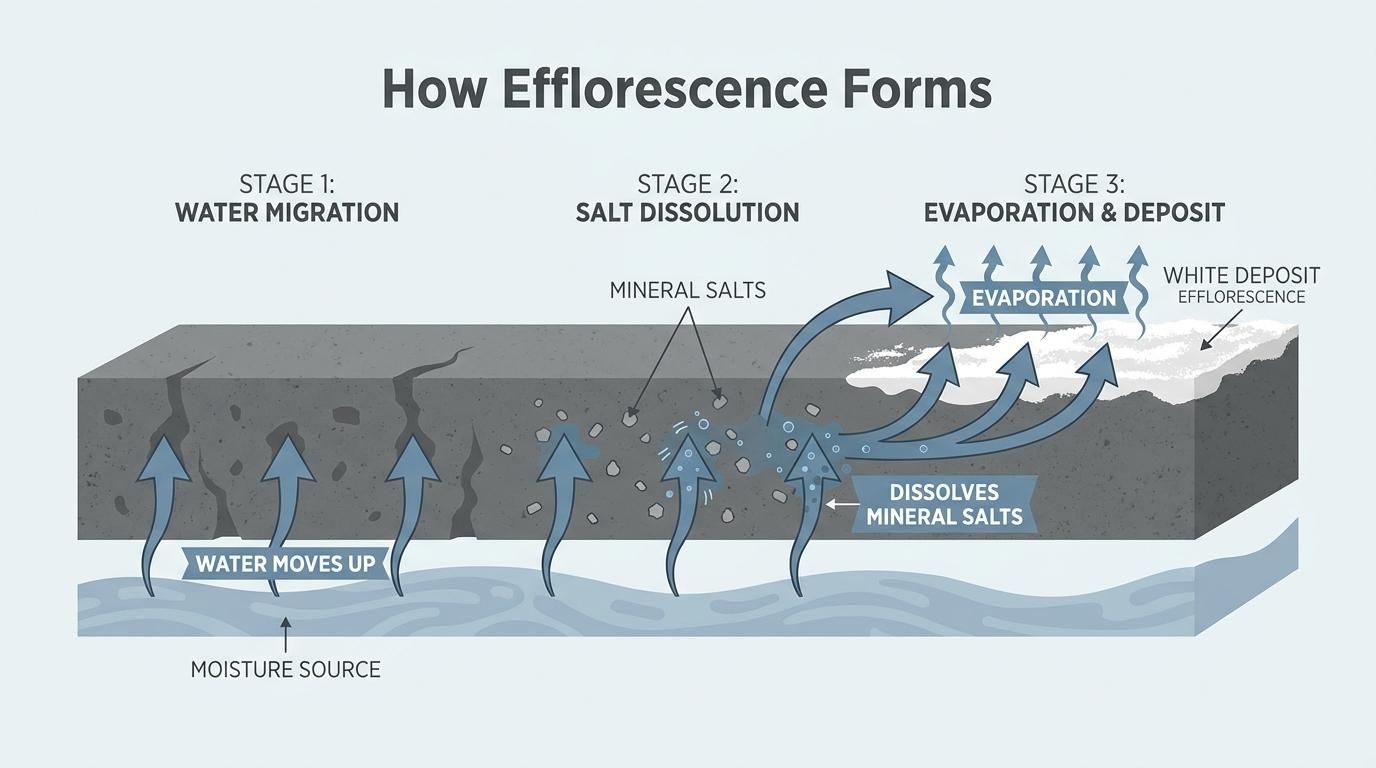
Fading or loss of the original sheen is the earliest sign. Sealed concrete has a subtle luster that disappears as the sealer erodes. Stains from oil, leaves, or tire marks that used to wipe off now soak in. Small surface cracks appear where water has started freeze-thaw cycling through unprotected areas. White powdery residue (efflorescence) along edges means moisture is moving through the slab freely.
Factors That Shorten the Cycle
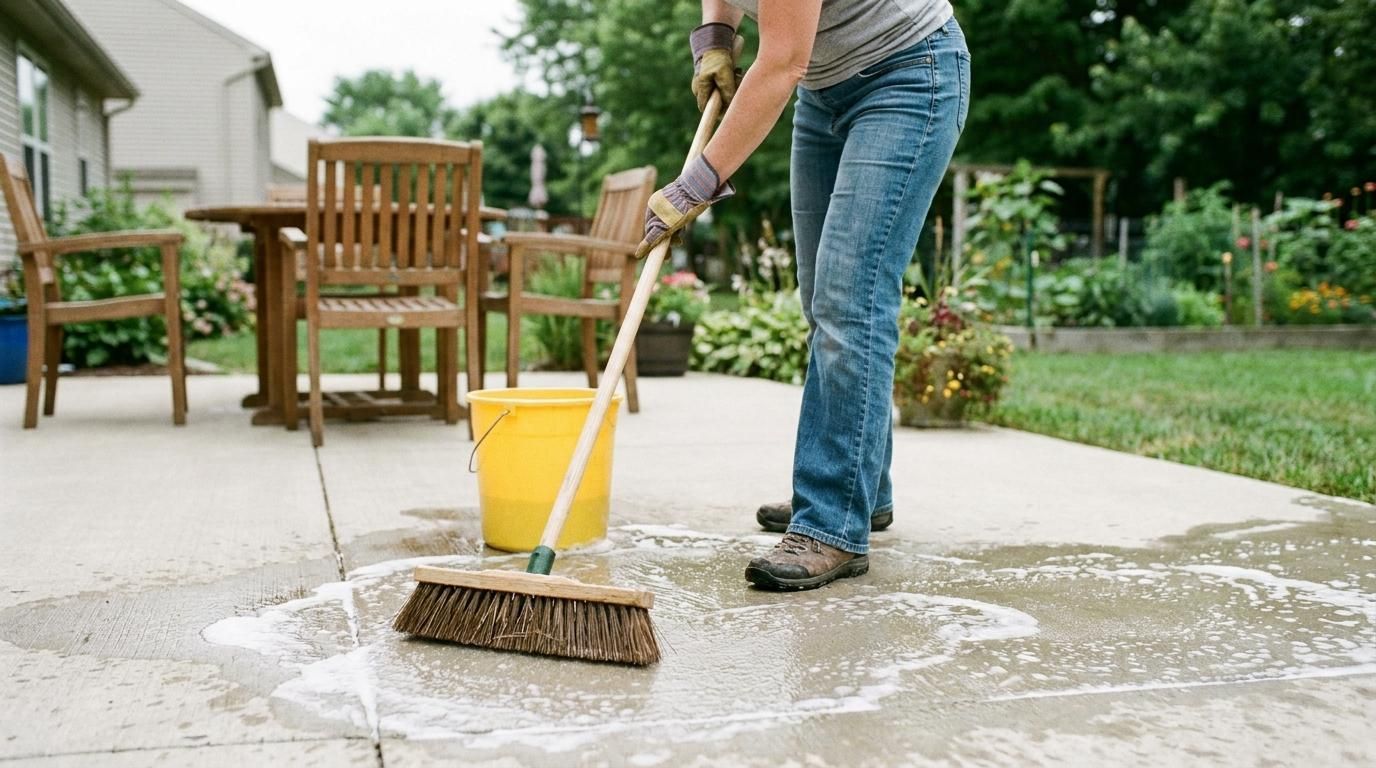
Driveways that see heavy vehicle traffic, direct sun exposure all day, or sit at the bottom of a slope where water pools may need resealing closer to every two years. Shaded driveways with lighter traffic often stretch closer to three. A regular driveway maintenance routine that includes cleaning and inspecting the surface each spring helps you catch the right timing.
Frequently Asked Questions
Can you over-seal a concrete driveway?
Applying sealer too frequently or in thick coats creates a film buildup that peels, flakes, and traps moisture underneath. Stick to the recommended two-to-three-year cycle and apply thin, even coats. If the existing sealer is still beading water, adding another layer does more harm than good.
What time of year is best to seal a driveway in Indianapolis?
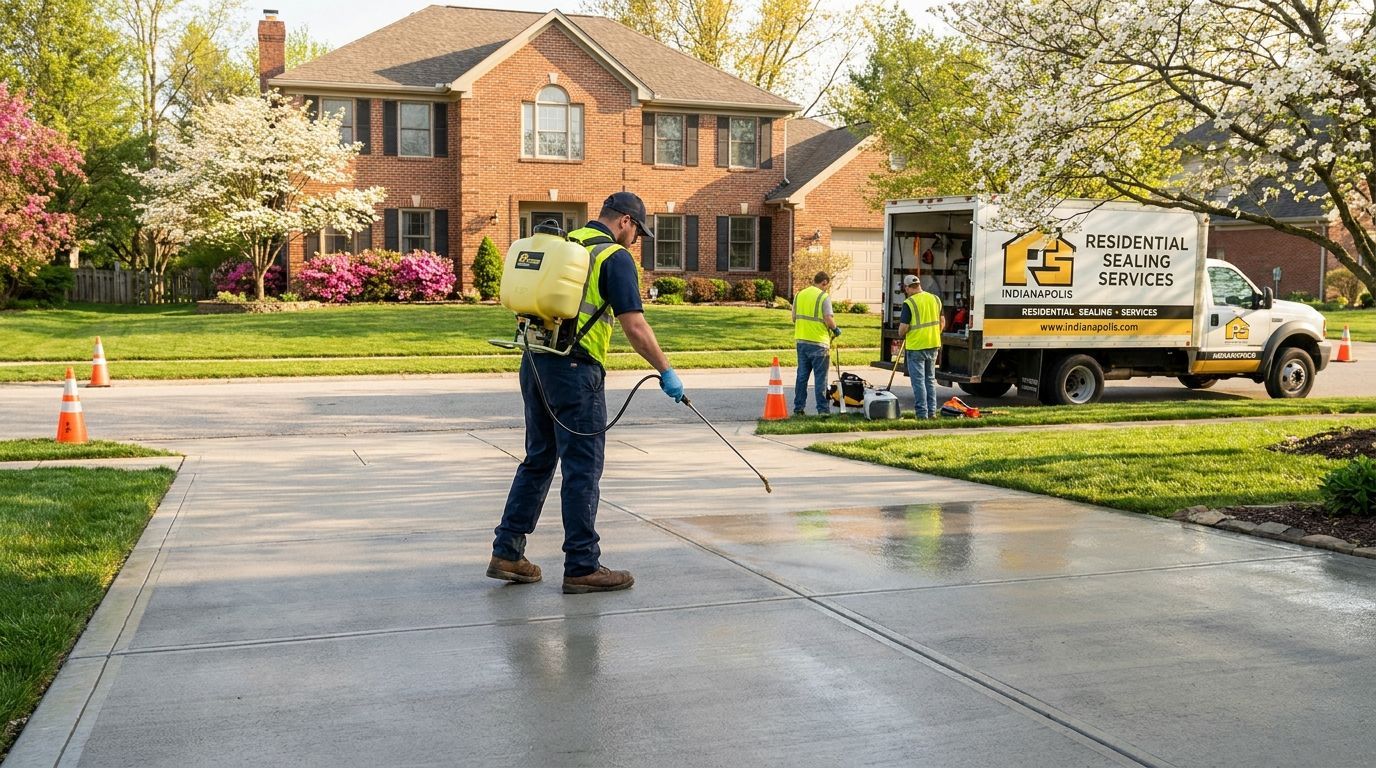
Spring (April through May) and early fall (September through October) offer the best conditions. Daytime temperatures between 50°F and 80°F and low humidity allow the sealer to penetrate and cure properly. 317 Seal Inc. schedules concrete washing and sealing around these windows for the strongest, longest-lasting results.
How much does driveway resealing cost in Indianapolis?
Professional resealing typically costs $1 to $3 per square foot in the Indianapolis market. For a standard two-car driveway of 500 to 600 square feet, that runs roughly $575 to $1,700 per application. Indianapolis labor rates sit slightly below the national average, so most local homeowners land in the lower-to-middle portion of that range. Premium sealers like epoxy or polyaspartic can push costs higher but last considerably longer between applications.
Keep Your Driveway on a Sealing Schedule
Sticking to a two- to three-year resealing cycle is the cheapest way to protect a concrete driveway throughout Indianapolis winters. The cost of resealing on schedule is a fraction of what you'll spend on crack repair, patching, or full replacement once the sealer fails. Run the water bead test every spring and schedule the next application before summer rains and another round of freeze-thaw cycles take their toll.
Ask the 317 Seal team about driveway resealing by calling (833) 317-7325 or sending us a message.