How to Remove Rust Stains From Concrete: DIY & Pro Guide (2026)

Kris Fricks • May 15, 2026

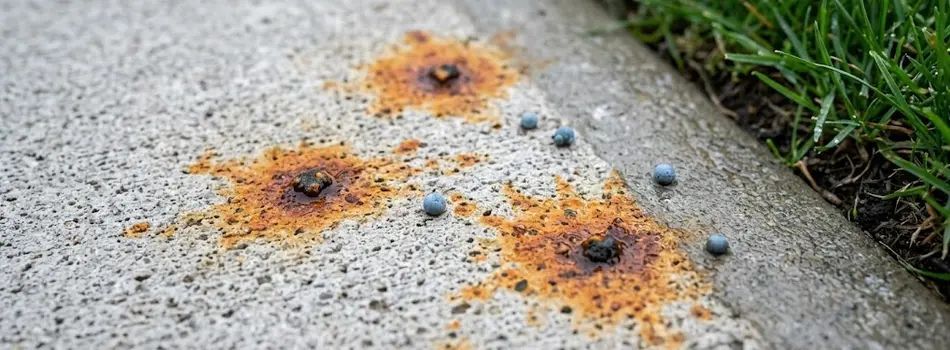
How to remove rust stains from concrete starts with matching the right method to the stain's severity. Mild rust responds to household acids like white vinegar or lemon juice. Deep stains that have set in need oxalic acid or professional treatment. 317 Seal Inc. handles rust stain removal across Indianapolis driveways and patios year-round.

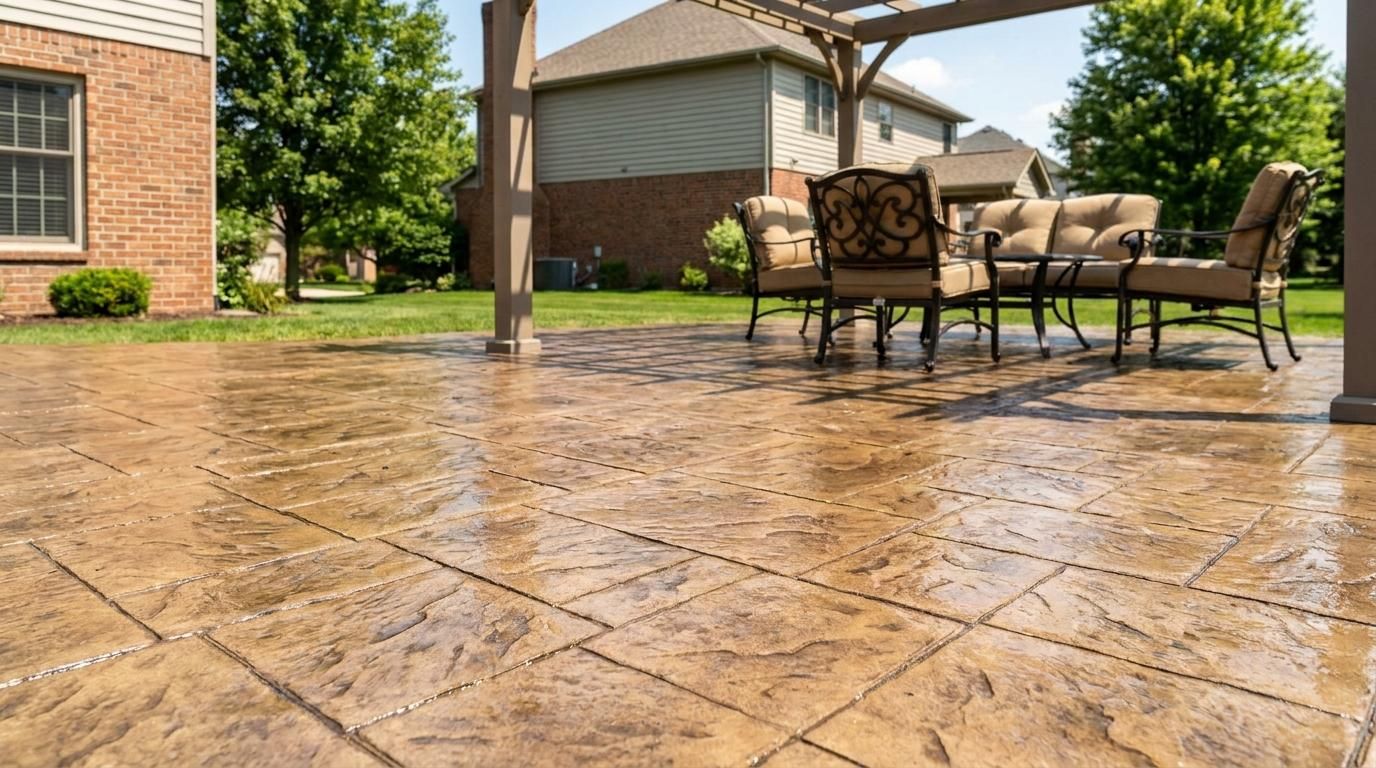
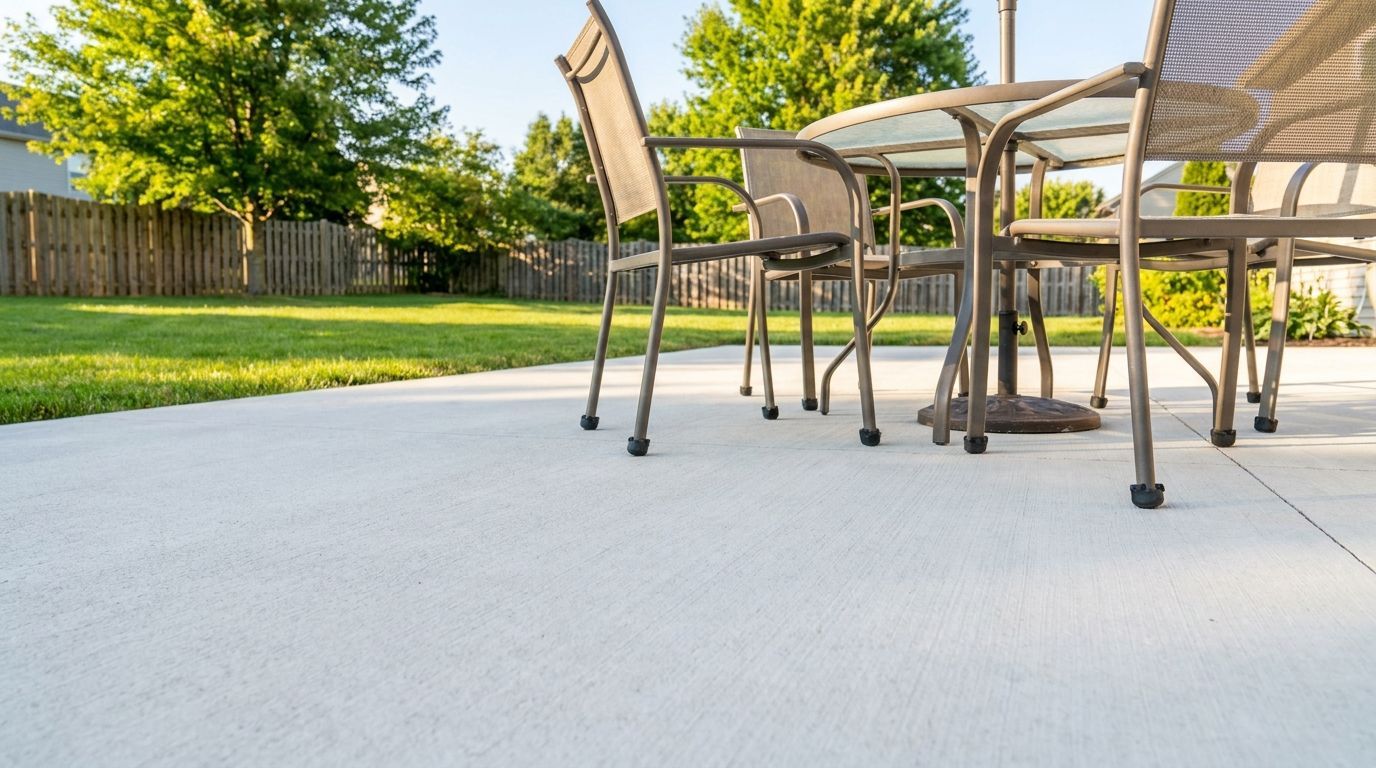
Last spring, a client's patio had bright orange streaks running from every metal chair leg after a wet Indianapolis winter. After targeted treatment and a fresh seal, the concrete looked like it did the day it was poured. This guide discusses proven methods for removing rust stains from concrete surfaces, covering everything from simple household solutions for light marks to professional-grade treatments for deep-set discoloration.

DIY Rust Stain Removal Methods

Not every rust stain needs a professional. Light surface stains from lawn furniture, garden tools, or fertilizer granules often come up with household products and effort. Knowing the products and methods that clean concrete helps you choose the right approach instead of wasting time on treatments that won't work.

Vinegar and Lemon Juice for Light Stains

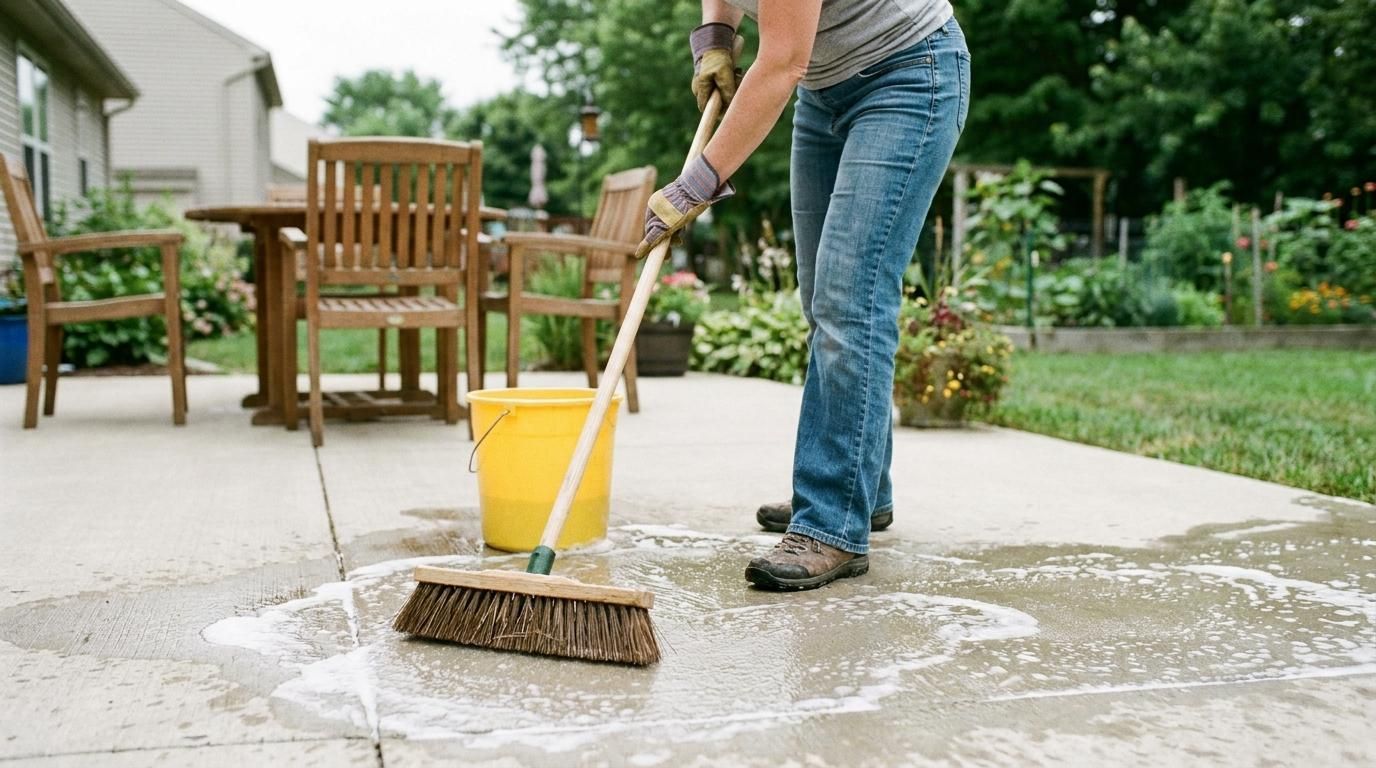
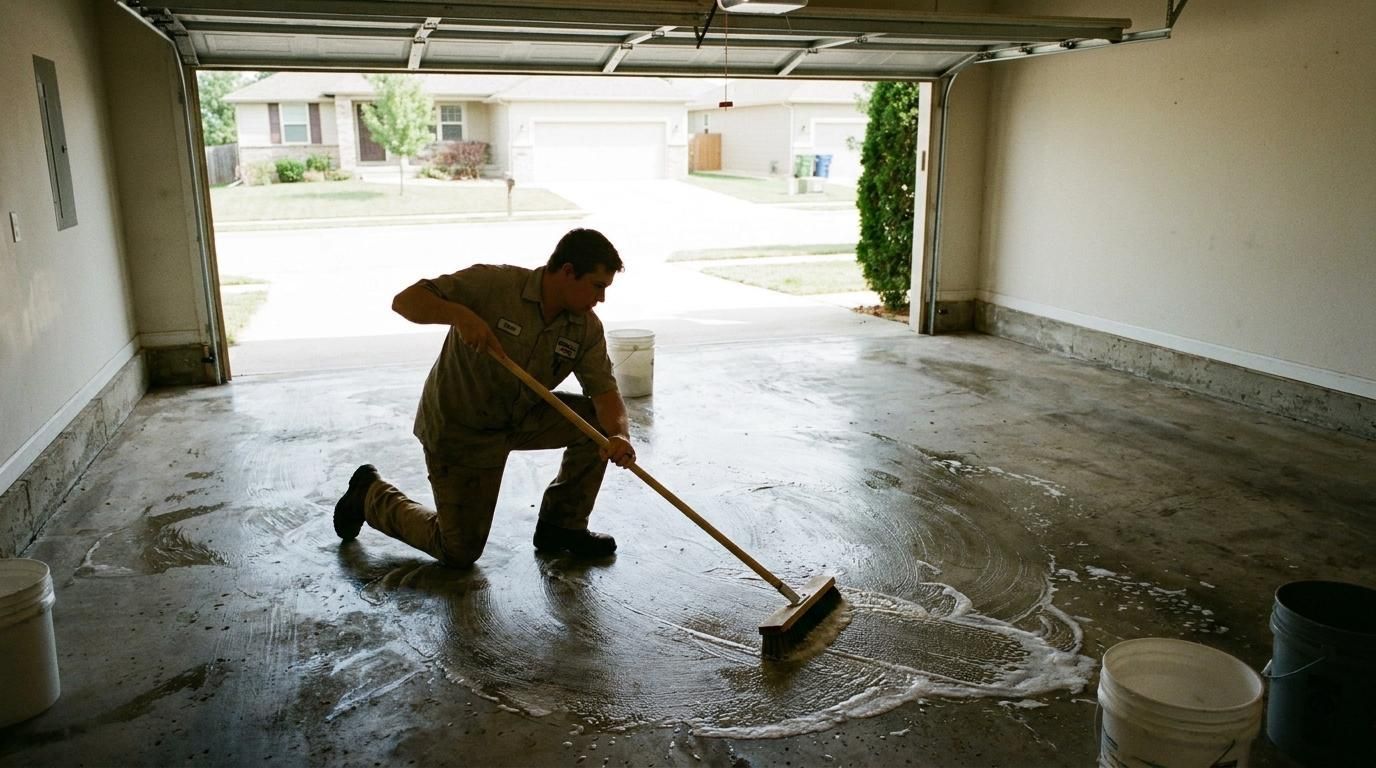
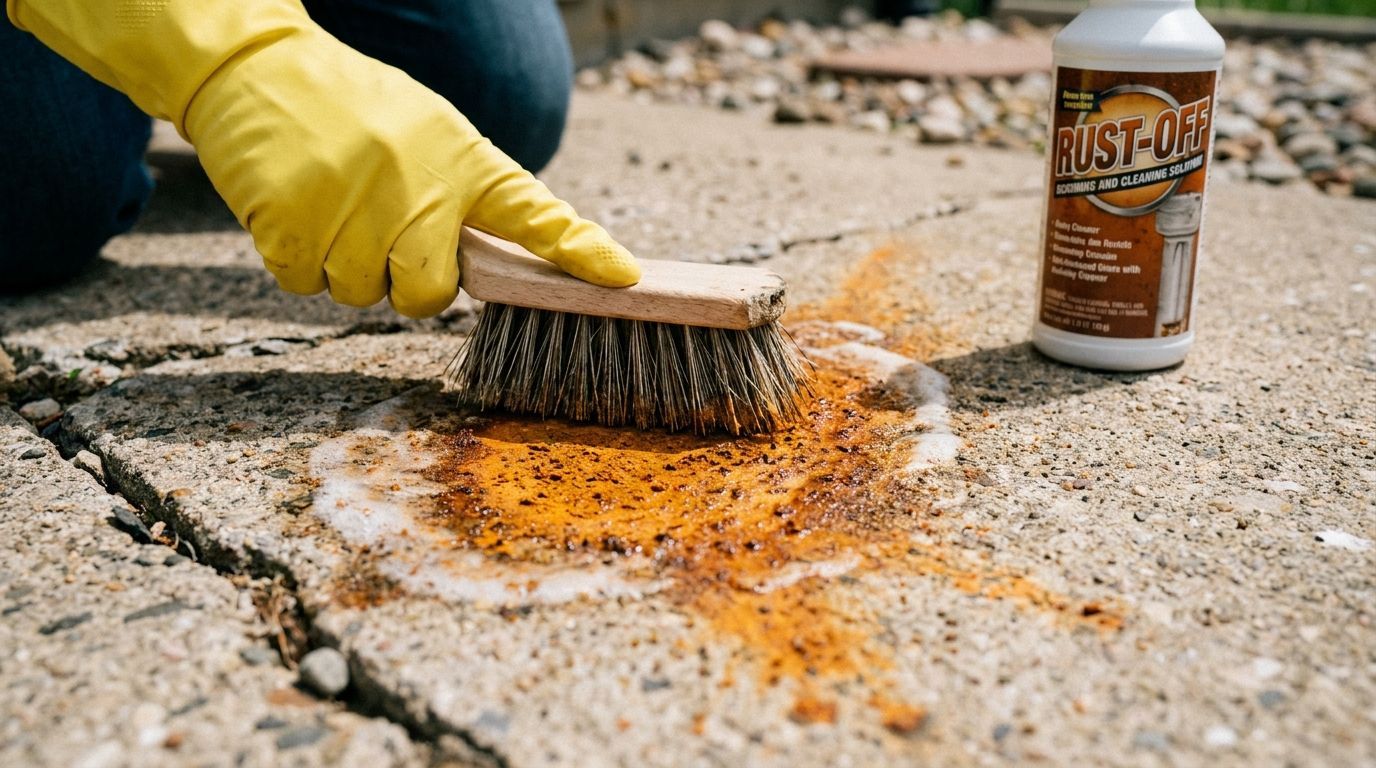
White vinegar or fresh lemon juice contains mild acid that dissolves surface-level rust. Pour it directly onto the stain, let it sit for 10 to 15 minutes, then scrub with a stiff-bristle brush and rinse with clean water. This works best on recent stains that haven't had time to soak deep into the pores. Repeat the application if the stain lightens but doesn't fully clear on the first pass.

Oxalic Acid for Moderate to Heavy Stains

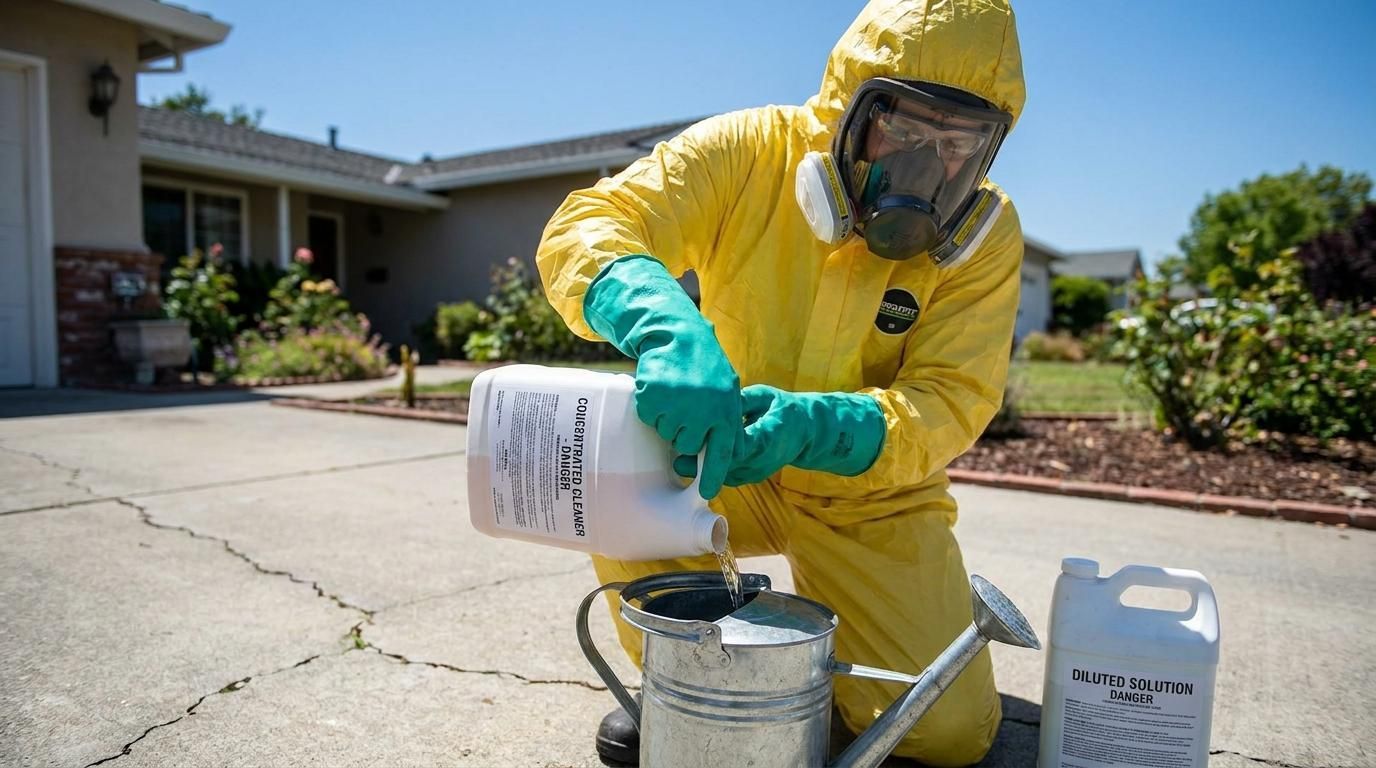
Oxalic acid, sold as a powder in products like Iron Out, is the most effective DIY option for set-in rust. Dampen the stained area, sprinkle the powder over the stain, scrub gently with a brush, and rinse thoroughly. Wear gloves and eye protection. Oxalic acid breaks down iron oxide without damaging the concrete surface when used as directed.

What to Avoid

Muriatic acid removes rust but also etches the concrete surface, leaving it rough and more porous than before. Bleach doesn't dissolve iron oxide at all. Wire brushes scratch the surface and can leave metal fragments that create new rust stains. Stick with acid-based removers formulated for concrete.

When to Call a Professional

DIY methods have limits. If the stain covers a large area, has been sitting for months, or returns after treatment, the source of the rust may still be active underground or in the water supply.

Deep-Set and Recurring Stains

Rust from well water irrigation, buried rebar, or underground metal pipes keeps coming back because the iron source is ongoing. Surface treatment clears the visible stain, but the underlying cause needs to be addressed or the discoloration returns with the next rain. Indianapolis homes on well water commonly see orange-brown staining across driveways and walkways from irrigation spray.

Professional Stain Removal and Pressure Washing

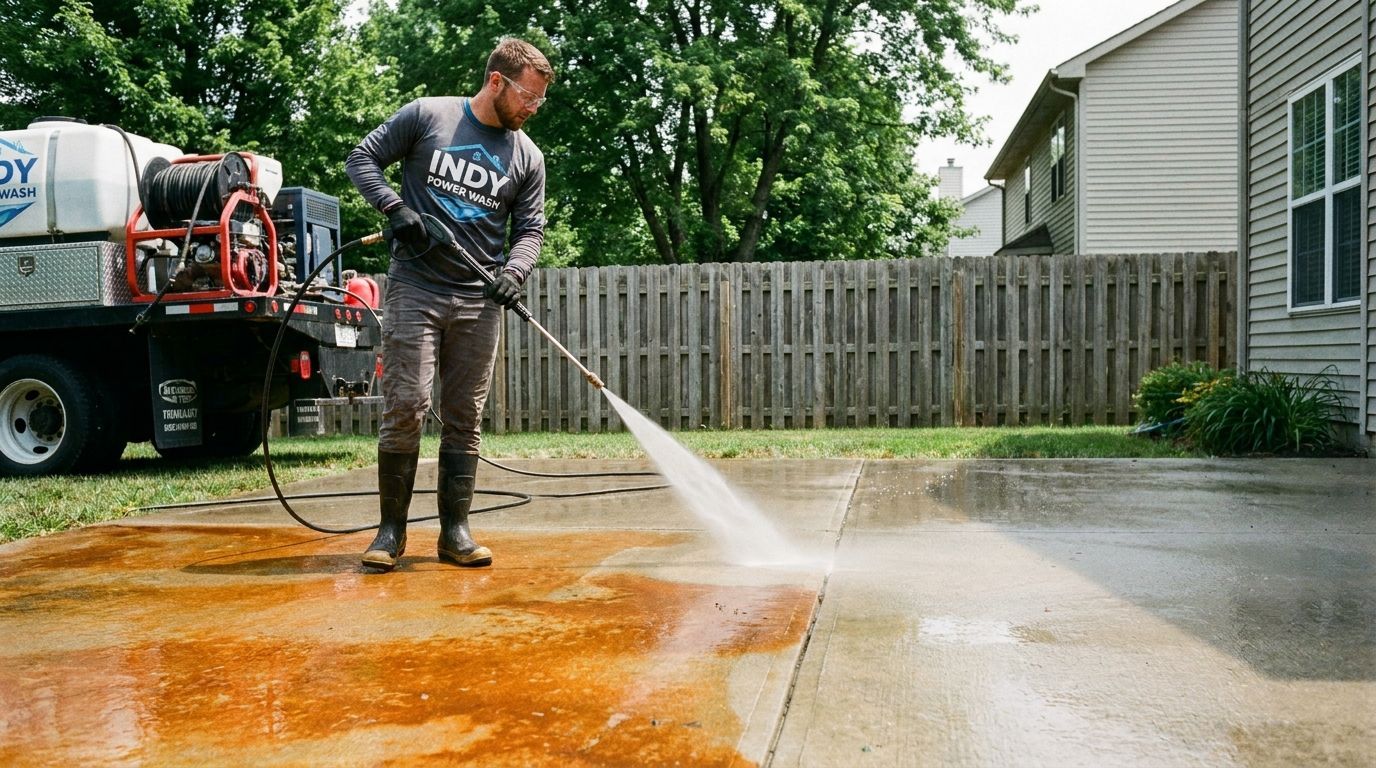
Commercial-grade rust removers combined with professional pressure washing equipment reach stains that household products cannot. The cleaning solution breaks down iron oxide below the surface while the pressure washer extracts the loosened material. Sealing the concrete afterward closes the pores and reduces how deeply the next round of staining can penetrate.

Frequently Asked Questions

Does WD-40 remove rust from concrete?

WD-40 can loosen light surface rust, but it leaves an oily residue that creates a new stain and attracts dirt. Acid-based rust removers like oxalic acid or white vinegar are more effective and don't leave behind residue that requires additional cleaning afterward.

Will pressure washing alone remove rust stains?

Pressure washing removes surface dirt and loose rust particles, but the orange-brown discoloration from iron oxide typically requires a chemical treatment first. Pressure washing works best as the final rinse step after a rust-dissolving solution has broken down the stain. 317 Seal Inc. combines both steps for complete removal.

How do you prevent rust stains on concrete?

Place protective pads or rubber feet under metal furniture so it doesn't contact the concrete directly. Use rust-resistant hardware for planters and outdoor fixtures. If well water causes the staining, adjust sprinkler heads to keep iron-rich water off the concrete. Sealing the surface reduces how deeply future stains can set.

Get Rid of That Stain for Good

Rust stains on concrete look permanent, but the right treatment matched to the stain's depth and source removes them. Start with vinegar or lemon juice for light marks. Move to oxalic acid for stubborn spots. Call a professional when the stain keeps returning or covers too much surface for DIY.

Contact 317 Seal Inc. for professional rust stain removal on your Indianapolis driveway or patio. Call (833) 317-7325 for a free estimate.

By Kris Fricks May 29, 2026
A well-maintained concrete driveway lasts 25 to 30 years in Indianapolis. Learn what shortens its lifespan and how sealing extends it.
By Kris Fricks May 25, 2026
Use these four simple tests to check whether your concrete is sealed before reapplying sealer or scheduling professional concrete care.
By Kris Fricks May 21, 2026
Indianapolis driveways need resealing every 2 to 3 years due to freeze-thaw cycles and road salt. Learn how to tell when yours is due.
By Kris Fricks May 18, 2026
Learn what causes concrete flaking on Indianapolis driveways and when to repair, resurface, or seal to stop the damage from spreading.
By Kris Fricks May 10, 2026
Find out how long to wait before sealing new concrete, including the best months for concrete sealing in Indianapolis based on cure time and temperature.
By Kris Fricks May 6, 2026
Discover what causes concrete discoloration in Indianapolis and how to fix fading, staining, and uneven color on your driveway or patio.
By Kris Fricks May 2, 2026
Compare sealed vs. unsealed concrete in terms of durability, maintenance, and cost. See how sealing protects Indianapolis driveways from freeze-thaw and salt.
By Kris Fricks April 23, 2026
Concrete sealer lasts 1 to 10 years, depending on the type. See how acrylic, penetrating, and polyurethane sealers hold up in Indiana's climate.
Rough gray concrete wall with peeling patches and weathered texture
By Kris Fricks April 12, 2026
Concrete scaling is surface peeling; spalling runs deeper. Learn how to tell them apart, what causes each in Indiana, and when to repair or seal.
Two workers power washing a concrete patio beside a townhouse backyard with chairs and a lawn
By Kris Fricks April 6, 2026
Concrete sealing in Indianapolis costs $1.50 to $4.50 per square foot. Get 2026 pricing by surface type, sealer grade, and project size.
Show More