Why Is My Concrete Changing Color? Common Causes in Indianapolis

Kris Fricks • May 6, 2026

The causes of concrete discoloration range from efflorescence and road salt exposure to UV fading, oil stains, and organic growth like algae and mold. In Indianapolis, freeze-thaw cycles and heavy de-icer use accelerate color changes that would take years in milder climates. 317 Seal's residential concrete services includes helping Central Indiana homeowners identify and correct the source of discoloration before it leads to surface damage.

Is the color change cosmetic, or does it point to something deeper? That answer determines whether your driveway needs cleaning, recoloring, or concrete repair before the surface deteriorates further. In this blog post, we explain the most common causes of discoloration in Indianapolis, how to match the fix to the cause, and what to do before the damage moves below the surface.

Common Causes of Concrete Discoloration in Indianapolis

Indianapolis driveways and patios face environmental stressors that accelerate color changes beyond what homeowners in drier climates experience. Central Indiana's freeze-thaw cycles, heavy de-icer use, and 40-plus inches of annual precipitation create conditions where discoloration shows up faster and runs deeper.

Efflorescence and Salt Deposits

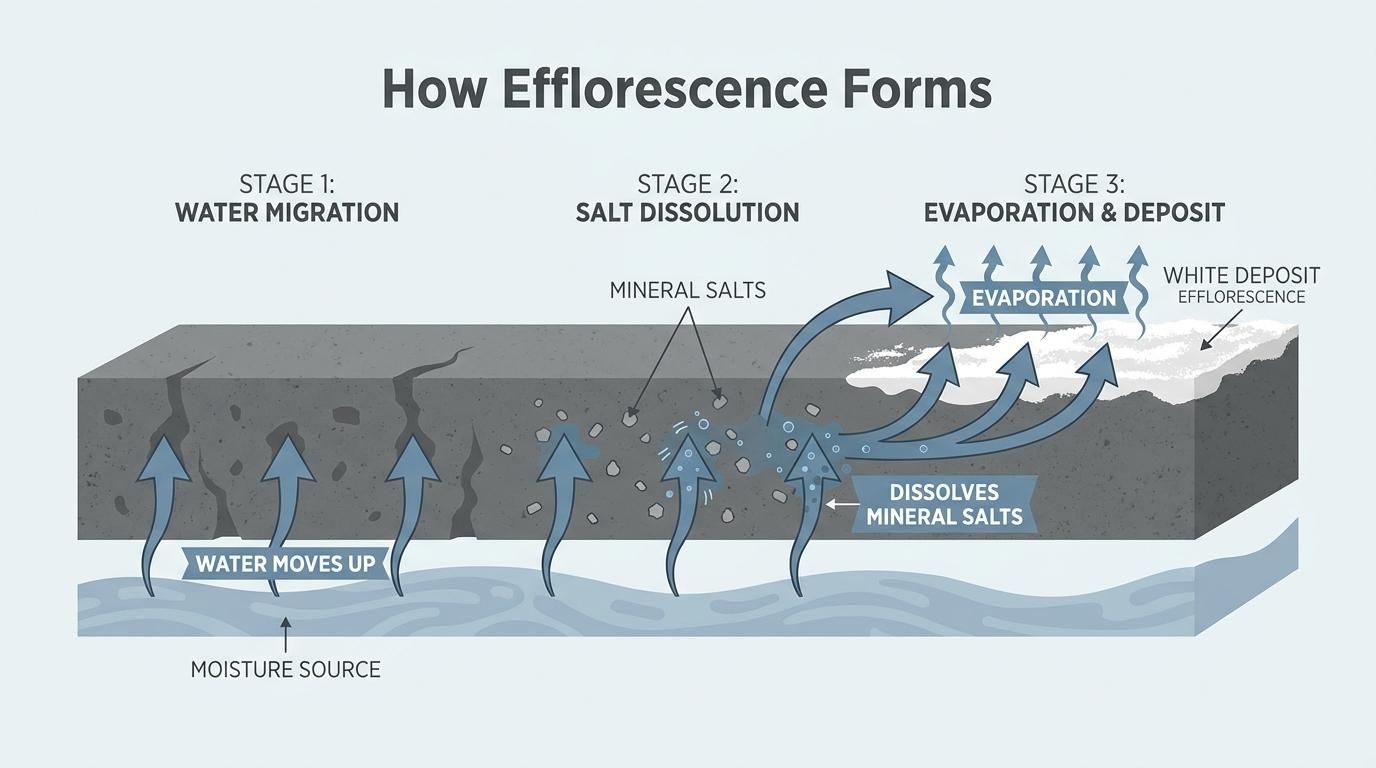
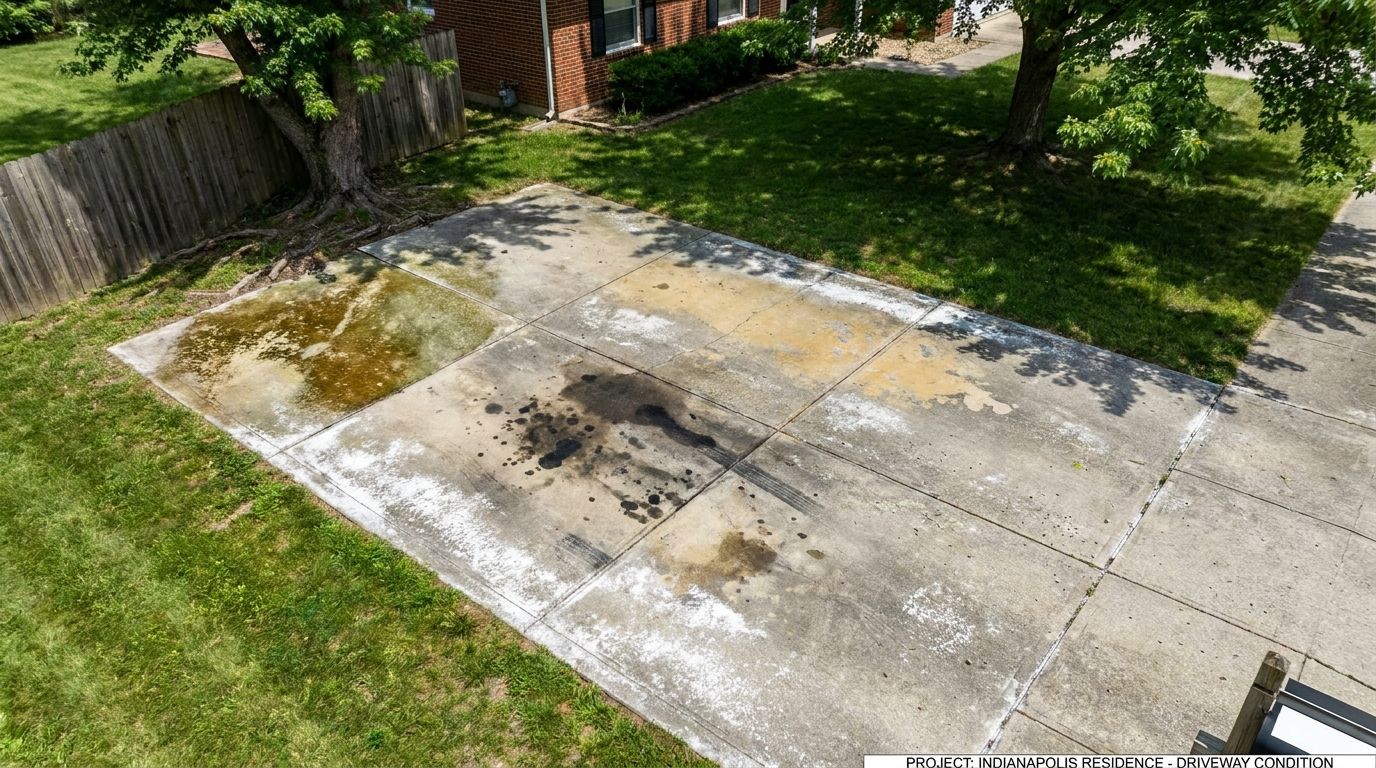
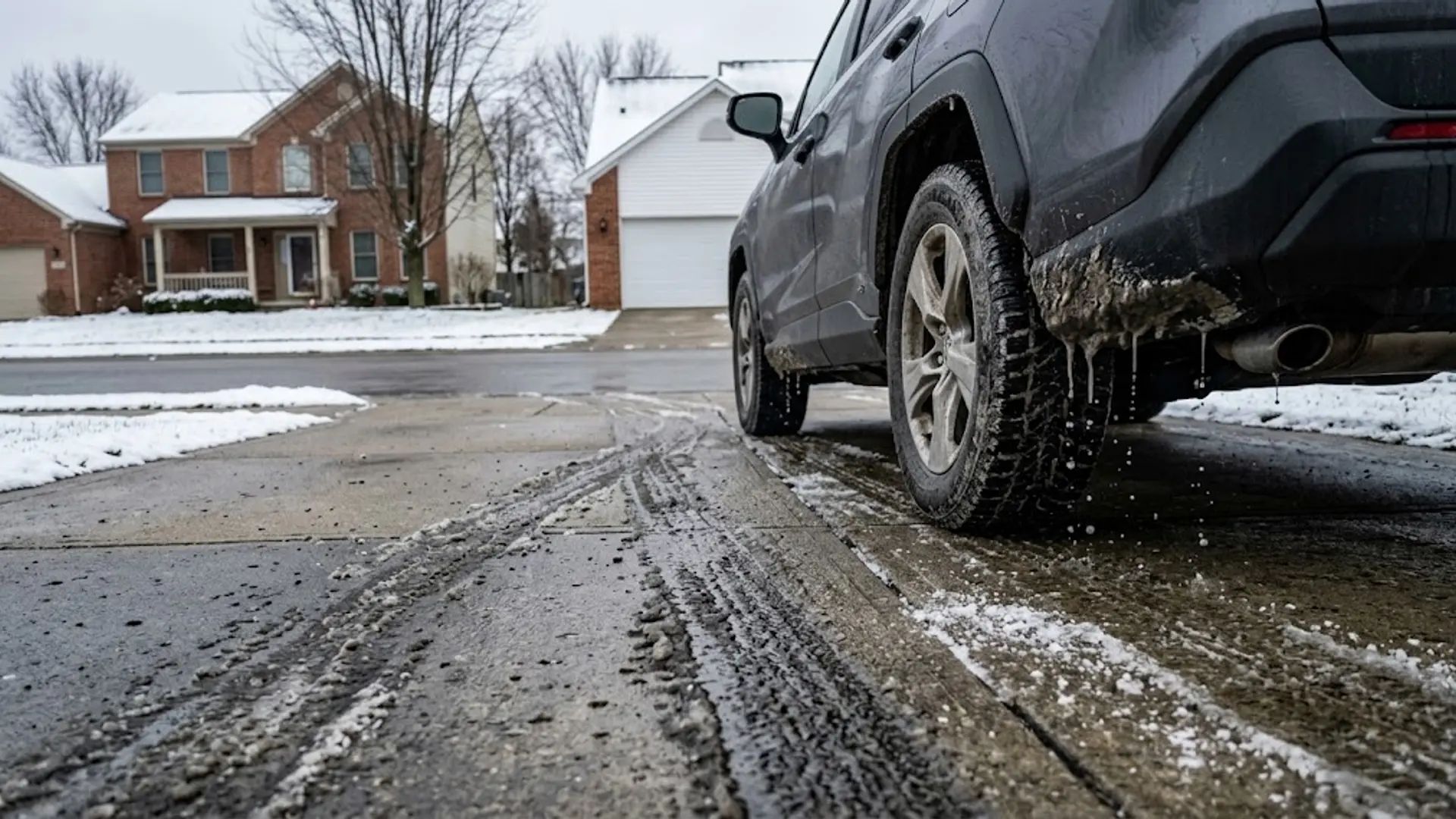
White, powdery residue on concrete is efflorescence. It forms when moisture pulls calcium and sodium salts from inside the slab to the surface, then evaporates and leaves the minerals behind. Indianapolis sees this more than most markets because winter road salt adds extra chloride compounds to the equation. Heavy spring rains then force additional moisture through the concrete, carrying even more mineral deposits upward. Efflorescence is cosmetic rather than structural, but it signals that water is moving through the slab freely.

UV Fading and Weathering

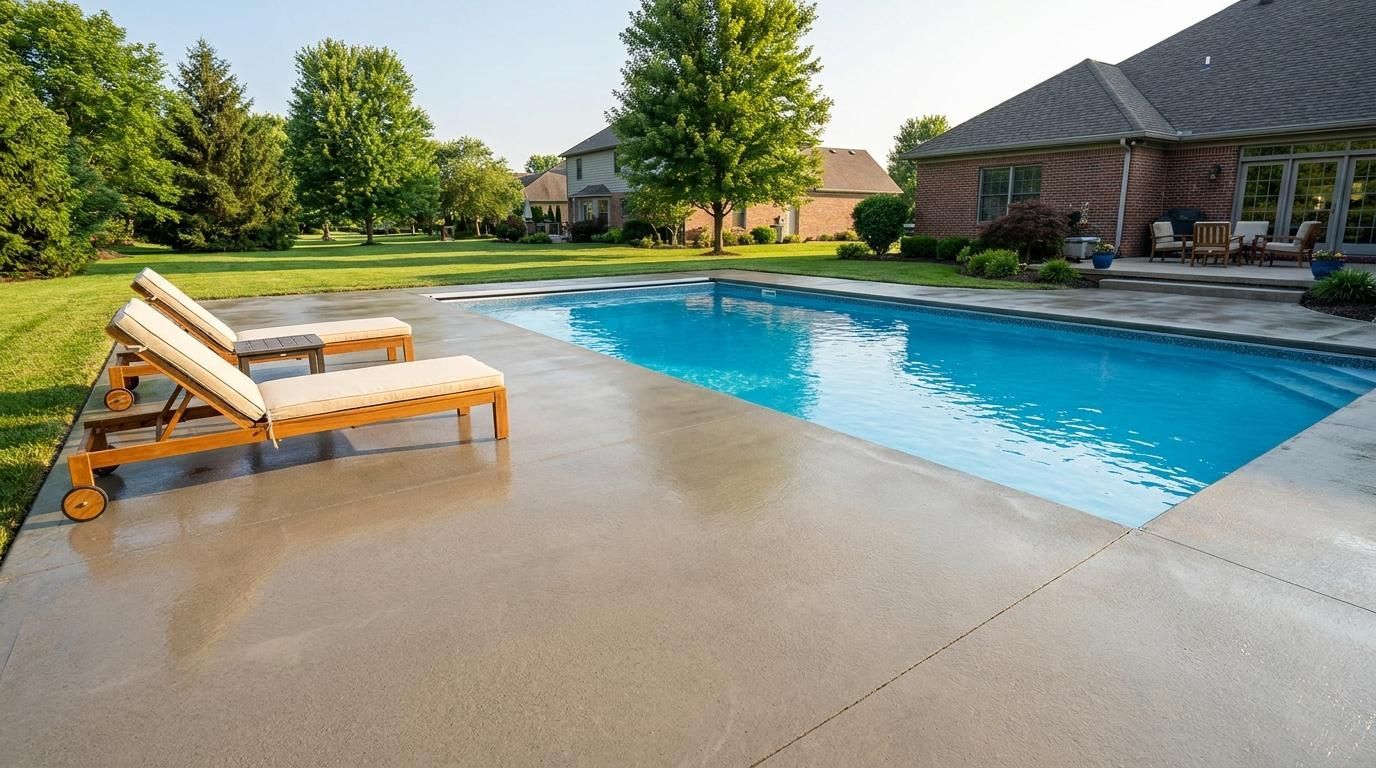
Direct sunlight breaks down the cement paste on exposed surfaces over time. South-facing driveways in Indianapolis take the hardest hit, fading from their original color to a dull, uneven gray within a few years. Compared to sealed concrete , the process is faster on unsealed slabs because UV degrades the surface paste without any protective barrier slowing it down. Stamped or colored concrete fades even more noticeably.

Staining From Oil, Organics, and Moisture

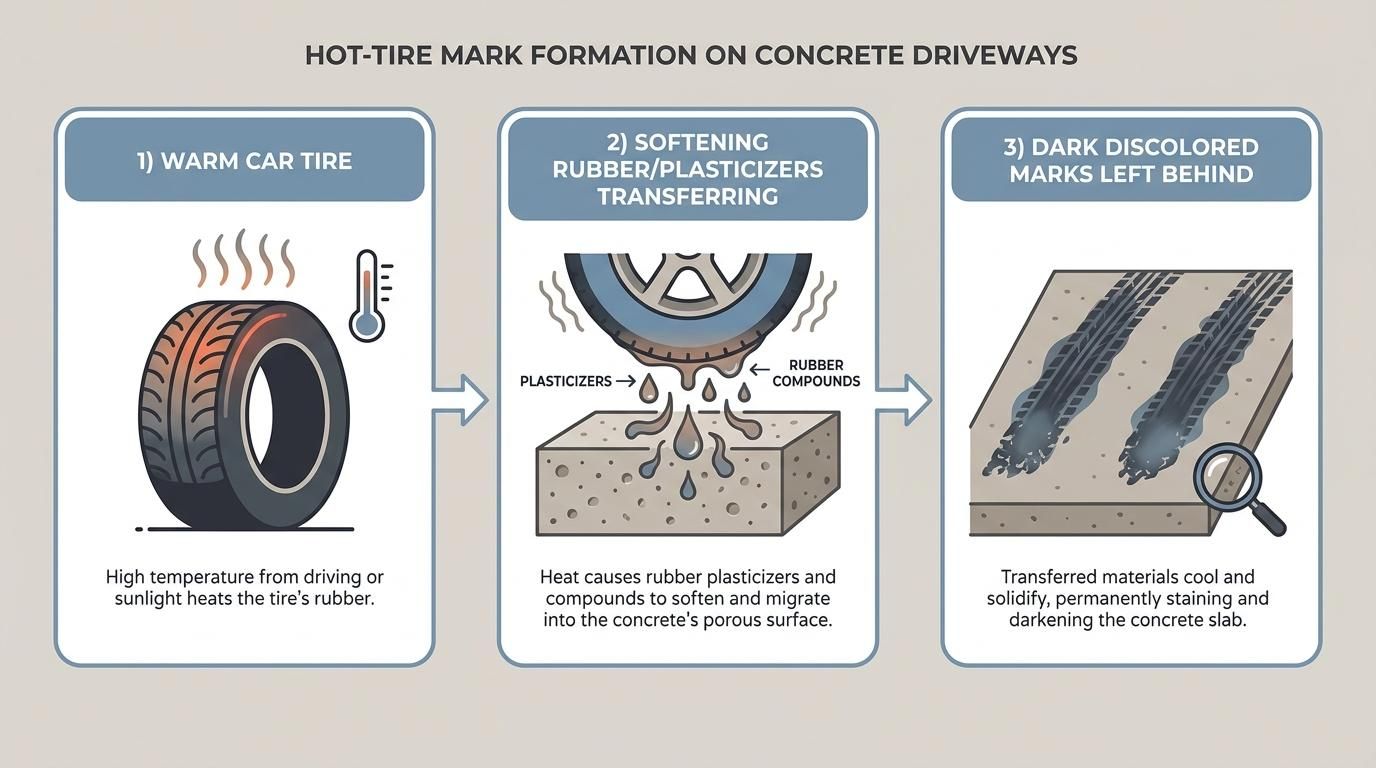
Oil drips from parked vehicles soak into unsealed pores and leave dark, permanent shadows. Leaf tannins, mulch runoff, and algae create brown and green patches, especially in shaded areas near trees and fences where moisture lingers. Indianapolis's 40-plus inches of annual rainfall keeps concrete surfaces damp long enough for organic staining to take hold. Tire marks and airborne soot from nearby roads add another layer that builds gradually over seasons.

How to Fix Discolored Concrete

The fix depends on the cause. Surface-level staining responds to different treatments than deep discoloration from chemical exposure or UV degradation. Starting with the wrong method wastes money and can set some stains deeper into the pores.

Professional Cleaning and Stain Removal

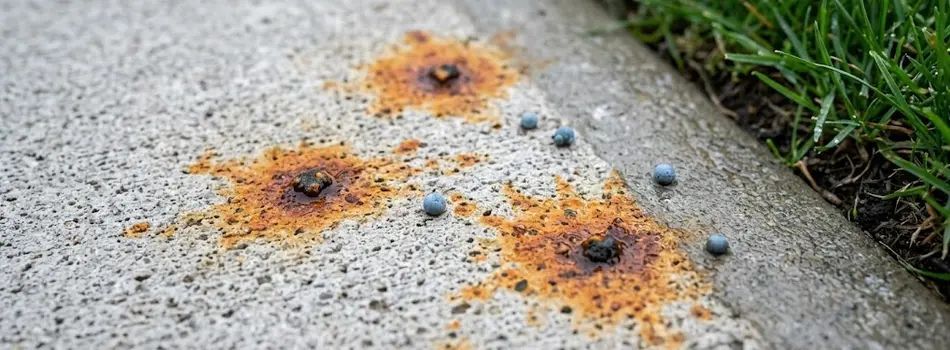
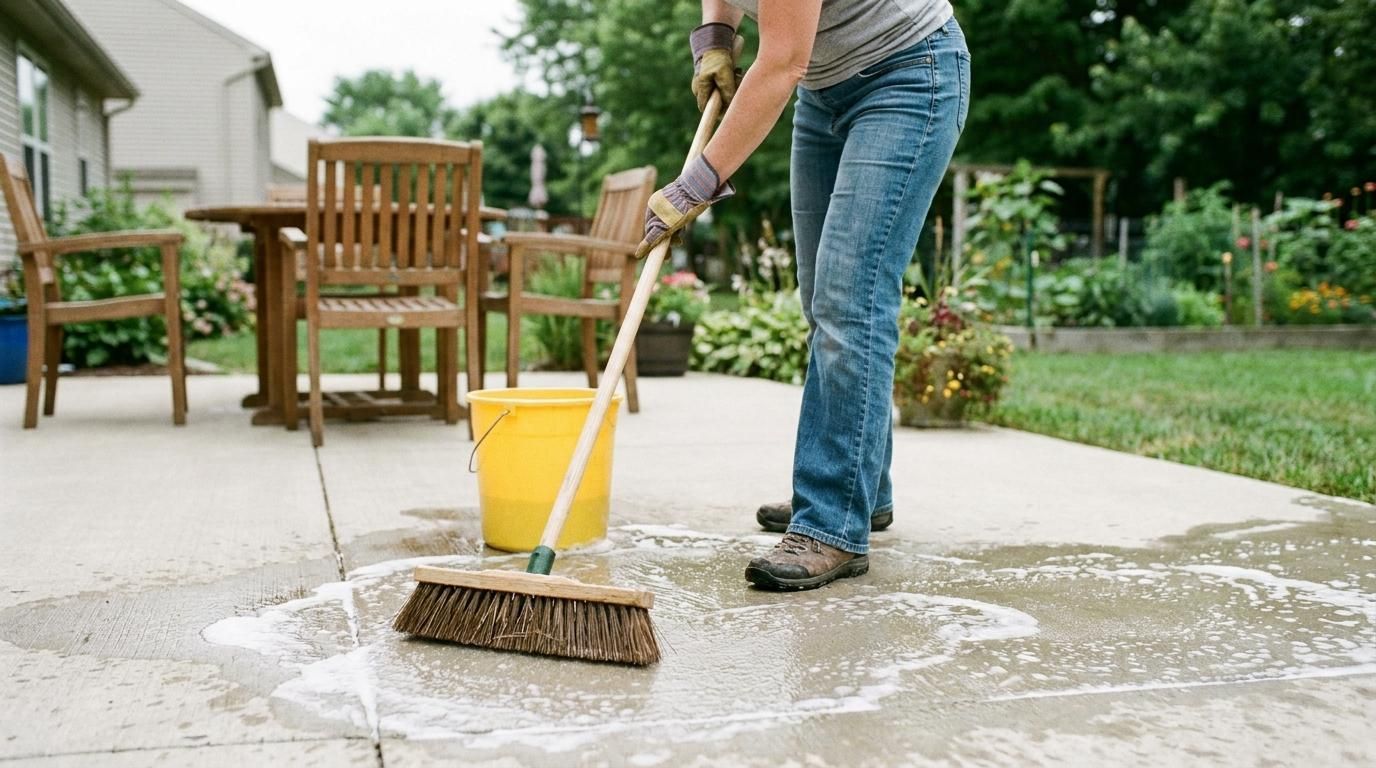
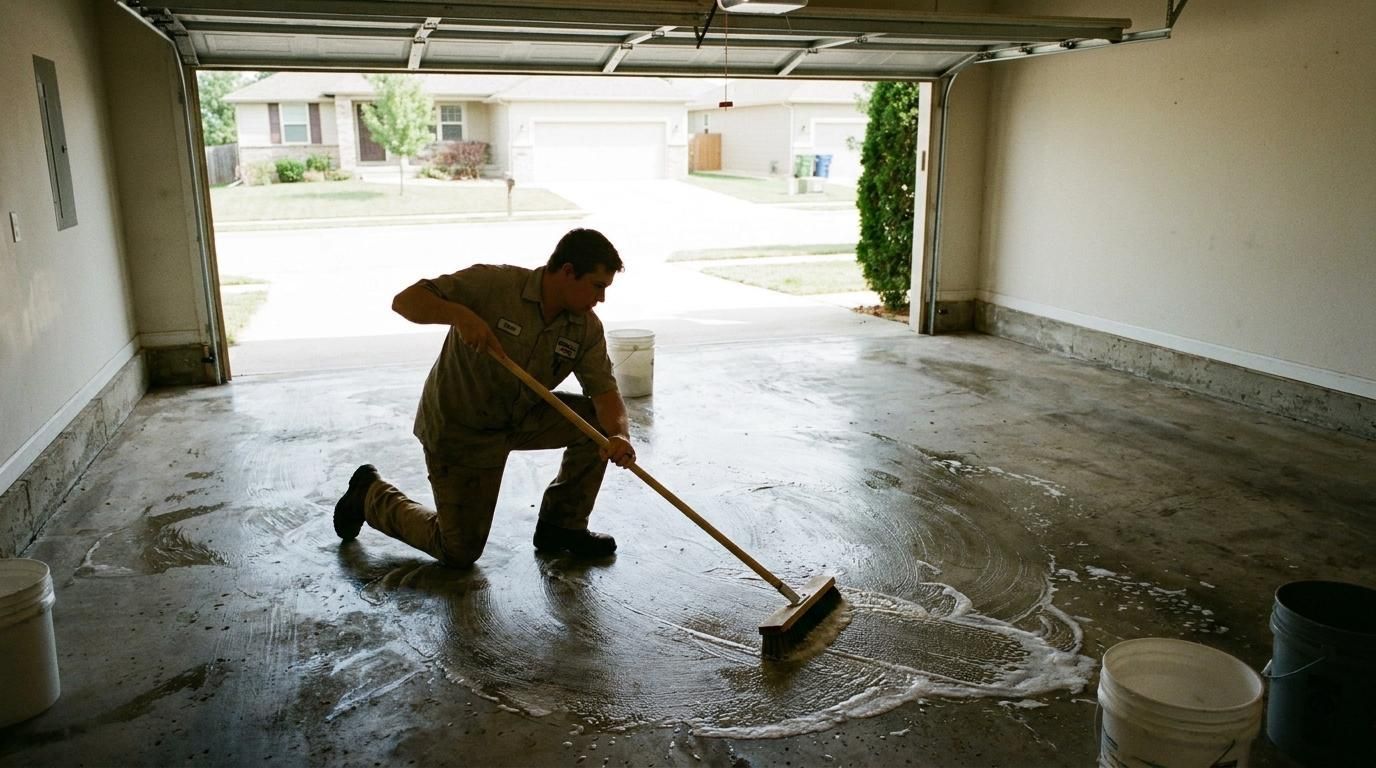
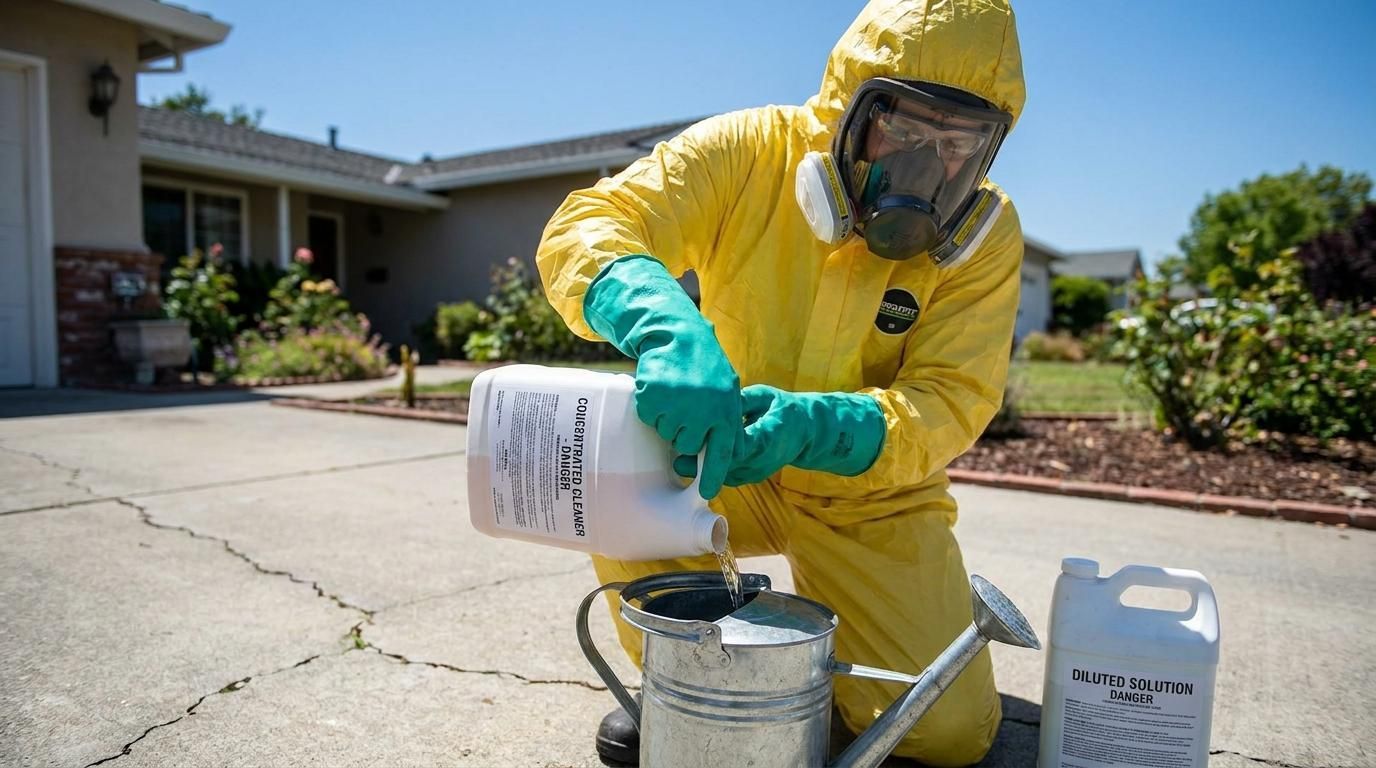
Pressure washing with the right cleaning agents removes surface grime, algae, and light mineral deposits. Rust, oil, and embedded organic stains require targeted stain removal treatments that break down the specific compound without damaging the concrete. Household products handle light spots, but deep staining needs professional-grade solutions and equipment to reach contaminants below the surface.

Concrete Recoloring

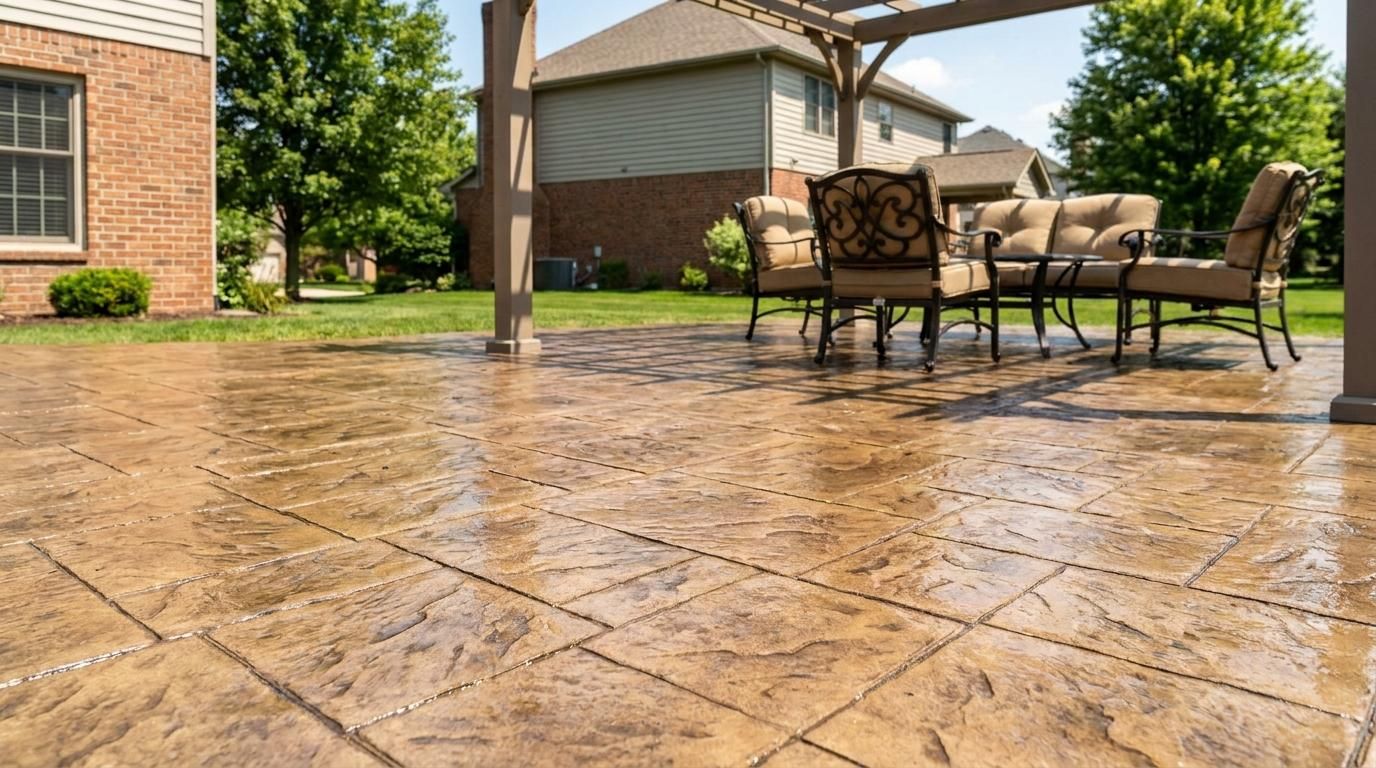
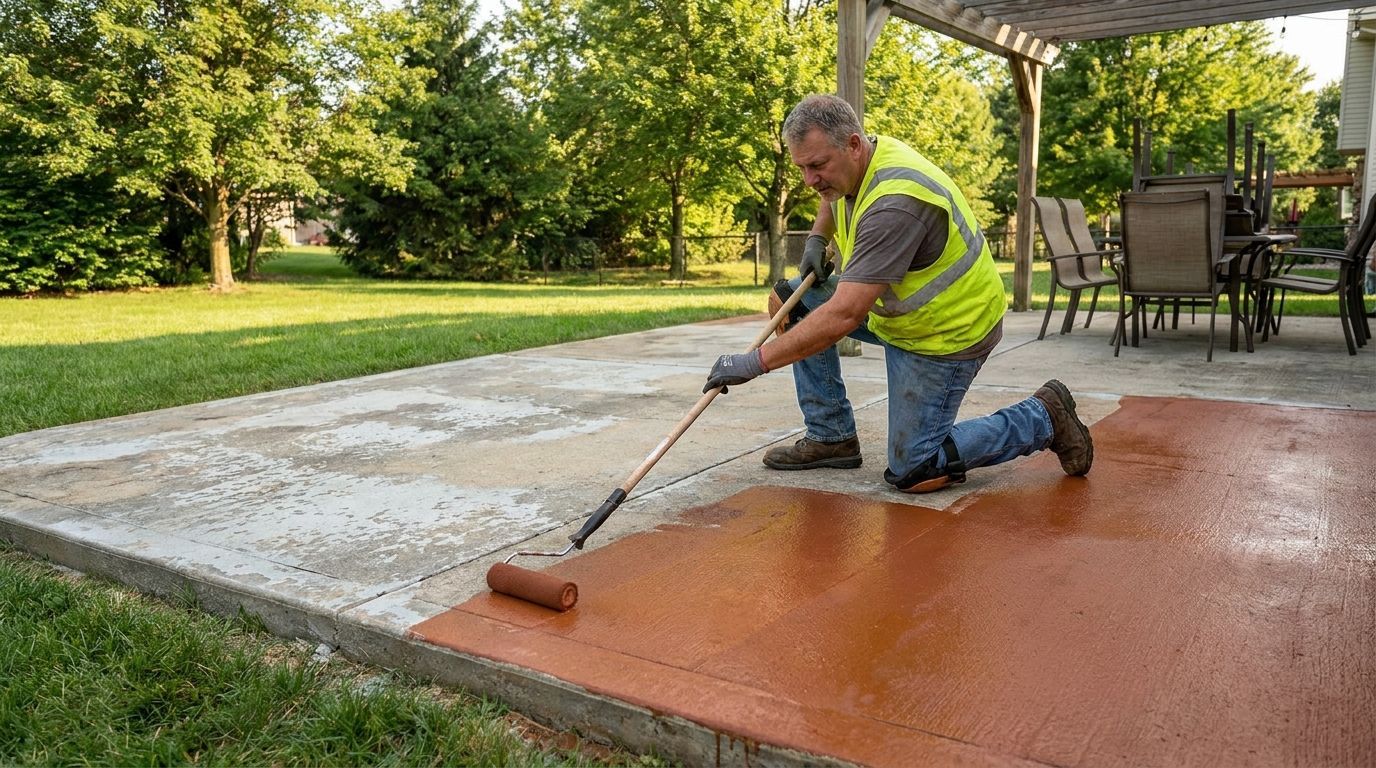
When the original color has faded beyond what cleaning restores, concrete recoloring applies a semi-transparent or opaque color treatment that bonds to the surface. This restores a uniform appearance without replacing the slab. Recoloring works well on patios, walkways, and driveways where the concrete is structurally sound but visually worn from years of Indianapolis weather exposure.

Frequently Asked Questions

Can pressure washing fix concrete discoloration?

Pressure washing removes surface-level dirt, algae, and light mineral deposits effectively. Deeper stains from oil, rust, or years of UV fading usually need targeted chemical treatments or professional stain removal. 317 Seal Inc. assesses the stain type first and uses the cleaning approach matched to each specific cause.

Does sealing concrete prevent discoloration?

Sealing slows discoloration significantly by blocking moisture, salt, and UV from reaching the concrete surface directly. It won't stop all color change over decades, but sealed concrete keeps its original appearance significantly longer than unsealed surfaces. Resealing every two to three years maintains that protection through Indianapolis weather cycles.

Is concrete discoloration a sign of structural damage?

Surface staining alone is rarely structural. But widespread white efflorescence, scaling, or dark wet patches that never dry can indicate moisture moving through the slab in ways that weaken it over time. A professional inspection distinguishes cosmetic discoloration from conditions that need concrete repair before they worsen.

Get Your Driveway's Original Color Back

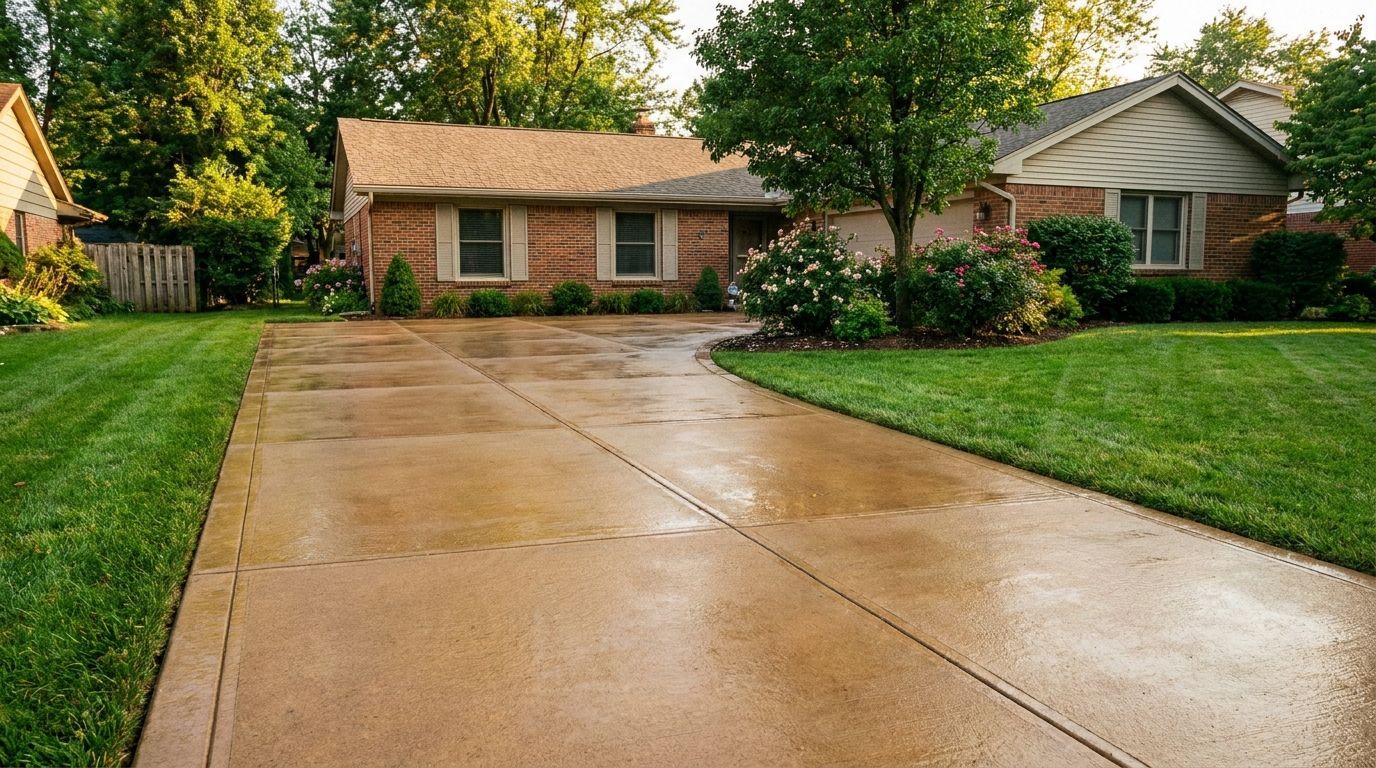
Concrete discoloration in Indianapolis can almost always be fixed as long as the cause is identified early enough. Efflorescence, UV fading, and organic staining each respond to different treatments. The longer discoloration sits, the deeper it sets and the harder restoration becomes.

Call 317 Seal Inc. at (833) 317-7325 or request a free estimate online for your driveway, patio, or commercial walkway. We'll inspect the slab and identify what's actually causing the discoloration.

By Kris Fricks May 29, 2026
A well-maintained concrete driveway lasts 25 to 30 years in Indianapolis. Learn what shortens its lifespan and how sealing extends it.
By Kris Fricks May 25, 2026
Use these four simple tests to check whether your concrete is sealed before reapplying sealer or scheduling professional concrete care.
By Kris Fricks May 21, 2026
Indianapolis driveways need resealing every 2 to 3 years due to freeze-thaw cycles and road salt. Learn how to tell when yours is due.
By Kris Fricks May 18, 2026
Learn what causes concrete flaking on Indianapolis driveways and when to repair, resurface, or seal to stop the damage from spreading.
By Kris Fricks May 15, 2026
Learn step-by-step methods for removing rust stains from concrete, from DIY solutions like vinegar & oxalic acid to professional stain removal in Indianapolis.
By Kris Fricks May 10, 2026
Find out how long to wait before sealing new concrete, including the best months for concrete sealing in Indianapolis based on cure time and temperature.
By Kris Fricks May 2, 2026
Compare sealed vs. unsealed concrete in terms of durability, maintenance, and cost. See how sealing protects Indianapolis driveways from freeze-thaw and salt.
By Kris Fricks April 23, 2026
Concrete sealer lasts 1 to 10 years, depending on the type. See how acrylic, penetrating, and polyurethane sealers hold up in Indiana's climate.
Rough gray concrete wall with peeling patches and weathered texture
By Kris Fricks April 12, 2026
Concrete scaling is surface peeling; spalling runs deeper. Learn how to tell them apart, what causes each in Indiana, and when to repair or seal.
Two workers power washing a concrete patio beside a townhouse backyard with chairs and a lawn
By Kris Fricks April 6, 2026
Concrete sealing in Indianapolis costs $1.50 to $4.50 per square foot. Get 2026 pricing by surface type, sealer grade, and project size.
Show More