How Do You Repair a Concrete Driveway: A Complete Step-by-Step Guide

Kris Fricks • November 4, 2025

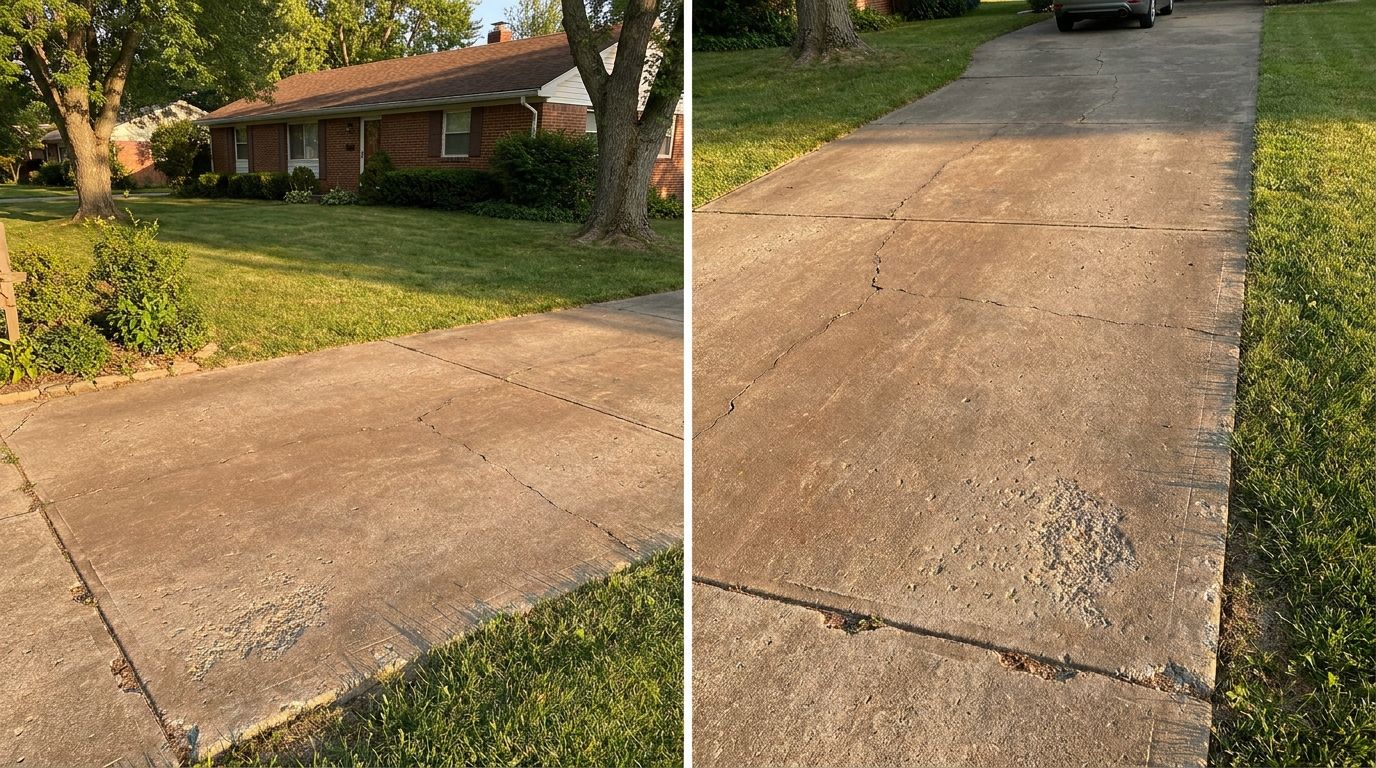
A concrete driveway is a significant investment, providing curb appeal and functionality to your home. However, over time, exposure to harsh weather, heavy loads, and general wear can lead to damage like cracks and spalling. When you notice these issues, a common question arises: how do you repair a concrete driveway effectively and ensure the fix lasts? Timely and proper repair is crucial to prevent minor issues from escalating into costly replacements.


For homeowners seeking professional, long-lasting solutions,
317 Seal Inc. has been a trusted name in concrete care. Before diving into a DIY repair, it is helpful to understand the process and the limitations of a home fix.


A Step-by-Step Guide to Concrete Driveway Repair

Step 1: Assess and Prepare the Damage

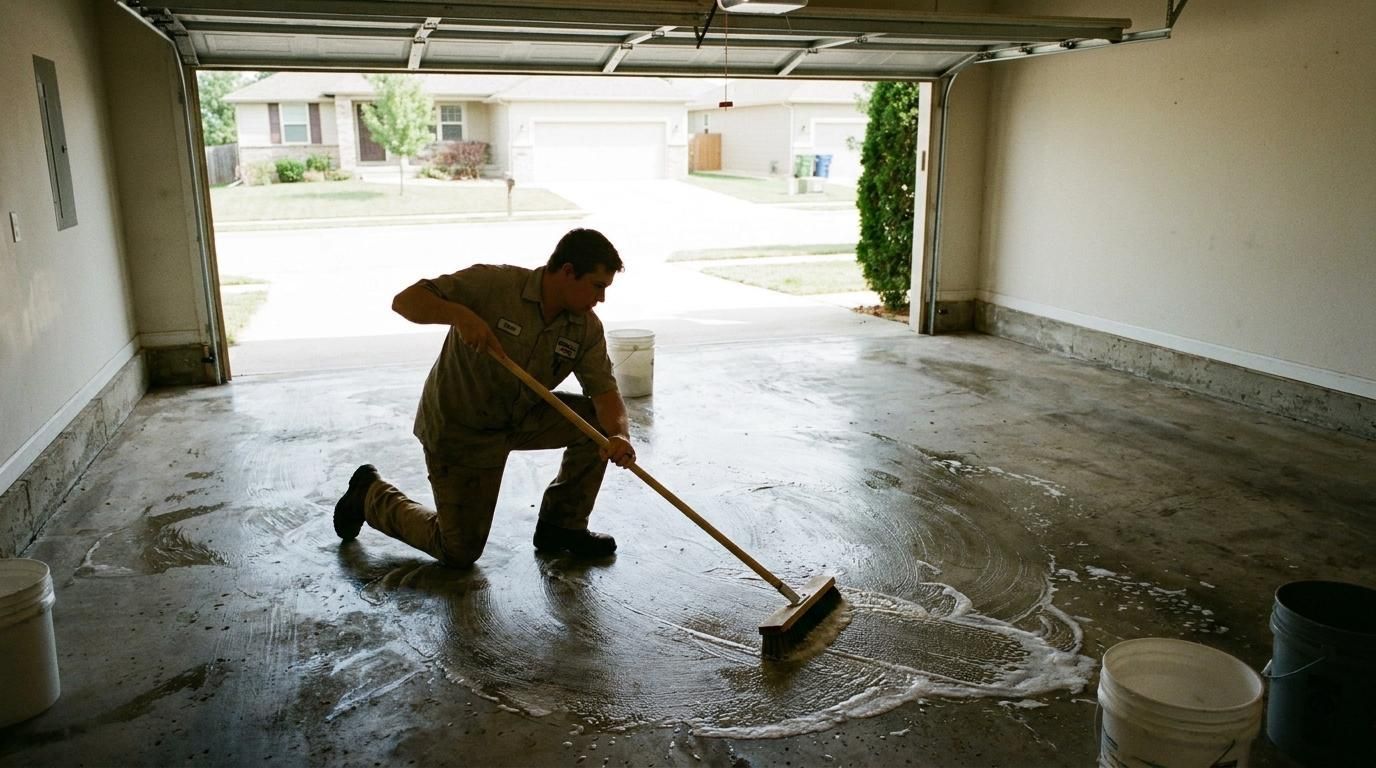
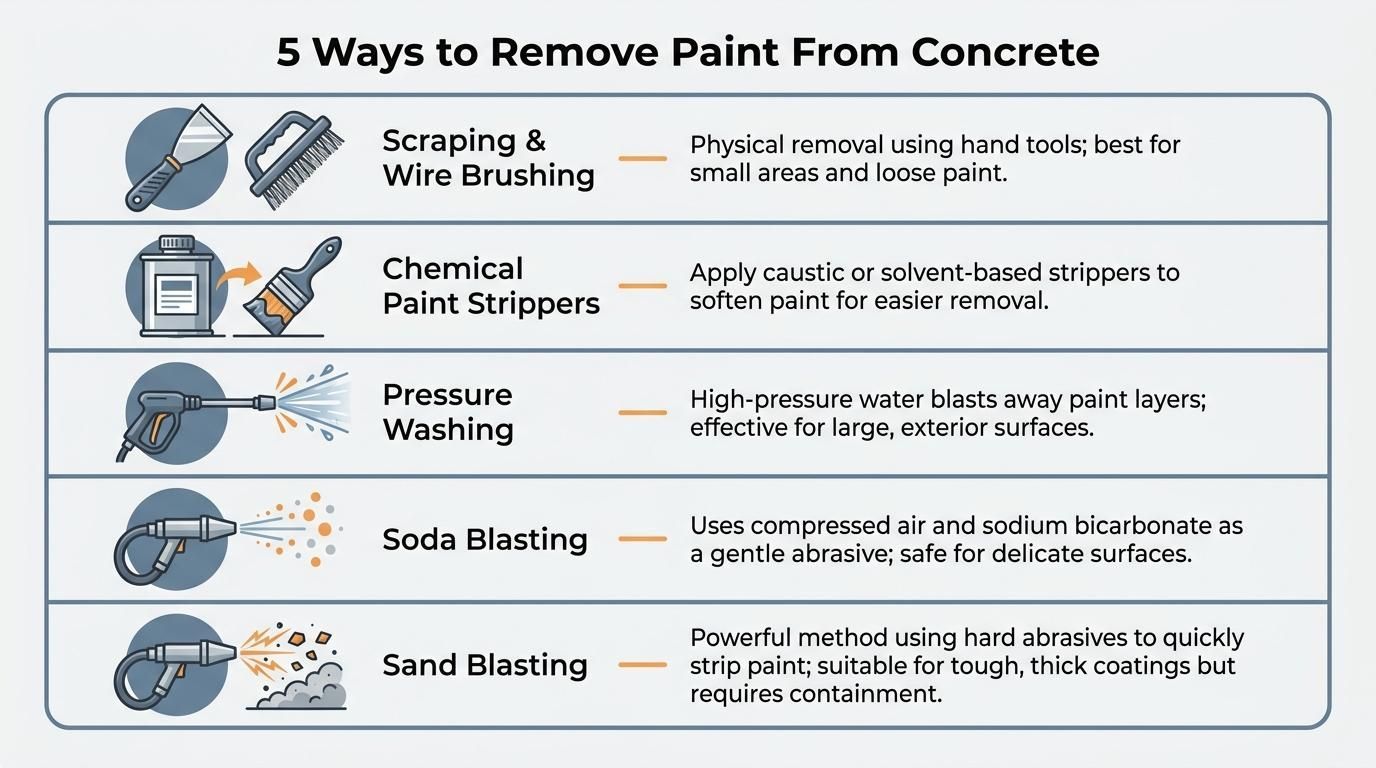
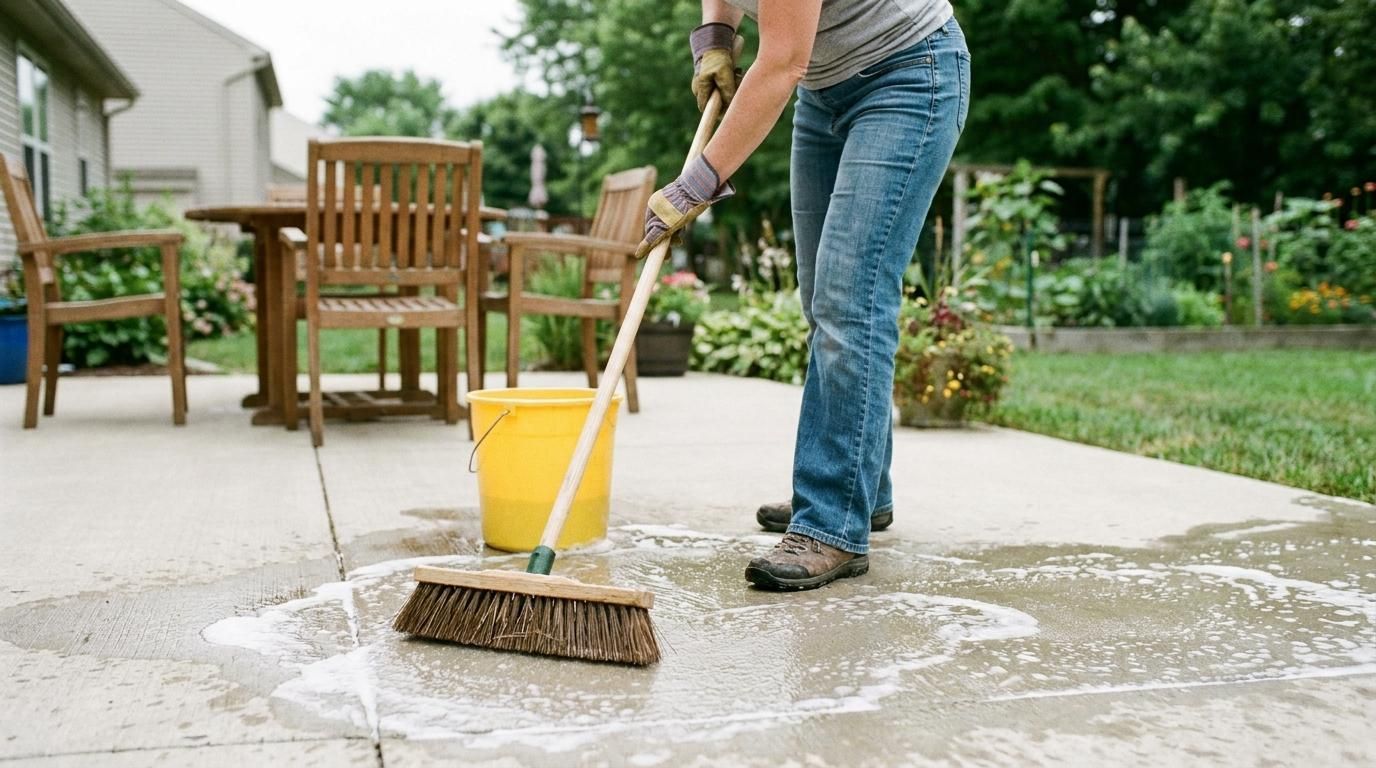
The first step in any concrete repair is a thorough assessment of the damage. Are you dealing with hairline cracks, wider fissures, or surface flaking (spalling)? Regardless of the type, the area must be meticulously cleaned. Use a wire brush, chisel, or pressure washer to remove all loose debris, dirt, and failing concrete


The repair material needs a clean, stable surface to bond with.


Step 2: Repairing Cracks and Small Holes

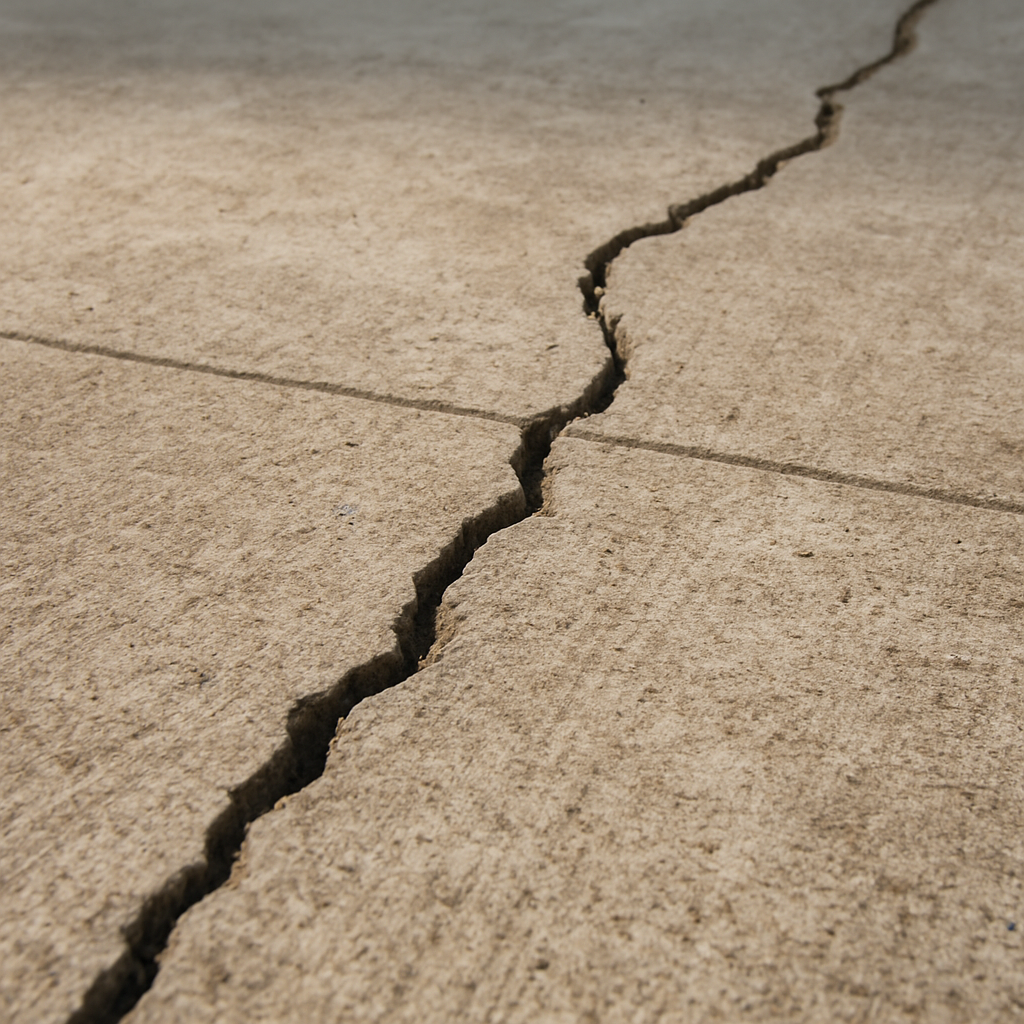
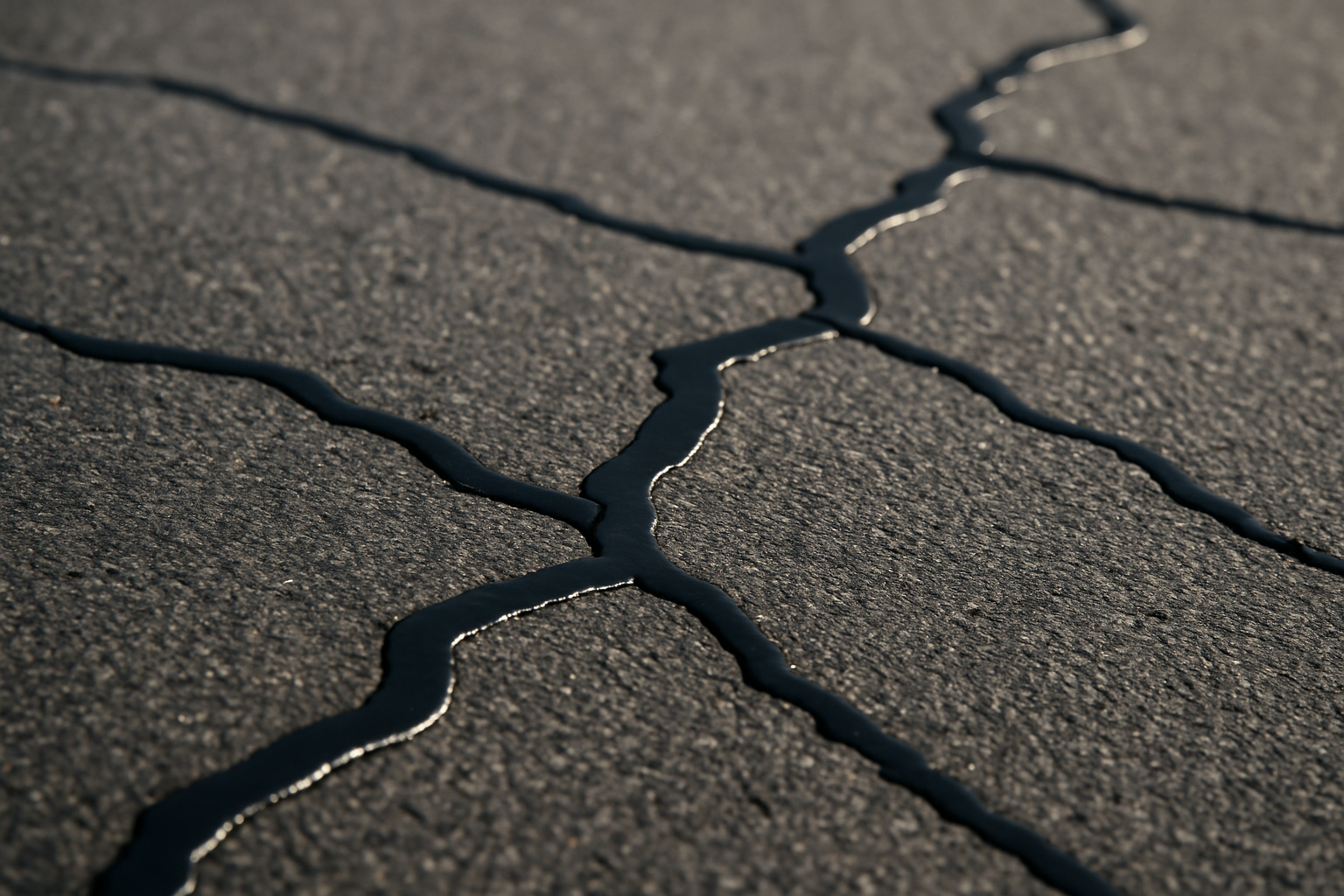
For cracks less than half an inch wide, a flexible concrete caulk or sealant is often the best choice. For wider cracks or small holes, a semi-rigid epoxy or a vinyl-reinforced patching compound is recommended 


  1. Undercutting: For deeper cracks, widen the base slightly (undercutting) to create a mechanical lock for the repair material.
  2. Backer Rod: For deep cracks, insert a foam backer rod to control the depth of the sealant and prevent three-sided adhesion, which can lead to premature failure.
  3. Application: Apply the chosen repair material according to the manufacturer's instructions, ensuring it is slightly overfilled.
  4. Finishing: Use a trowel or a putty knife to smooth the material, making it flush with the surrounding concrete.


Step 3: Addressing Spalling and Surface Damage

Spalling—the flaking or pitting of the concrete surface—is more complex. While patching can offer a temporary fix, spalling often indicates a deeper issue with the concrete mix or freeze-thaw cycles. The most effective long-term solution for widespread spalling is to apply a concrete resurfacer or overlay.

This involves mixing a polymer-modified cement product and spreading a thin layer over the entire damaged area to create a new, smooth surface.


Step 4: The Essential Final Step: Sealing

Once the repairs have cured, the final and most critical step is applying a high-quality, deep-penetrating concrete sealer. Sealing protects your driveway from moisture penetration, freeze-thaw damage, and chemical spills, significantly extending its lifespan.


In Summary

While a DIY approach can address minor issues, professional concrete repair and sealing offer a level of expertise and durability that is hard to match. The longevity of your driveway depends on using the right materials and techniques, especially when dealing with complex issues like spalling.


To ensure your driveway receives the best care and protection, trust the experts at 317 Seal Inc. Learn more about our commitment to quality and service on our
About page. Ready to protect your investment? Get in touch with us today to discuss your concrete sealing needs!


For more information on common issues, you can check out the company's frequently asked questions.

By Kris Fricks May 29, 2026
A well-maintained concrete driveway lasts 25 to 30 years in Indianapolis. Learn what shortens its lifespan and how sealing extends it.
By Kris Fricks May 25, 2026
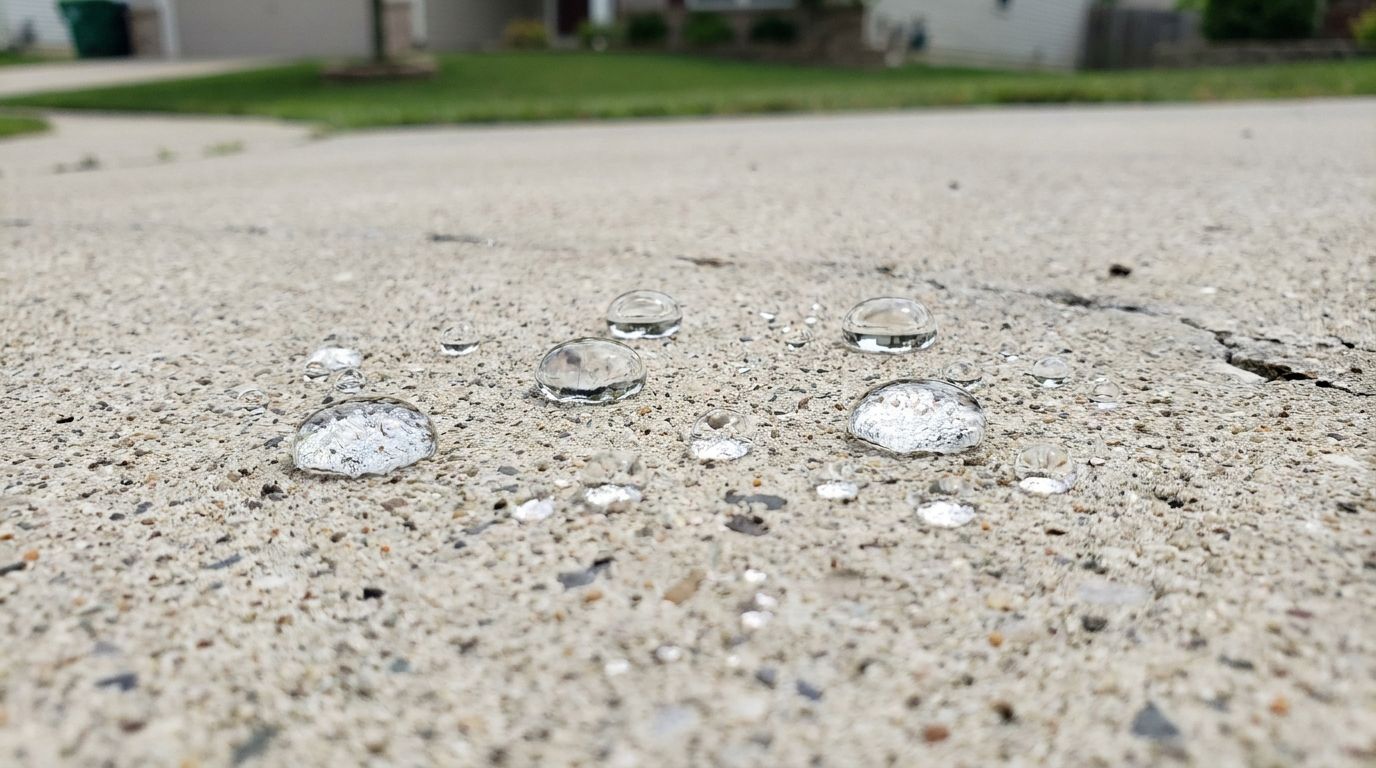
Use these four simple tests to check whether your concrete is sealed before reapplying sealer or scheduling professional concrete care.
By Kris Fricks May 21, 2026
Indianapolis driveways need resealing every 2 to 3 years due to freeze-thaw cycles and road salt. Learn how to tell when yours is due.
By Kris Fricks May 18, 2026
Learn what causes concrete flaking on Indianapolis driveways and when to repair, resurface, or seal to stop the damage from spreading.
By Kris Fricks May 15, 2026
Learn step-by-step methods for removing rust stains from concrete, from DIY solutions like vinegar & oxalic acid to professional stain removal in Indianapolis.
By Kris Fricks May 10, 2026
Find out how long to wait before sealing new concrete, including the best months for concrete sealing in Indianapolis based on cure time and temperature.
By Kris Fricks May 6, 2026
Discover what causes concrete discoloration in Indianapolis and how to fix fading, staining, and uneven color on your driveway or patio.
By Kris Fricks May 2, 2026
Compare sealed vs. unsealed concrete in terms of durability, maintenance, and cost. See how sealing protects Indianapolis driveways from freeze-thaw and salt.
By Kris Fricks April 23, 2026
Concrete sealer lasts 1 to 10 years, depending on the type. See how acrylic, penetrating, and polyurethane sealers hold up in Indiana's climate.
Rough gray concrete wall with peeling patches and weathered texture
By Kris Fricks April 12, 2026
Concrete scaling is surface peeling; spalling runs deeper. Learn how to tell them apart, what causes each in Indiana, and when to repair or seal.
Show More