Driveway Concrete Pressure Cleaning: Benefits and Best Practices

Kris Fricks • November 3, 2025

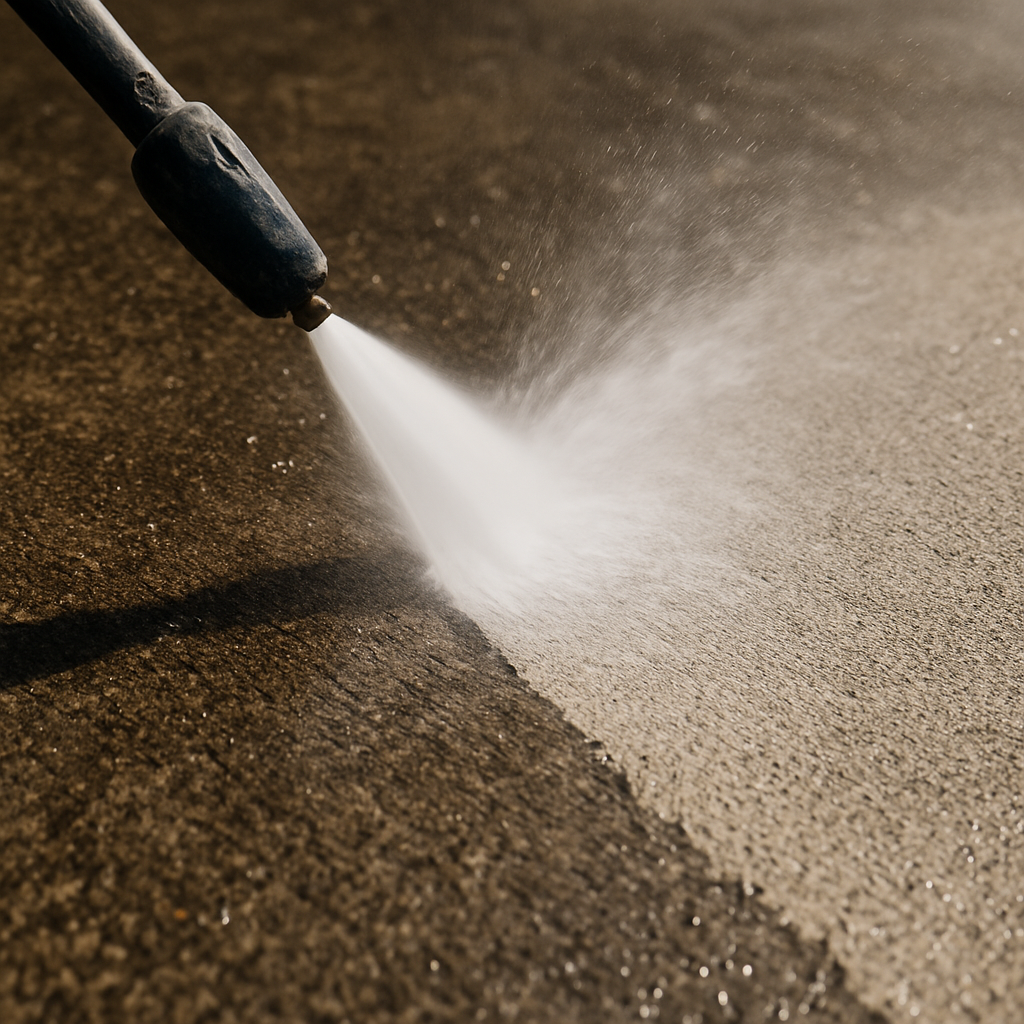
Your concrete driveway is the welcome mat to your home, but over time, it can accumulate a host of unsightly and damaging substances: oil stains, tire marks, dirt, grime, and organic growth like mold and mildew. This accumulation not only detracts from your home's curb appeal but can also compromise the integrity of the concrete itself. The solution is simple yet powerful: driveway concrete pressure cleaning.


For a truly deep and professional clean that prepares your concrete for sealing and long-term protection,
317 Seal Inc. offers expert services. Understanding the value of this maintenance step is the first step toward a cleaner, safer, and more beautiful property.


The Key Benefits of Pressure Cleaning Your Driveway

Regular pressure cleaning is more than just a cosmetic fix; it is a vital part of concrete maintenance that offers several tangible benefits.

Benefit Description
Enhanced Curb Appeal Instantly removes years of built-up dirt and stains, making your entire property look cleaner and newer.
Increased Safety Eliminates slippery organic growths like mold, mildew, and algae, reducing the risk of slips and falls.
Preventative Maintenance Removes corrosive substances like oil, grease, and chemicals that can break down the concrete surface over time.
Preparation for Sealing Creates a perfectly clean, porous surface, allowing sealants to penetrate deeply and bond effectively for maximum protection.
Weed Control The high-pressure water can remove small weeds and moss growing in cracks and expansion joints, slowing their return.

Best Practices for Effective and Safe Pressure Cleaning

While the benefits are clear, improper pressure cleaning can damage your concrete, leading to etching or stripping. Following best practices is essential for a safe and effective clean.


1. Choose the Right Equipment and Pressure

Concrete is durable, but it can be damaged by excessive pressure. Experts recommend using a pressure washer with a rating between 2000 and 3000 PSI. Crucially, the type of nozzle matters:


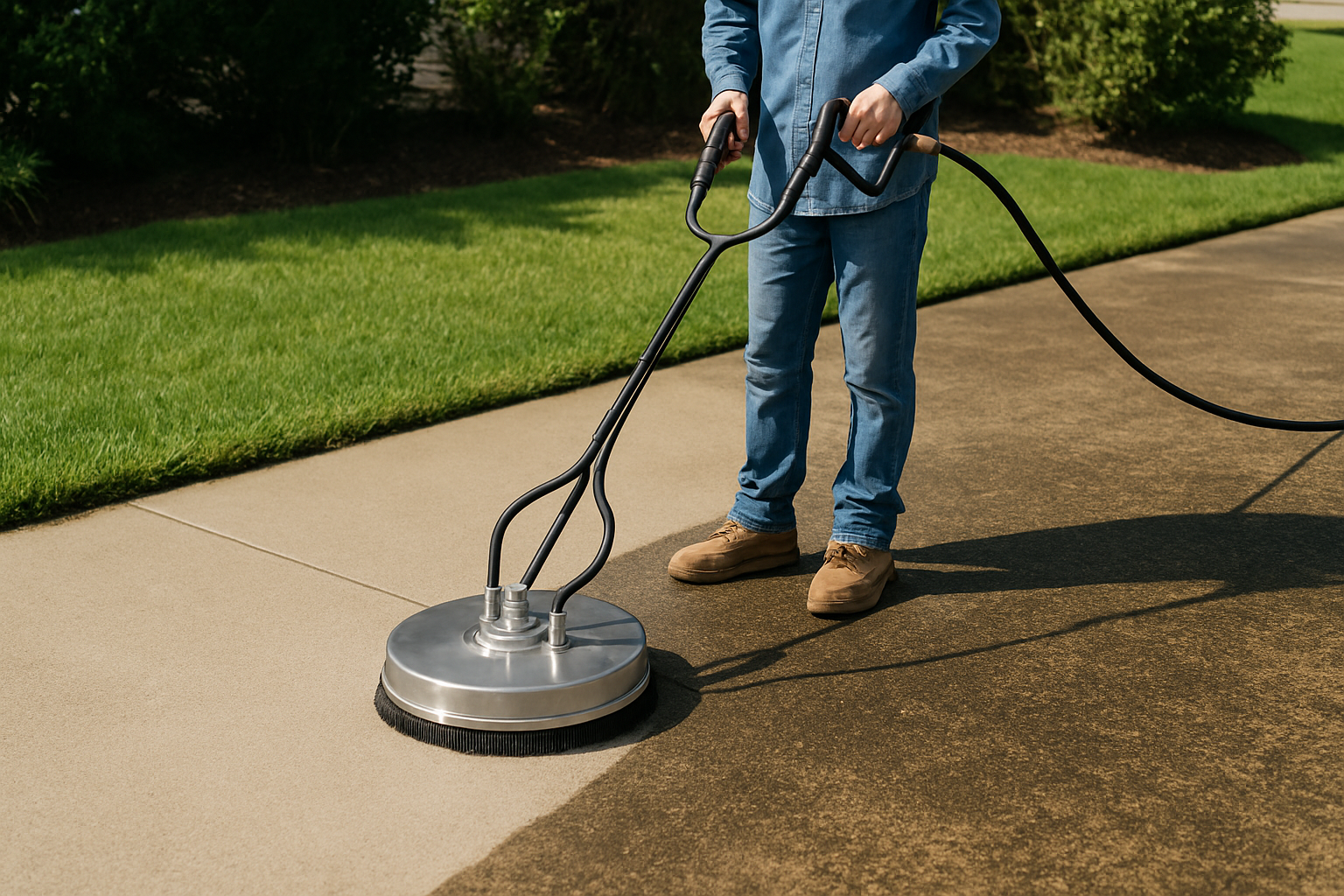
  • Surface Cleaner Attachment: This is the most efficient tool for large, flat areas. It distributes the pressure evenly, preventing the "zebra stripes" that a wand can leave.
  • Nozzle Tips: If using a wand, avoid the zero-degree (red) and 15-degree (yellow) tips, which concentrate too much force. The 25-degree (green) or 40-degree (white) tips are safer for concrete. 


2. Pre-Treat Stains and Apply Cleaning Solution 

For heavily stained areas, especially oil or rust marks, a simple water spray is not enough. Pre-treat the area with a concrete-safe degreaser or cleaning solution. Allow the solution to dwell for 10-15 minutes to break down the contaminants before rinsing. 


3. Maintain Consistent Technique

Start cleaning at the highest point of the driveway and work your way down, allowing the dirty water to flow away from your work area. Hold the wand at a consistent distance (about 12 inches) from the surface and use smooth, overlapping strokes to ensure an even clean.


The Bottomline 

Driveway concrete pressure cleaning is a non-negotiable step in maintaining the beauty and longevity of your concrete. It removes the hazards and eyesores that accumulate over time, and it is the perfect precursor to applying a protective sealant.


For professional-grade cleaning and sealing that guarantees a flawless finish and maximum protection, turn to the experts at 317 Seal Inc. We use industry-leading equipment and techniques to revitalize your concrete. To learn more about our process and commitment to quality, check our FAQs
. 


Ready to restore your driveway's pristine look?
Contact us today to schedule your service!

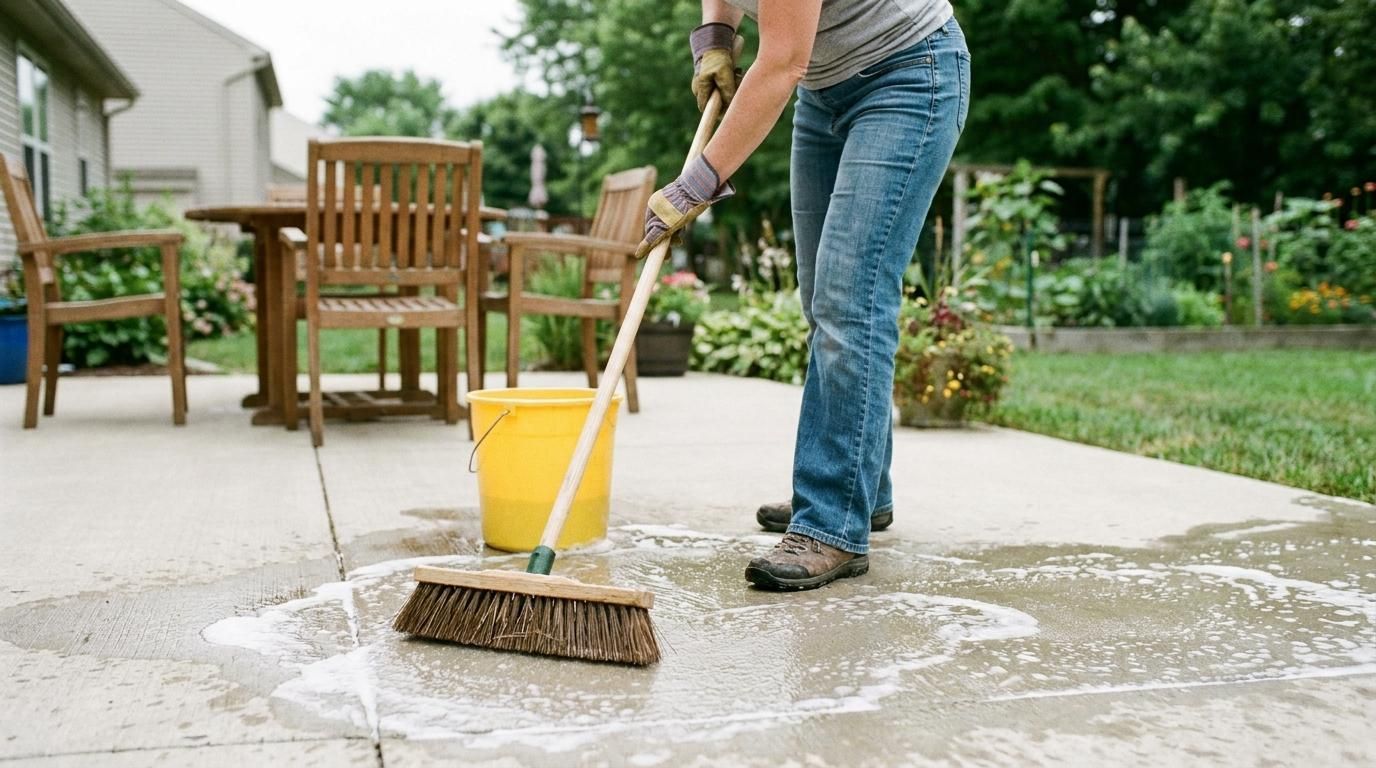
How to clean a concrete patio DIY methods
By Kris Fricks June 29, 2026
Learn how to clean a concrete patio with DIY methods for grime and algae, how to handle tough stains, and when to call an Indianapolis pro to clean and seal it.
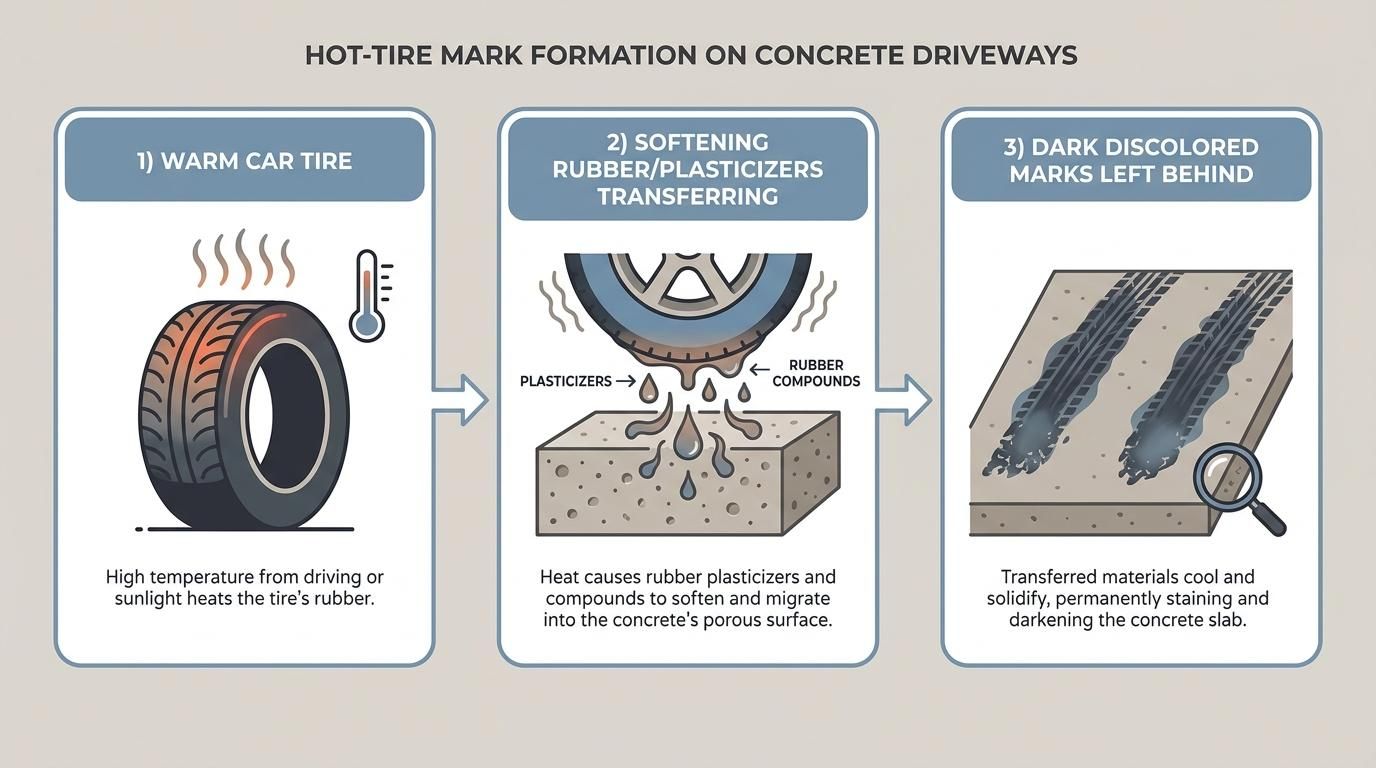
What causes tire marks on concrete
By Kris Fricks June 25, 2026
Learn how to remove tire marks from your concrete driveway in Indianapolis with degreasers, scrubbing, and pressure washing, plus how sealing keeps them from returning.
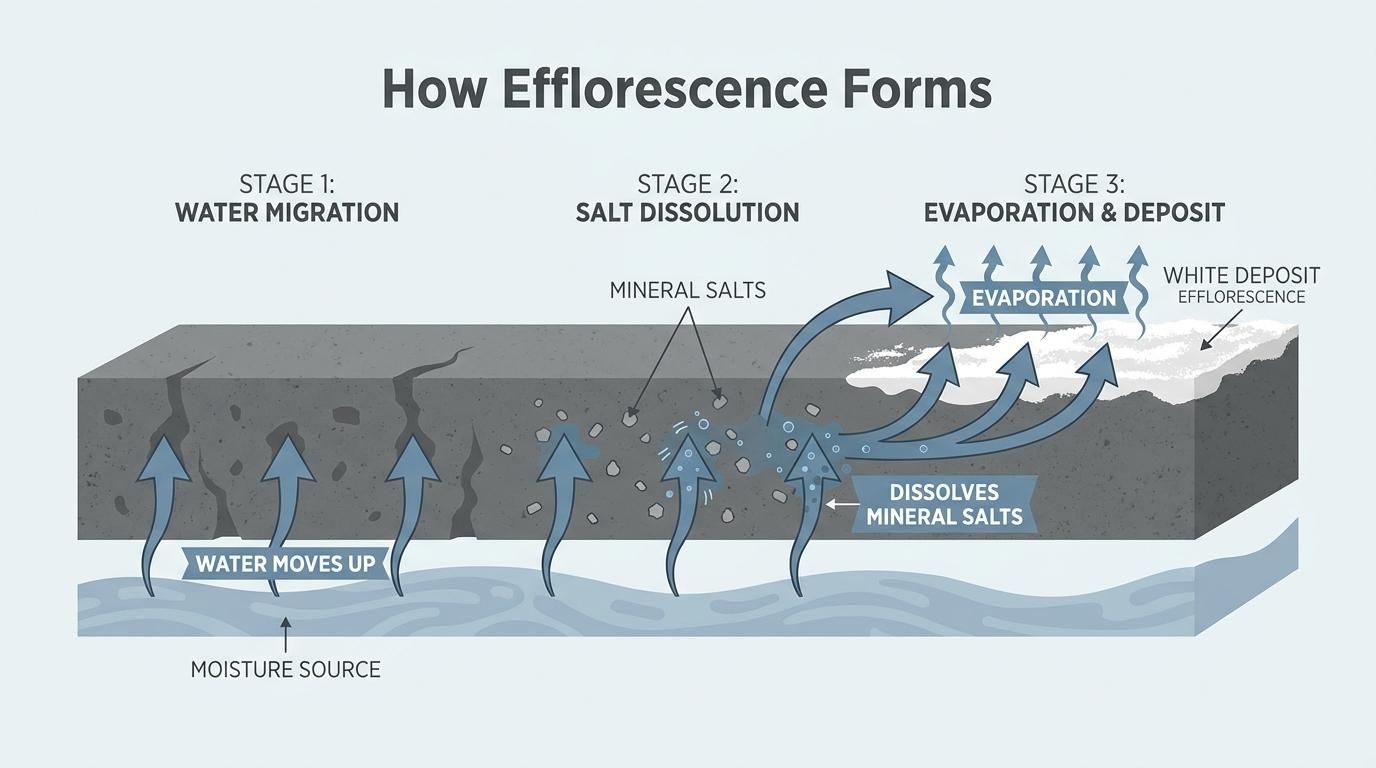
What causes efflorescence on concrete
By Kris Fricks June 21, 2026
What is efflorescence on concrete? Learn what causes the white haze, how to remove it step by step, and how sealing prevents it from returning in Indianapolis.
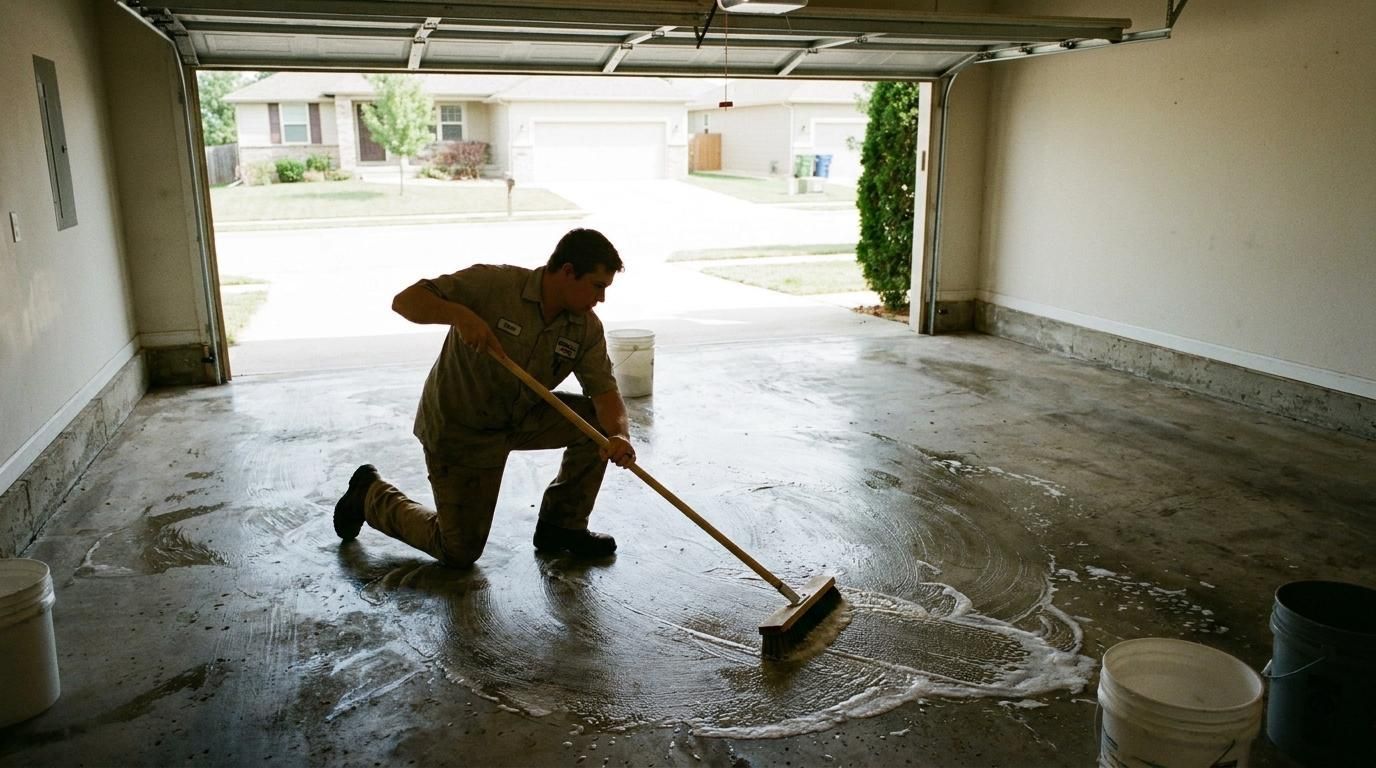
How to clean a concrete garage floor step by step
By Kris Fricks June 18, 2026
Learn how to clean a concrete garage floor step by step, tackle oil, salt, and rust stains, and keep it low-maintenance with sealing. Indianapolis pro tips.
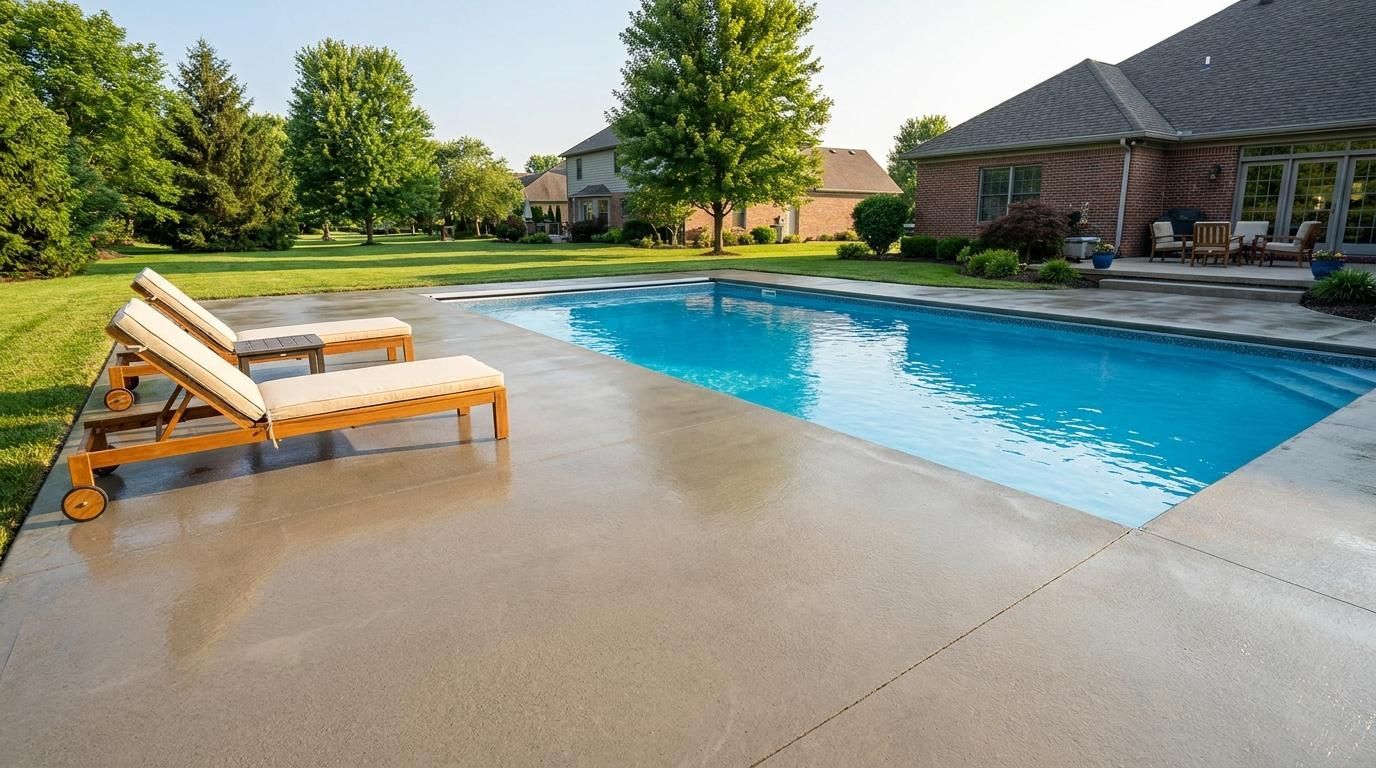
Why pool decks need sealing before summer
By Kris Fricks June 15, 2026
Pool deck sealing in Indianapolis protects concrete from chlorine, splash-out, UV, and freeze-thaw. Learn why to seal before summer and how often to reseal.
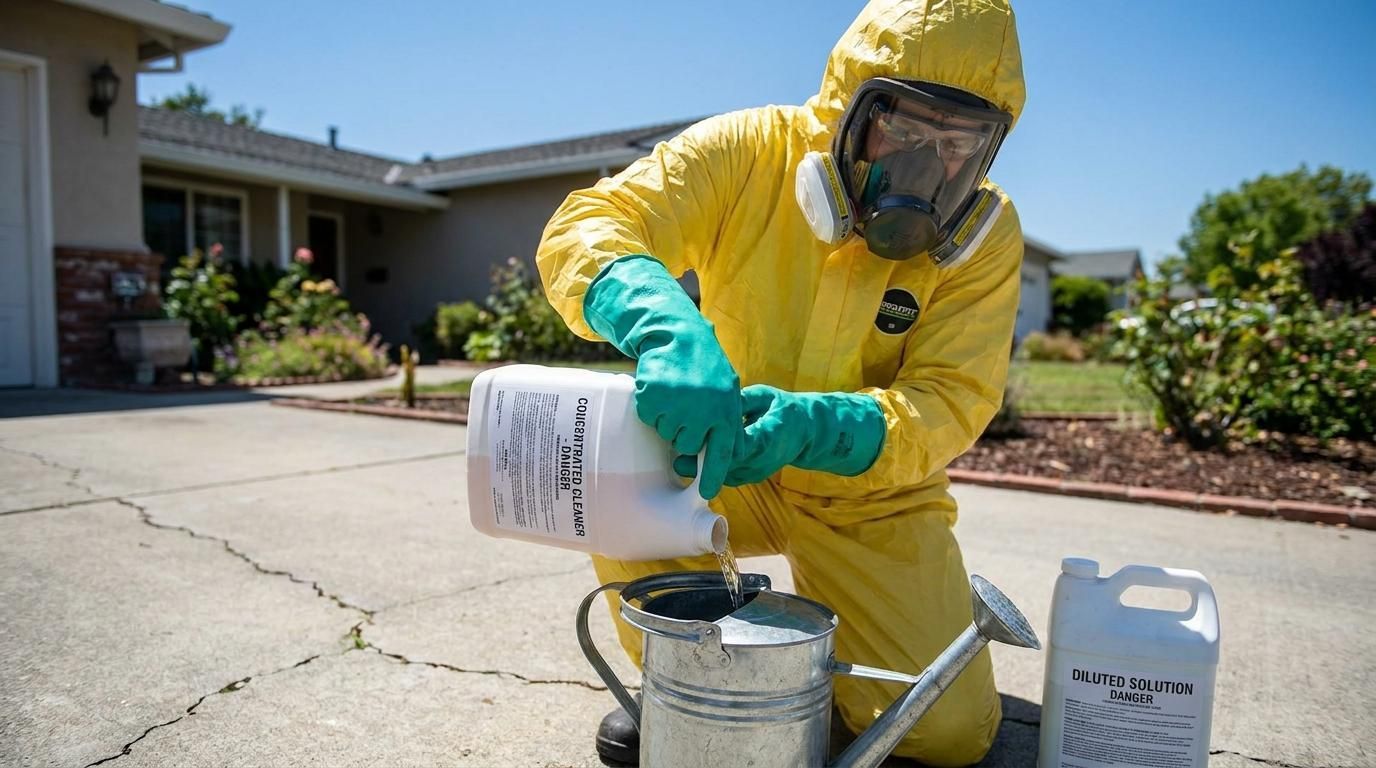
Is muriatic acid safe to use on concrete
By Kris Fricks June 10, 2026
Is muriatic acid safe on concrete? Learn when to use it, how to apply it safely, and the gentler alternatives most Indianapolis driveways and patios actually need.
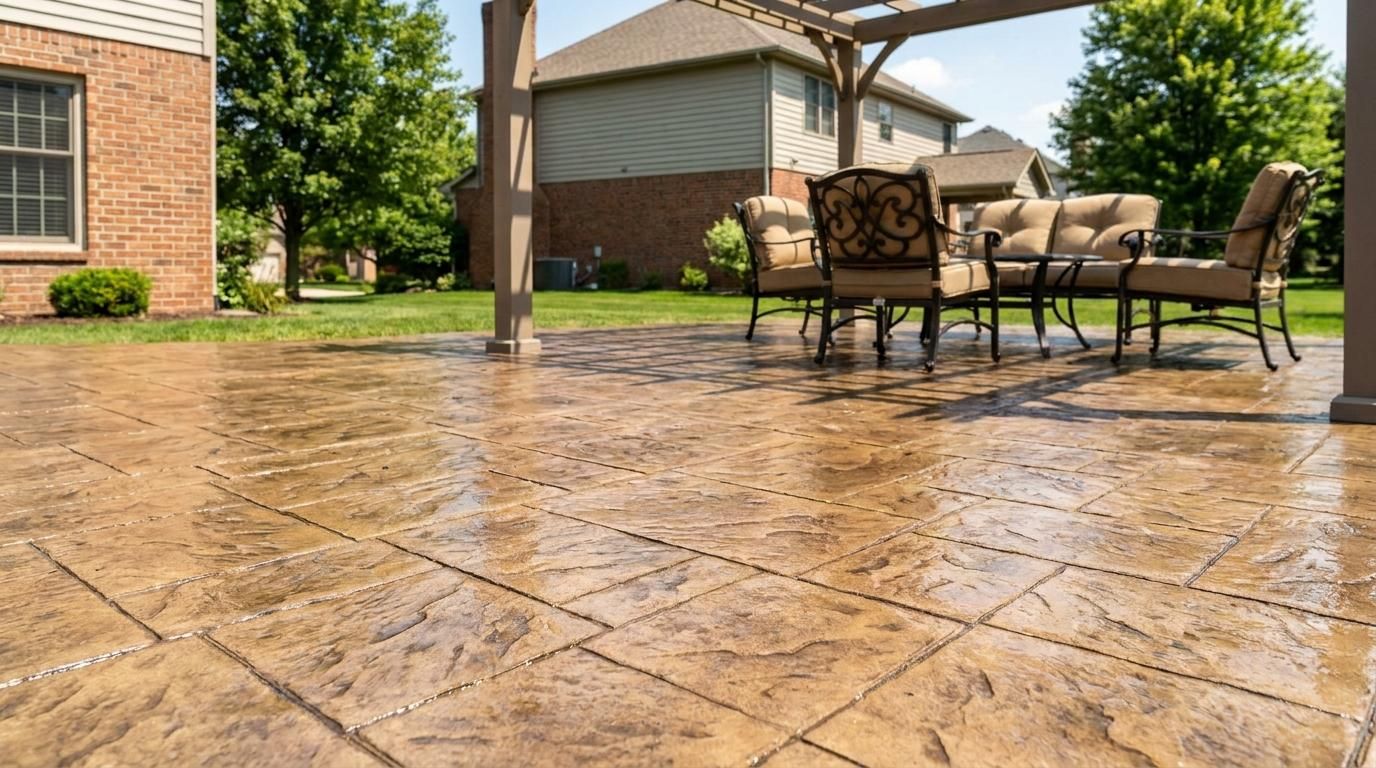
Types of stamped concrete sealer compared
By Kris Fricks June 6, 2026
Compare the best stamped concrete sealers for Indianapolis driveways and patios: acrylic, polyurethane, and penetrating. See which holds up to freeze-thaw and sun.
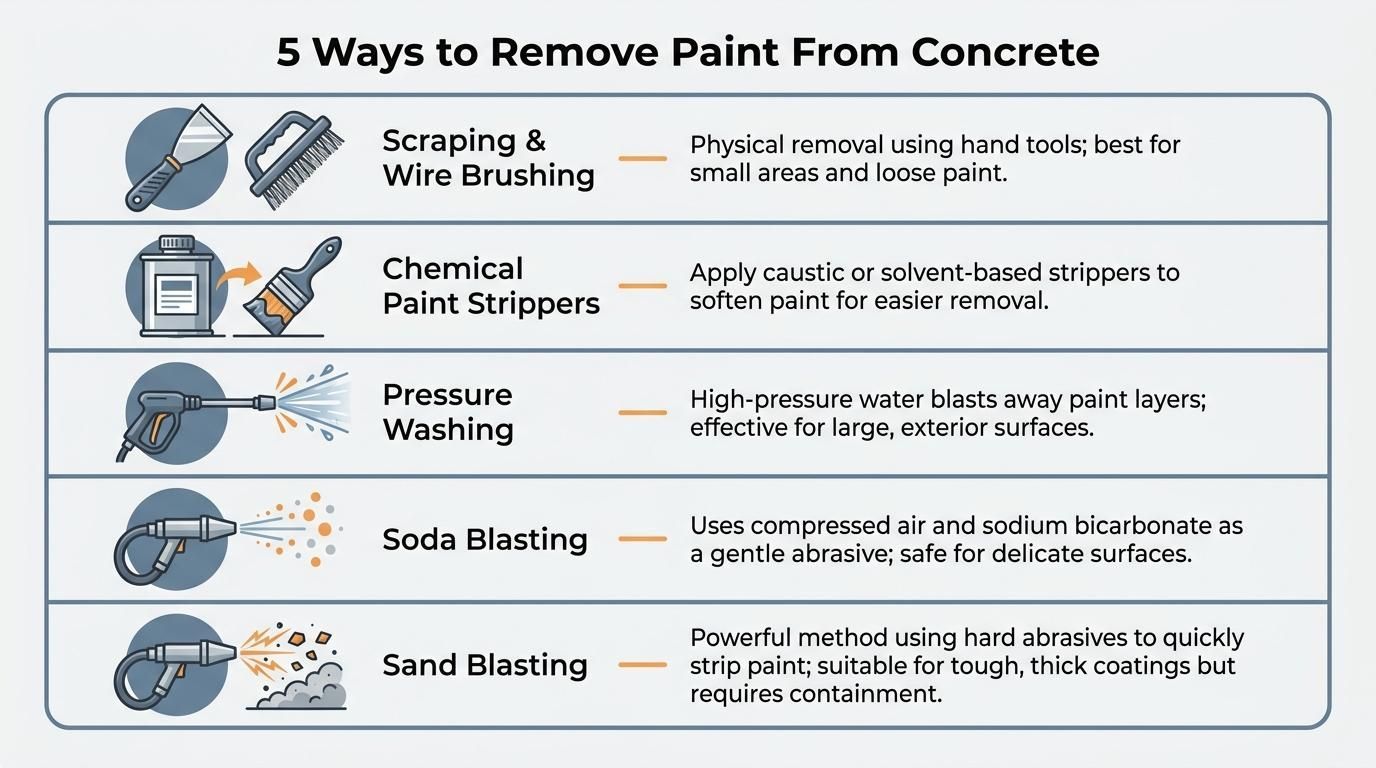
5 methods to remove paint from concrete
By Kris Fricks June 2, 2026
Learn how to remove paint from concrete with 5 methods Indianapolis pros use, from chemical strippers to sand blasting, plus when to call 317 Seal Inc.
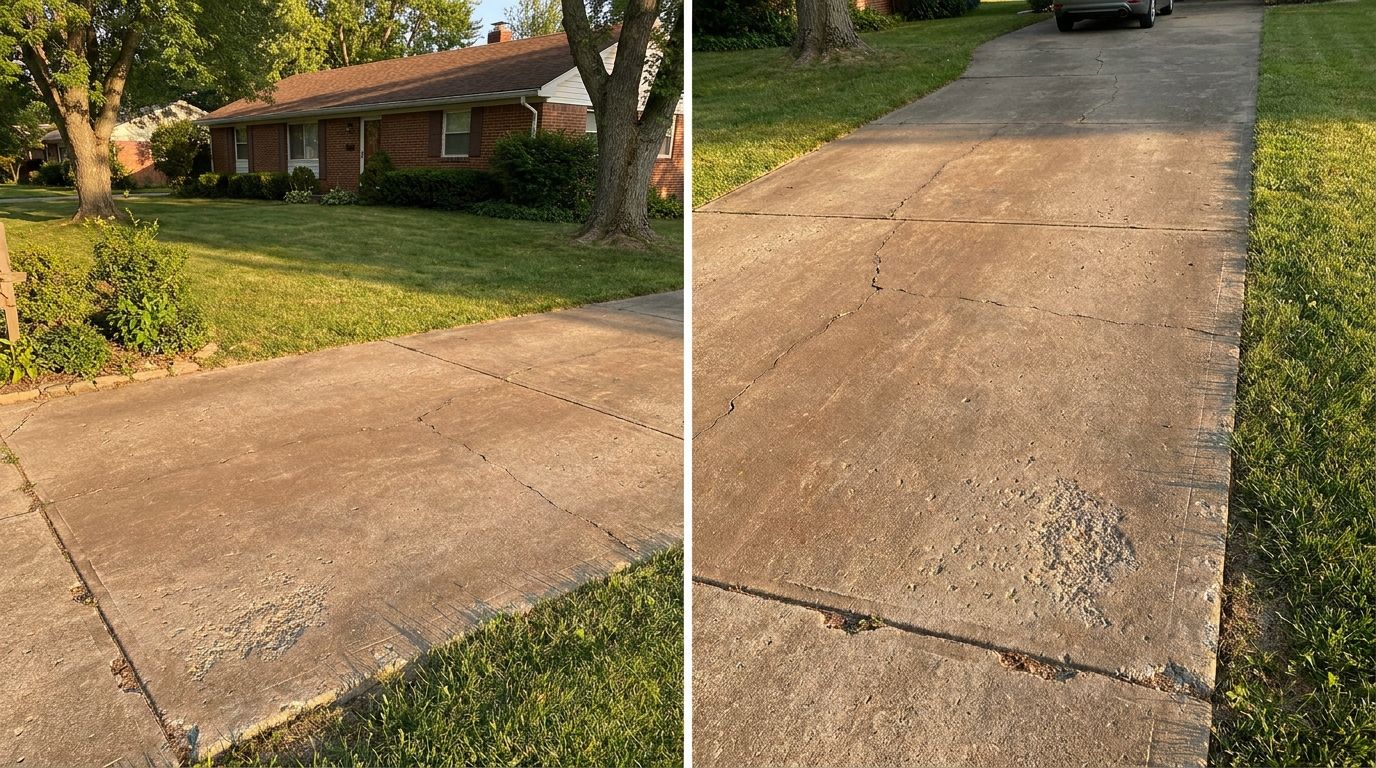
By Kris Fricks May 29, 2026
A well-maintained concrete driveway lasts 25 to 30 years in Indianapolis. Learn what shortens its lifespan and how sealing extends it.
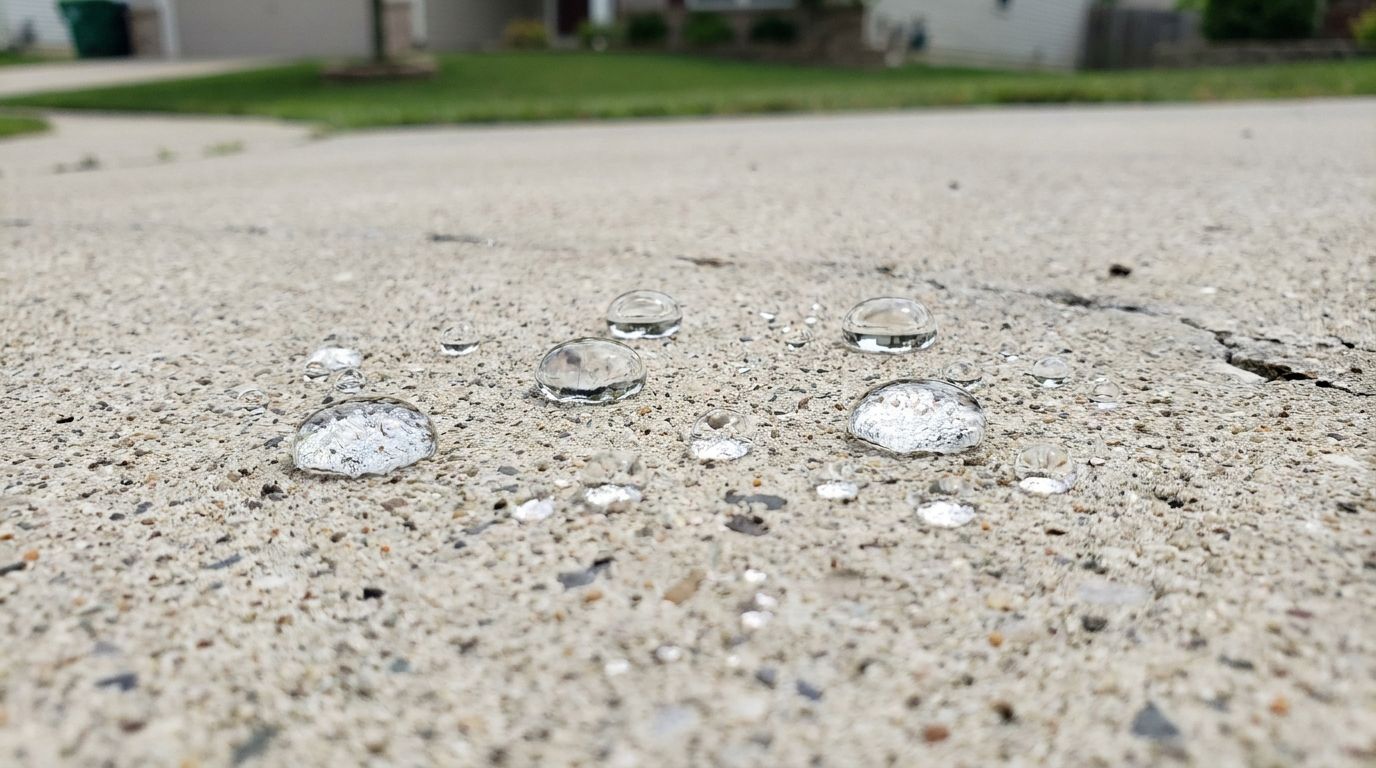
By Kris Fricks May 25, 2026
Use these four simple tests to check whether your concrete is sealed before reapplying sealer or scheduling professional concrete care.
Show More