Sealed vs. Unsealed Concrete: What Homeowners Need to Know

Kris Fricks • May 2, 2026

Sealed concrete blocks water, road salt, and UV damage at the surface; unsealed concrete absorbs them all. The difference shows up over five to ten years as cracking, spalling, and discoloration that costs significantly more to repair than sealing would have prevented. Indianapolis weather makes that gap wider than it would be in milder climates: salt-treated winter roads, freeze-thaw cycles that push moisture into pores, and summer UV that breaks down unprotected surfaces.

Most Indianapolis homeowners who skip sealing pay more for crack repair and replacement than the sealer would have cost. After sealing countless driveways and patios across Indianapolis since 2016, 317 Seal has watched this failure play out on enough unsealed slabs to recognize which ones could have been protected for a fraction of the eventual repair bill. This blog post discusses how each option holds up to Indianapolis weather, the long-term cost difference between them, and what to look for when you're ready to seal.

How Sealed and Unsealed Concrete Respond to Indianapolis Weather

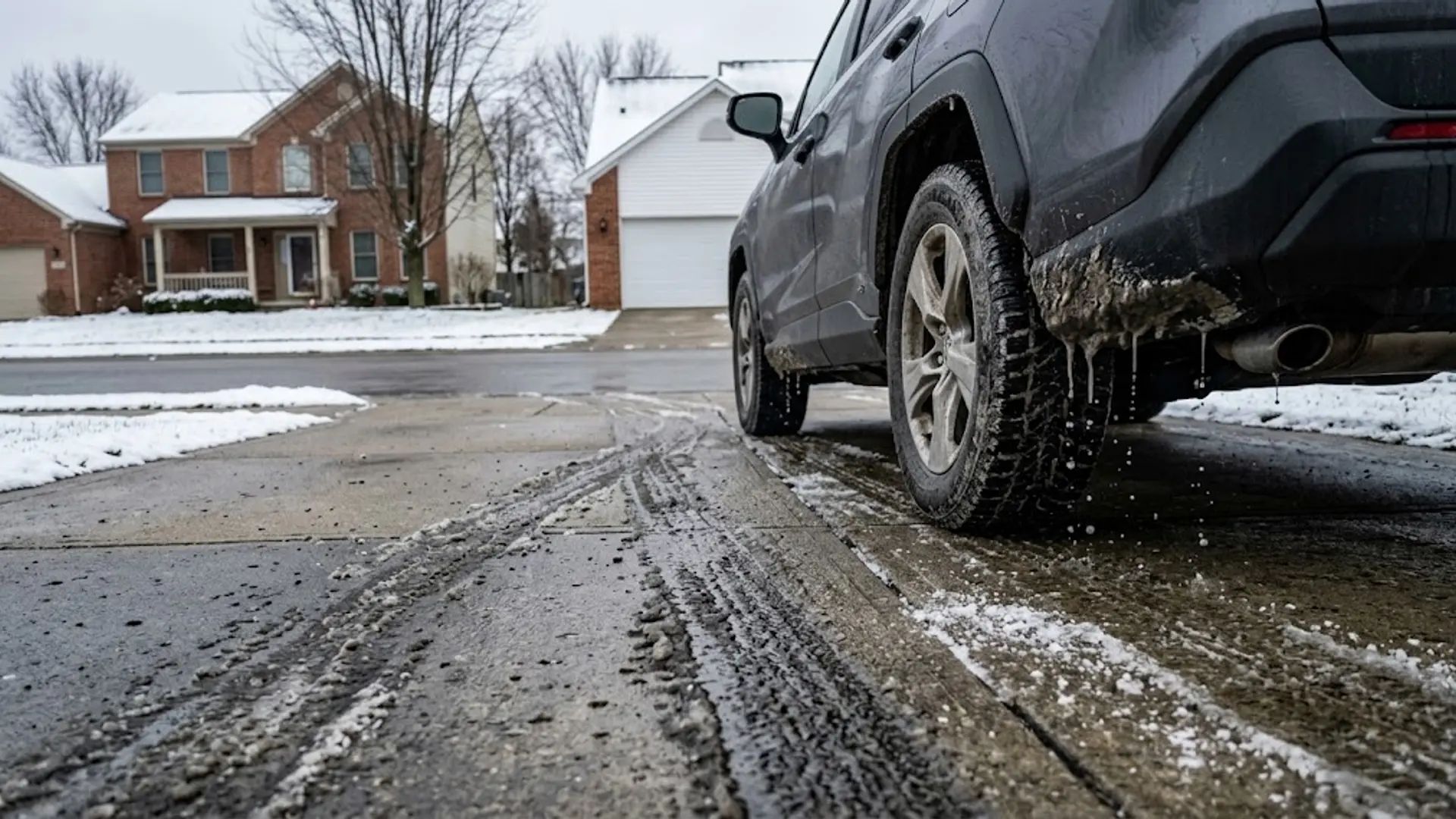
Indianapolis averages over 40 inches of rain per year and endures dozens of freeze-thaw cycles between November and March. The Indiana Department of Transportation applies thousands of tons of road salt each winter, and that salt tracks directly onto residential driveways and commercial walkways. That combination hits unprotected concrete harder than most homeowners expect.

What Happens to Unsealed Concrete

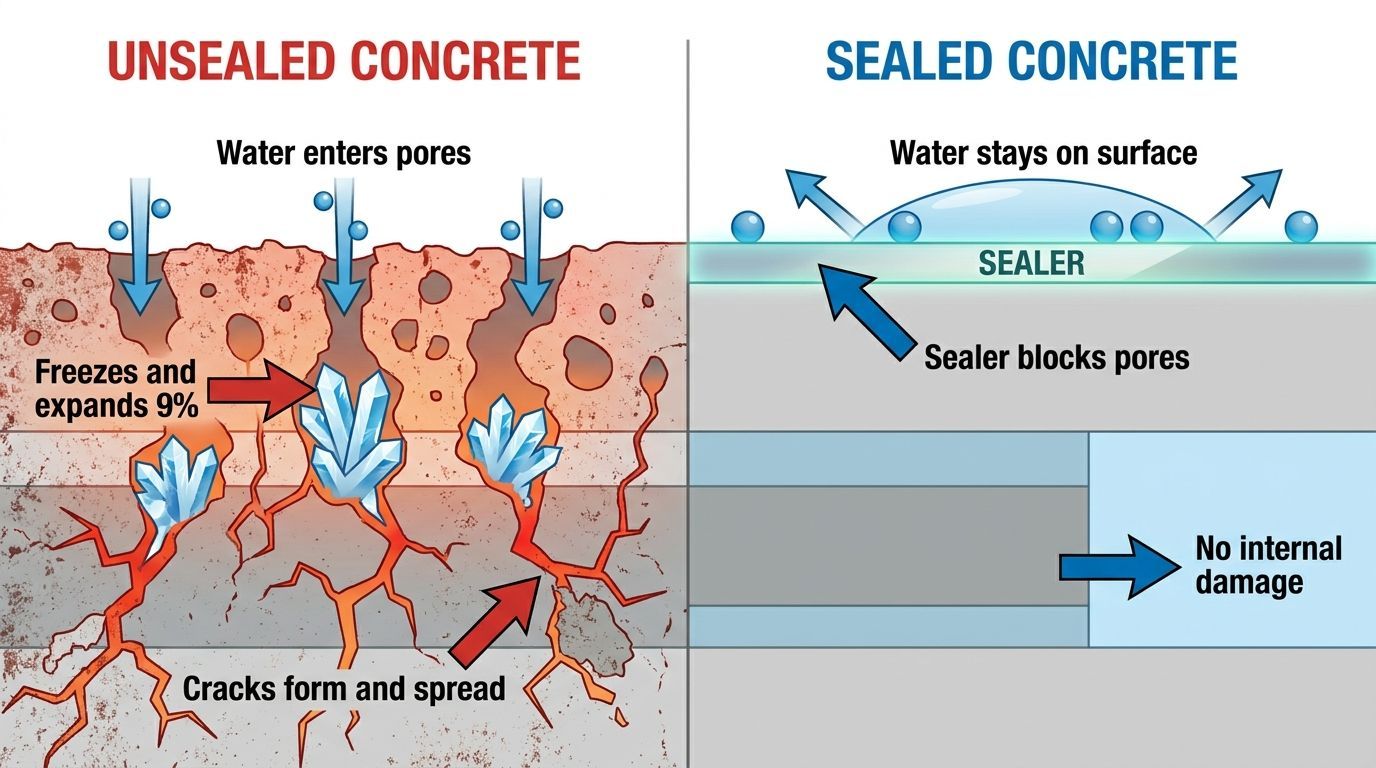
Rainwater soaks through surface pores, pools inside the slab, and freezes. Ice expands by about 9% in volume, opening micro-cracks wider every cycle. Road salt compounds the damage by dissolving the calcium compounds that hold the cement paste together. The result after a few Indiana winters: scaling along the edges, shallow pitting across flat sections, and surface flaking that spreads season over season. Once those cracks connect, water reaches deeper layers and the damage accelerates.

What Happens to Sealed Concrete

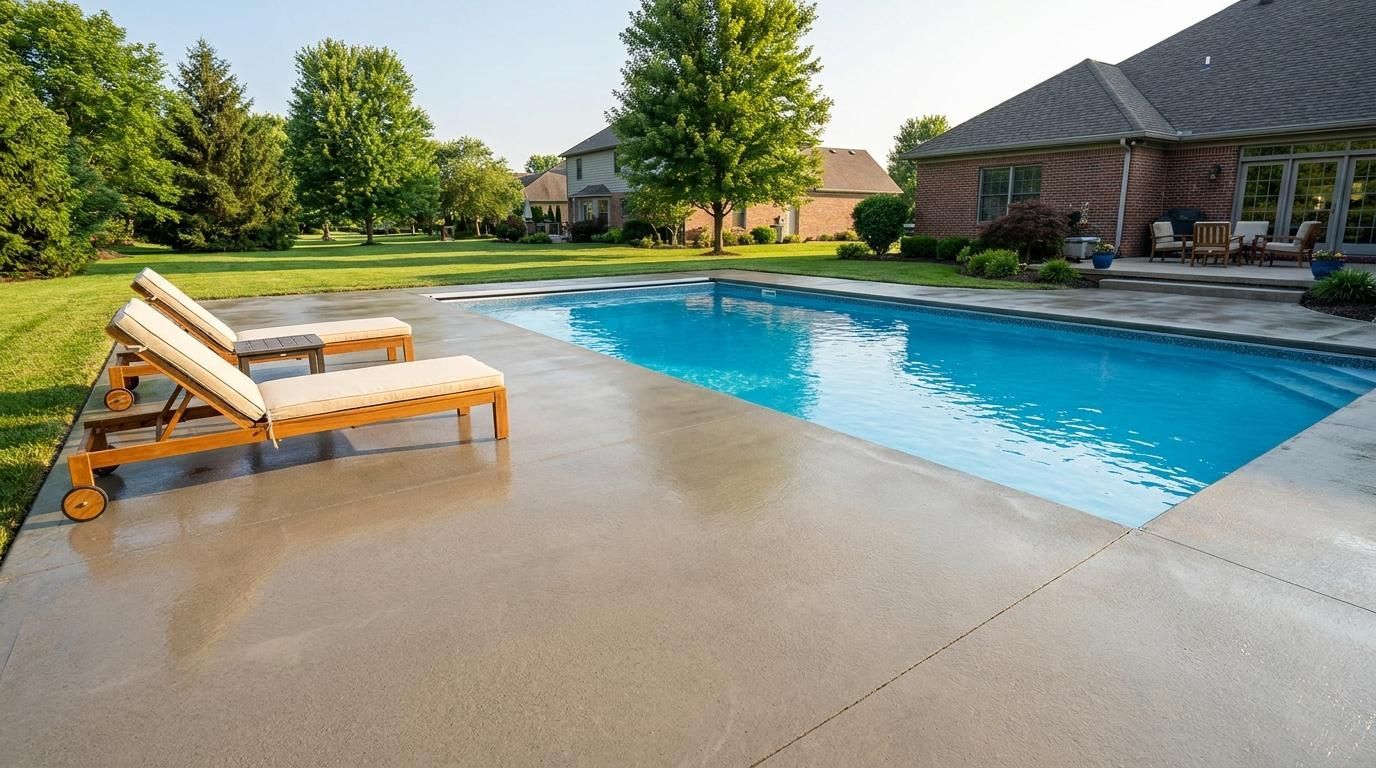
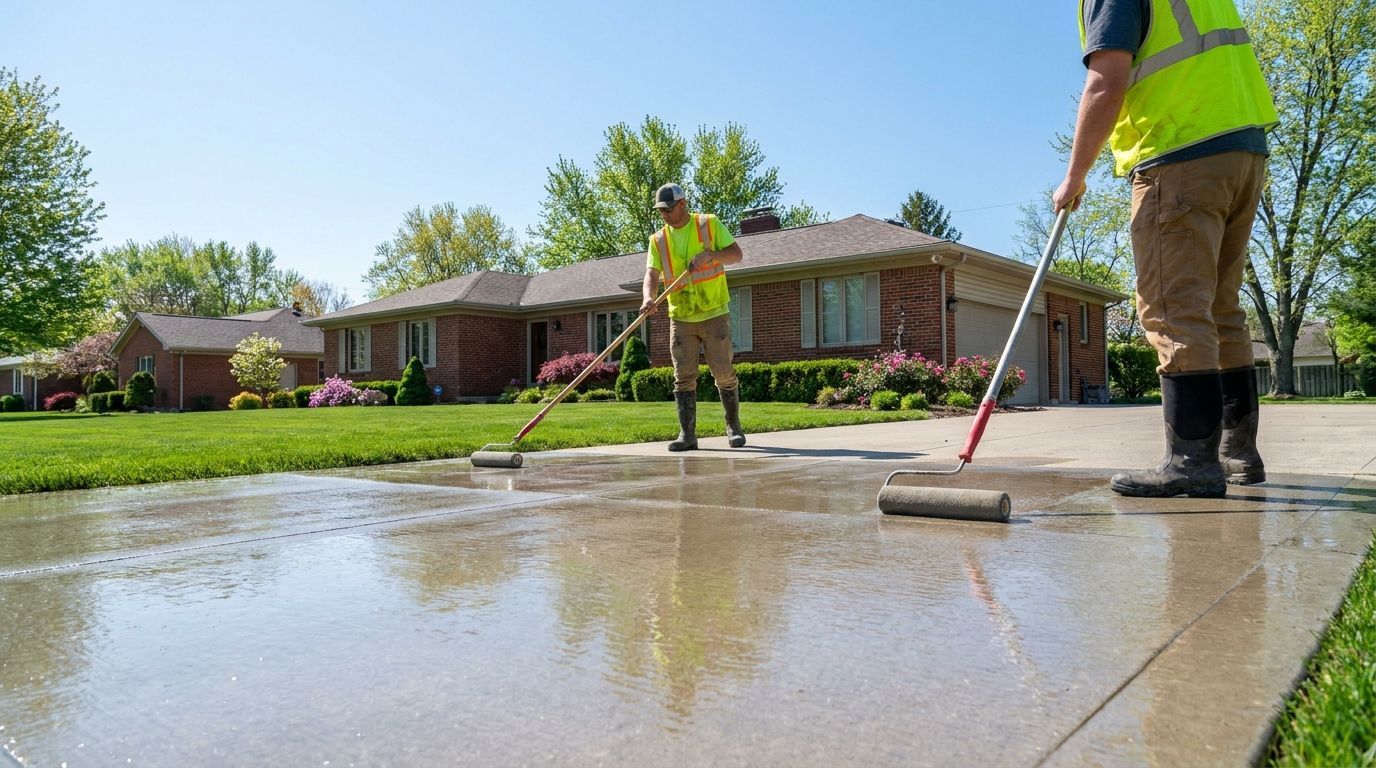
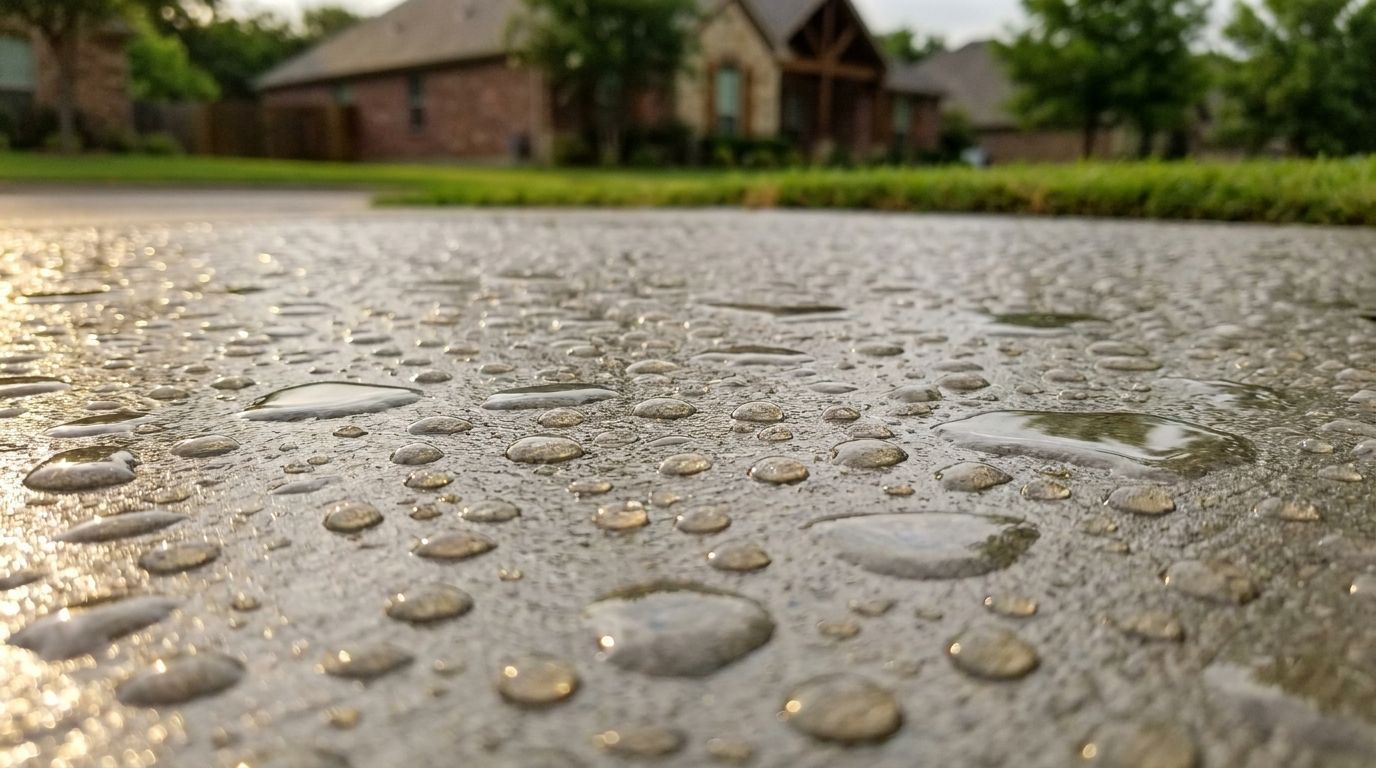
A penetrating sealer fills the pores below the surface and blocks water from entering. Road salt and de-icers sit on top instead of soaking in. The internal structure stays dry through freeze-thaw cycles, which is why sealed driveways hold their shape and finish significantly longer. Knowing what sealing does to concrete explains why Indianapolis contractors, including 317 Seal, recommend it as the first line of defense against winter damage. A properly maintained sealed driveway in Central Indiana can last 25 to 30 years.

Maintenance and Long-Term Cost Differences

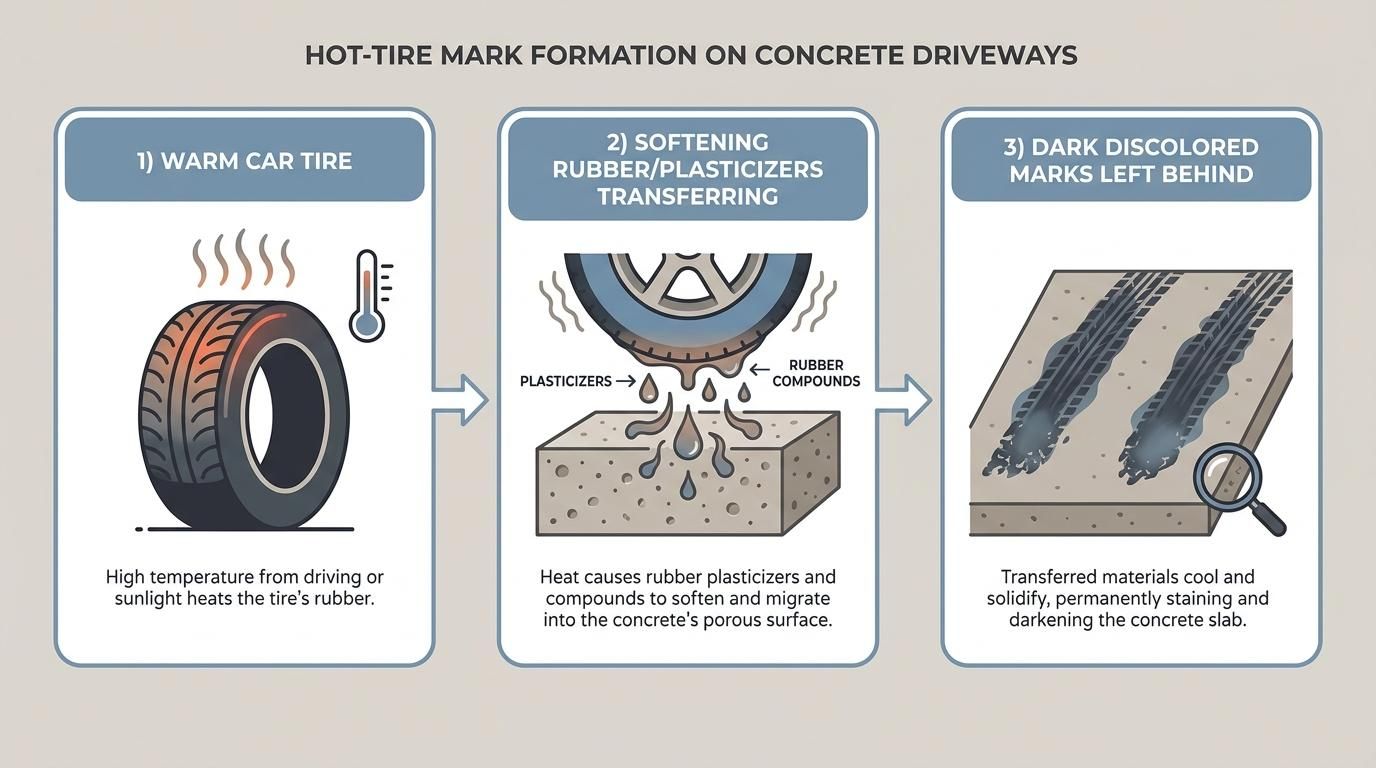
The difference shows up in your maintenance calendar and your wallet. Unsealed concrete demands more frequent cleaning, more patching, and more professional attention over its lifetime. Oil drips, leaf tannins, and tire marks absorb into open pores and stain permanently. Sealed surfaces wipe clean because contaminants sit on the barrier, not inside the slab.

Sealing Cost vs. Replacement Cost

Professional concrete sealing in Indianapolis typically runs $1 to $3 per square foot. For a standard two-car driveway of about 500 to 600 square feet, that's roughly $575 to $1,700 per application. Resealing every two to three years keeps the barrier intact. Compare that to full driveway replacement, which runs $5,000 to $10,000 or more once freeze-thaw damage cracks through the slab. The math favors sealing by a wide margin over a 20-year span.

Appearance Over Time

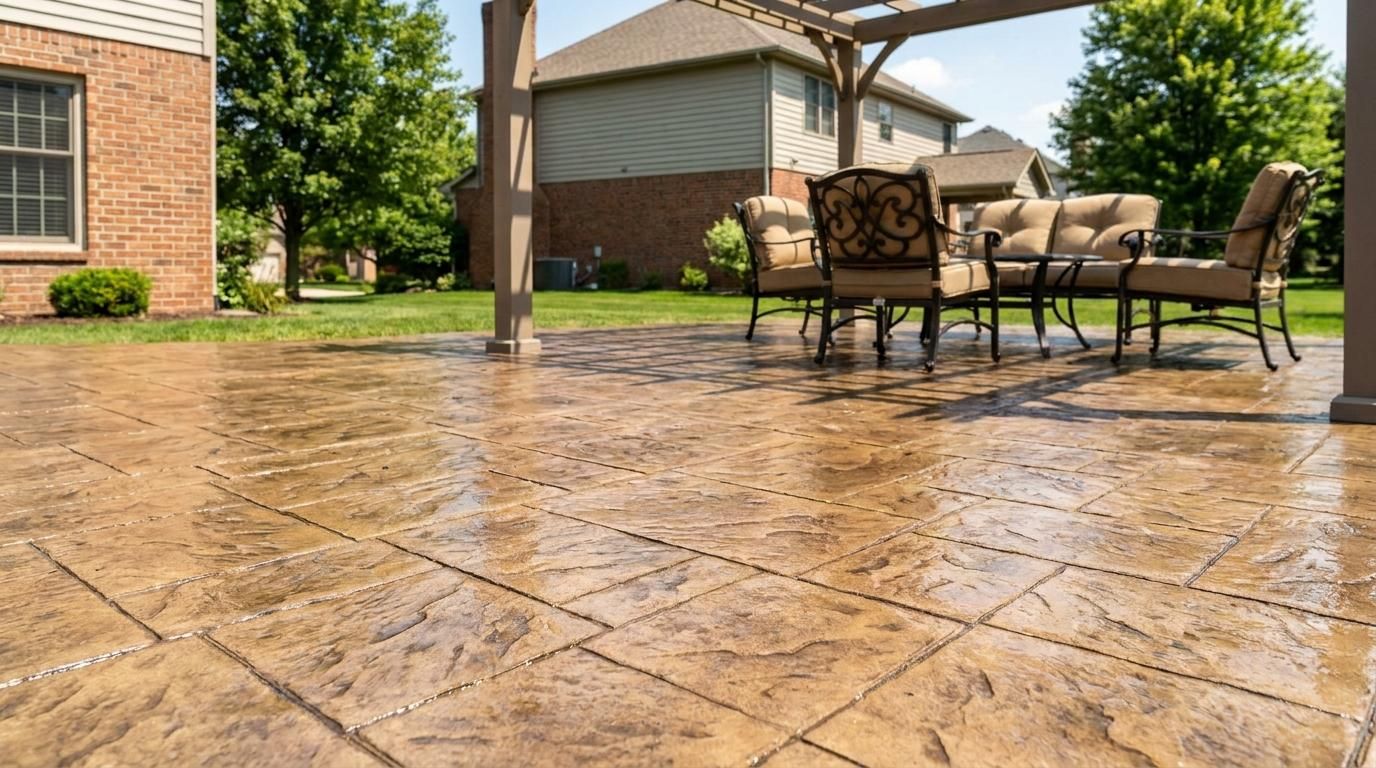
Unsealed concrete fades unevenly as UV breaks down the surface paste. Moisture settles into pores and feeds organic growth, leaving dark streaks and green patches in shaded sections near trees or fences. Sealed concrete resists these changes because the sealer blocks moisture and slows UV degradation. A sealed patio in Avon or a sealed driveway on the north side of Indianapolis still looks clean and consistent after five years. An unsealed one in the same neighborhood often looks decades older after just two winters.

Frequently Asked Questions

Does sealed concrete last longer than unsealed concrete?

Sealed concrete typically lasts 25 to 30 years with resealing every two to three years. Unsealed concrete in Indianapolis often shows serious surface damage within 10 to 15 years due to freeze-thaw cycles and road salt penetration. 317 Seal Inc. recommends sealing as the most effective way to extend concrete surface life in Central Indiana.

Can you seal concrete that's already showing damage?

Minor cracks and surface scaling can be repaired before sealing. The concrete repair process patches existing damage and prepares the surface so the sealer bonds properly. If deterioration runs deeper than surface-level wear (crumbling edges, exposed aggregate, wide structural cracks), a professional assessment determines whether repair or full replacement makes more sense.

What type of sealer works best for Indianapolis driveways?

Penetrating sealers absorb into the concrete and protect from within, making them effective against road salt and freeze-thaw in the Indianapolis climate. Film-forming sealers add a visible sheen and extra stain resistance on top of the surface. The right choice depends on the driveway's current condition, traffic volume, and how much UV exposure it gets.

The Sealer Costs Less Than the Crack Repair It Prevents

One sealing application protects the surface for two to three years. One missed application starts the freeze-thaw damage that turns a $700 reseal into a $7,000 driveway replacement five years later. Every Indianapolis winter that passes without sealing makes the eventual repair bill higher.

Call 317 Seal at (833) 317-7325 or request a free estimate online for your driveway, patio, or commercial walkway. We'll inspect the slab, identify the sealer that fits your concrete's age and condition, and quote the work before the next freeze cycle starts the damage.

By Kris Fricks May 29, 2026
A well-maintained concrete driveway lasts 25 to 30 years in Indianapolis. Learn what shortens its lifespan and how sealing extends it.
By Kris Fricks May 25, 2026
Use these four simple tests to check whether your concrete is sealed before reapplying sealer or scheduling professional concrete care.
By Kris Fricks May 21, 2026
Indianapolis driveways need resealing every 2 to 3 years due to freeze-thaw cycles and road salt. Learn how to tell when yours is due.
By Kris Fricks May 18, 2026
Learn what causes concrete flaking on Indianapolis driveways and when to repair, resurface, or seal to stop the damage from spreading.
By Kris Fricks May 15, 2026
Learn step-by-step methods for removing rust stains from concrete, from DIY solutions like vinegar & oxalic acid to professional stain removal in Indianapolis.
By Kris Fricks May 10, 2026
Find out how long to wait before sealing new concrete, including the best months for concrete sealing in Indianapolis based on cure time and temperature.
By Kris Fricks May 6, 2026
Discover what causes concrete discoloration in Indianapolis and how to fix fading, staining, and uneven color on your driveway or patio.
By Kris Fricks April 23, 2026
Concrete sealer lasts 1 to 10 years, depending on the type. See how acrylic, penetrating, and polyurethane sealers hold up in Indiana's climate.
Rough gray concrete wall with peeling patches and weathered texture
By Kris Fricks April 12, 2026
Concrete scaling is surface peeling; spalling runs deeper. Learn how to tell them apart, what causes each in Indiana, and when to repair or seal.
Two workers power washing a concrete patio beside a townhouse backyard with chairs and a lawn
By Kris Fricks April 6, 2026
Concrete sealing in Indianapolis costs $1.50 to $4.50 per square foot. Get 2026 pricing by surface type, sealer grade, and project size.
Show More