Concrete Driveway Maintenance: 6 Tips to Keep It Looking New

Kris Fricks • March 4, 2026

Concrete driveway maintenance in Indianapolis means more than an occasional rinse. Freeze-thaw cycles, road salt, and over 40 inches of annual rain put Central Indiana concrete under stress most homeowners in milder climates never deal with. 317 Seal Inc. has protected hundreds of driveways since 2016. Our handy tips reflect what actually keeps concrete intact.


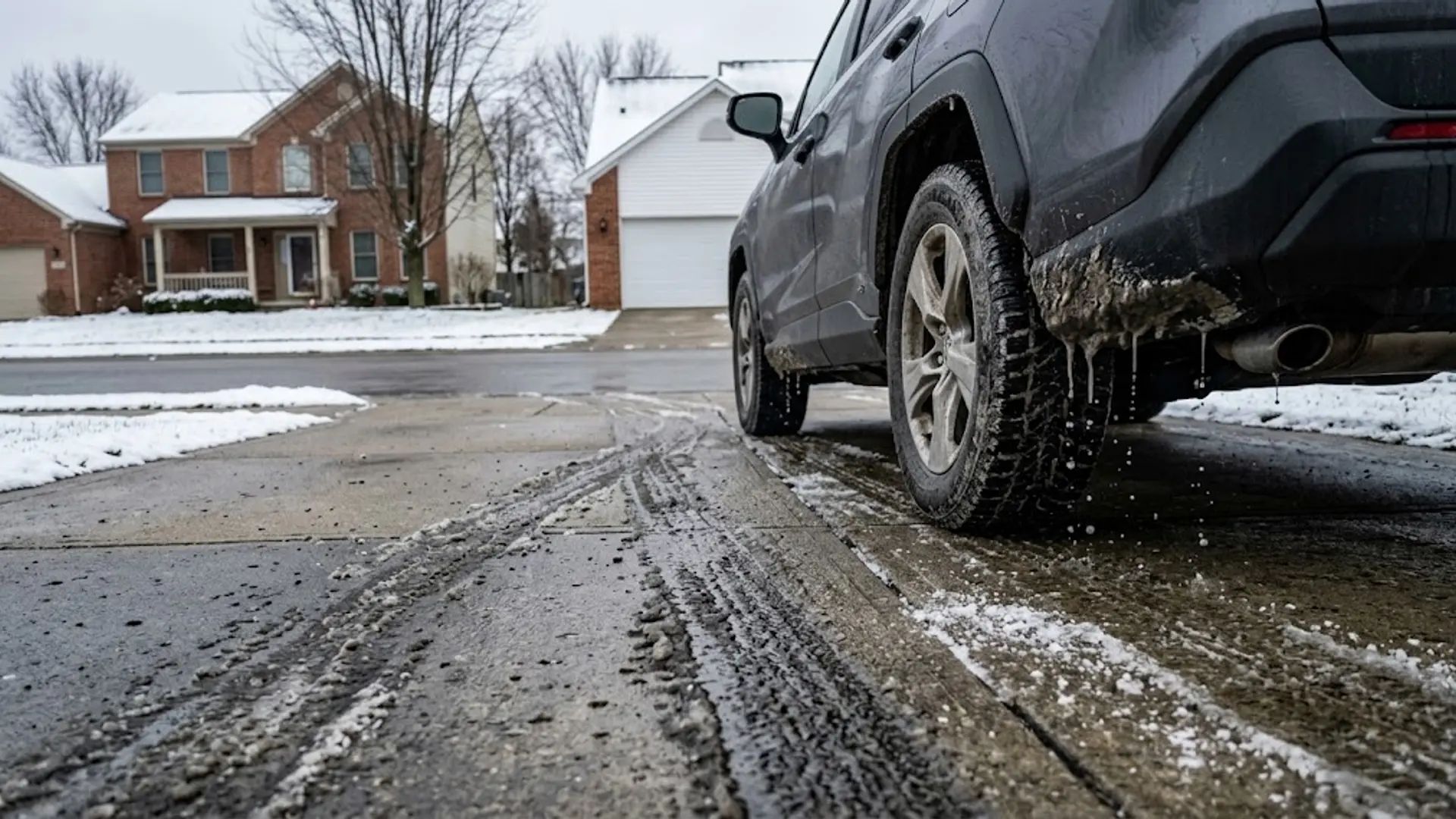
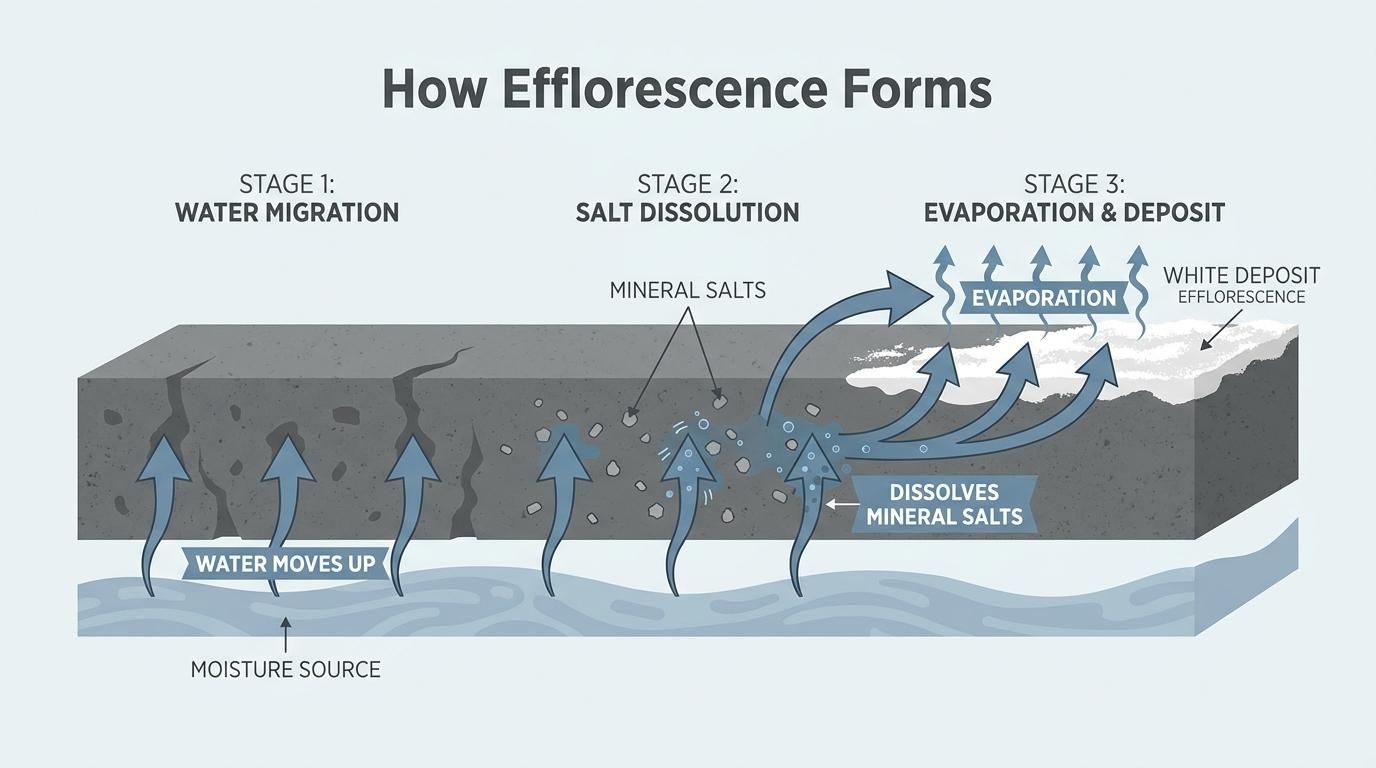
Indianapolis sees frequent freeze-thaw cycles each winter. Water entering unsealed concrete pores expands roughly 9% when frozen, fracturing the surface from the inside. Road salt carried in from treated streets compounds the problem. The damage adds up faster than most people think.


Six Tips to Protect Your Concrete Driveway

Concrete damage builds gradually. A crack goes unsealed, water gets in, freezes, and widens. By spring, a surface issue becomes a structural one. Indianapolis swings from above 90°F to well below 0°F, stressing concrete in ways that regular cleaning and maintenance can reduce but won’t be able to undo.


These six habits won't reverse existing damage, but they're what separates a driveway that lasts 30 years from one that needs replacing in 15.


Tip 1: Seal on Schedule

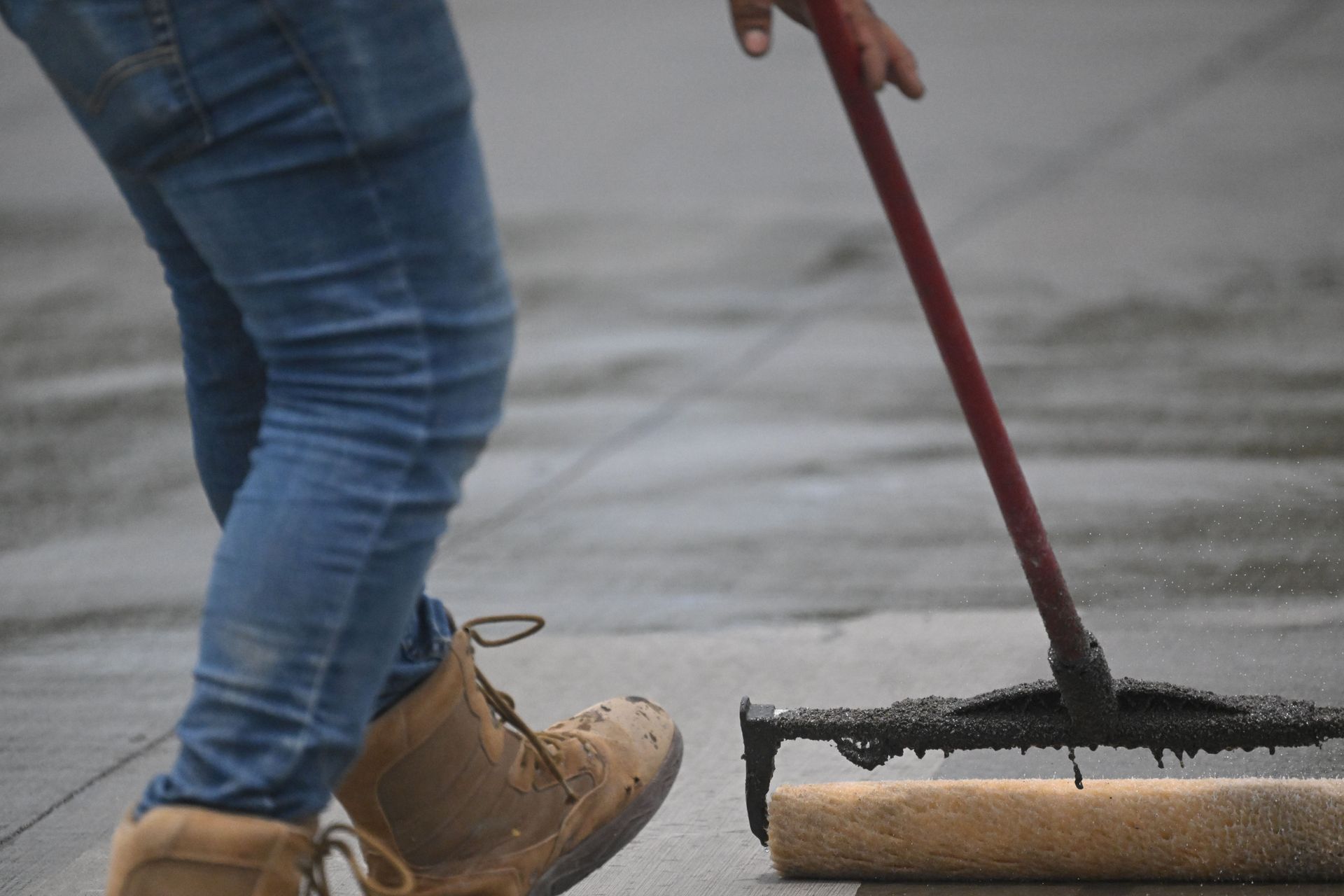
A quality sealer closes surface pores, blocking water and road salt before they can penetrate. Plan to reseal every 2 to 3 years. For best results:


  • Apply when concrete is dry and air temperature is above 50°F
  • Fall is the ideal window before Indiana's freeze-thaw season begins
  • Use commercial-grade sealers, not consumer products that often begin to break down within a season


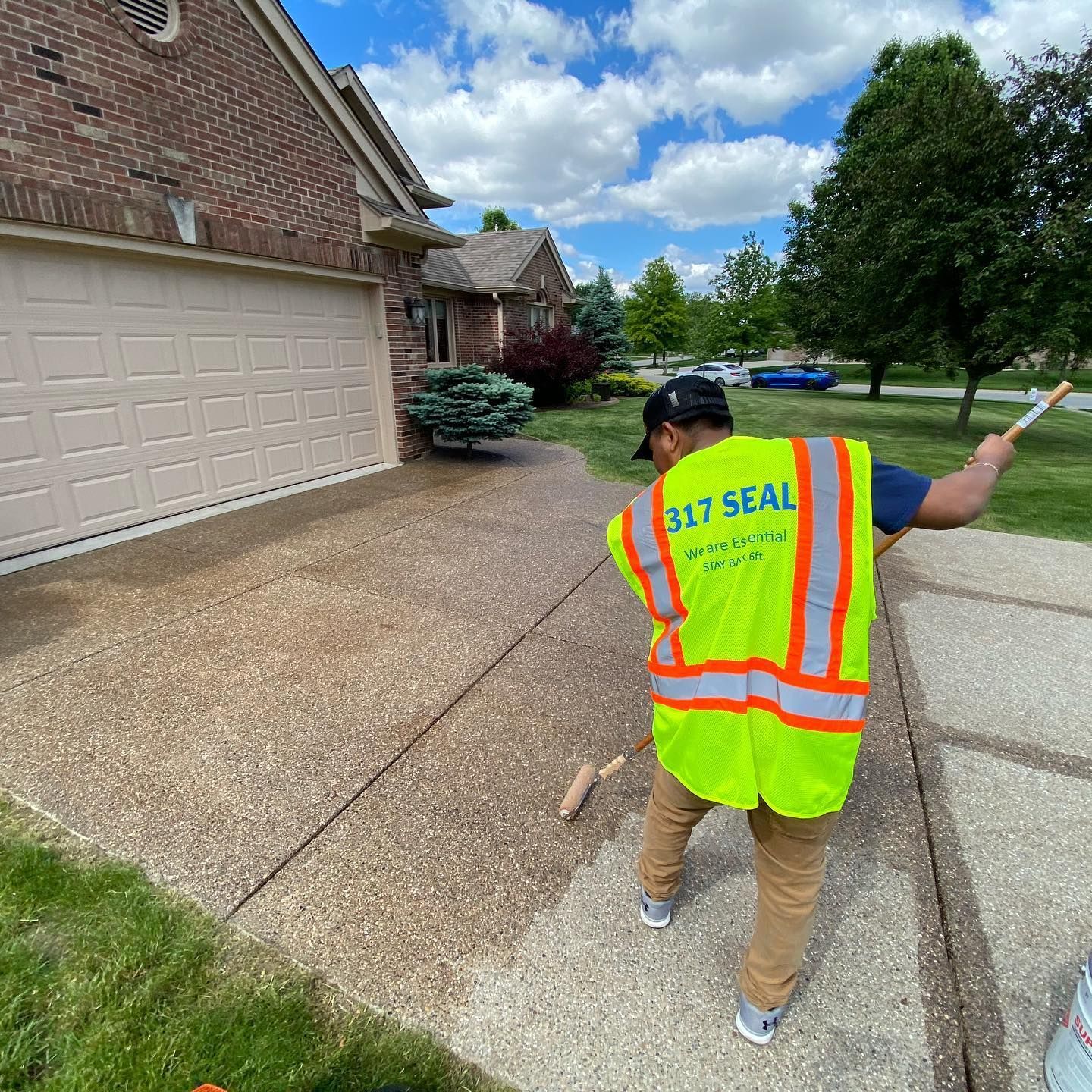
317 Seal applies commercial-grade concrete sealers on every job.


Tip 2: Pressure Wash Before You Seal

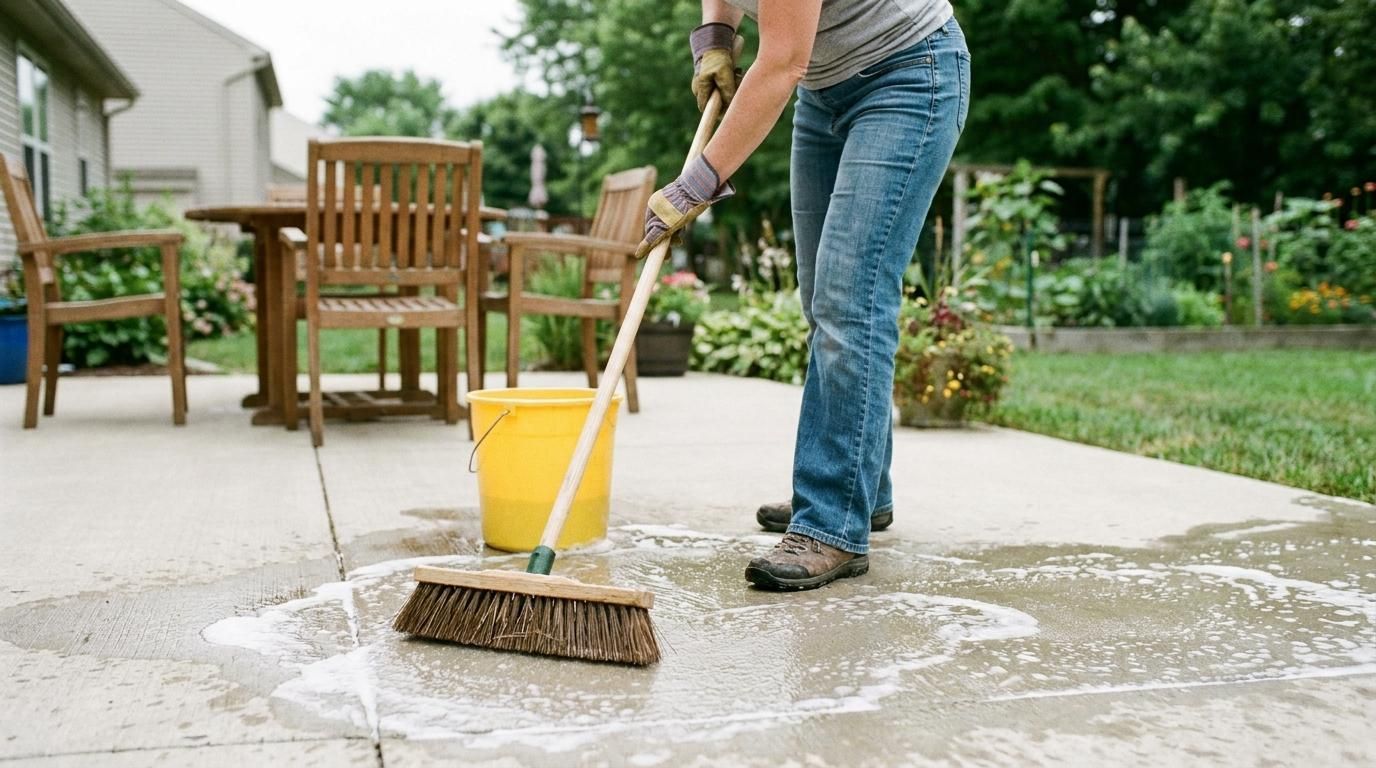
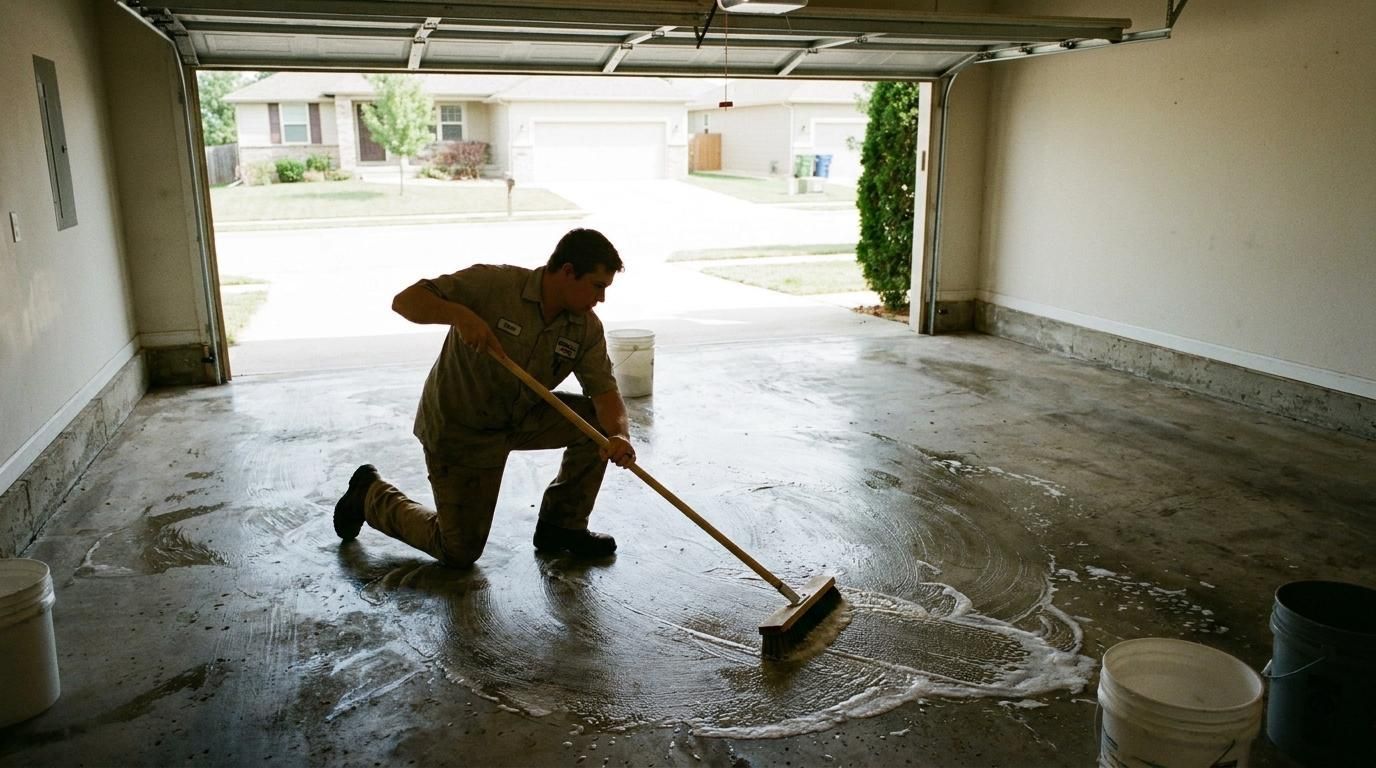
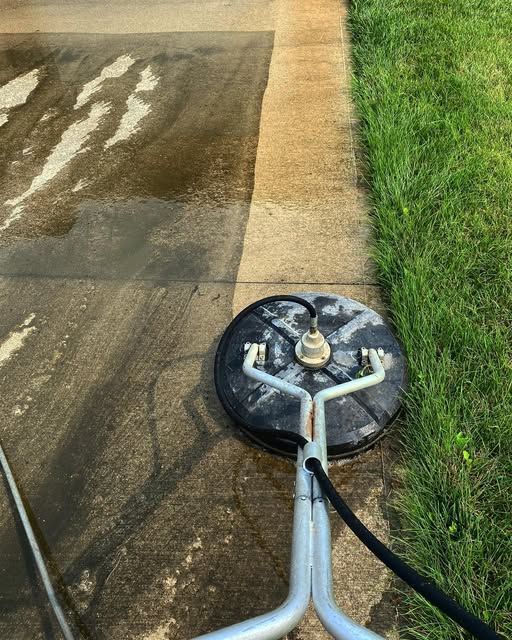
Sealing over a dirty surface is a costly mistake. Oil, algae, and road salt residue compromise adhesion and cause the product to bond to contamination rather than concrete. The result peels within months. Pressure washing before sealing is what determines how long the sealer holds.


Tip 3: Fill Cracks Early

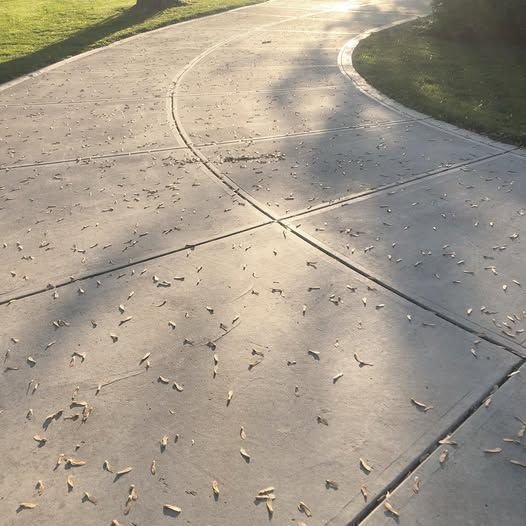
A hairline crack in October is a manageable fix. That same crack in March, after a winter of freeze-thaw cycles, may have widened into a structural problem. Fill small cracks with an exterior-rated filler as soon as they appear. For anything deeper or growing, getting professional concrete repair early is less expensive than waiting.


Tip 4: Rinse Road Salt Off After Winter Weather

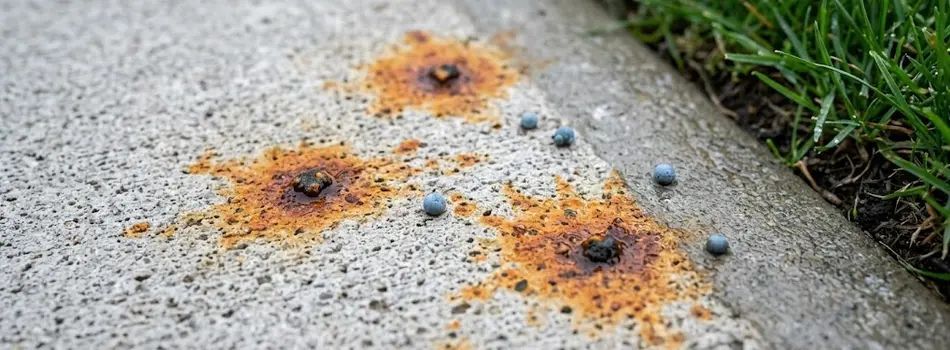
Road salt draws moisture from the air and stays chemically active, working into any pore it finds. Rinsing with clean water after major winter storms removes salt concentration before it penetrates. This matters especially in suburbs like Avon, where treated subdivision roads mean faster buildup on private driveways. A garden hose works fine.


Tip 5: Clean Up Automotive Fluid Spills Quickly

Motor oil, transmission fluid, and gasoline break down concrete over time. Even a sealed surface isn't fully immune if spills sit. Quick response matters:


Tip 6: Monitor Drainage Around the Slab

Concrete sheds water; it isn't built to hold it. Standing water near expansion joints or at low spots accelerates freeze-thaw damage and salt penetration. Regrading soil along the perimeter or redirecting downspouts away from the slab prevents damage that sealing alone won't fix.


When Maintenance Isn't Enough

Some driveways need repair before sealing will hold. Spalling (surface flaking off in layers), deep staining, and structural cracks all require assessment first. Our team at 317 Seal gives straight answers: if restoration is needed, we’ll say so. If the damage is beyond repair, we’ll tell you that too. That's our No-Corners-Cut Promise.


Frequently Asked Questions

How do I know when my concrete driveway needs resealing?

Pour water on the surface. If it beads up, the sealer is working. If it absorbs in, the protection has worn through. Most Indianapolis driveways need resealing every 2 to 3 years, though heavy traffic and full sun exposure tend to shorten that interval.


Does sealing concrete prevent all freeze-thaw damage?

Sealing significantly reduces freeze-thaw damage by closing surface pores, but it isn't permanent. Sealers wear down under Indiana's temperature swings and road salt exposure. A single application isn't a long-term solution. Staying on a 2-to-3-year resealing schedule is what keeps the protection effective over time.


Can 317 Seal Inc. handle both repair and sealing in the same visit?

In many cases, yes. 317 Seal's process starts with a full surface inspection before any work begins. Minor repairs are often handled in the same visit. For more significant damage, the team provides an honest assessment and the right sequence so the sealer bonds correctly.


Get Your Free Estimate From 317 Seal

Concrete driveway maintenance is a repeating cycle: seal on schedule, clean before sealing, fill cracks early, rinse salt, manage spills, keep the drainage clear. Indianapolis concrete that follows this cycle lasts. When it's time to reseal or get a straight read on winter damage, contact 317 Seal.

By Kris Fricks April 23, 2026
Concrete sealer lasts 1 to 10 years, depending on the type. See how acrylic, penetrating, and polyurethane sealers hold up in Indiana's climate.
Rough gray concrete wall with peeling patches and weathered texture
By Kris Fricks April 12, 2026
Concrete scaling is surface peeling; spalling runs deeper. Learn how to tell them apart, what causes each in Indiana, and when to repair or seal.
Two workers power washing a concrete patio beside a townhouse backyard with chairs and a lawn
By Kris Fricks April 6, 2026
Concrete sealing in Indianapolis costs $1.50 to $4.50 per square foot. Get 2026 pricing by surface type, sealer grade, and project size.
Driveway Pressure Washing
By Kris Fricks April 1, 2026
Driveway pressure washing in Indianapolis costs $100 to $350 on average. See 2026 pricing by size, what affects the price, and when to hire a pro.
By Kris Fricks March 2, 2026
Learn how to get oil stains out of a concrete driveway with real DIY steps. Plus, 317 Seal shares when professional stain removal is the smarter call.
By Kris Fricks February 5, 2026
Learn more about hairline cracks in concrete, including what causes them, how to spot the warning signs, & when Indianapolis homeowners need repair vs. sealing.
By Kris Fricks February 2, 2026
Soft washing vs pressure washing for concrete. Learn which method works best for your Indianapolis driveway or patio and why the wrong choice causes damage.
By Kris Fricks January 8, 2026
How long should you wait before sealing concrete after pressure washing? We explain the ideal drying time for a long-lasting, protective finish in Indianapolis.
By Kris Fricks January 5, 2026
317 Seal shares how sealing your concrete driveway in Indianapolis protects it from damage, extends its life, reduces maintenance, and enhances curb appeal.
By Kris Fricks December 4, 2025
Discover what surface cleaning is, and how it boosts concrete longevity. 317 Seal Inc. explains the process for removing contaminants and protecting surfaces.
Show More