Why Is My Concrete Sealer Turning White in Indianapolis? Causes and Fixes

Kris Fricks • October 23, 2026

A milky or cloudy haze on sealed concrete is a common concern for Indianapolis, Carmel, Fishers, and Avon homeowners, and it almost always points to one of two issues: moisture trapped in the sealer film, or a mineral deposit called efflorescence sitting on top of the surface. Knowing which one you have determines whether the right next step is cleaning, drying, or a full resealing assessment.

Two Different Problems That Look Similar

Before deciding on a fix, it helps to separate the two most common causes of a white appearance on concrete.

  • Cloudy or milky sealer (blushing): A white haze locked within or beneath a clear sealer film usually points to moisture-related blushing or a loss of bond, not surface dirt. This typically happens when a film-forming sealer is applied over damp concrete, or when the coating is exposed to rain, dew, or humidity before it fully cures.
  • Efflorescence: A dry, chalky, powdery deposit is a different problem. It forms when moisture moves through the concrete and carries mineral salts to the surface as it evaporates. Unlike cloudy sealer, this deposit sits on top of the surface rather than being trapped inside a coating film.

A simple way to tell them apart: a chalky efflorescence deposit will often brush or wipe differently than a true coating haze, which stays locked within or beneath the sealer film and will not lift away the same way. Getting this distinction right matters, because cleaning a surface deposit, recoating a failed film, and addressing ongoing moisture are three different repairs.

Why Concrete Can Look Dry but Still Hold Moisture

One of the most overlooked causes of sealer whitening is moisture that is not obvious to the eye. After pressure washing, a slab can appear completely dry on the surface while still holding water in low spots, control joints, shaded areas, or sections near landscaping and downspouts. If sealer is applied before that moisture has fully left the concrete, it can become trapped under the film and create the cloudy appearance homeowners notice later.

Published drying guidance recommends at least 24 to 48 hours of drying time after pressure washing before sealing, with longer drying needed in humid conditions or shaded areas that do not get direct sun or airflow. This single timing detail explains why whitening can show up even after a thorough cleaning. For more detail on this step, see the timing guide for sealing concrete after pressure washing.

In Central Indiana, freeze-thaw winters add another layer to this moisture picture. Wet seasons can move moisture through a slab repeatedly, which is part of why ongoing moisture management matters for concrete protection in this region, not just moisture present at the time of sealing.

Why Adding Another Coat Is Not the Default Fix

It is tempting to treat a cloudy sealer as a problem that another coat will simply cover up. That is usually the wrong move. If moisture, salts, poor adhesion, or excessive film buildup are still present, applying more sealer on top can trap the underlying issue or make the cloudiness and peeling worse rather than better.

Repair approach also depends on the type of coating involved, since water-based acrylic whitening is addressed differently than other coating failures. That is one more reason a universal DIY fix is not a reliable answer, and why the condition should be assessed before more product goes down. For manufacturer-level detail on this distinction, see ChemMasters' guidance on repairing whitened or blushed acrylic sealer and Foundation Armor's overview of acrylic sealer turning white.

What a Proper Assessment Looks Like

317 Seal Inc. uses a five-step concrete sealing process that starts with an inspection for moisture, prior coatings, drainage, damage, and wear. From there, the surface is prepared and pressure cleaned, with pressure adjusted to the concrete's condition to avoid etching or weakening it. Sealer is applied only once the surface is ready to cure.

This inspection-first approach is what catches the conditions that turn a cosmetic whitening issue into a larger repair, including:

  • Visible scaling or surface deterioration
  • Loose or flaking material
  • Cracking
  • Drainage issues that keep moisture in contact with the slab
  • A prior coating that needs to be accounted for before resealing

Any needed crack repair or patching is handled during preparation, before sealer goes down, so the new coating has a sound surface to bond to. You can see the full sequence on the 5-step concrete sealing process page.

Frequently Asked Questions

How can I tell whether the white residue is efflorescence or cloudy sealer?

Efflorescence is a dry, chalky mineral deposit that sits on the surface, while cloudy or milky sealer is a haze trapped within or beneath the coating film itself. The two require different next steps, so an on-site look is the most reliable way to confirm which one you have.

Can I reseal concrete if the existing sealer looks white or milky?

Not as a first step. If moisture, poor adhesion, or excessive buildup caused the haze, adding another coat can trap the issue or make it worse. The condition should be assessed first so the right preparation happens before any new sealer is applied.

How long should concrete dry after pressure washing before it is sealed?

At least 24 to 48 hours is recommended, with more time needed in humid conditions or shaded areas where moisture lingers in joints, low spots, or near landscaping.

Get a Concrete Sealing Assessment in Indianapolis

If your sealed concrete has developed a cloudy, milky, or chalky appearance, 317 Seal Inc. can take a look and determine whether you are dealing with trapped moisture, efflorescence, or a coating that needs attention before resealing. We serve Indianapolis, Carmel, Fishers, Avon, and the surrounding Central Indiana area.

Call (833) 317-7325 to schedule a professional concrete sealing assessment, or visit our service area page to confirm we cover your part of Central Indiana.

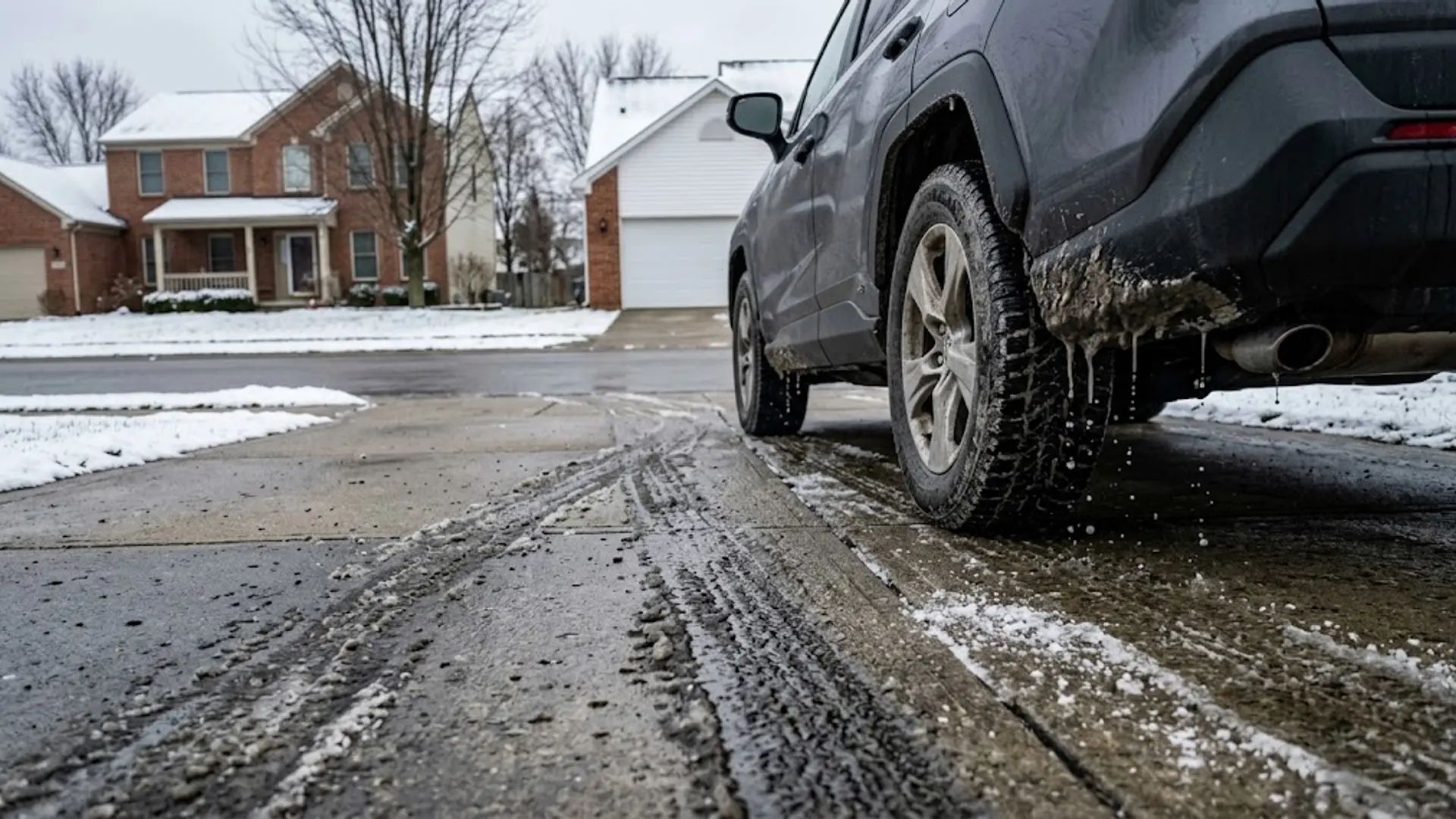
Black SUV parked on a slushy driveway in a snowy suburban neighborhood
By Kris Fricks • October 5, 2026
Learn which deicers damage Indianapolis driveways, safer alternatives, and when to seal your concrete before the first freeze hits this winter.
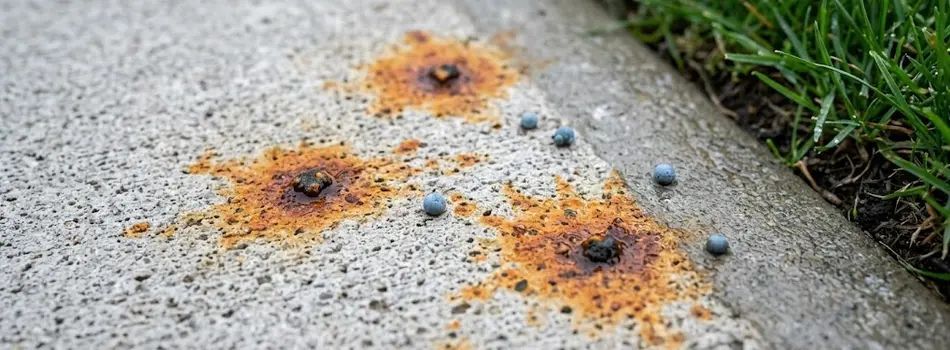
Three orange rust stains on a concrete sidewalk near grass
By Kris Fricks • September 29, 2026
Rust-colored fertilizer stains on your Indianapolis driveway? Learn why they happen, how to treat them safely, and when 317 Seal Inc. can help.
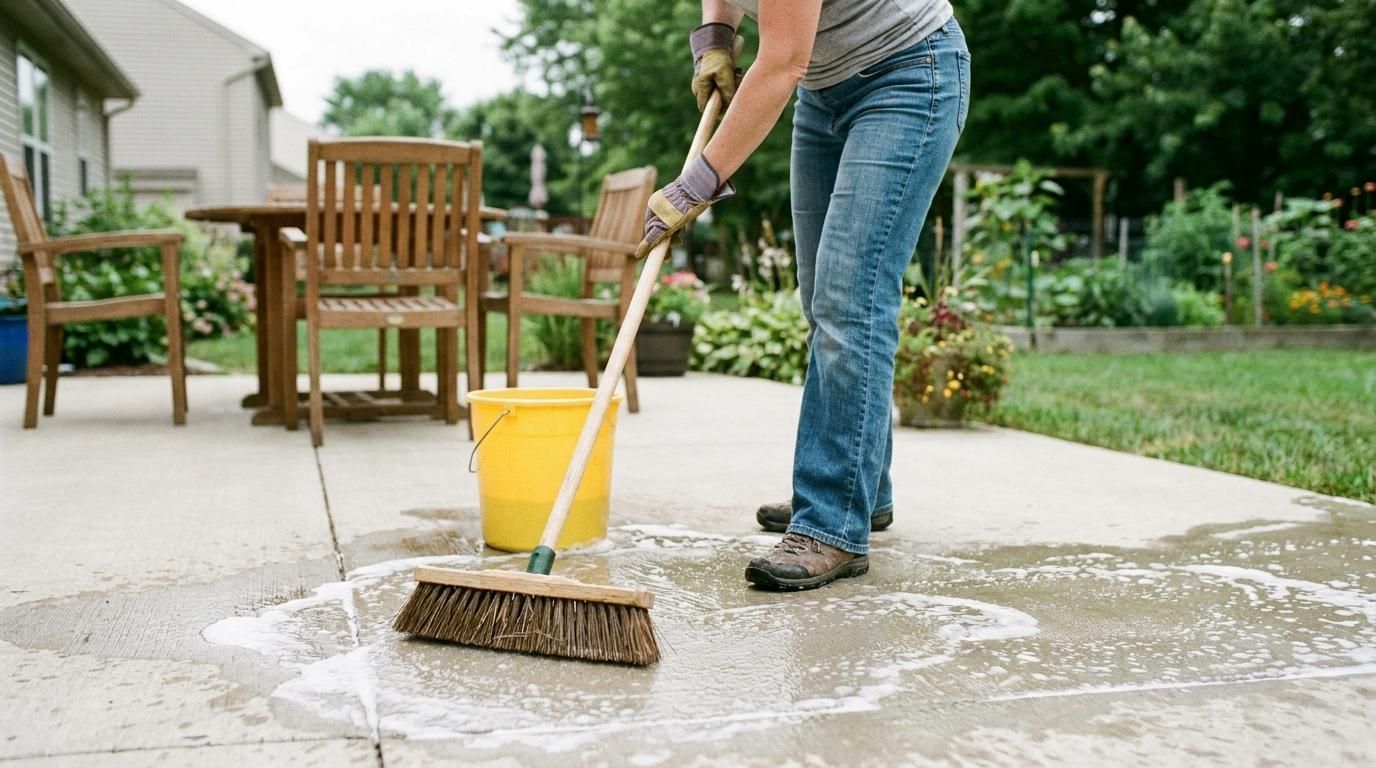
How to clean a concrete patio DIY methods
By Kris Fricks • June 29, 2026
Learn how to clean a concrete patio with DIY methods for grime and algae, how to handle tough stains, and when to call an Indianapolis pro to clean and seal it.
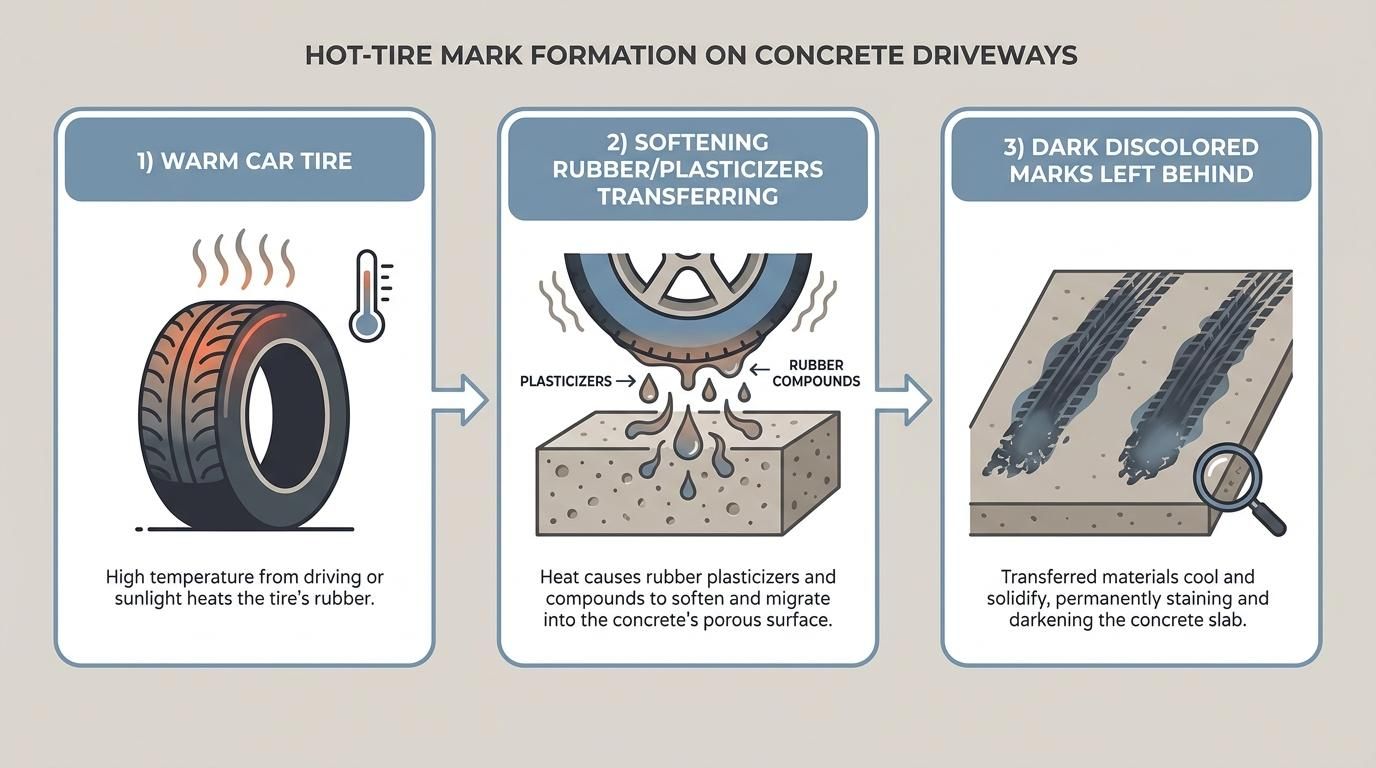
What causes tire marks on concrete
By Kris Fricks • June 25, 2026
Learn how to remove tire marks from your concrete driveway in Indianapolis with degreasers, scrubbing, and pressure washing, plus how sealing keeps them from returning.
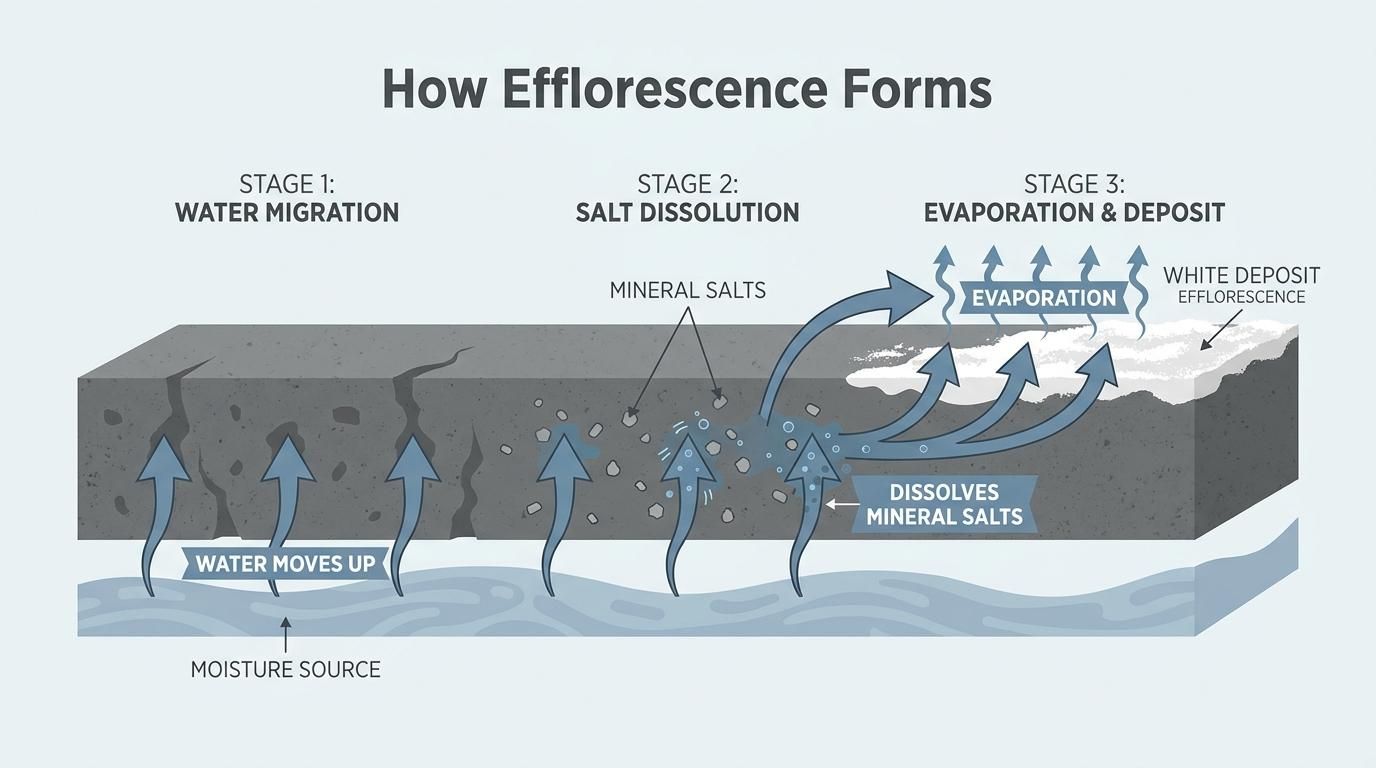
What causes efflorescence on concrete
By Kris Fricks • June 21, 2026
What is efflorescence on concrete? Learn what causes the white haze, how to remove it step by step, and how sealing prevents it from returning in Indianapolis.
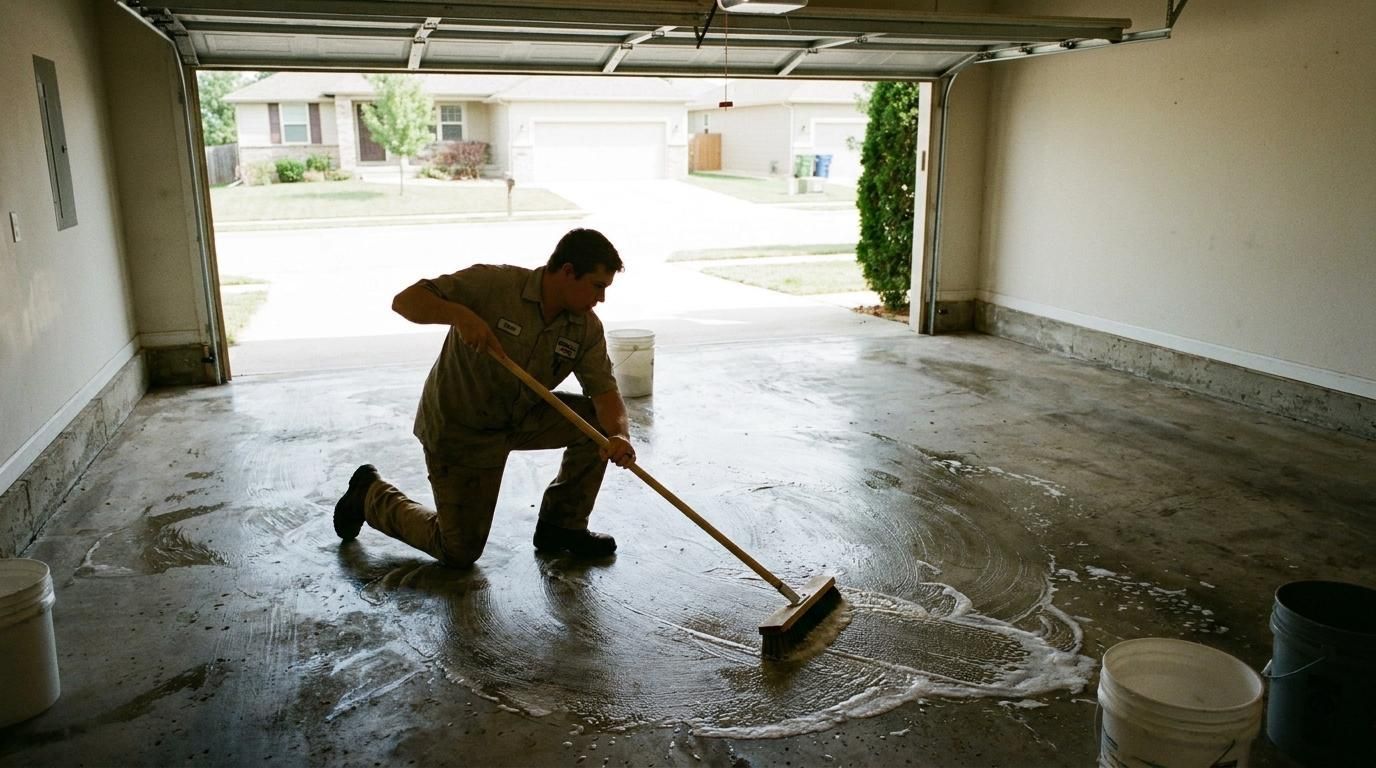
How to clean a concrete garage floor step by step
By Kris Fricks • June 18, 2026
Learn how to clean a concrete garage floor step by step, tackle oil, salt, and rust stains, and keep it low-maintenance with sealing. Indianapolis pro tips.
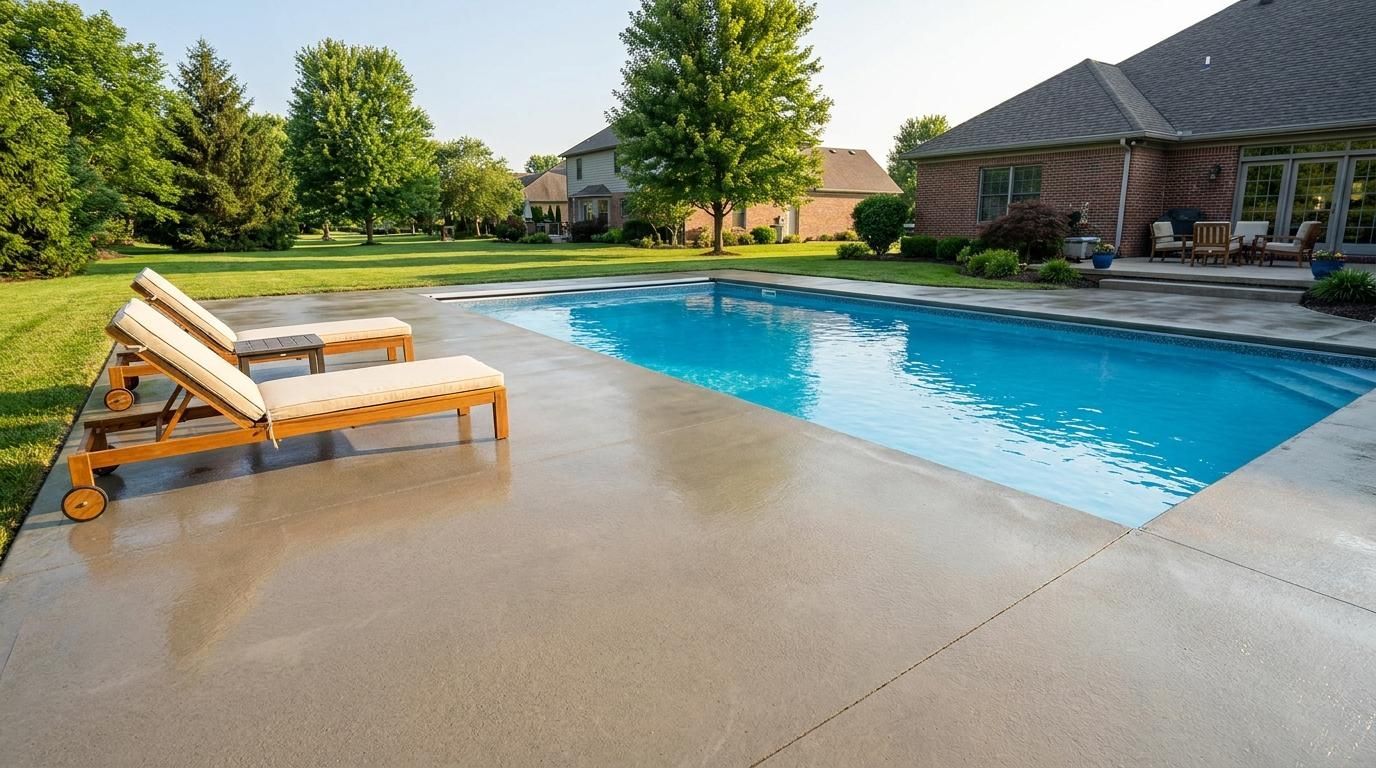
Why pool decks need sealing before summer
By Kris Fricks • June 15, 2026
Pool deck sealing in Indianapolis protects concrete from chlorine, splash-out, UV, and freeze-thaw. Learn why to seal before summer and how often to reseal.
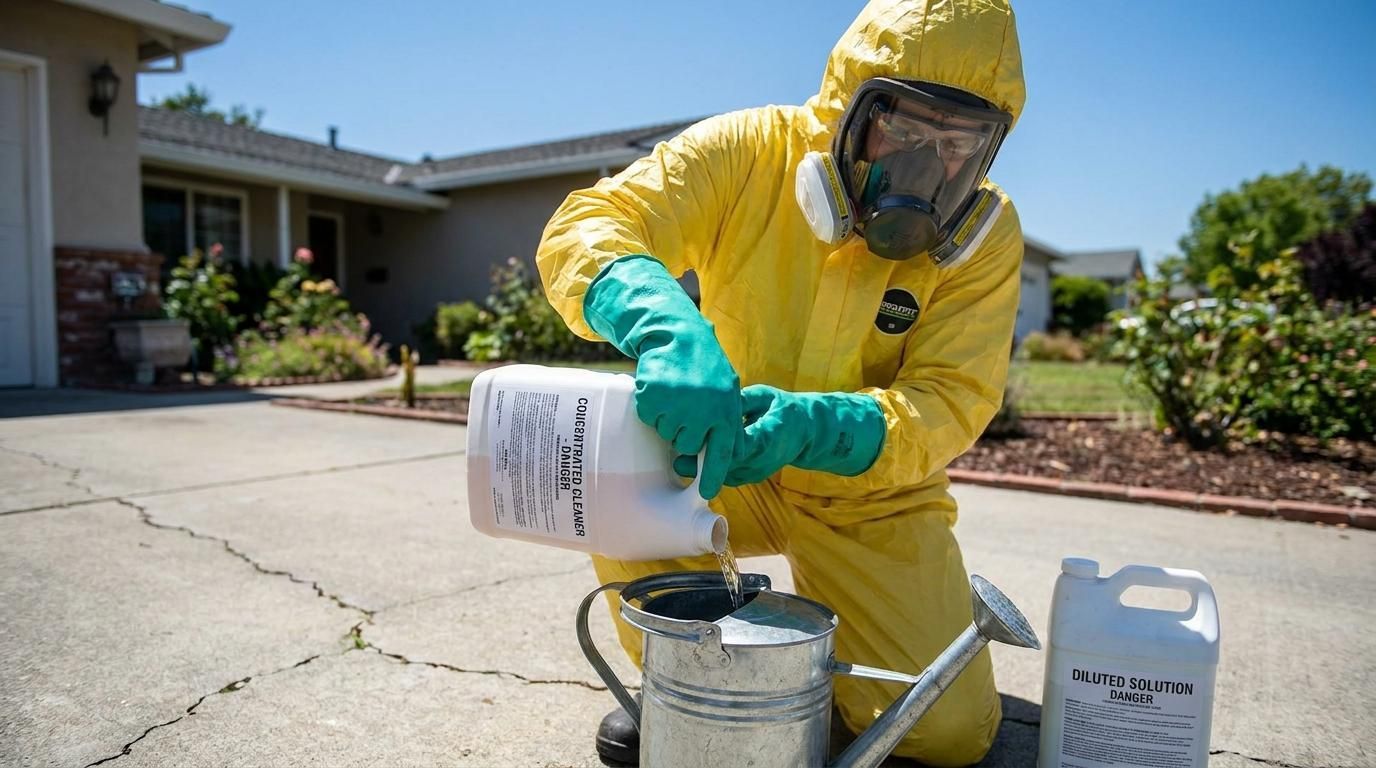
Is muriatic acid safe to use on concrete
By Kris Fricks • June 10, 2026
Is muriatic acid safe on concrete? Learn when to use it, how to apply it safely, and the gentler alternatives most Indianapolis driveways and patios actually need.
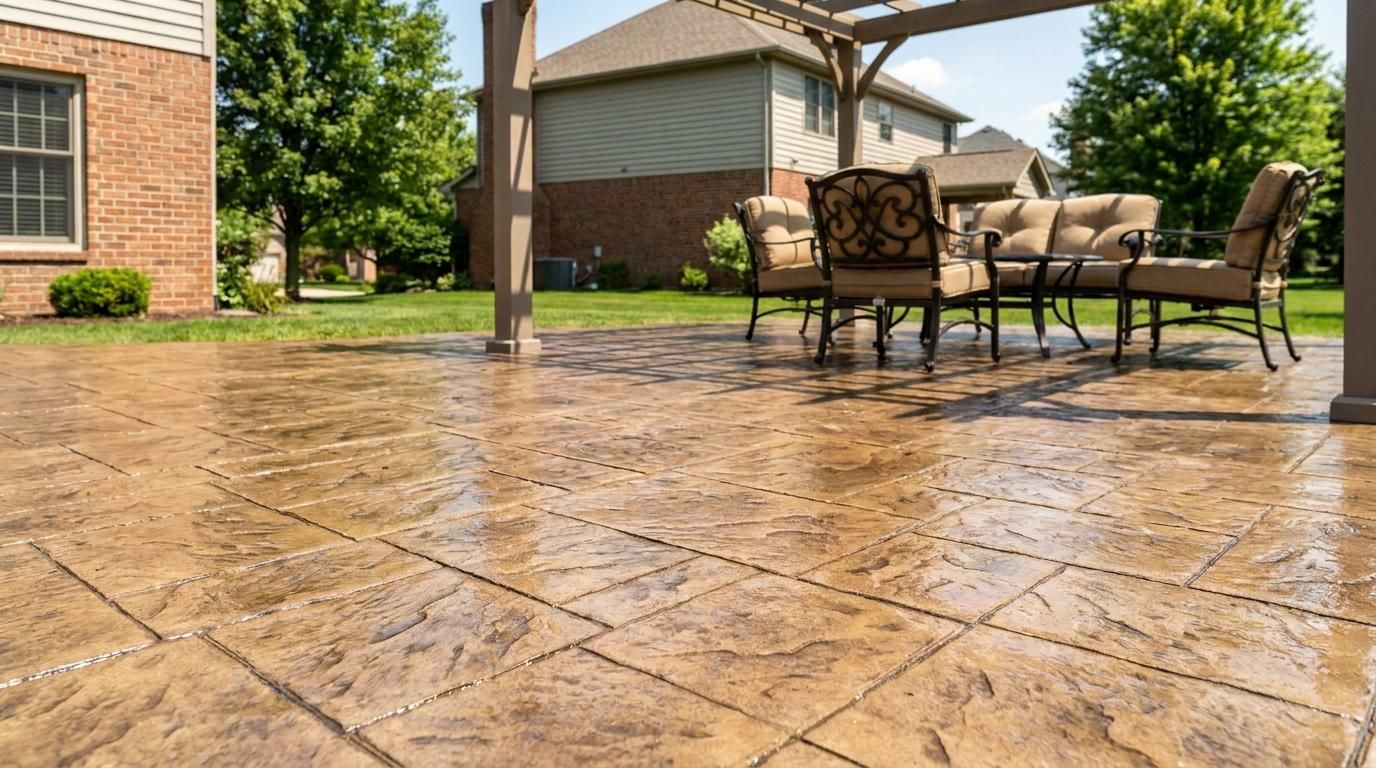
Types of stamped concrete sealer compared
By Kris Fricks • June 6, 2026
Compare the best stamped concrete sealers for Indianapolis driveways and patios: acrylic, polyurethane, and penetrating. See which holds up to freeze-thaw and sun.
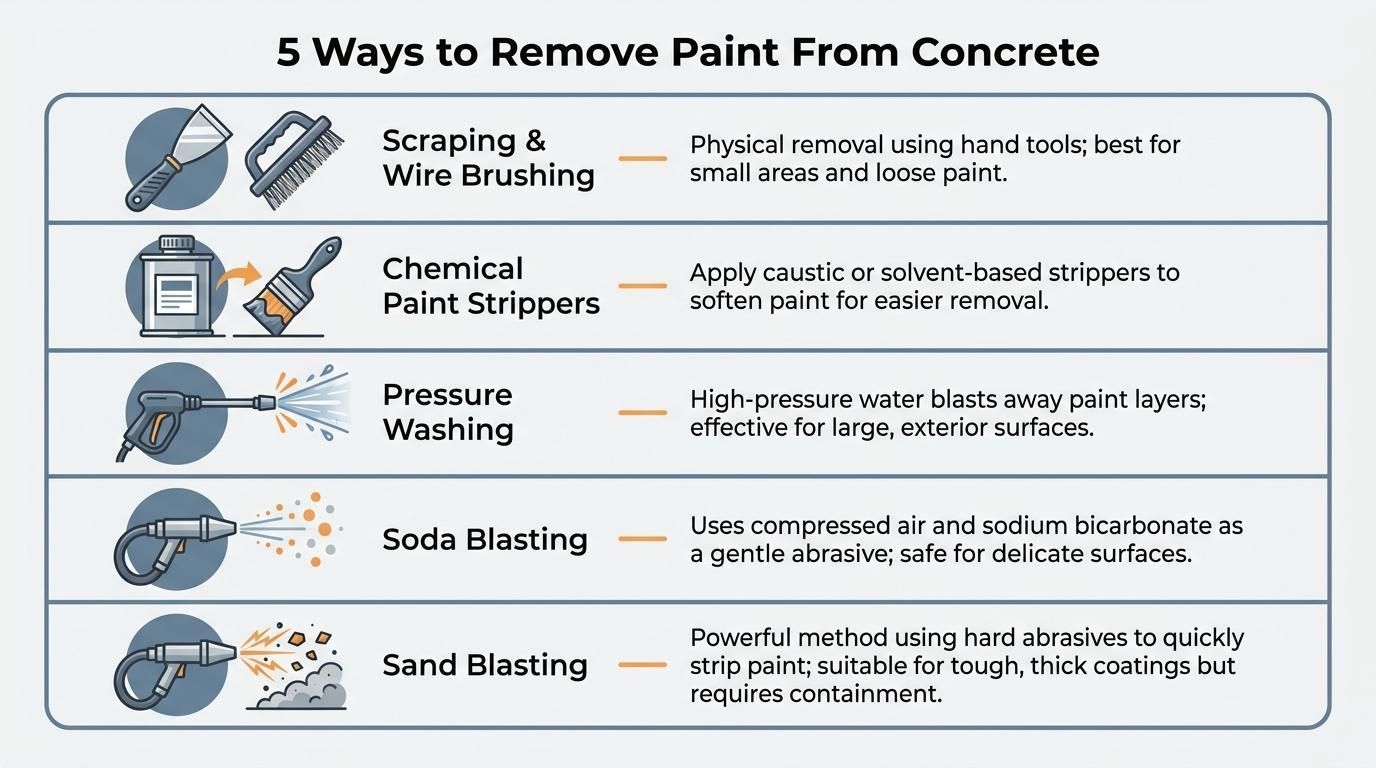
5 methods to remove paint from concrete
By Kris Fricks • June 2, 2026
Learn how to remove paint from concrete with 5 methods Indianapolis pros use, from chemical strippers to sand blasting, plus when to call 317 Seal Inc.
Show More