Muriatic Acid on Concrete: Is It Safe? A Guide for Indianapolis Homeowners
Muriatic acid can be used safely on concrete, but only when it’s heavily diluted, applied with full protective gear, and rinsed and neutralized afterward. It’s a strong acid that etches and cleans concrete effectively, yet the same strength that strips stains and efflorescence can also scar the surface, kill nearby plants, and injure you if it’s mishandled.
Here’s the honest risk: mix it too strong or skip the rinse and you can leave the slab pitted and chalky, burn the grass along the edge, or end up with chemical burns and harmful fumes. The good news is that most Indianapolis cleaning jobs never need acid at all. Professional stain removal from 317 Seal handles the tough cases without the hazard. In this blog post, we cover when muriatic acid makes sense, how to use it safely, and the gentler options that work for most driveways and patios.
Is Muriatic Acid Safe to Use on Concrete?
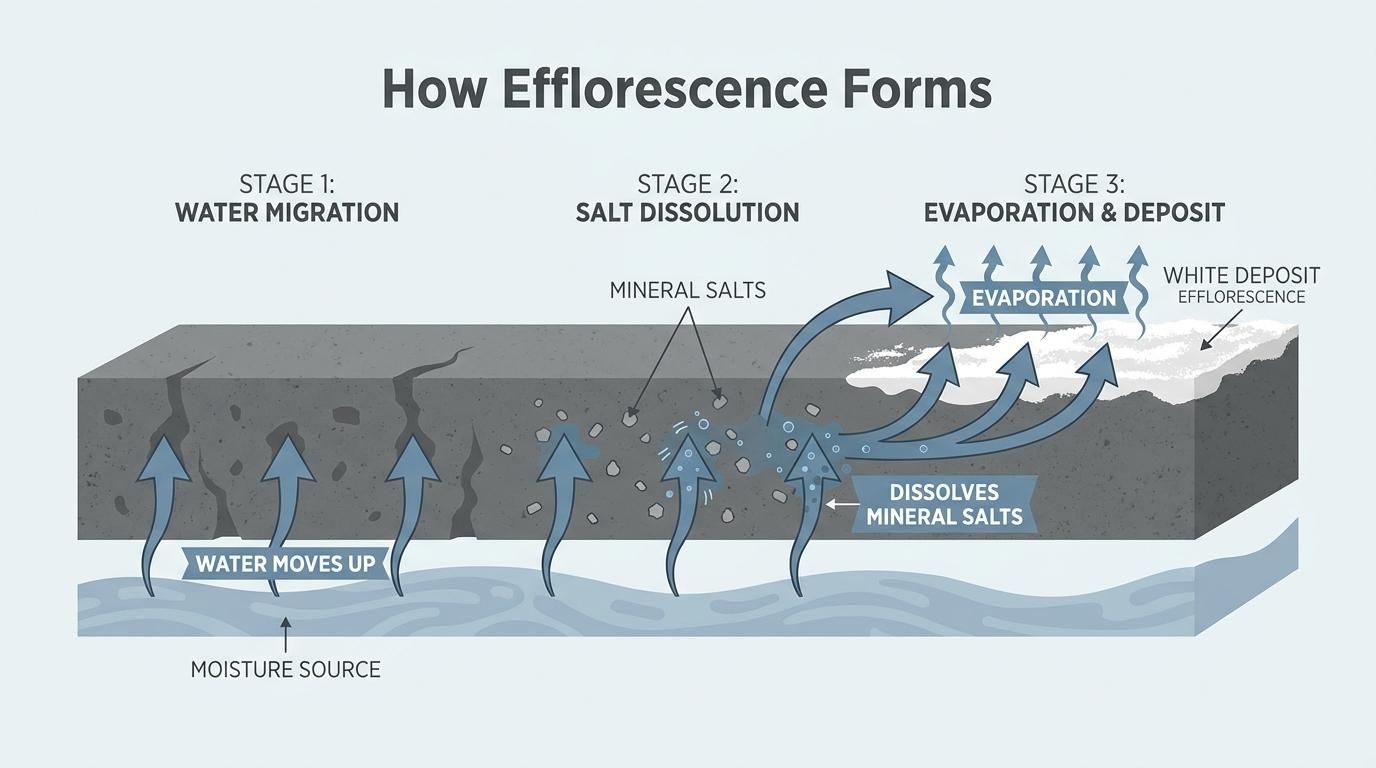
Muriatic acid (diluted hydrochloric acid) is sometimes the right tool for stubborn jobs: removing efflorescence, dissolving hard-water and mineral stains, or etching bare concrete before a coating. In those cases it works, but it is never a casual cleaner. The risks are real and worth understanding before you open the bottle.
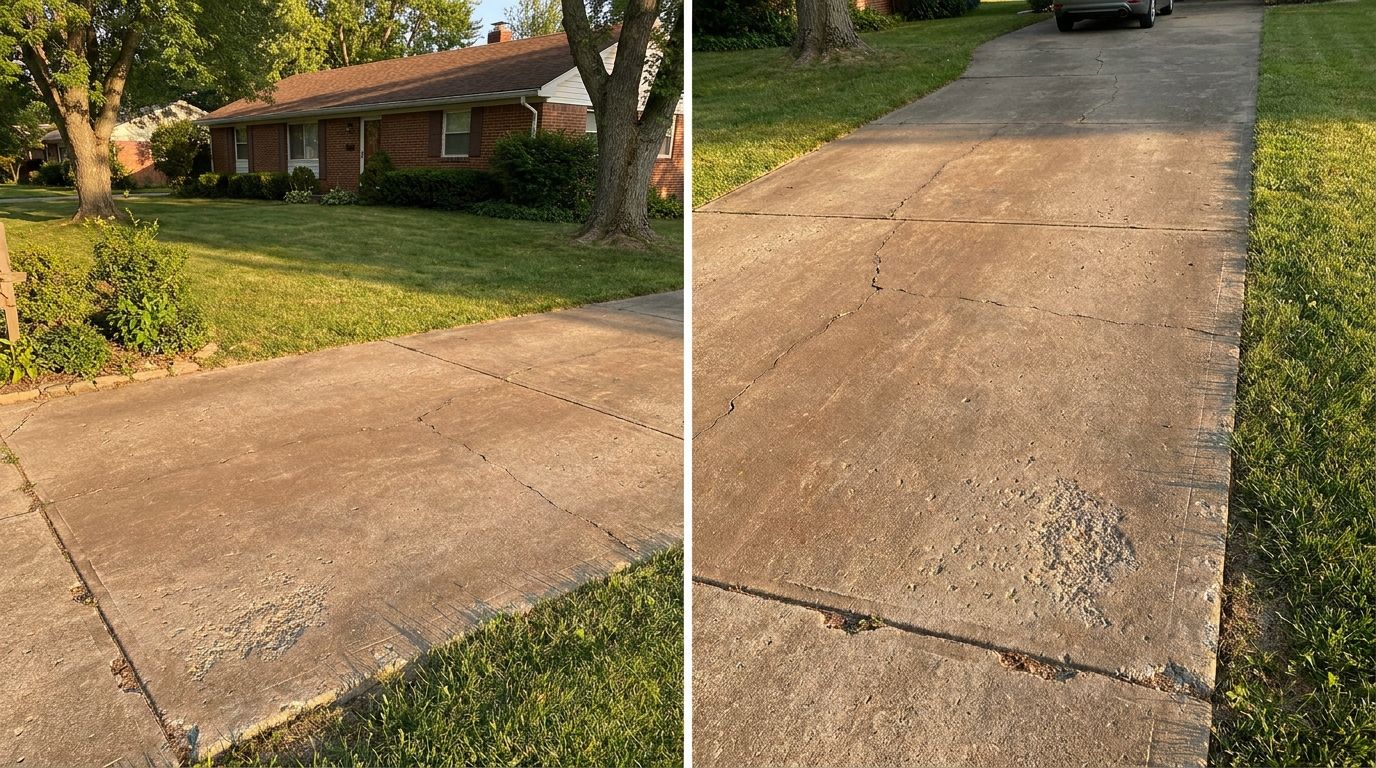
- Surface damage: Too strong a mix or too long a dwell etches and weakens the concrete, leaving it pitted and porous.
- Personal injury: It causes skin and eye burns, and the fumes irritate the lungs without proper ventilation.
- Landscape harm: Runoff kills grass and plants and can stain adjacent surfaces.
- Metal corrosion: It attacks nearby rebar, fixtures, and tools on contact.
For light dirt, grime, or organic stains, acid is overkill. Save it for mineral deposits and pre-coating etching, and only when a gentler method has already failed.
How to Use Muriatic Acid on Concrete Safely
If the job truly calls for acid, follow these steps in order to protect yourself and the slab:
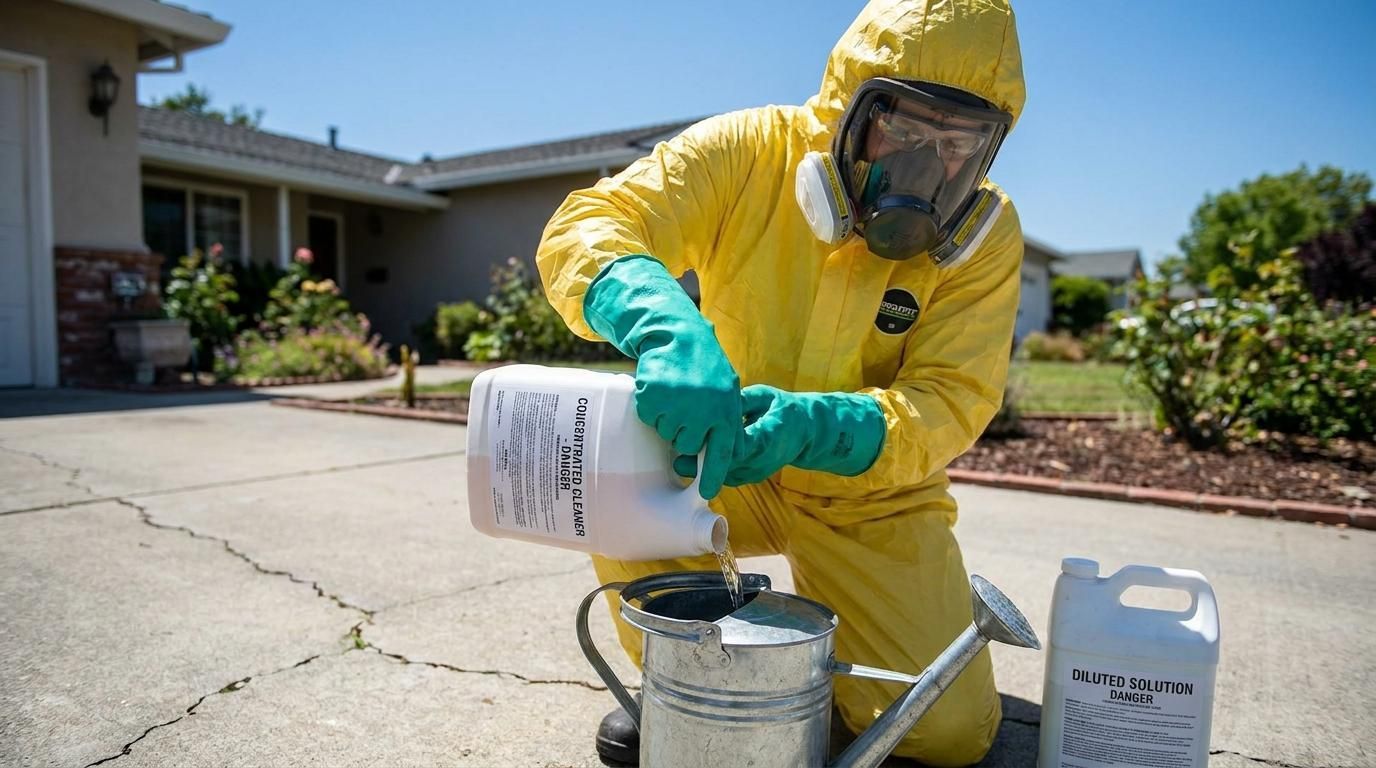
- Gear up: Wear chemical-resistant gloves, goggles, a respirator, and long sleeves, and work only in open air.
- Dilute correctly: Always add acid to water, never water to acid, and follow the label, often a 1:10 mix or weaker.
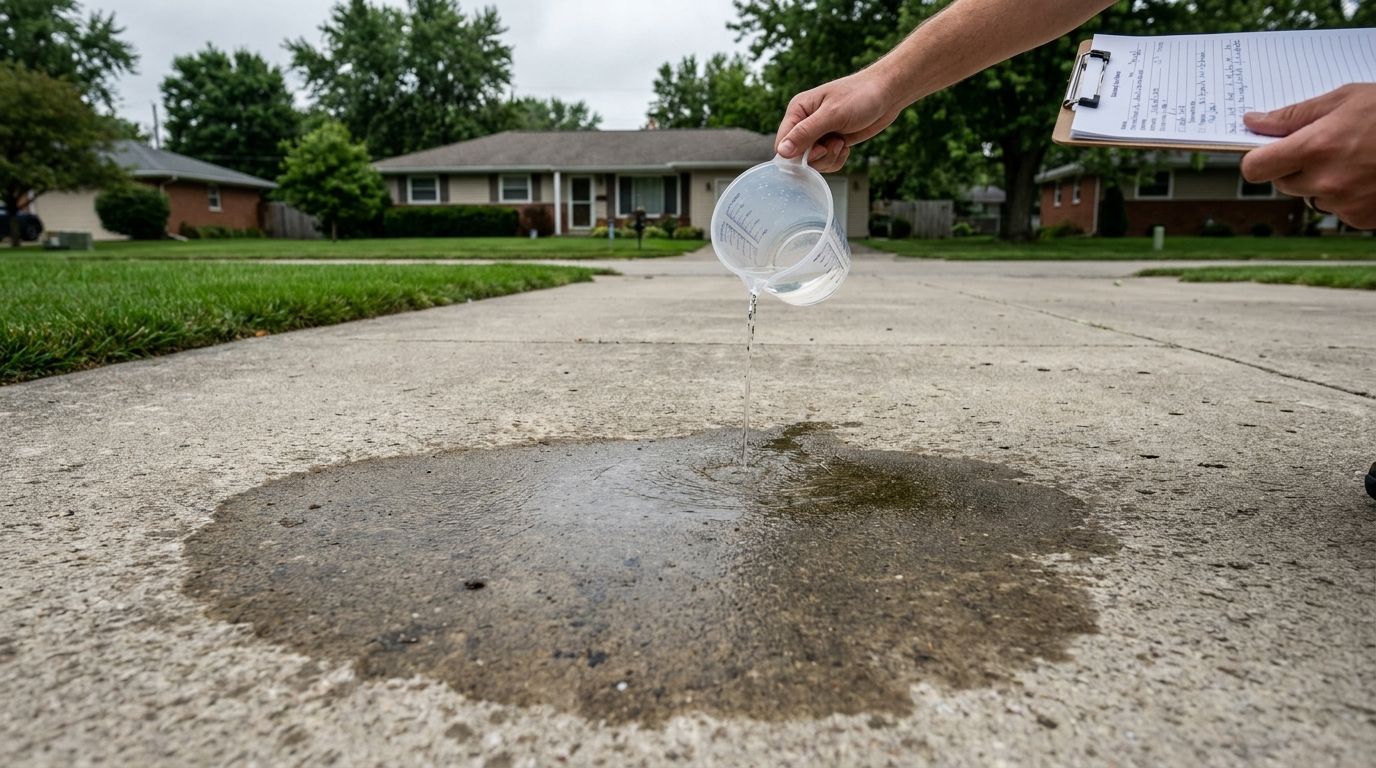
- Pre-wet the concrete: Soak the surface first so the acid cannot bite too deeply.
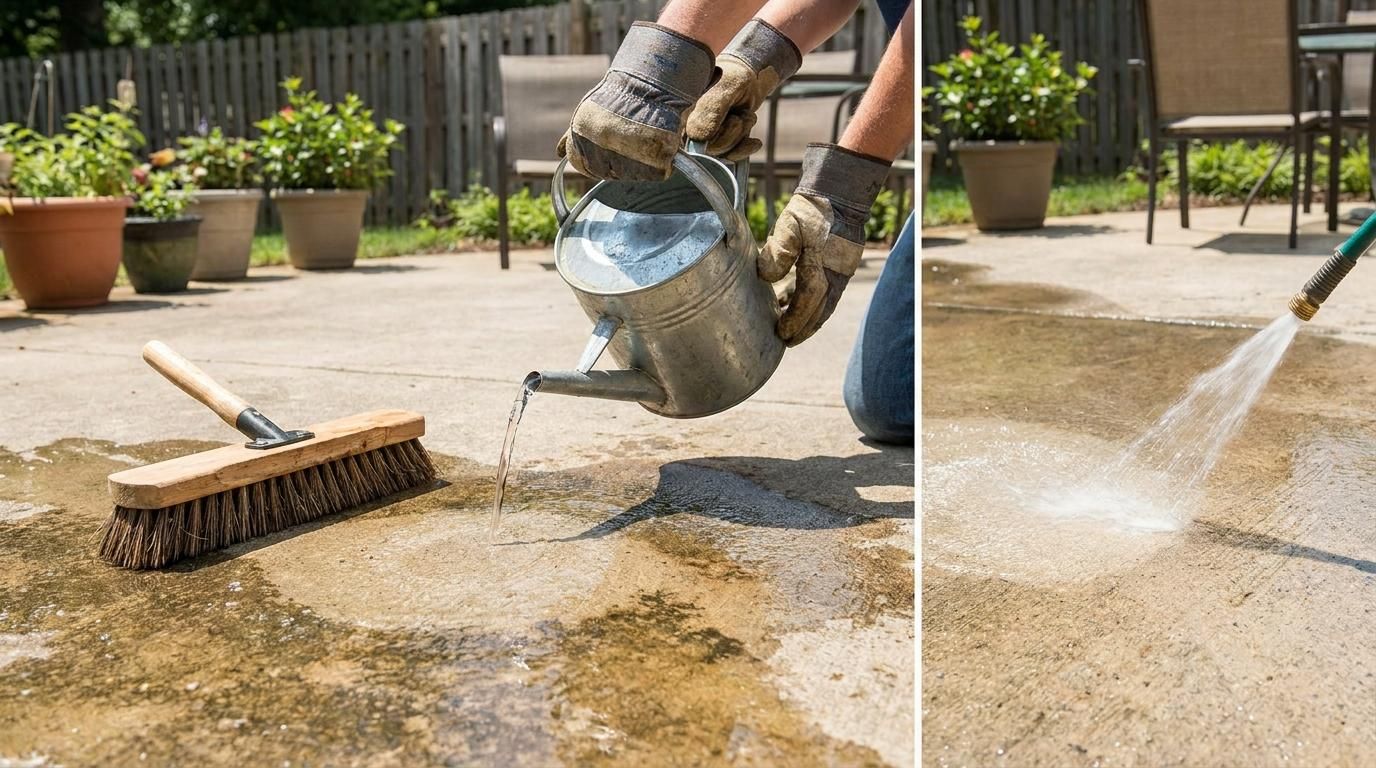
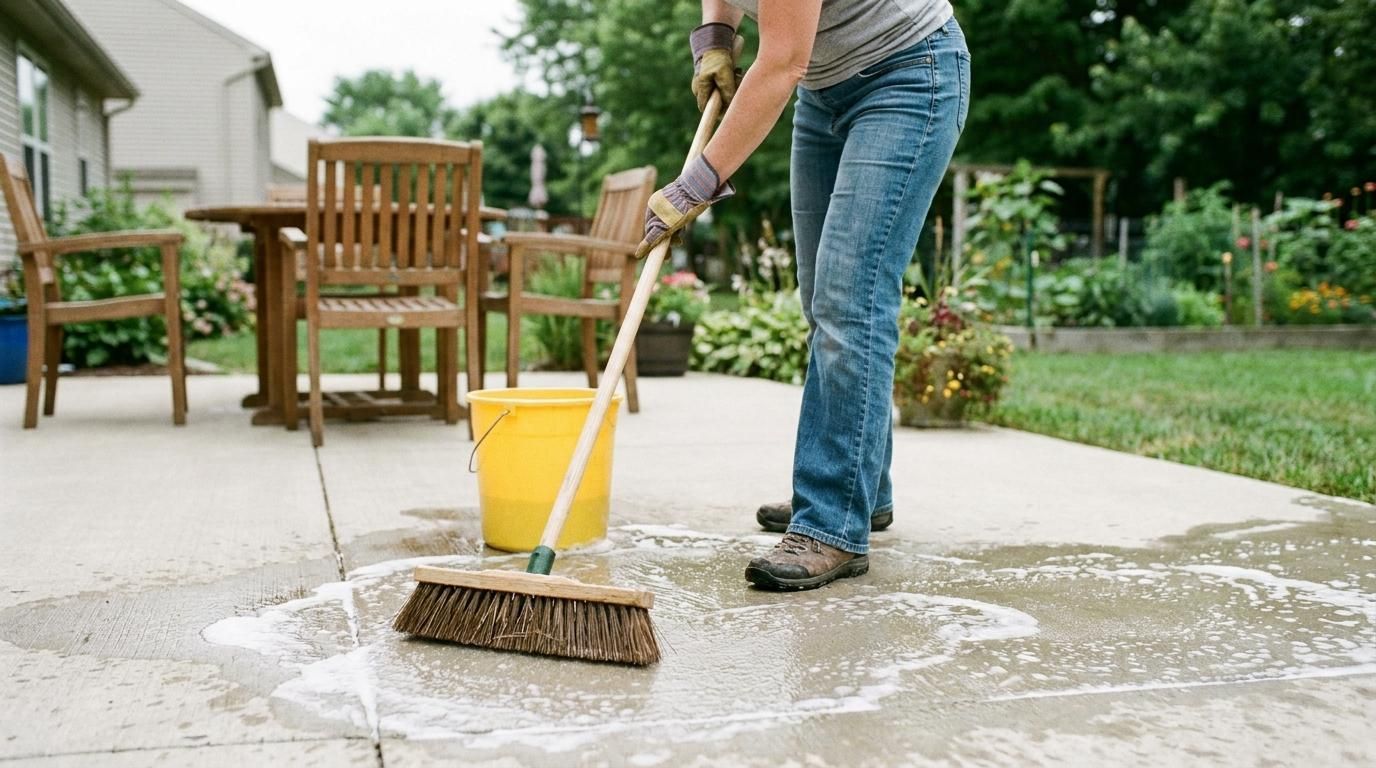
- Apply and scrub: Work in small sections with a stiff brush, letting it dwell only briefly.
- Neutralize and rinse: Follow with a baking-soda or ammonia solution, then rinse thoroughly so no acid lingers.
Never mix acid with bleach, and contain the runoff away from storm drains and landscaping. If any of this feels beyond your comfort level, our guide to what is safe for cleaning concrete points you toward lower-risk products.
Safer Alternatives for Indianapolis Concrete
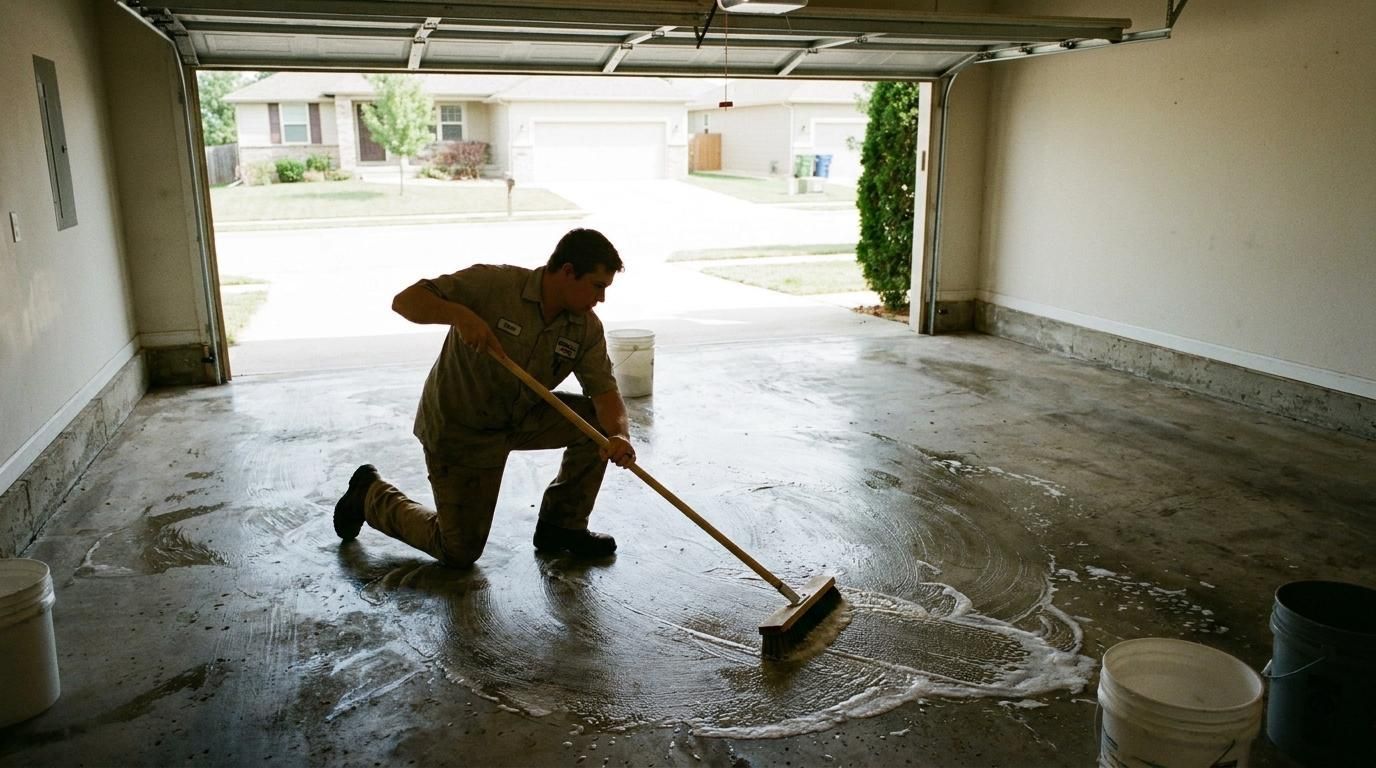
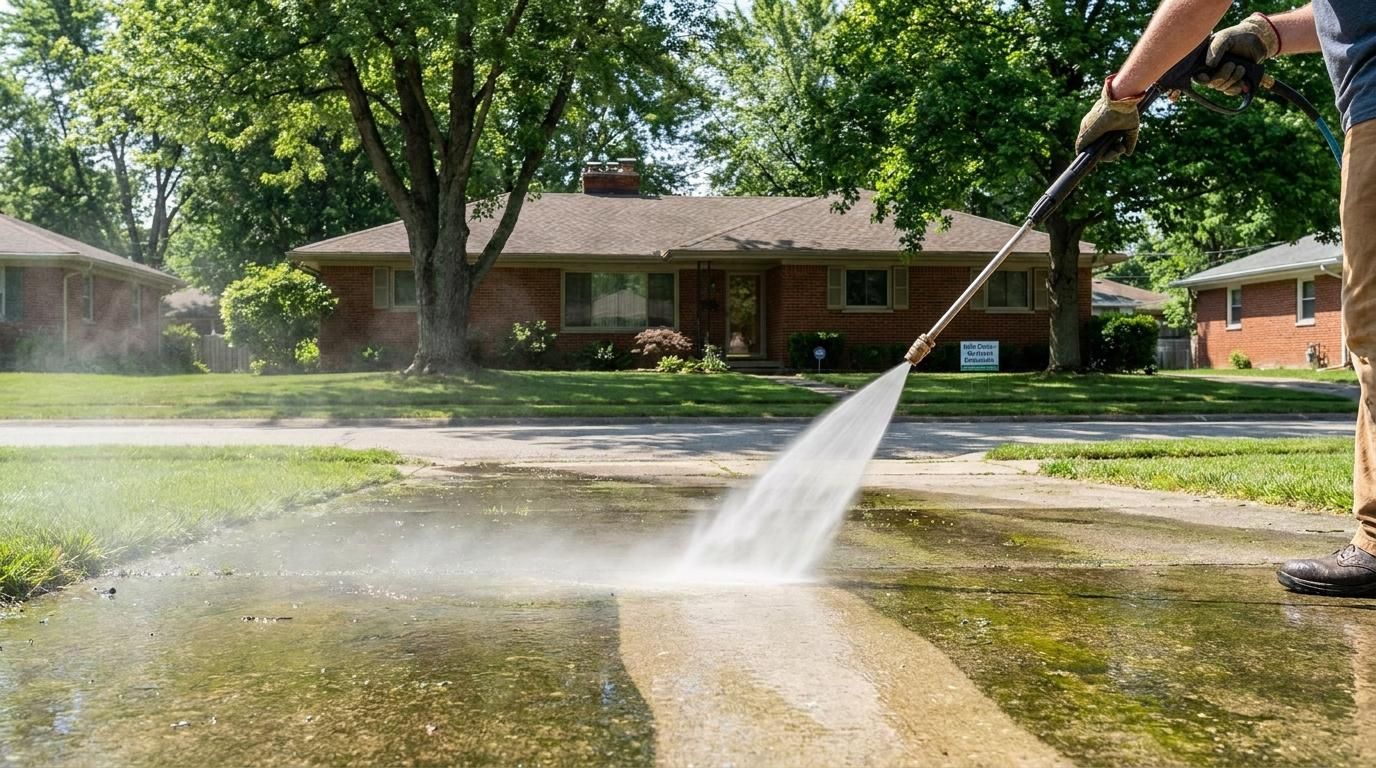
For the vast majority of residential cleaning, you can skip acid entirely. Professional pressure washing lifts dirt, mildew, and most surface stains without etching the concrete, and pH-neutral concrete cleaners handle oil and organic buildup safely. These methods clean thoroughly while leaving the surface intact.
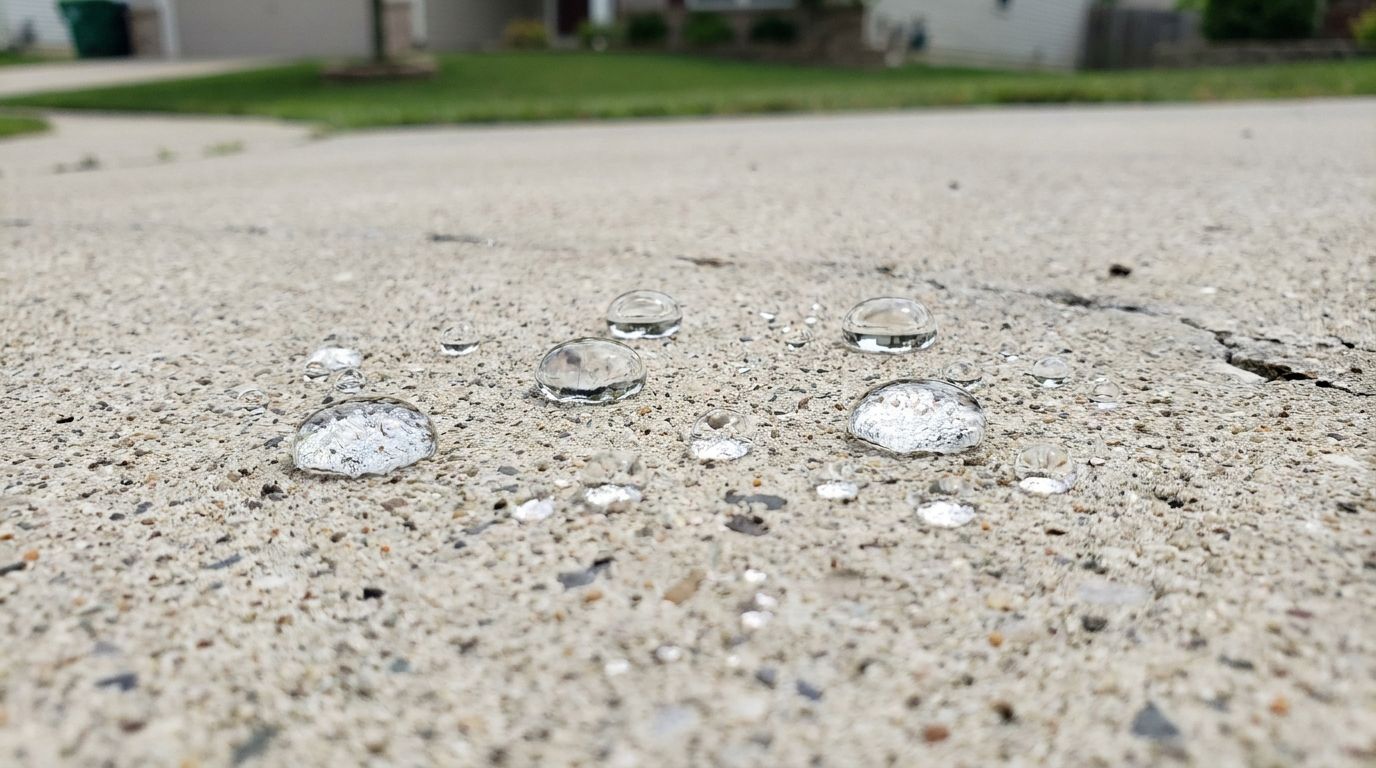
Once the concrete is clean, the best long-term defense against the stains acid is meant to fight is concrete sealing. A sealed surface resists water, salt, and mineral deposits, so efflorescence and staining have a much harder time taking hold in the first place, especially through Indiana's freeze-thaw winters.
Frequently Asked Questions
Will muriatic acid damage my concrete?
It can. Used at the wrong concentration or left on too long, muriatic acid etches and weakens the surface, leaving it rough and more porous. Proper dilution, brief dwell time, and a complete neutralize-and-rinse step keep that damage from happening.
Do I need to neutralize muriatic acid after using it on concrete?
Yes, always. Leftover acid keeps reacting with the concrete and can corrode nearby metal. Neutralize with a baking-soda or ammonia solution, then rinse the whole area well and direct the runoff away from plants and storm drains.
What can I use instead of muriatic acid to clean concrete?
Pressure washing and pH-neutral concrete cleaners handle most dirt, mildew, and stains without the risk. For stubborn mineral or rust stains, 317 Seal Inc. uses commercial-grade products and the right technique, so you avoid harsh acid altogether.
Clean Concrete Without the Risk
Muriatic acid earns its place for issues like efflorescence, mineral stains, and pre-coating etching, but it demands real caution and is the wrong choice for everyday cleaning. For most Indianapolis driveways and patios, pressure washing and the right cleaner do the job safely, while sealing afterward keeps stains from returning.
Are you facing a stain you’d rather not fight with acid? Get a free quote from 317 Seal Inc. or call us at (833) 317-7325. Let us clean and protect your concrete without the chemical hazards.