
What Is Efflorescence on Concrete? Causes, Removal & Prevention in Indianapolis

Kris Fricks • June 21, 2026

Removing efflorescence from concrete starts with gentle measures that escalate only when needed: dry-brush light deposits, rinse and scrub moderate buildup, and pressure wash or use a specialty cleaner for stubborn film. But here's the catch most homeowners miss: removing it only takes care of the surface. Efflorescence is mineral salt left behind when water moves through the slab and evaporates, so wiping it off does nothing about the moisture causing it, and the haze comes right back. Lasting removal means stopping the water, usually by sealing the concrete.

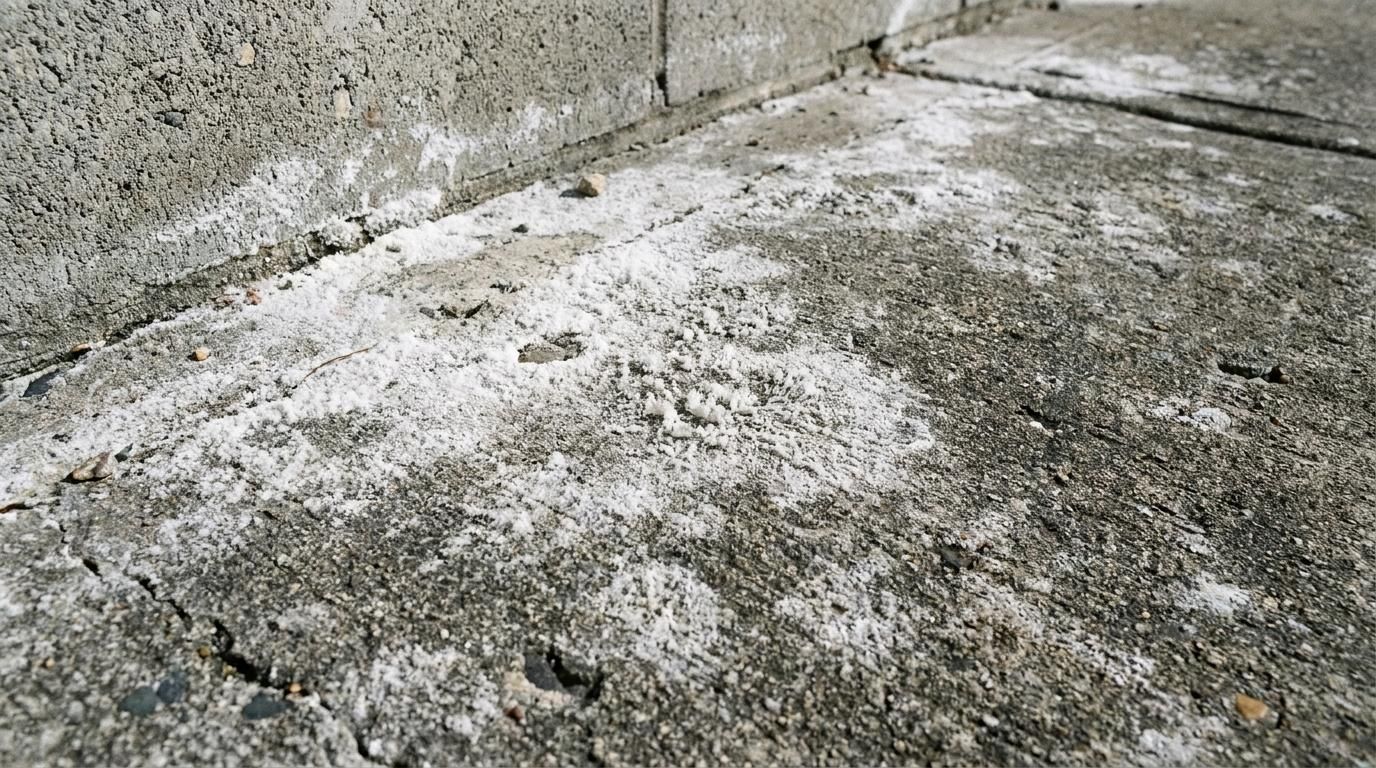
That white, chalky haze isn't mold and isn't a stain you can scrub away for good. It's a sign that moisture is traveling through your concrete. Light deposits brush or rinse off easily, but the heavy, stubborn film is where 317 Seal comes in, clearing it with professional pressure washing and then sealing the slab so the moisture that caused it stays out. That second step is the difference between removing the haze and removing it for good. Find out what causes efflorescence, how to remove it step by step, and how to keep it from returning.

What Causes Efflorescence on Concrete?

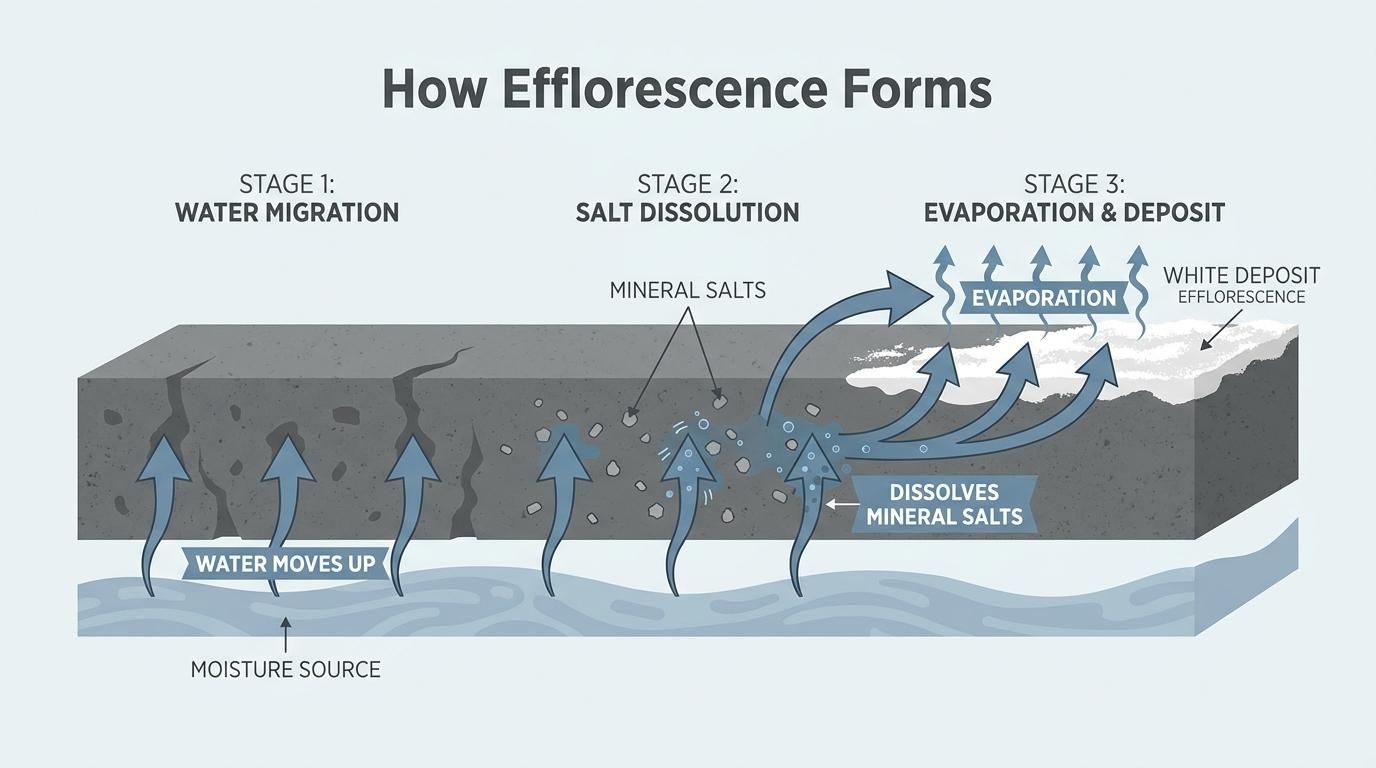
Efflorescence needs three things at once: soluble salts inside the concrete, moisture to dissolve them, and a path to the surface where the water evaporates and leaves the salt behind. Take away any one of those three factors and the haze stops forming. Common triggers include:

  • New concrete: Fresh slabs hold extra moisture and salts, so efflorescence is common in the first year.
  • Poor drainage: Standing water and damp soil keep feeding moisture into the slab from below.
  • Freeze-thaw moisture: Indiana's wet winters push water in and out of the concrete repeatedly.
  • Cracks and damage: Gaps give water an easy route through the surface.

When cracks or surface damage are letting moisture in, the haze is a clue to a bigger issue. In those cases, concrete repair and restoration addresses the source rather than just the symptom.

How to Remove Efflorescence From Concrete

Removal works best from gentlest to strongest. Start light and step up only if the deposit resists:

Dry Brushing

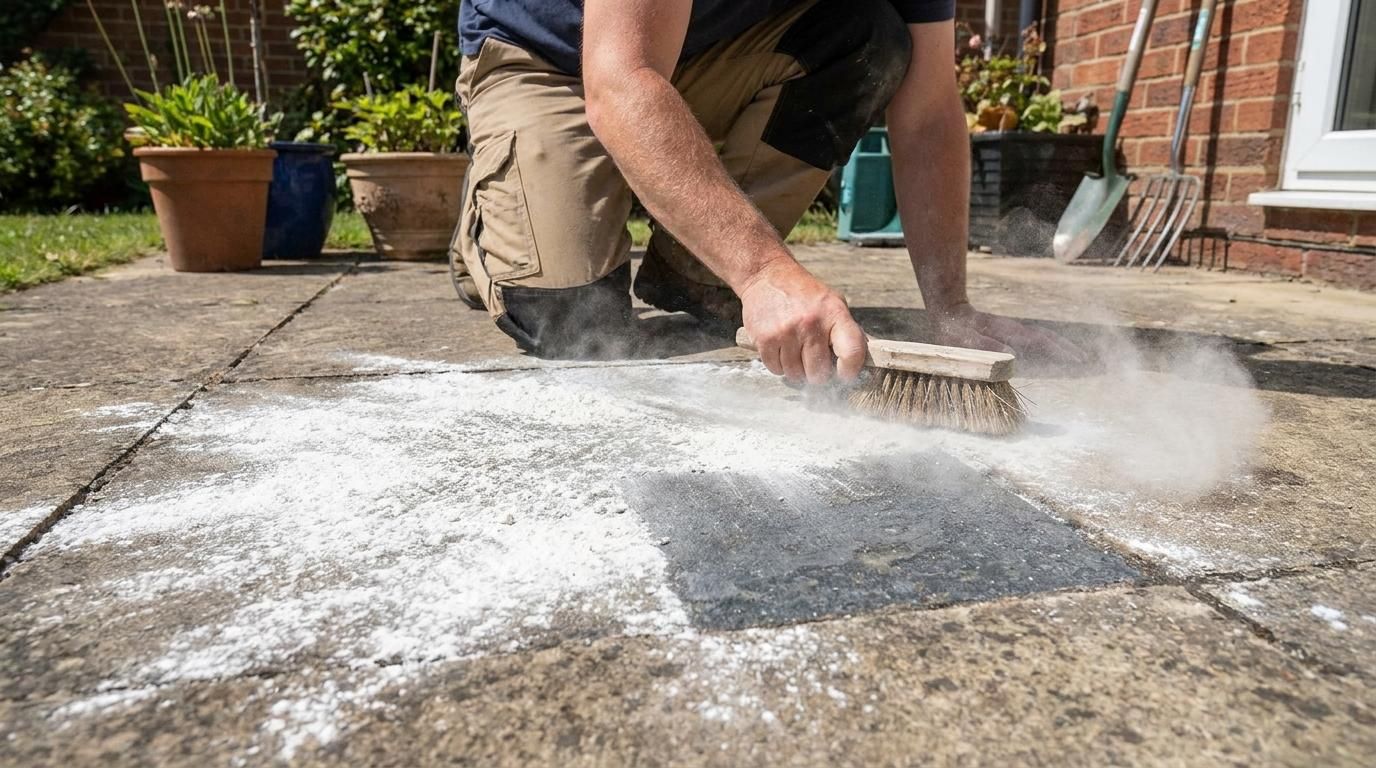
For light, fresh efflorescence, a stiff dry brush often knocks the powder loose. Sweep it up rather than wetting it, since added water can redissolve the salts and spread them. Work in dry conditions; brushing while the slab is damp just pushes the salts back into the pores. Catch the loosened powder with a dustpan or shop vacuum so it does not settle back onto the slab.

Water and Scrubbing

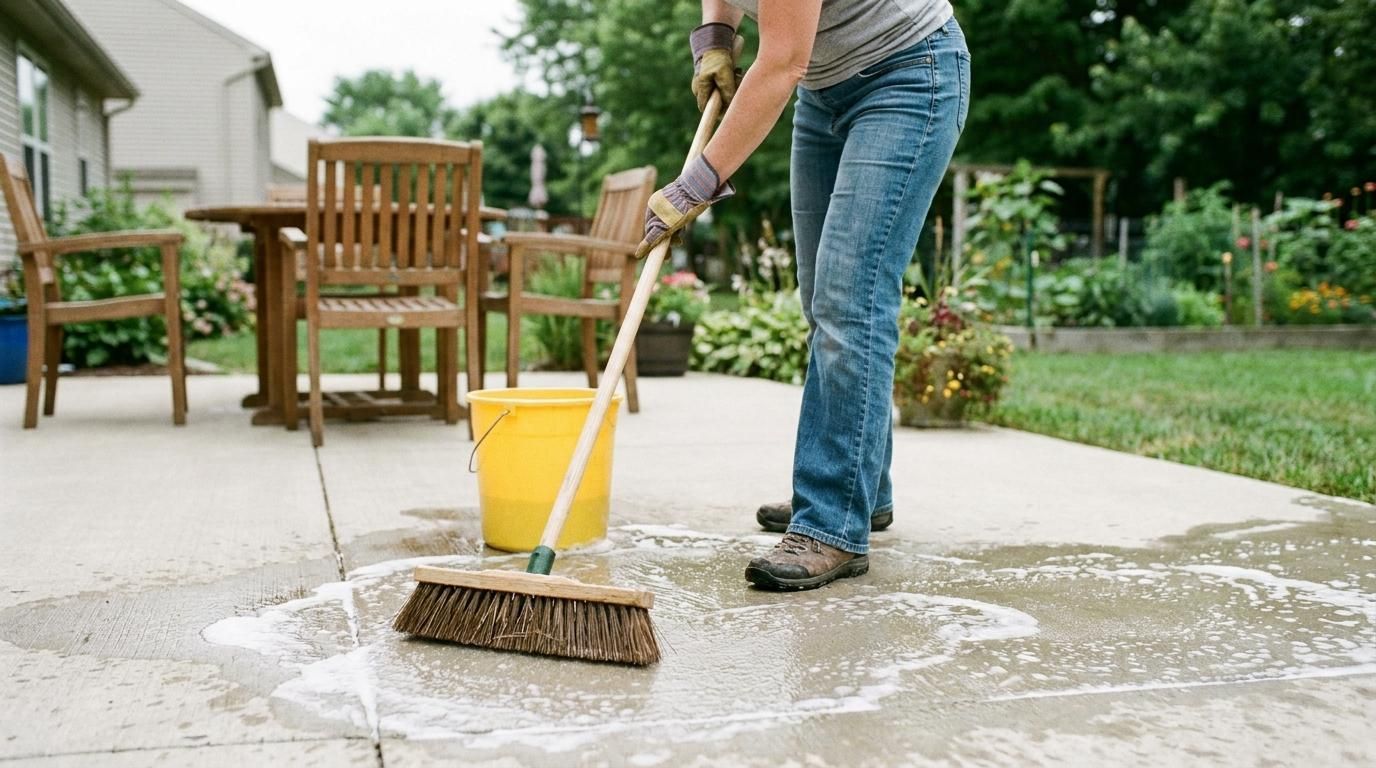
For moderate buildup, rinse with water and scrub, then rinse again and let the surface dry fully. Repeat if a faint haze returns as it dries. Use the least water you can, since soaking the slab feeds the very moisture that brings the haze back.

Pressure Washing or Specialty Cleaners

Heavy or stubborn deposits usually need pressure washing or a dedicated efflorescence cleaner. These are stronger methods, so technique matters to avoid etching the concrete, which is where a professional touch pays off. Let the surface dry for a day or two afterward and check whether the haze returns before deciding it is gone.

How to Prevent Efflorescence on Indianapolis Concrete

Since efflorescence is a moisture problem, prevention means keeping water out of the concrete. The most effective step is concrete sealing. A quality sealer fills the pores so water cannot carry salts to the surface, and it blocks the freeze-thaw moisture that drives the cycle here.

Good drainage helps too, directing water away from the slab so the soil underneath stays drier. Together, sealing and drainage stop efflorescence at the source instead of fighting it again every season.

Frequently Asked Questions

Is efflorescence on concrete a serious problem?

The white deposit itself is cosmetic and will not destroy your concrete. But it signals that moisture is moving through the slab, and ongoing moisture can lead to spalling, cracking, and freeze-thaw damage over time, so it is worth addressing the cause.

Will efflorescence go away on its own?

Sometimes the haze fades once new concrete finishes curing and the loose salts work out. More often it keeps returning as long as moisture moves through the slab. Removing the deposit and sealing the surface is what makes it stop for good.

Can I just paint or seal over efflorescence?

No. Sealing or painting over the deposit traps salts and moisture underneath, and the coating soon peels or clouds. The surface must be cleaned and dried first. 317 Seal Inc. removes the efflorescence, lets the concrete dry, then seals it so the barrier actually holds.

Stop the White Haze for Good

Efflorescence is the visible sign of moisture moving through your concrete, not a stain to scrub and forget. You can clear the deposit with a brush, a rinse, or a pressure washer, but that only treats the symptom. As long as water keeps traveling through the slab, the salts keep surfacing. The fix that holds is sealing the concrete and improving drainage so the moisture can't carry salt to the surface in the first place. That's the difference between scrubbing the same haze off every season and clearing it once.

Tired of the white haze coming back on your driveway or patio? Contact 317 Seal Inc. at (833) 317-7325, and we'll remove the efflorescence and seal your concrete so it stays clear.

How to clean a concrete patio DIY methods
By Kris Fricks June 29, 2026
Learn how to clean a concrete patio with DIY methods for grime and algae, how to handle tough stains, and when to call an Indianapolis pro to clean and seal it.
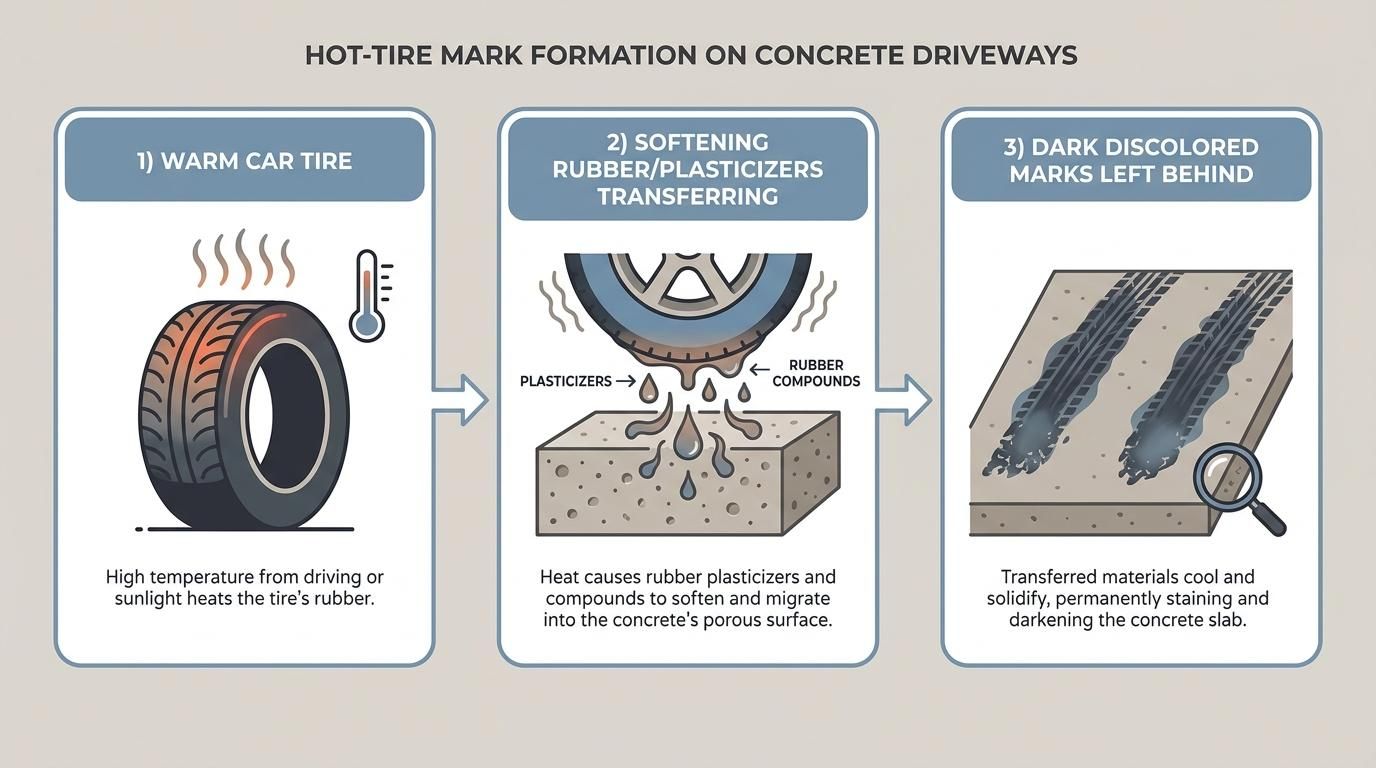
What causes tire marks on concrete
By Kris Fricks June 25, 2026
Learn how to remove tire marks from your concrete driveway in Indianapolis with degreasers, scrubbing, and pressure washing, plus how sealing keeps them from returning.
How to clean a concrete garage floor step by step
By Kris Fricks June 18, 2026
Learn how to clean a concrete garage floor step by step, tackle oil, salt, and rust stains, and keep it low-maintenance with sealing. Indianapolis pro tips.
Why pool decks need sealing before summer
By Kris Fricks June 15, 2026
Pool deck sealing in Indianapolis protects concrete from chlorine, splash-out, UV, and freeze-thaw. Learn why to seal before summer and how often to reseal.
Is muriatic acid safe to use on concrete
By Kris Fricks June 10, 2026
Is muriatic acid safe on concrete? Learn when to use it, how to apply it safely, and the gentler alternatives most Indianapolis driveways and patios actually need.
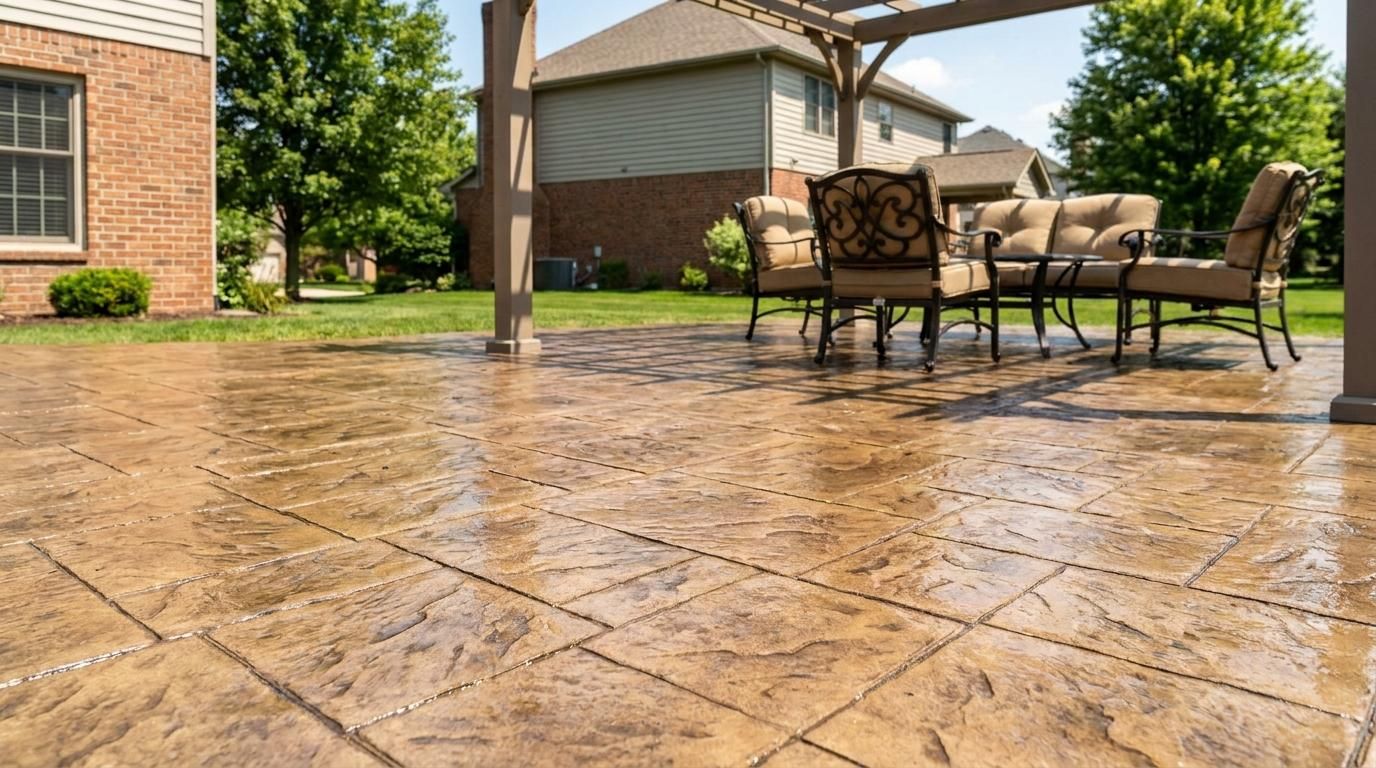
Types of stamped concrete sealer compared
By Kris Fricks June 6, 2026
Compare the best stamped concrete sealers for Indianapolis driveways and patios: acrylic, polyurethane, and penetrating. See which holds up to freeze-thaw and sun.
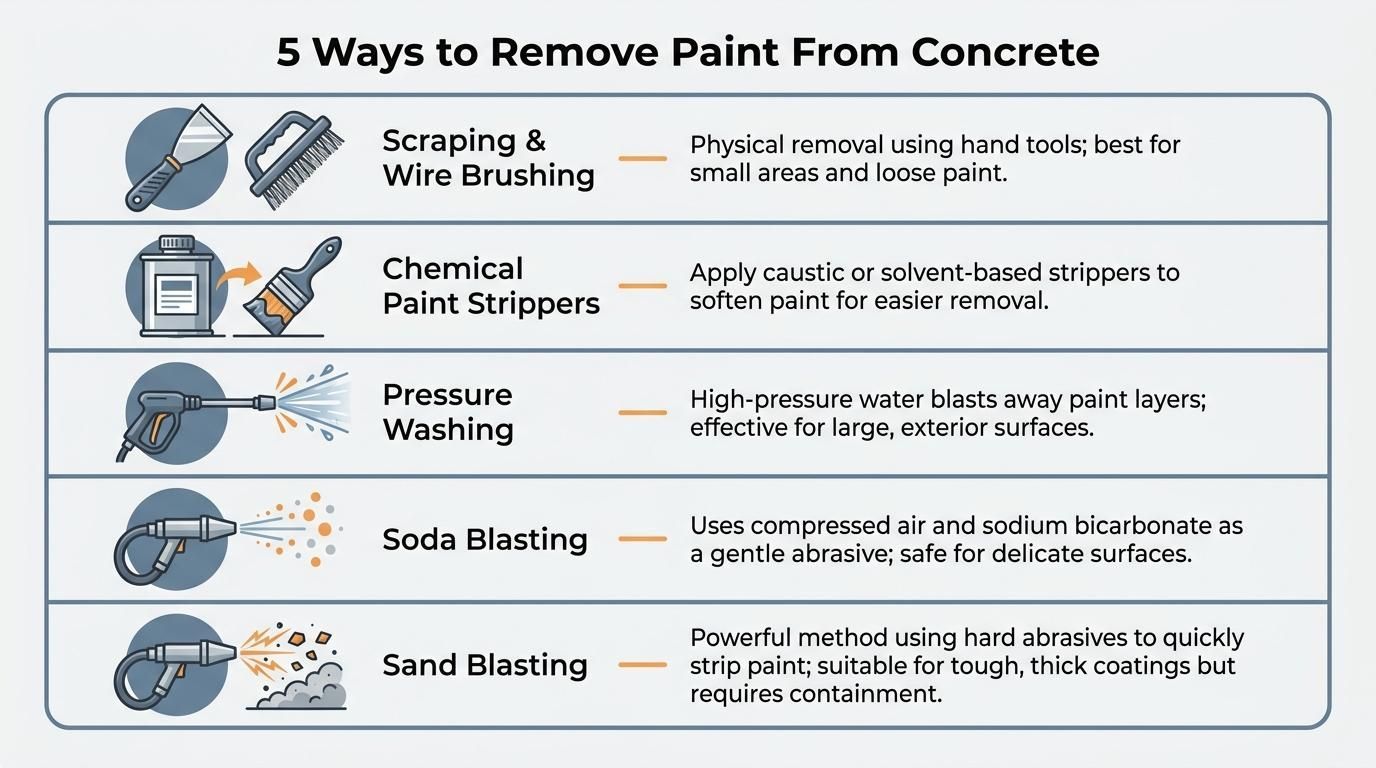
5 methods to remove paint from concrete
By Kris Fricks June 2, 2026
Learn how to remove paint from concrete with 5 methods Indianapolis pros use, from chemical strippers to sand blasting, plus when to call 317 Seal Inc.
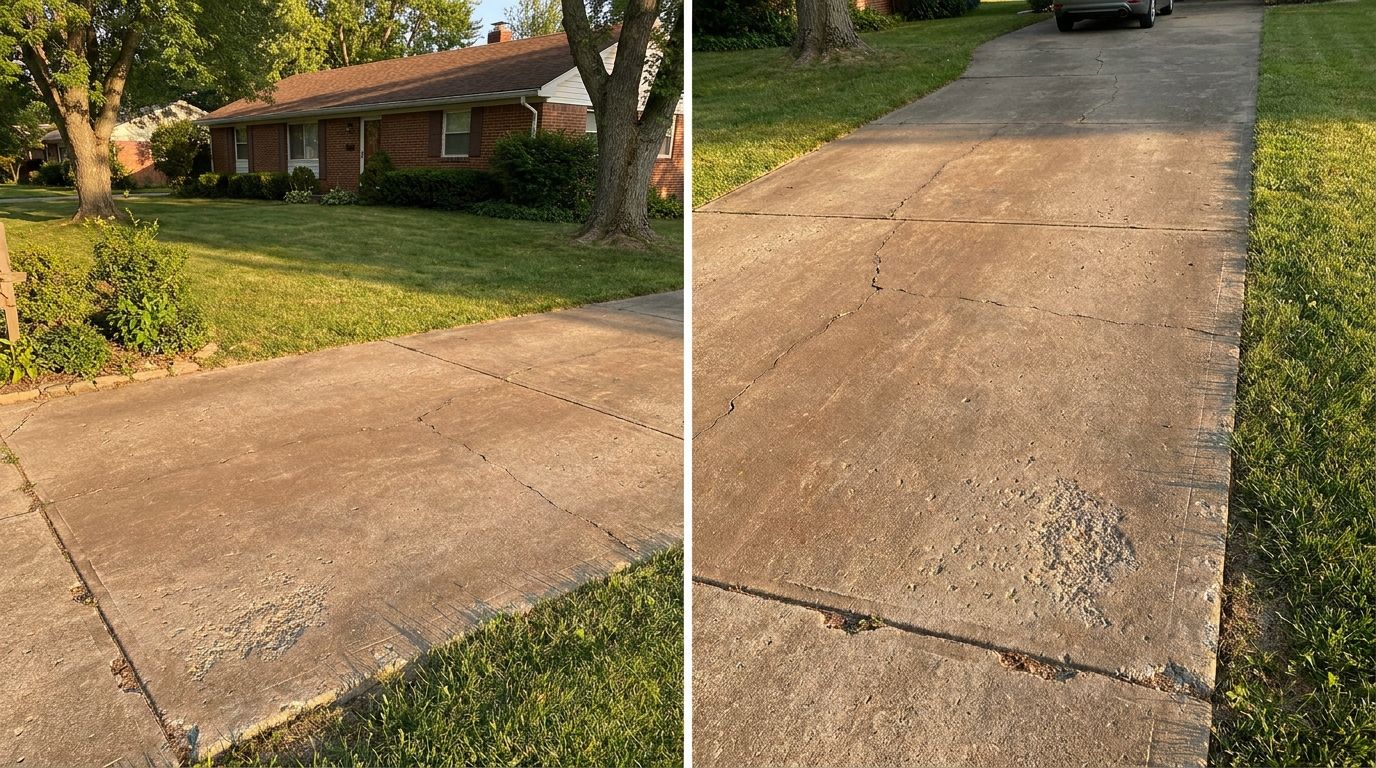
By Kris Fricks May 29, 2026
A well-maintained concrete driveway lasts 25 to 30 years in Indianapolis. Learn what shortens its lifespan and how sealing extends it.
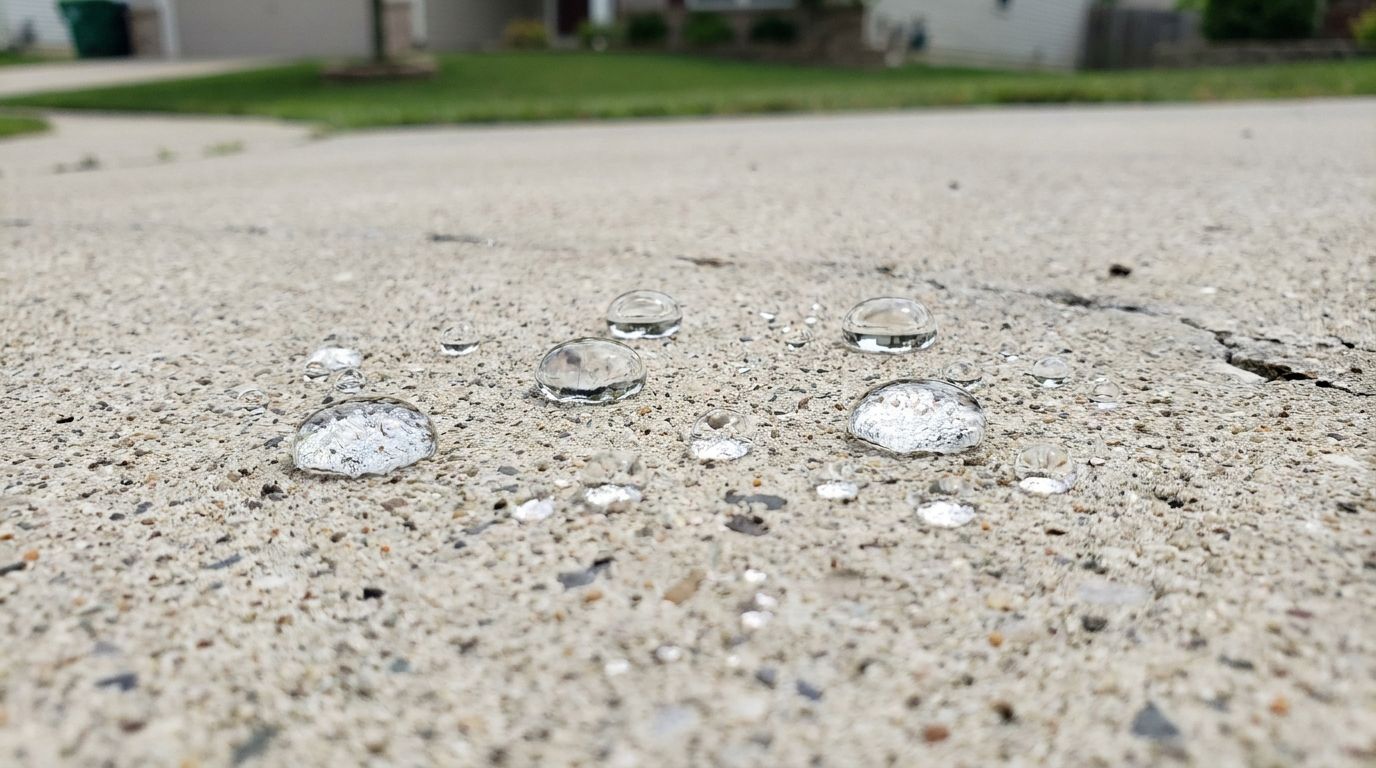
By Kris Fricks May 25, 2026
Use these four simple tests to check whether your concrete is sealed before reapplying sealer or scheduling professional concrete care.
By Kris Fricks May 21, 2026
Indianapolis driveways need resealing every 2 to 3 years due to freeze-thaw cycles and road salt. Learn how to tell when yours is due.
Show More