Best Stamped Concrete Sealer for Indianapolis Driveways & Patios (2026 Guide)

Kris Fricks • June 6, 2026

The best stamped concrete sealers fall into three families: film-forming acrylics, tougher polyurethanes, and penetrating sealers. For most Indianapolis driveways and patios, a quality acrylic sealer offers the best balance of color enhancement, UV protection, and value, while polyurethane and penetrating options each serve more specific needs.

If you’re weighing one product against another, the real choice is less about brand names and more about how each type handles Indiana's sun, rain, and freeze-thaw swings. The right pick protects the decorative pattern you paid for. Through years of professional concrete sealing in Indianapolis, 317 Seal has found that success depends on matching the exact sealer formulation to how the space is actually used. Which sealer holds up best on a shaded patio versus a high-traffic driveway? The breakdown below compares the main types so you can choose with confidence.

Types of Stamped Concrete Sealer Compared

Stamped concrete sealers differ in how they protect the surface and how they look once cured. Here is how the three main types stack up.

Acrylic Sealers

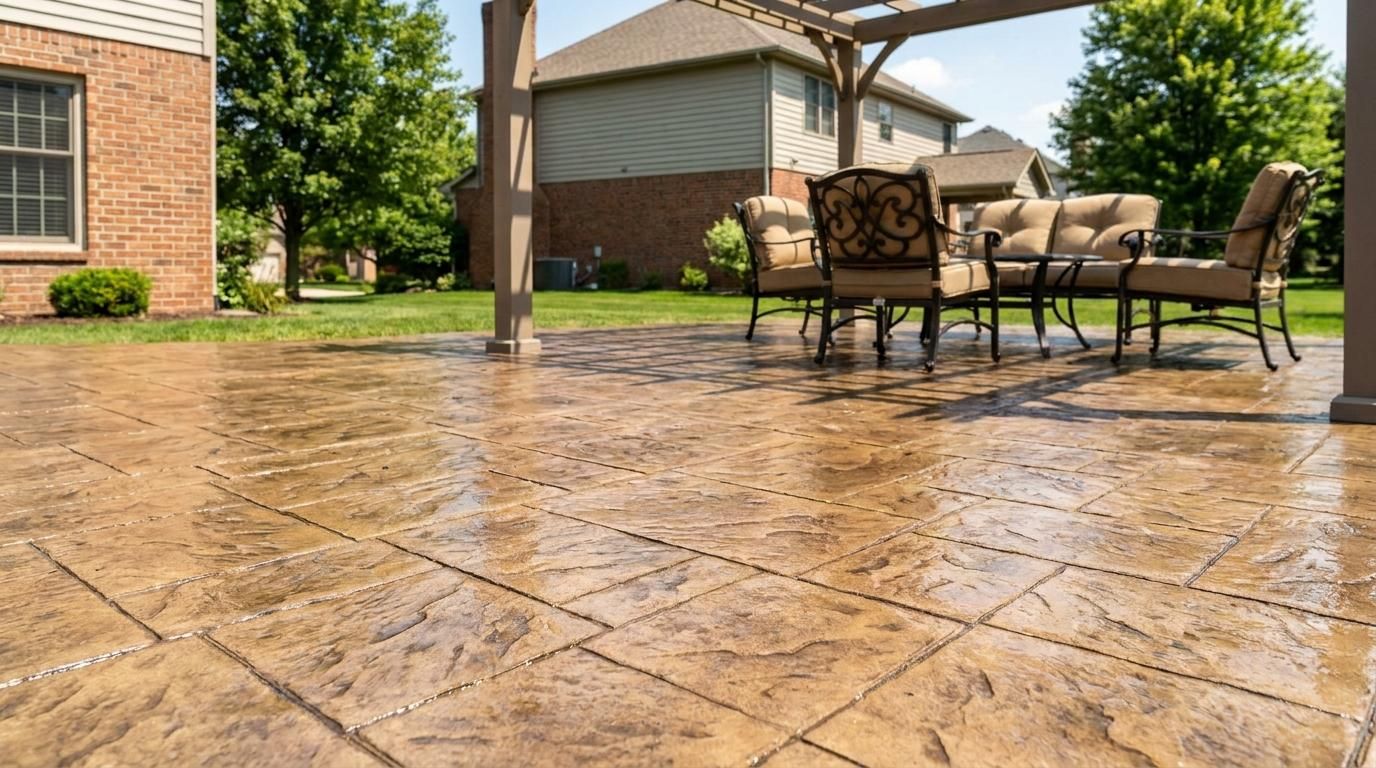
Acrylics are the most popular choice for stamped concrete. They form a clear film that enriches color, adds a low to high gloss, and resists UV fading. They are affordable and easy to reapply, though the film wears in high-traffic spots and needs resealing more often than other types.

Polyurethane Sealers

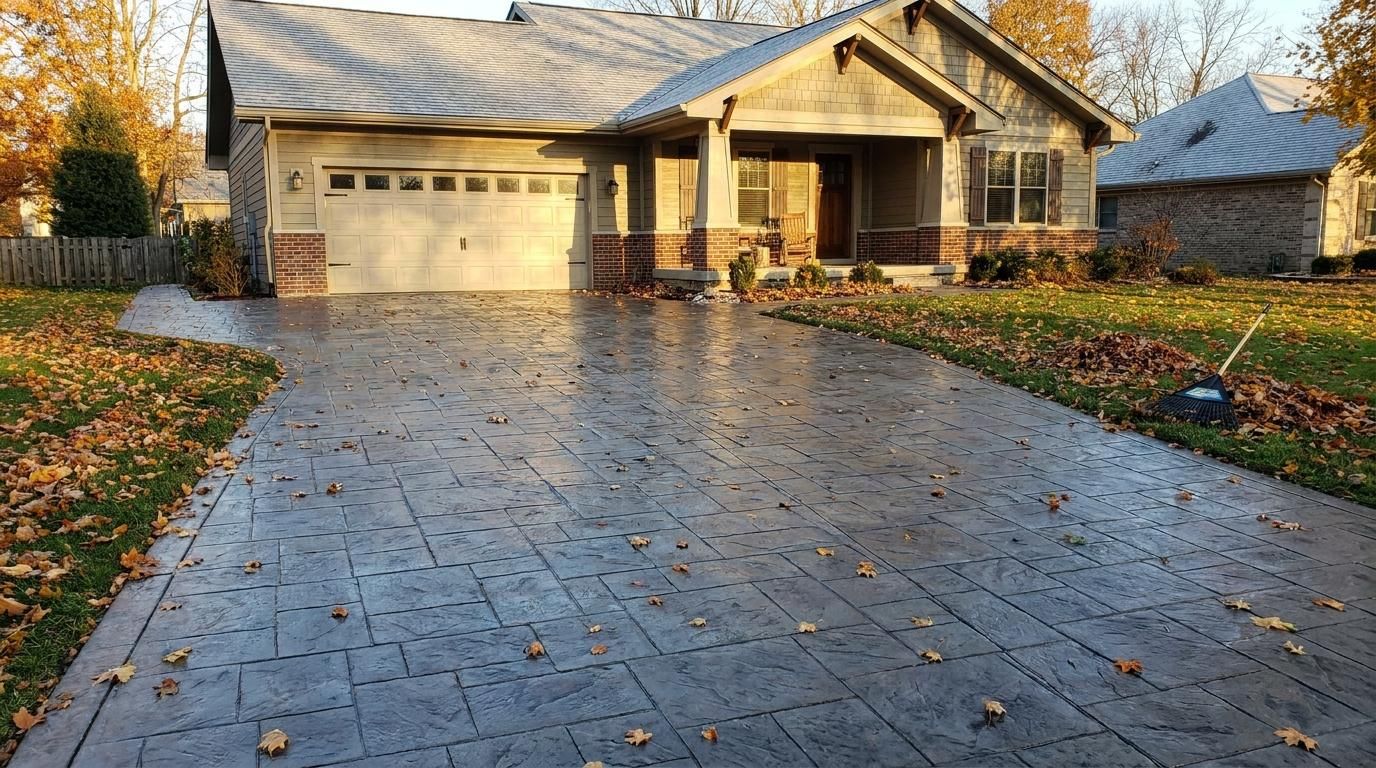
Polyurethane goes on over an acrylic base coat as a tougher top layer. It stands up to abrasion, chemicals, and heavy foot or tire traffic, making it a strong fit for busy driveways and patios. It costs more and calls for careful application.

Penetrating Sealers

Penetrating sealers soak into the concrete instead of coating it, so they leave a natural, matte look with no film to peel. They offer excellent water and salt protection but little color boost or gloss.

To understand the protection any sealer provides, see our overview of what sealing concrete actually does.

What to Look For in a Stamped Concrete Sealer

Beyond the type, a few features separate a sealer that lasts from one that disappoints. Check for these before you buy:

  • UV resistance: Stops the sun from fading the color and yellowing the finish over the years.
  • Slip resistance: A non-slip additive matters on patios and pool surrounds that get wet.
  • Sheen level: Choose matte, satin, or high gloss based on the look you want, knowing higher gloss shows wear faster.
  • Breathability: The sealer should let trapped moisture escape so it does not cloud or peel.

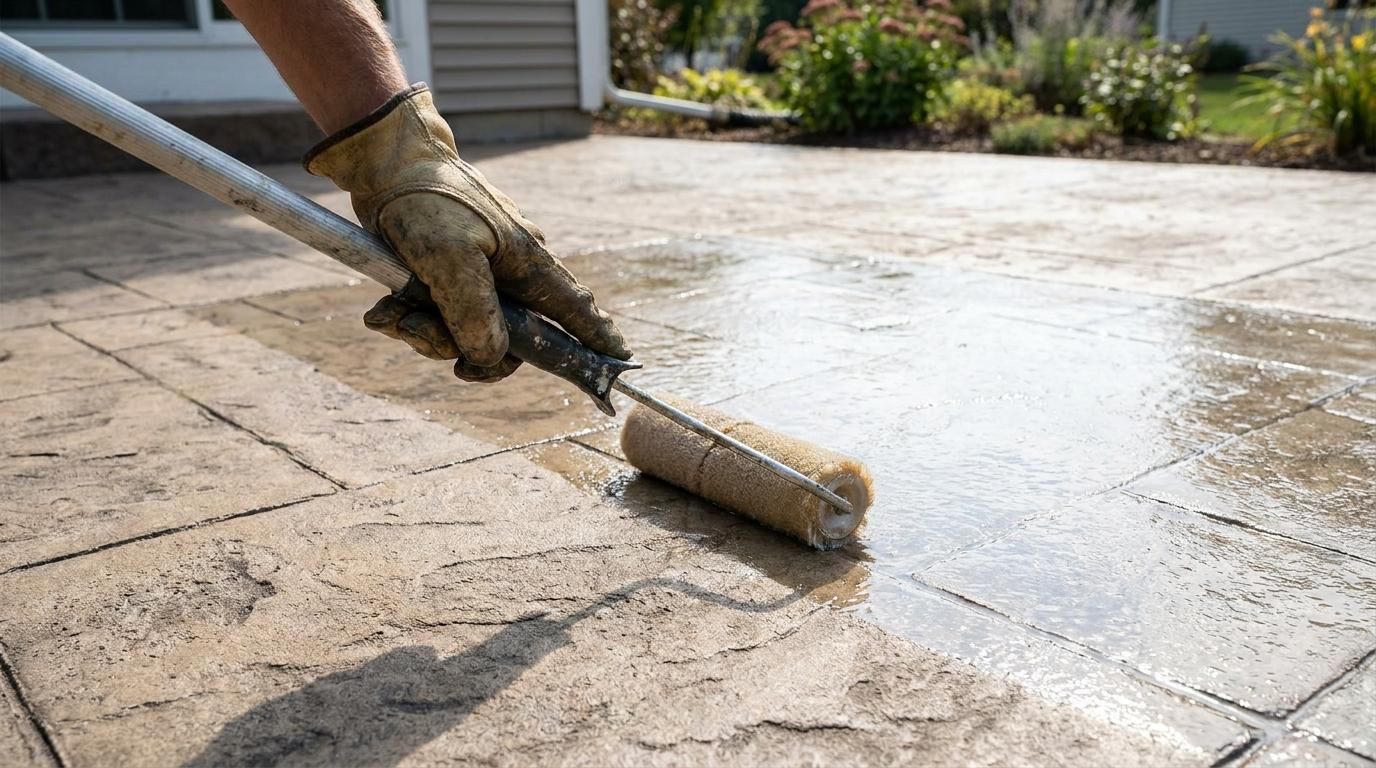
Matching these features to your space is where experience pays off. Our residential concrete washing and sealing starts with cleaning the surface, then applying the right sealer at the right thickness so the finish cures evenly and lasts.

Sealing Stamped Concrete in Indianapolis: Timing and Maintenance

Indianapolis weather is hard on decorative concrete. Freeze-thaw cycles drive water into any unsealed pore, and road salt tracked off the street eats at the surface, so a fresh, intact sealer is your first line of defense each winter.

Plan to reseal stamped concrete every two to three years, and always seal on a dry stretch when temperatures hold above the product's minimum. Spring and early fall are ideal windows here. Our 5-step sealing process includes surface prep, cleaning, and curing so the new coat bonds properly instead of trapping dirt or moisture underneath.

Frequently Asked Questions

How often should I reseal stamped concrete in Indianapolis?

Every two to three years for most driveways and patios. High-traffic areas and surfaces in full sun may need it sooner. If water no longer beads on the surface or the color looks dull, it is time to reseal.

Is a glossy or matte sealer better for stamped concrete?

It comes down to looks and upkeep. Glossy acrylics deepen color and make patterns pop but show scuffs and wear faster. Matte or satin penetrating sealers look natural and hide wear, with less color enhancement. Both protect the concrete when applied correctly.

Can I seal stamped concrete myself or should I hire a pro?

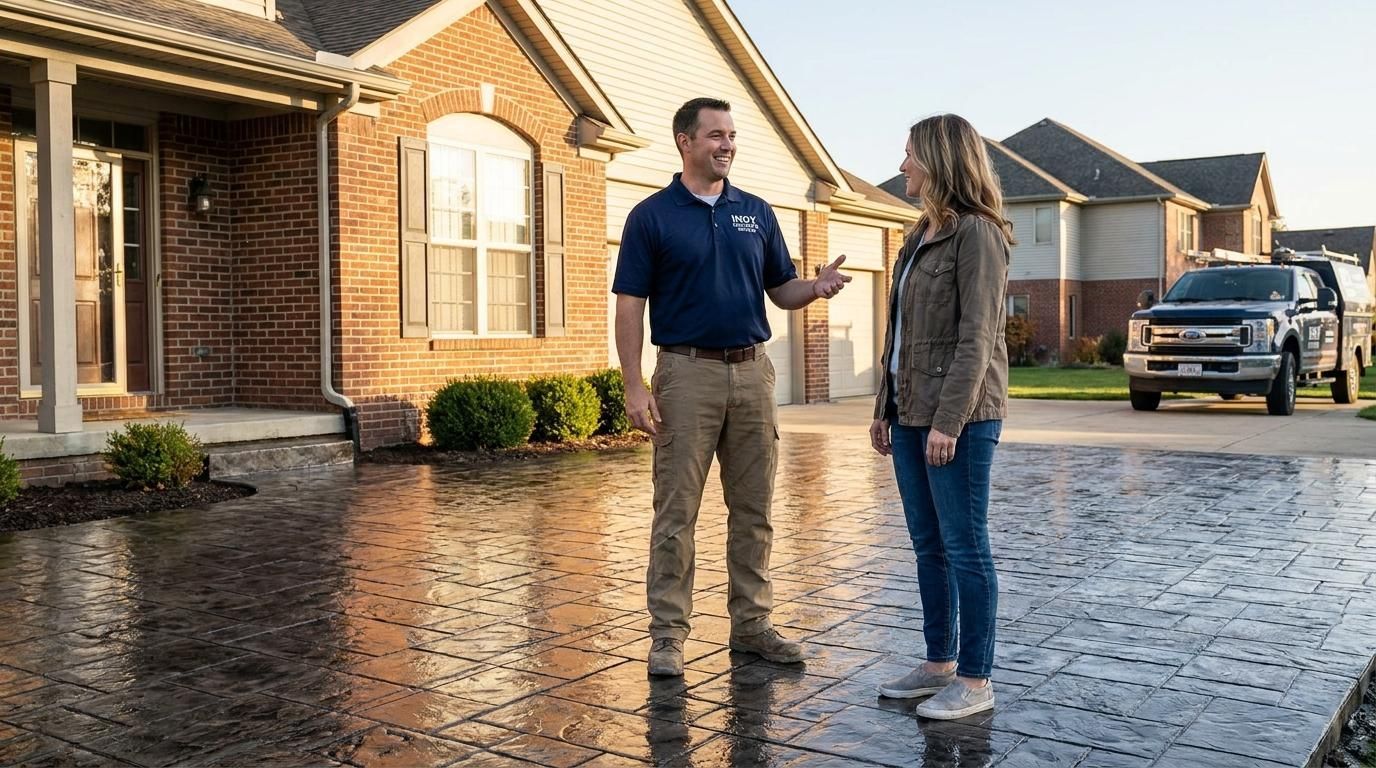
Small patios are a doable DIY project, but even coverage, the right product, and proper curing are easy to get wrong, and a failed coat means stripping and starting over. 317 Seal Inc. handles cleaning, sealing, and timing so the finish lasts and the pattern stays sharp.

Choosing the Right Sealer for Your Concrete

For most Indianapolis homeowners, a quality acrylic sealer delivers the best mix of color, protection, and value. Use polyurethane for high-traffic surfaces. Or apply penetrating sealers if a natural look and maximum moisture resistance matter most. Whichever you choose, clean prep and proper timing decide how long it lasts.

Not sure which sealer fits your driveway or patio? Get a free quote from 317 Seal Inc. or call us at (833) 317-7325. We’ll recommend the right product and apply it so your stamped concrete looks great for years.

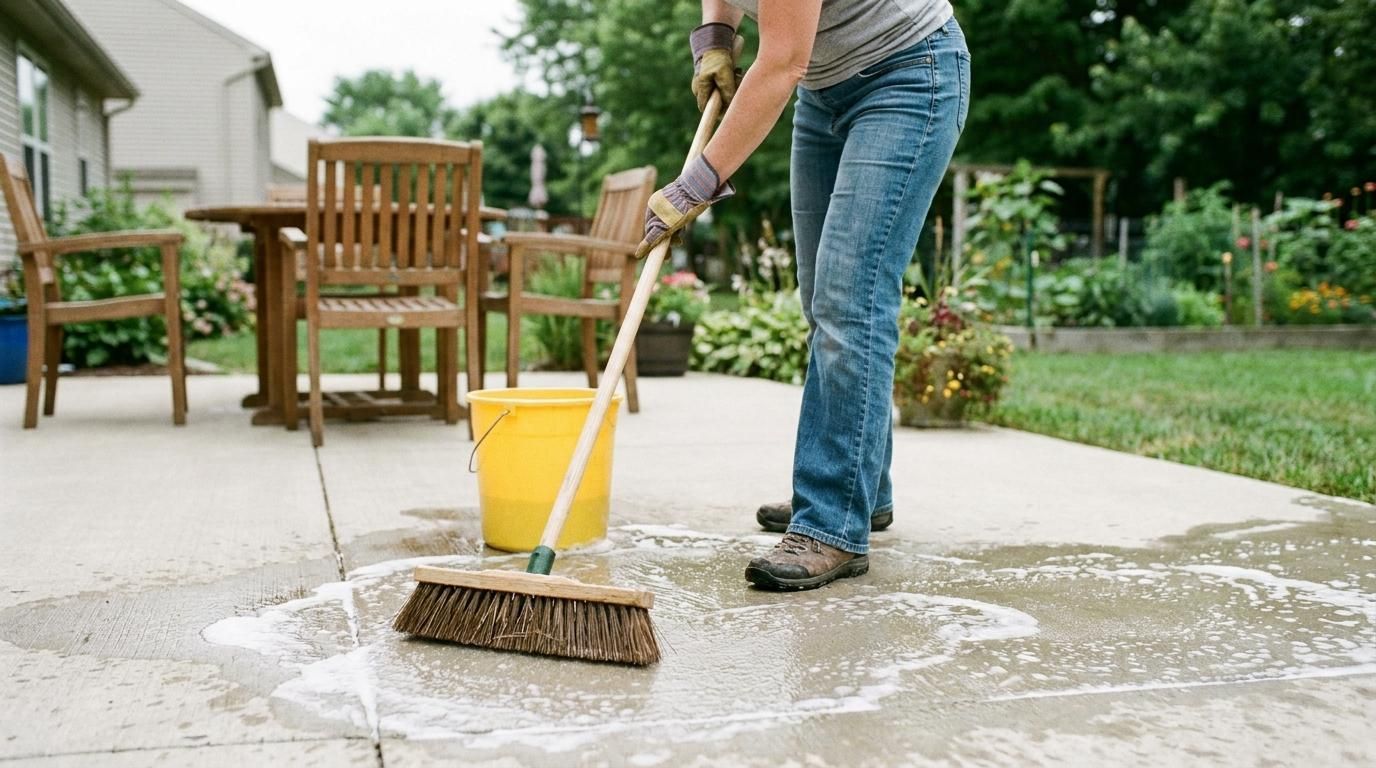
How to clean a concrete patio DIY methods
By Kris Fricks June 29, 2026
Learn how to clean a concrete patio with DIY methods for grime and algae, how to handle tough stains, and when to call an Indianapolis pro to clean and seal it.
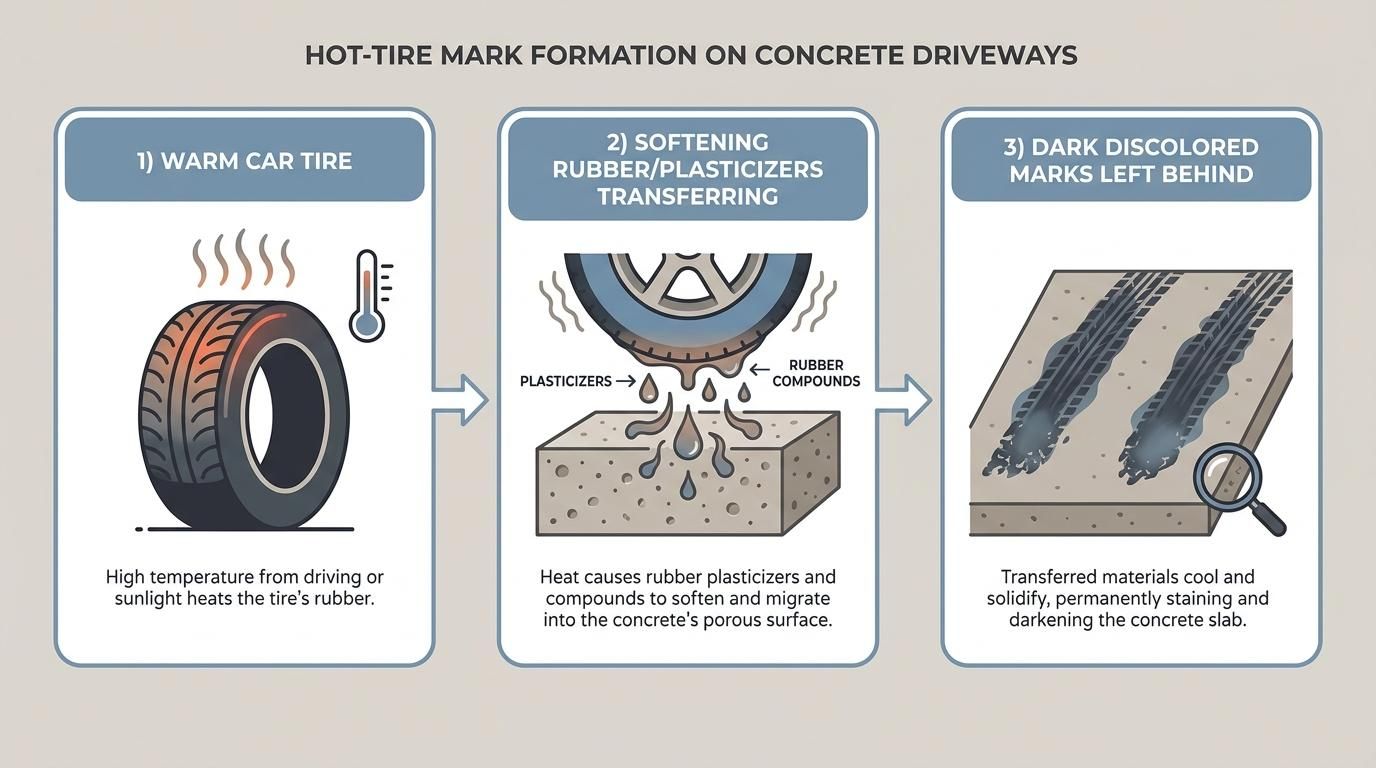
What causes tire marks on concrete
By Kris Fricks June 25, 2026
Learn how to remove tire marks from your concrete driveway in Indianapolis with degreasers, scrubbing, and pressure washing, plus how sealing keeps them from returning.
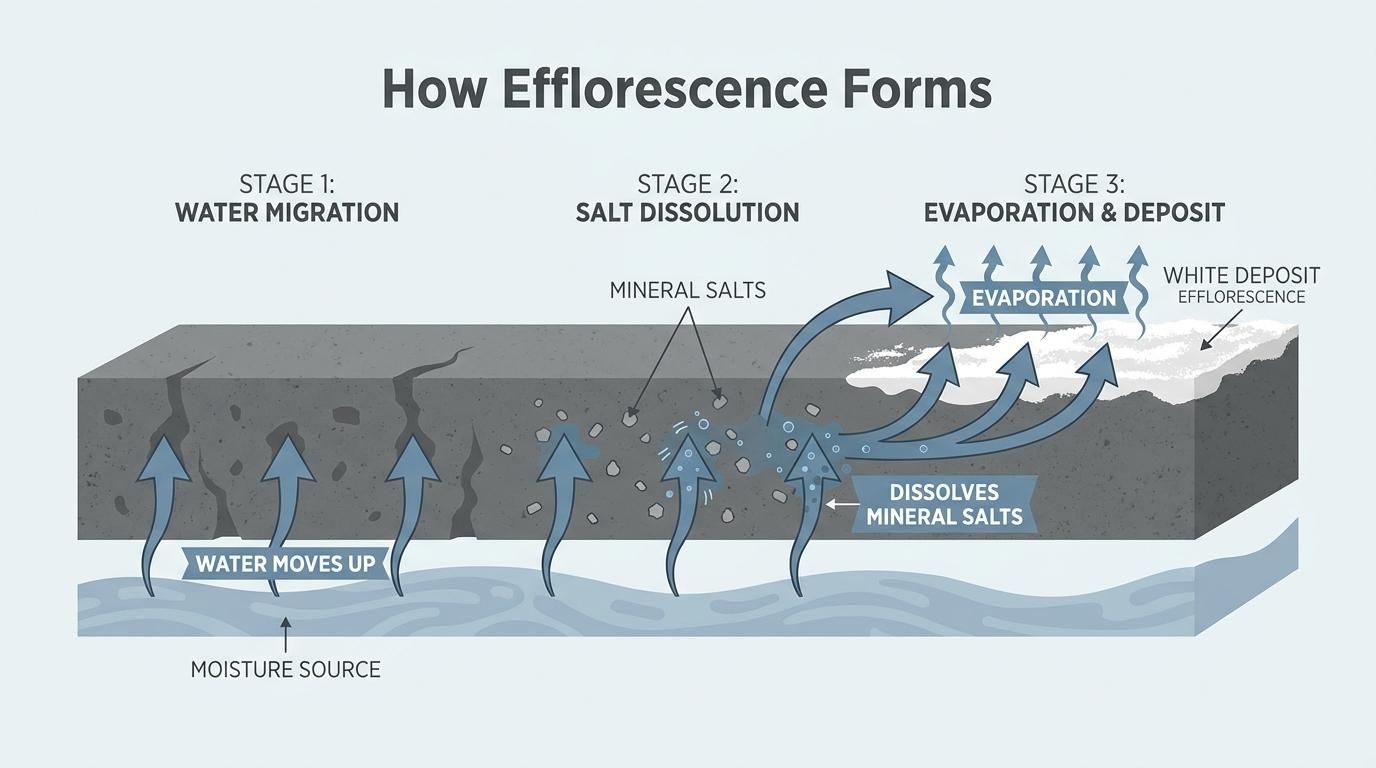
What causes efflorescence on concrete
By Kris Fricks June 21, 2026
What is efflorescence on concrete? Learn what causes the white haze, how to remove it step by step, and how sealing prevents it from returning in Indianapolis.
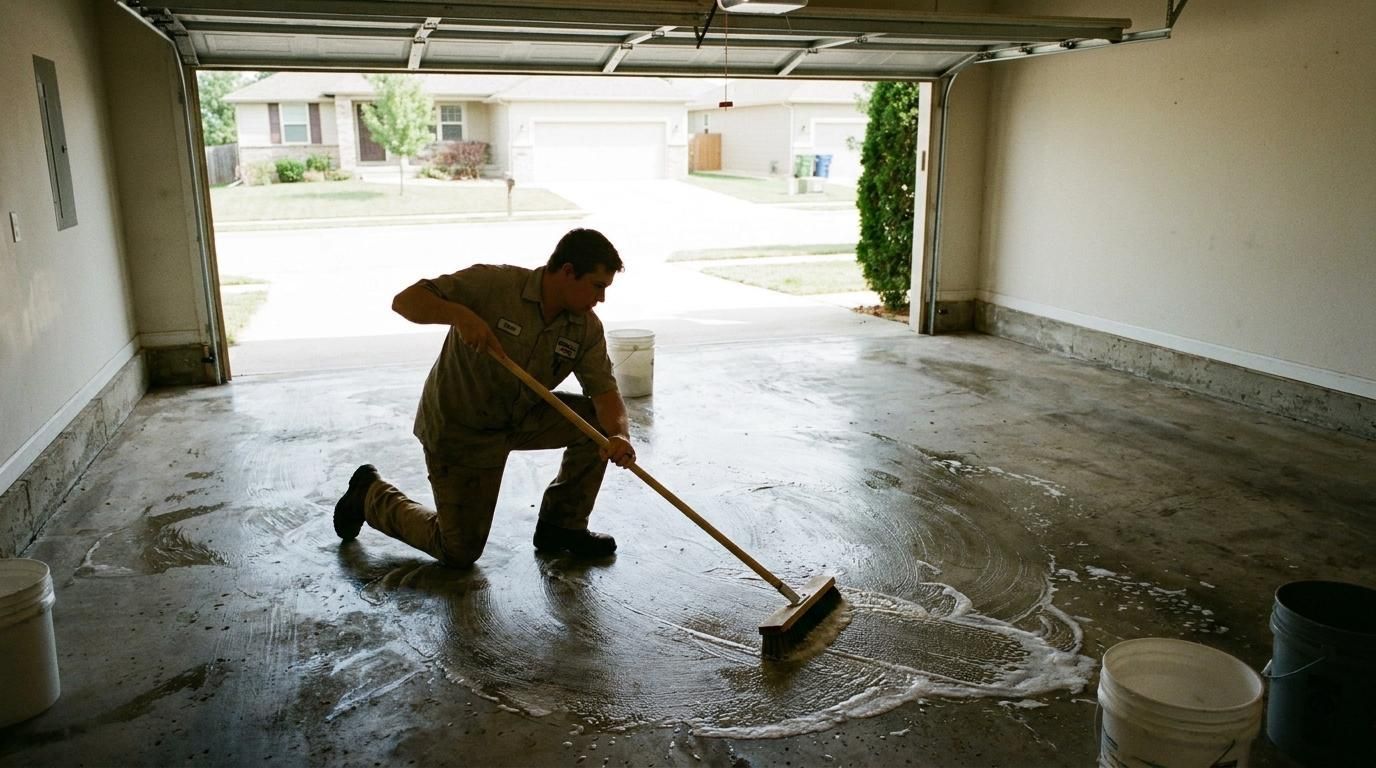
How to clean a concrete garage floor step by step
By Kris Fricks June 18, 2026
Learn how to clean a concrete garage floor step by step, tackle oil, salt, and rust stains, and keep it low-maintenance with sealing. Indianapolis pro tips.
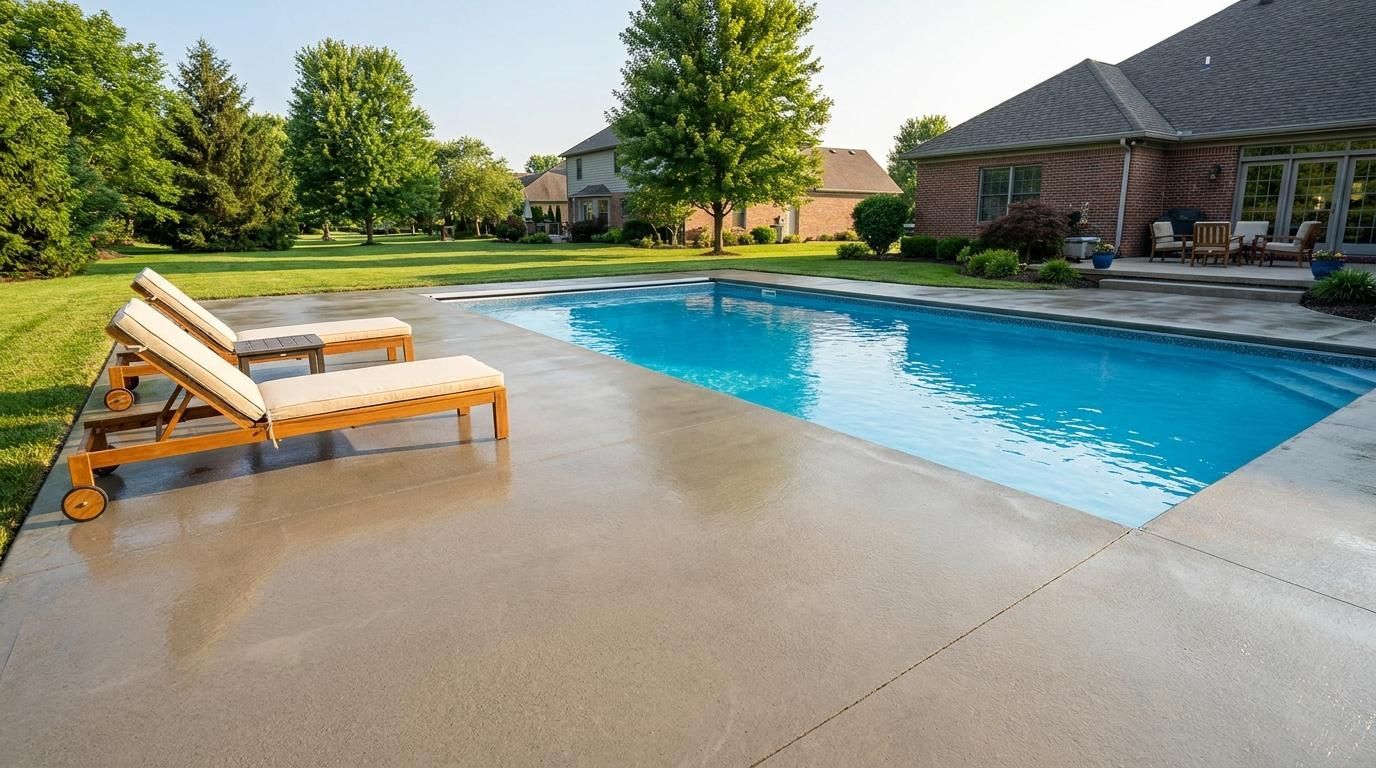
Why pool decks need sealing before summer
By Kris Fricks June 15, 2026
Pool deck sealing in Indianapolis protects concrete from chlorine, splash-out, UV, and freeze-thaw. Learn why to seal before summer and how often to reseal.
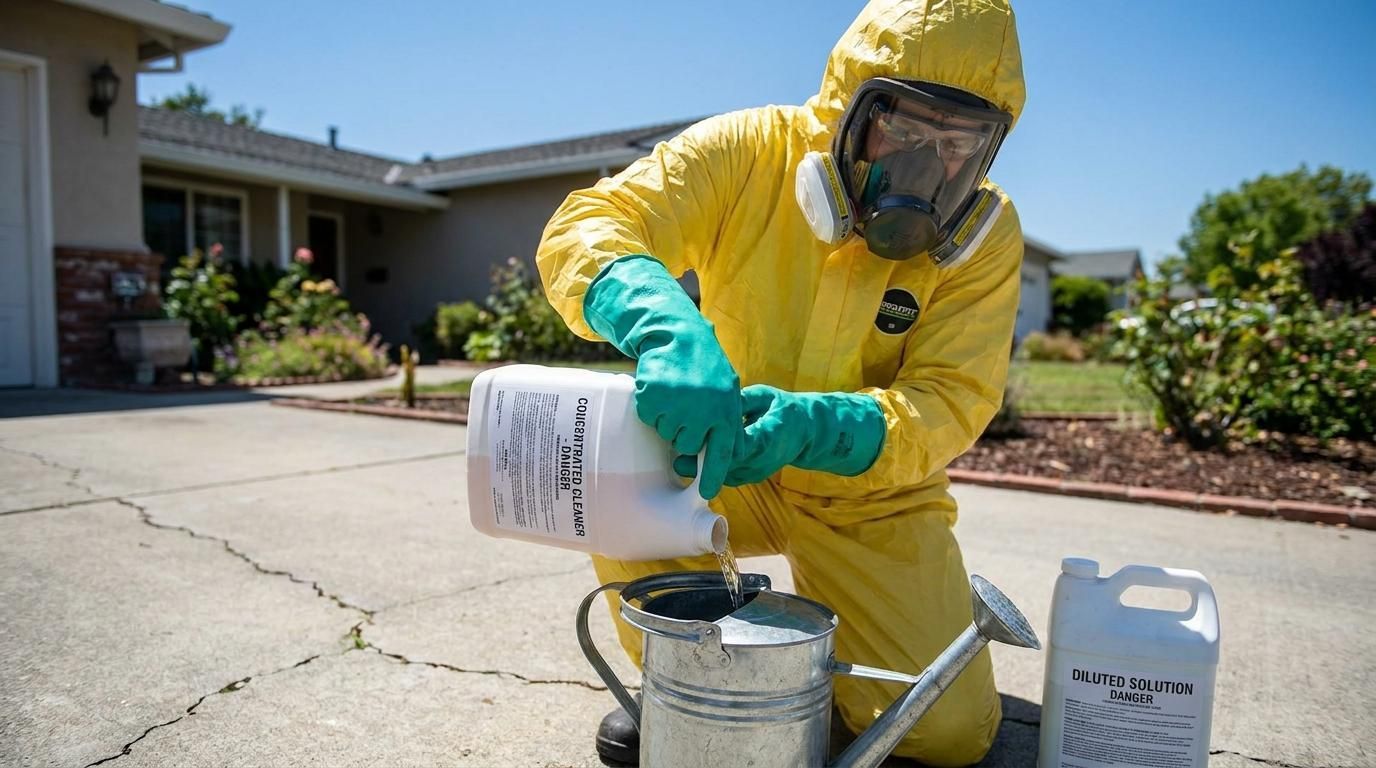
Is muriatic acid safe to use on concrete
By Kris Fricks June 10, 2026
Is muriatic acid safe on concrete? Learn when to use it, how to apply it safely, and the gentler alternatives most Indianapolis driveways and patios actually need.
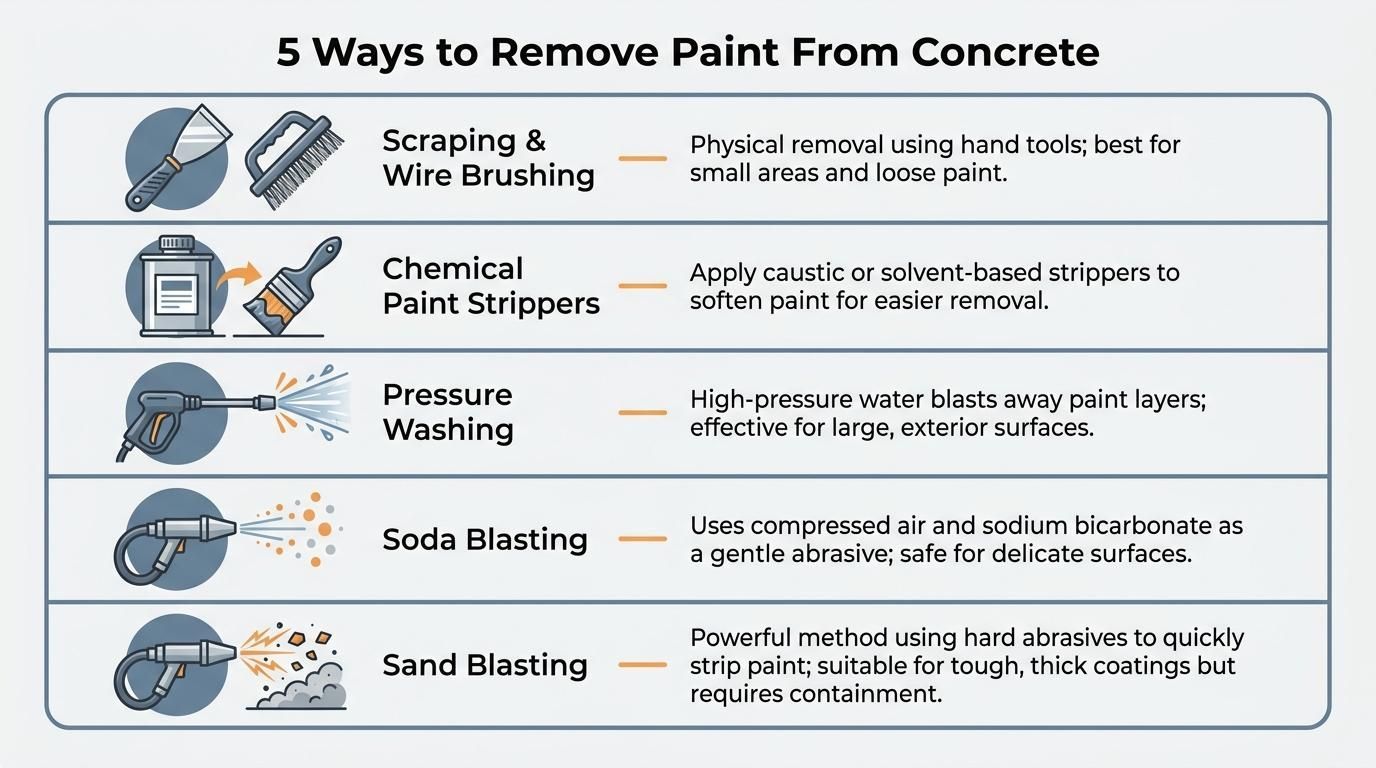
5 methods to remove paint from concrete
By Kris Fricks June 2, 2026
Learn how to remove paint from concrete with 5 methods Indianapolis pros use, from chemical strippers to sand blasting, plus when to call 317 Seal Inc.
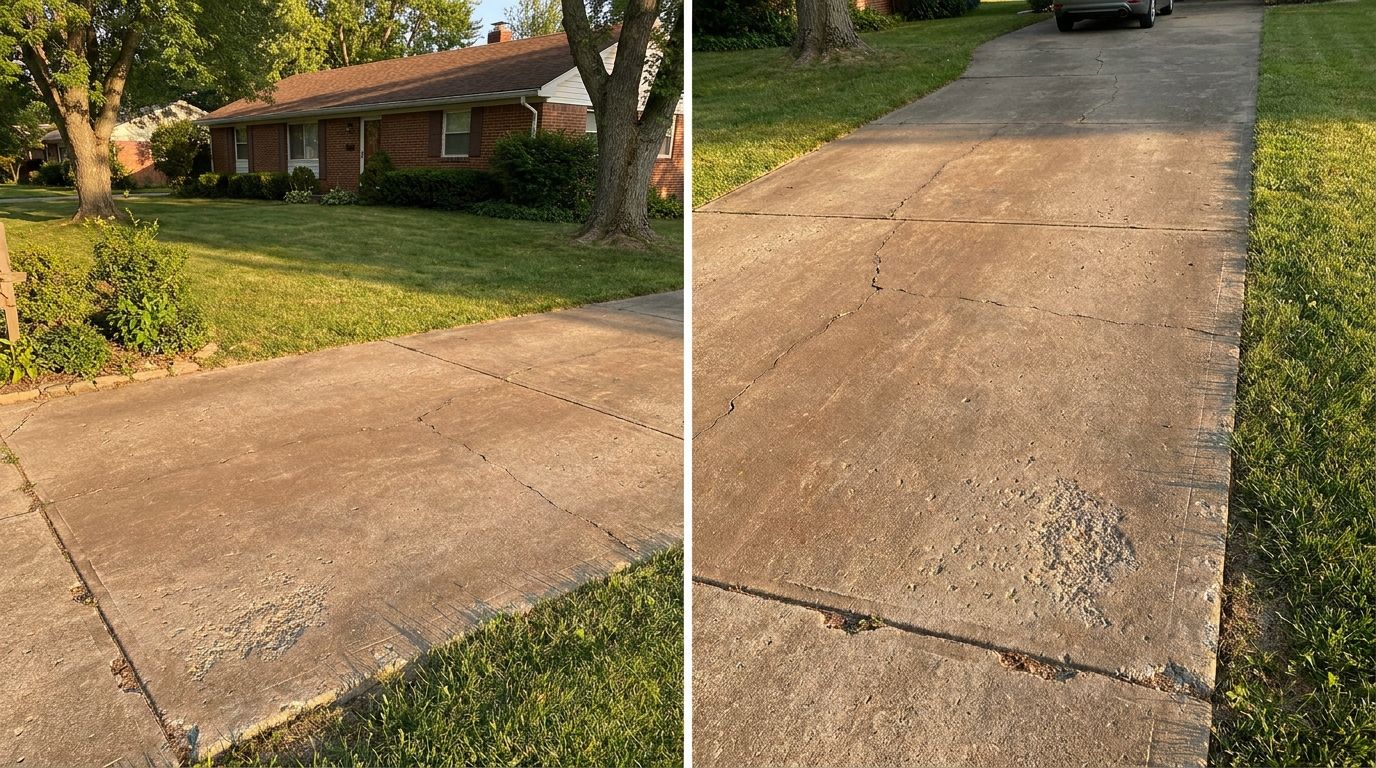
By Kris Fricks May 29, 2026
A well-maintained concrete driveway lasts 25 to 30 years in Indianapolis. Learn what shortens its lifespan and how sealing extends it.
By Kris Fricks May 25, 2026
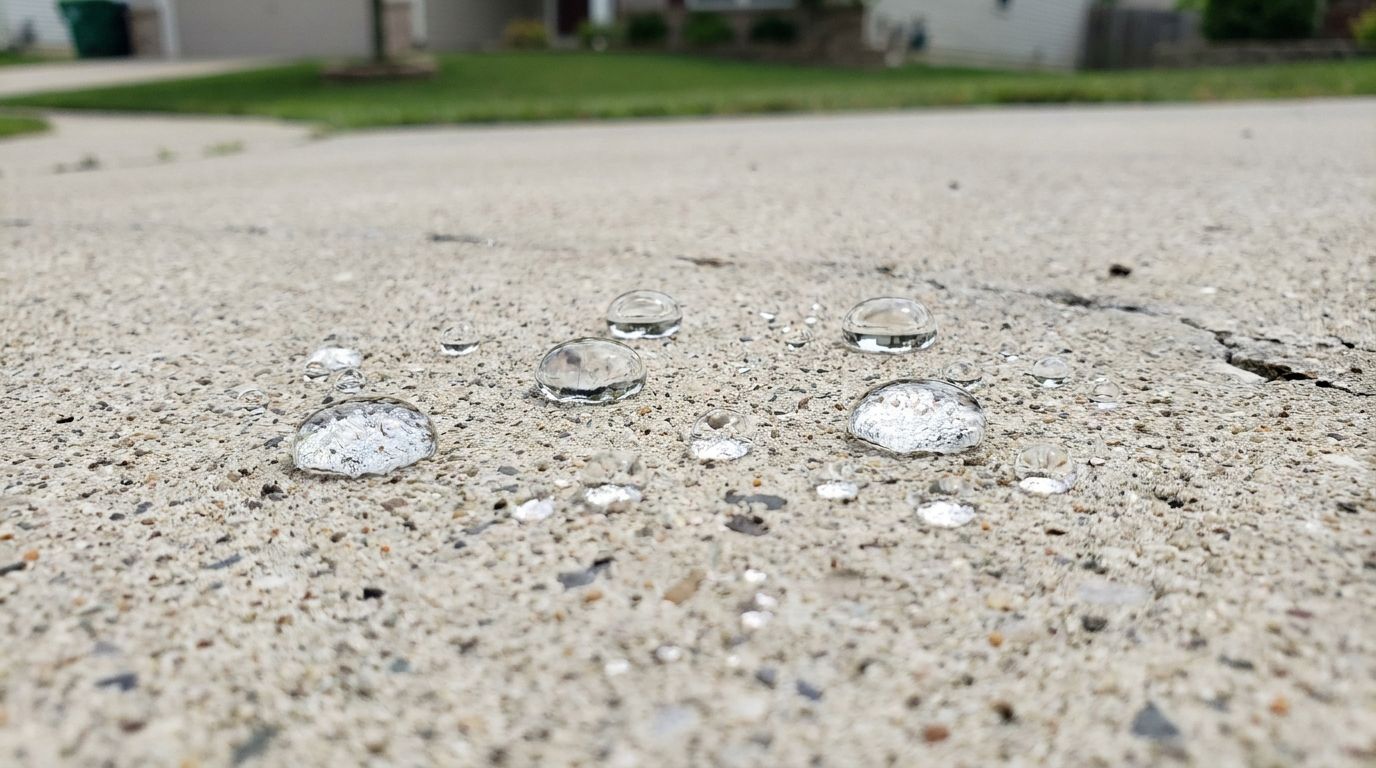
Use these four simple tests to check whether your concrete is sealed before reapplying sealer or scheduling professional concrete care.
By Kris Fricks May 21, 2026
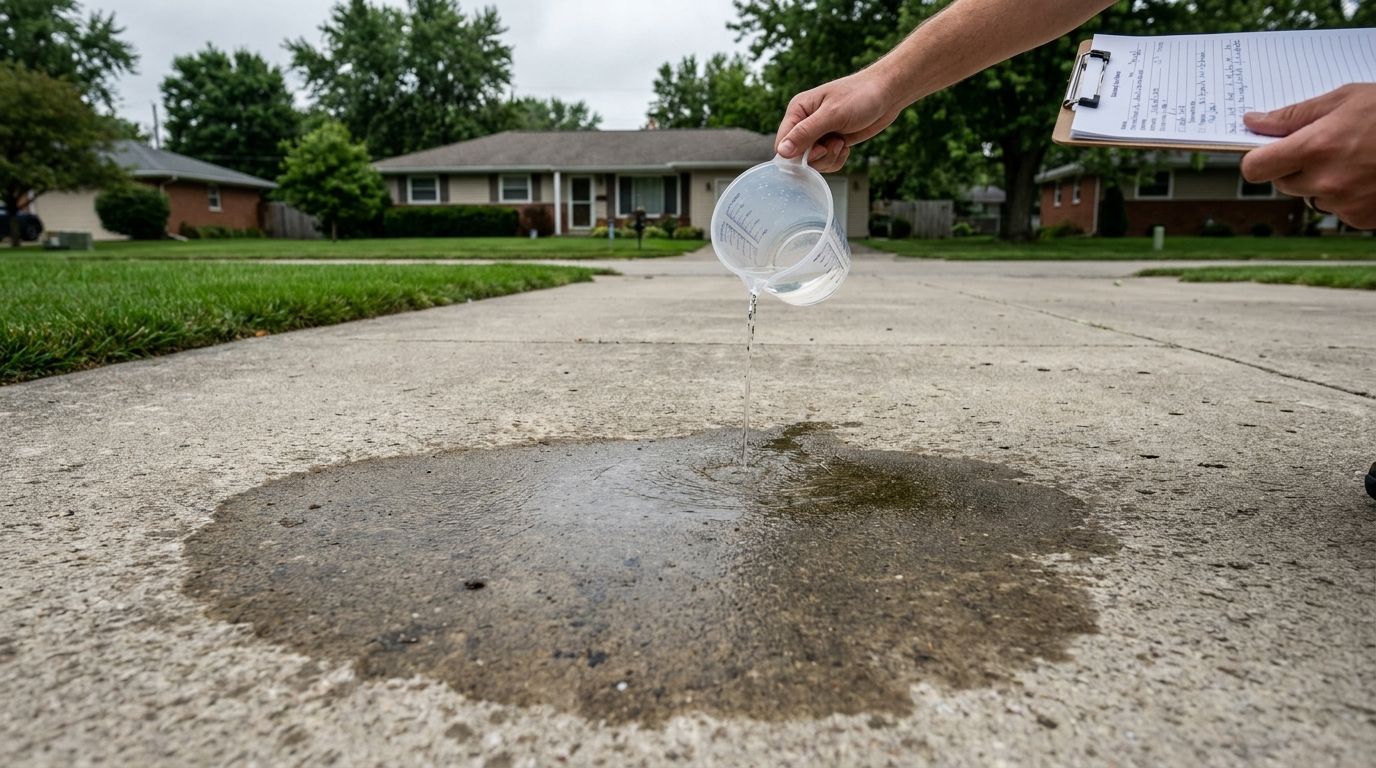
Indianapolis driveways need resealing every 2 to 3 years due to freeze-thaw cycles and road salt. Learn how to tell when yours is due.
Show More