
How to Protect Your Concrete Driveway From Road Salt in Indianapolis, IN

Kris Fricks • October 5, 2026

You can protect an Indianapolis driveway from road salt by skipping harsh deicers, clearing slush before it sits, and sealing sound concrete before the first hard freeze. Winters here mean plenty of salt brine on the roads, and that brine hitches a ride home on your tires more often than you might realize.

While professional pressure washing and sealing from the team at 317 Seal Inc. provides an essential layer of seasonal protection, simple daily habits also make a big difference.

Why Indianapolis Driveways Take a Different Kind of Salt Hit

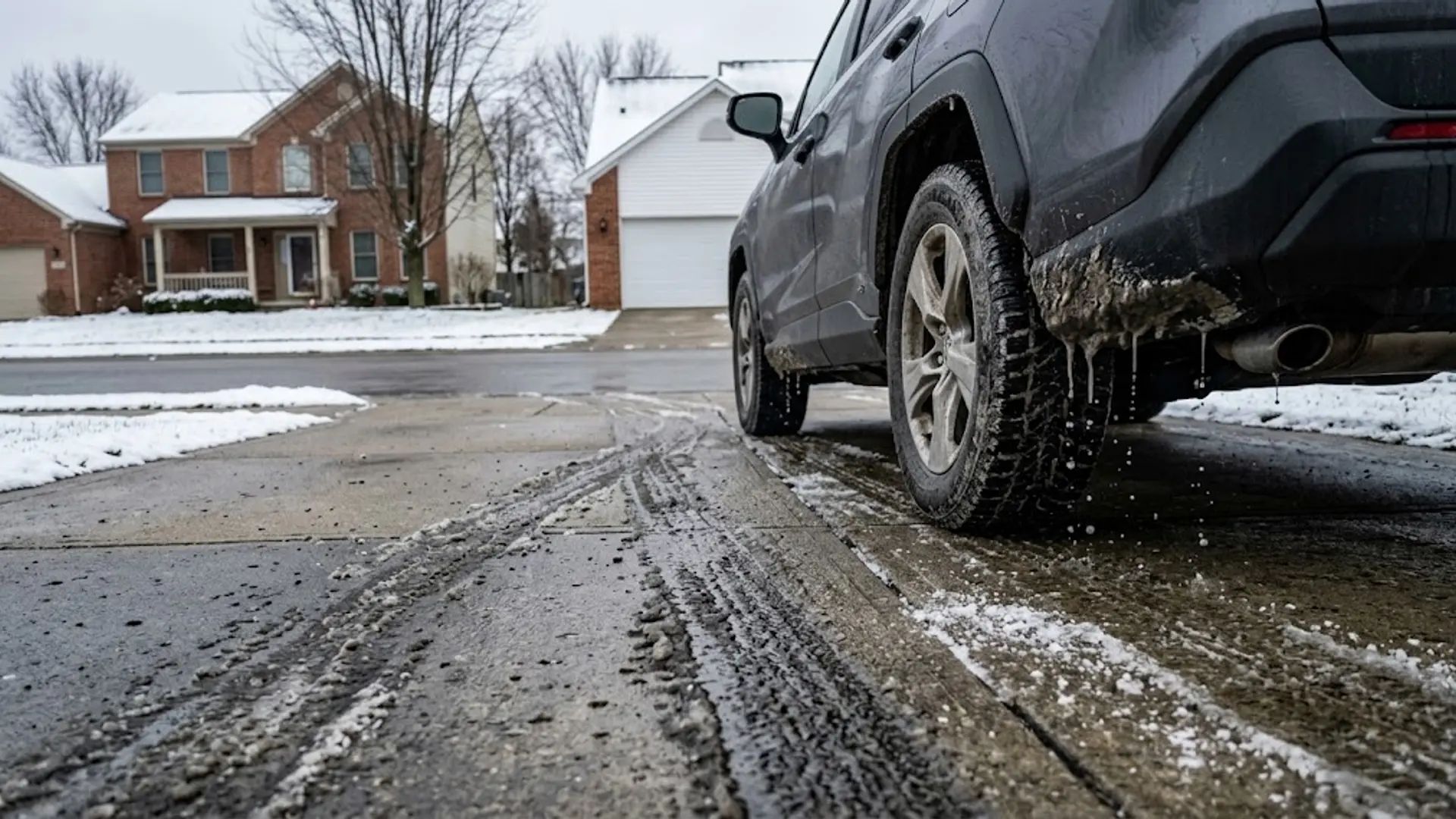
Black SUV on a slushy driveway in a snowy suburban neighborhood

Driveway salt damage is usually blamed on the deicer homeowners spread themselves. In Marion, Hamilton, and Hendricks counties, though, a good bit of the exposure comes from the road. Indiana crews treat streets with liquid salt brine and solid chloride deicers, and that brine doesn't stay on the pavement. It rides home in the slush caught in your wheel wells and drips off in your driveway and garage approach, exactly where it tends to sit the longest.

That matters because calcium chloride and magnesium chloride deicers react with the calcium hydroxide already in concrete, forming an expanding compound that pushes against the slab from the inside. Transportation research has documented this chemical reaction as a major contributor to cracking, spalling, and surface scaling over time. Freeze-thaw cycles aren't doing the damage alone; the chemistry of the salt plays a direct role.

Deicers to Skip, and What to Use Instead

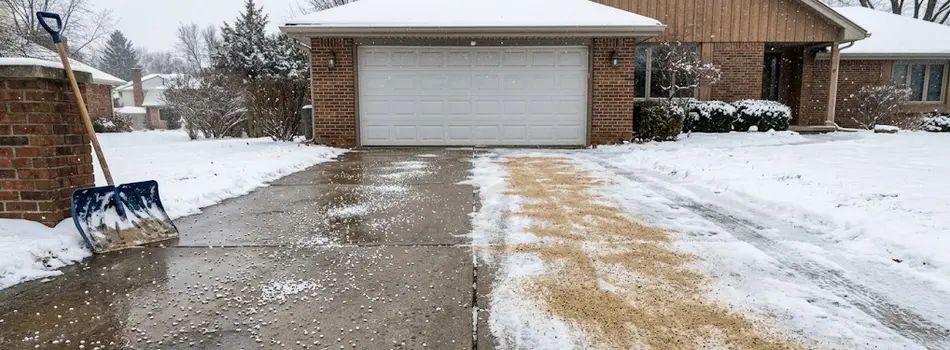
Snowy suburban driveway with a garage, partially shoveled, and a blue snow shovel on the left.

Not every ice-melt product treats concrete the same way. Ammonium-based fertilizers and ammonium deicing products are known to be especially hard on concrete. Calcium or magnesium chloride carry the same expansive risk described above. If you need traction fast, a couple of lower-impact habits hold up better over a Central Indiana winter:

  • Sand or clean grit for traction without adding chemical deicer exposure
  • Shoveling and prompt removal, so slush never gets the chance to sit and soak in

Whatever you reach for, less is better. Heavy, repeated applications concentrate chloride exposure right where your slab can least afford it.

Get Ahead of the First Freeze

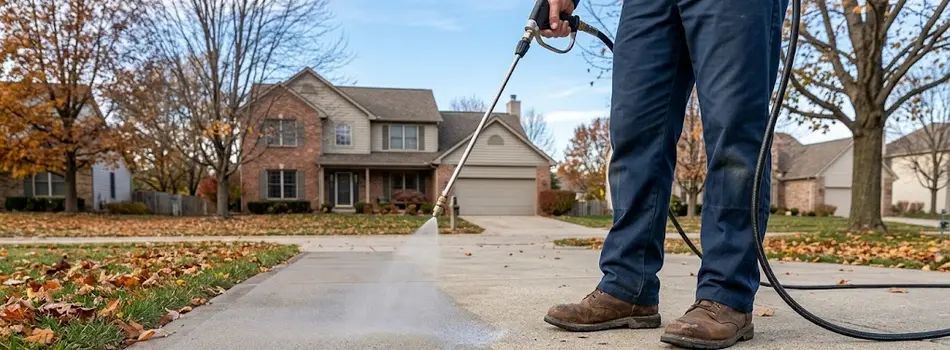
Worker spraying concrete driveway in front of suburban house with autumn leaves.

If your driveway is already scaling, flaking, or shedding loose surface material, sealing over it won't hold up. That slab needs an evaluation first. On concrete that's sound and properly prepped, a penetrating sealer reduces how much water and salt brine soak into the pores before winter sets in. That's a different goal from a decorative surface-film sealer, which is chosen more for looks than salt protection, so it's worth knowing which one your driveway actually needs. For a closer look at how often that protection should be refreshed given our freeze-thaw cycles, see How Often Should You Seal a Concrete Driveway in Indianapolis?

Rinse Off What the Roads Left Behind

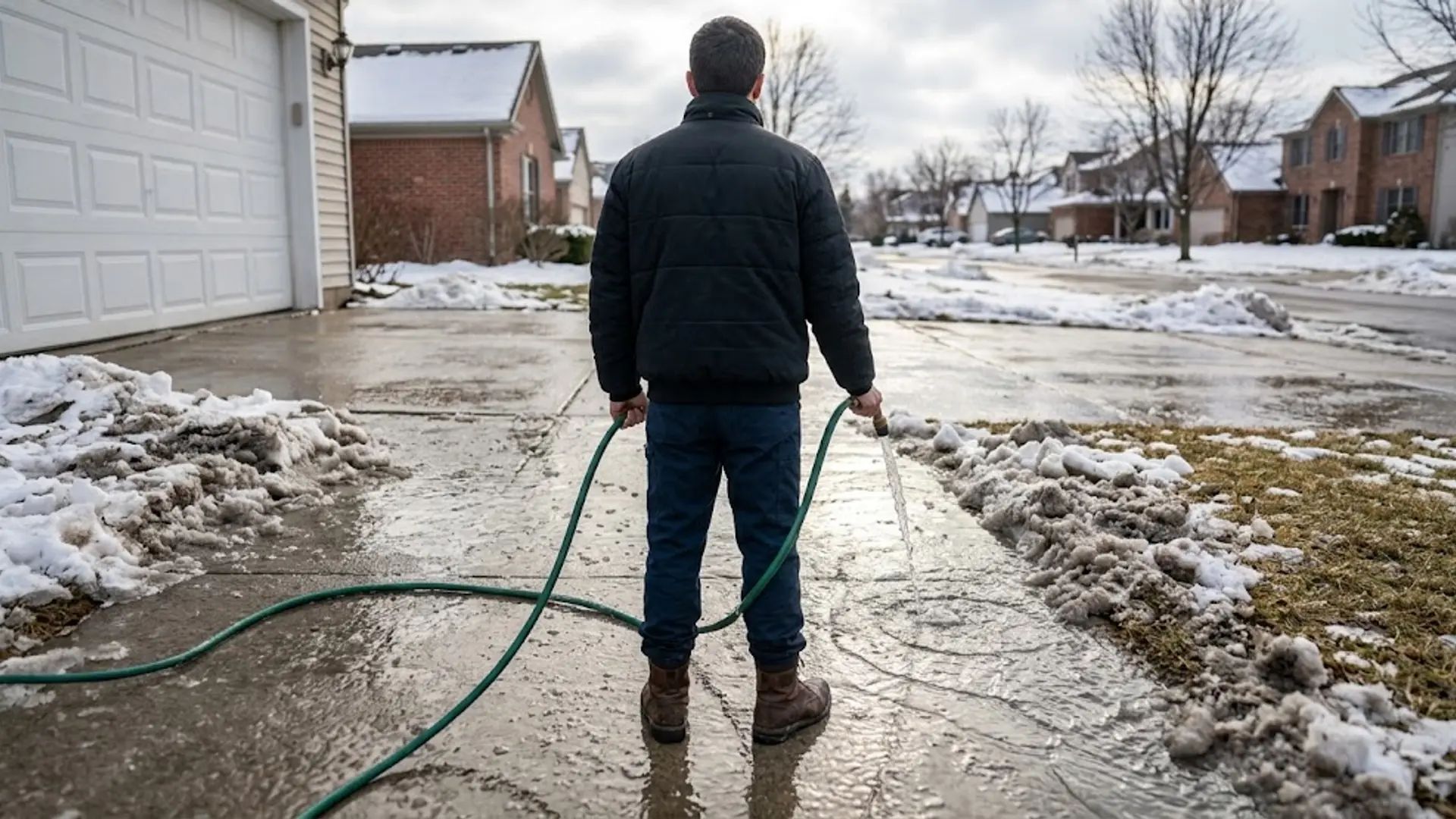
Person standing on a snowy driveway holding a green hose in a suburban neighborhood

Slush that sits on a driveway or garage apron keeps chloride brine in contact with the surface longer. That extended contact time is a big part of what drives the damage described above. When temperatures climb during a thaw, hose down the driveway and garage approach to rinse the brine off before the next freeze locks it back in. Clearing snow and slush promptly, then rinsing when the weather allows it, is one of the simplest things you can do between professional services.

If Your Driveway Is Brand New

Snow-covered suburban houses and driveways on a quiet residential street.

A driveway poured within the last year or two needs a lighter touch. Newly placed concrete hasn't fully cured, which makes it more vulnerable to deicing chemicals during its first one to two winters. Stick to sand or clean grit for traction on new concrete rather than chemical deicers. Hold off on chemical ice melt until the slab has had more time to cure.

If you're not sure when a new driveway is ready for its first sealer application, When to Seal New Concrete: A Timing Guide for Indianapolis Homeowners explains the timing in more detail.

Quick Questions About Salt and Your Driveway

Can salt still damage my driveway if I never spread deicer myself?

Yes, salt can still damage your driveway even if you never spread deicer yourself. Vehicles regularly track liquid road brine and slush from treated streets onto your driveway and garage approach, where the lingering chloride residue interacts with the concrete's surface.

Should I seal a driveway that's already flaking or scaling?

Before you seal a driveway that's already flaking or scaling, a professional surface evaluation is recommended. Repairing loose material and preparing the slab first ensures your new sealer adheres properly and delivers its full protective benefits.

What should I use for traction on a brand-new driveway?

To provide traction on a brand-new driveway, coarse sand or clean grit is the best choice. Sand delivers reliable slip resistance while allowing fresh concrete to complete its curing process safely through its first winter seasons.

Ready to Get Your Driveway Winter-Ready?

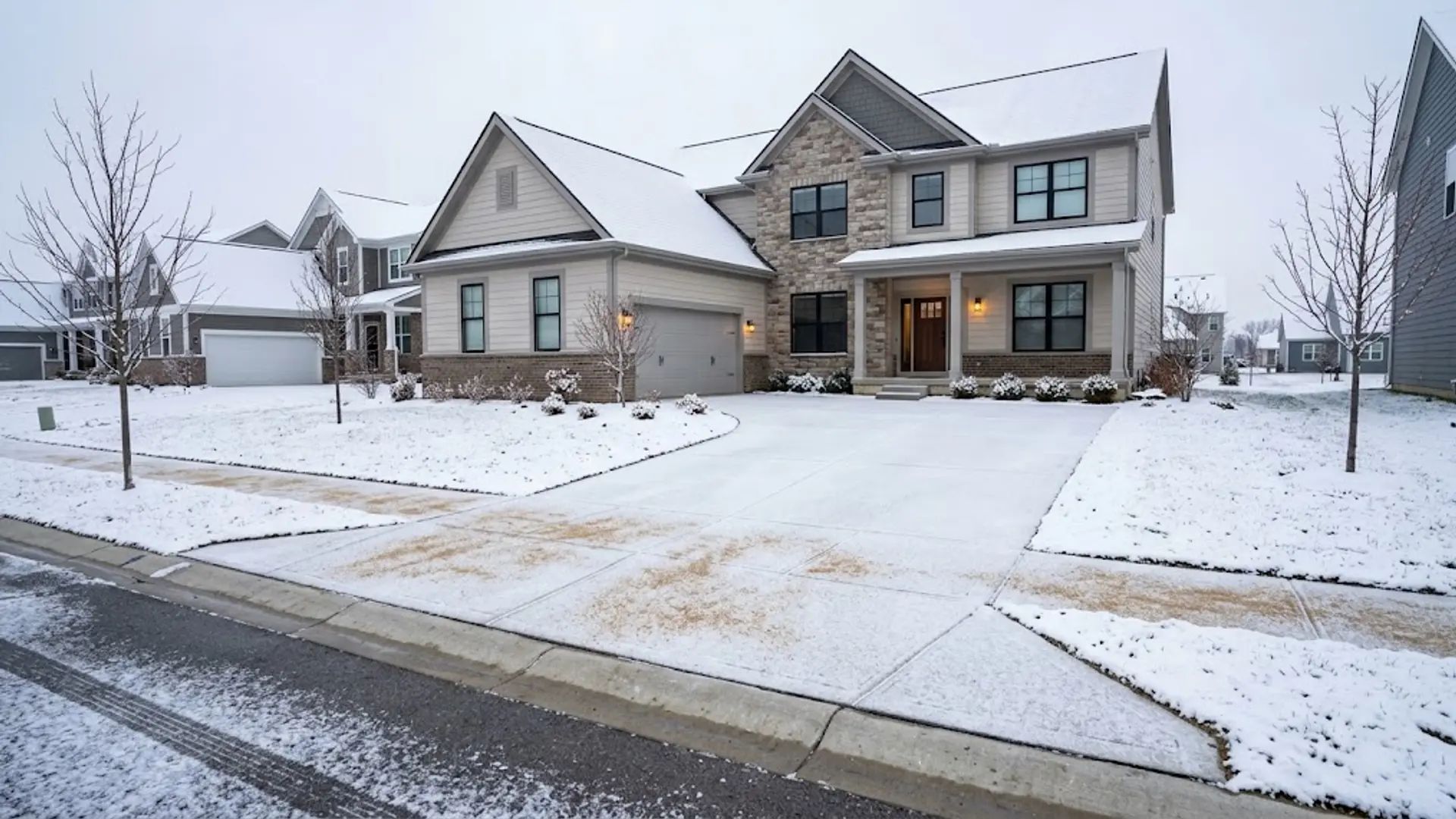
Snow-dusted suburban house at dusk with warm porch lights and a wide driveway

317 Seal Inc. has been washing and sealing residential driveways throughout Indianapolis, Carmel, Fishers, Avon, and Central Indiana since 2016. If you'd like your concrete checked over and sealed before temperatures drop, give us a call at (833) 317-7325 and we'll help you get ahead of the season.

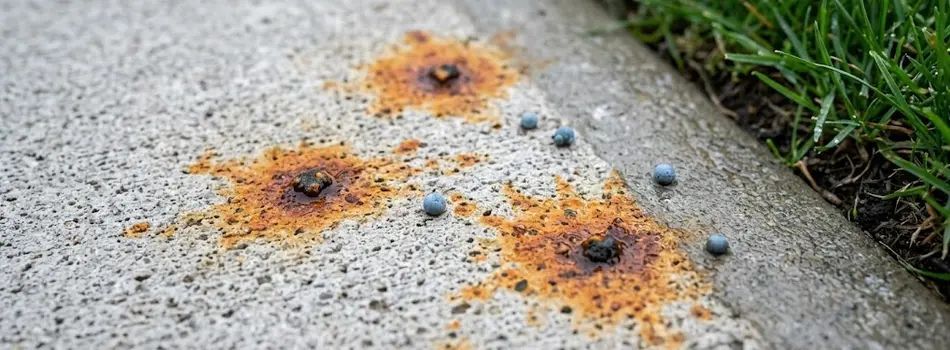
Three orange rust stains on a concrete sidewalk near grass
By Kris Fricks • September 29, 2026
Rust-colored fertilizer stains on your Indianapolis driveway? Learn why they happen, how to treat them safely, and when 317 Seal Inc. can help.
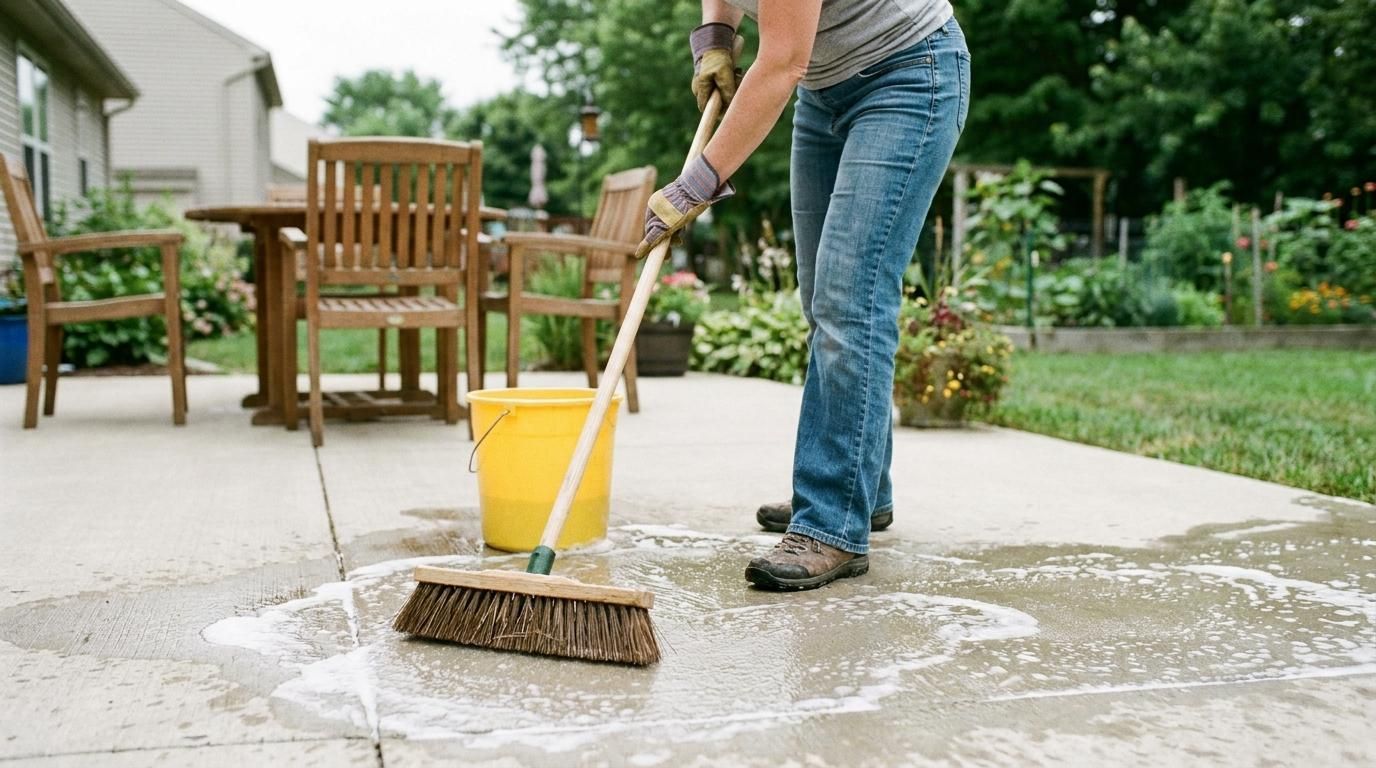
How to clean a concrete patio DIY methods
By Kris Fricks • June 29, 2026
Learn how to clean a concrete patio with DIY methods for grime and algae, how to handle tough stains, and when to call an Indianapolis pro to clean and seal it.
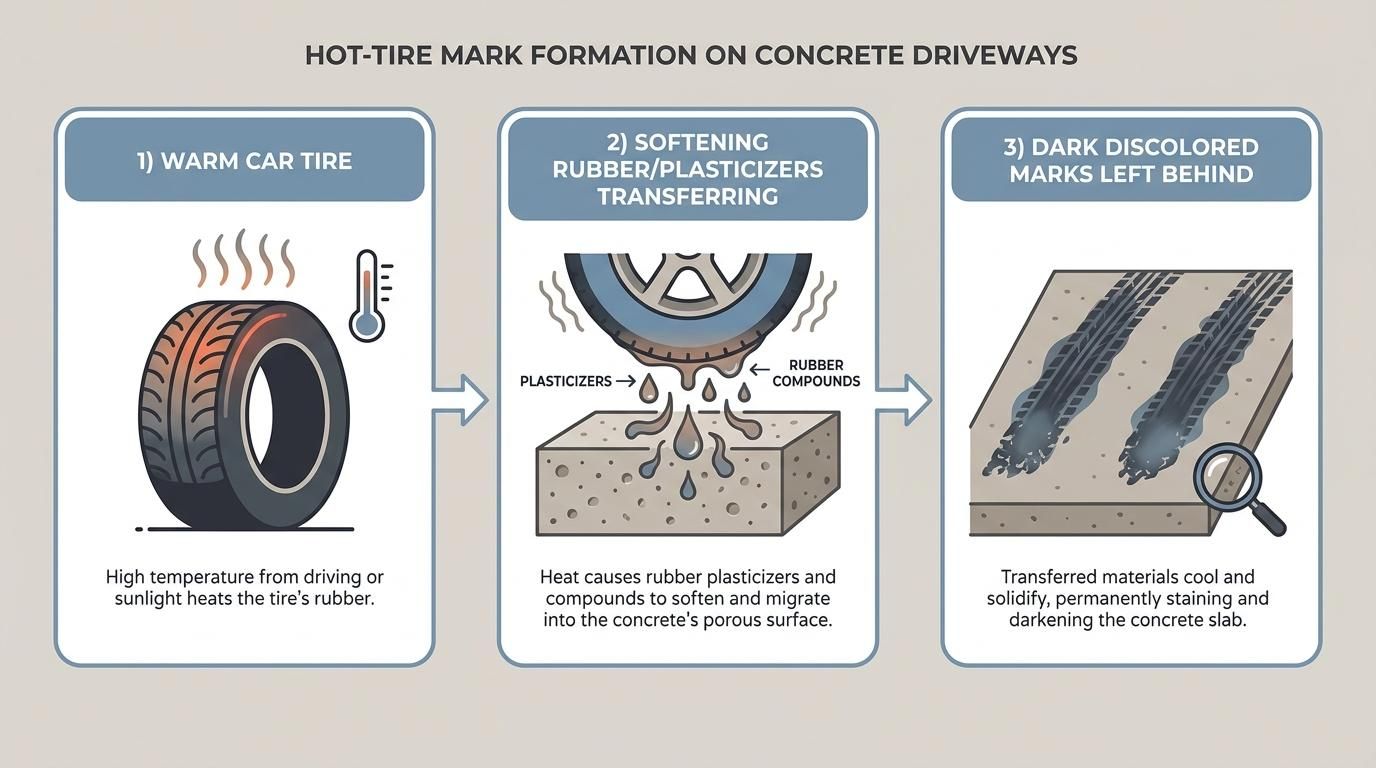
What causes tire marks on concrete
By Kris Fricks • June 25, 2026
Learn how to remove tire marks from your concrete driveway in Indianapolis with degreasers, scrubbing, and pressure washing, plus how sealing keeps them from returning.
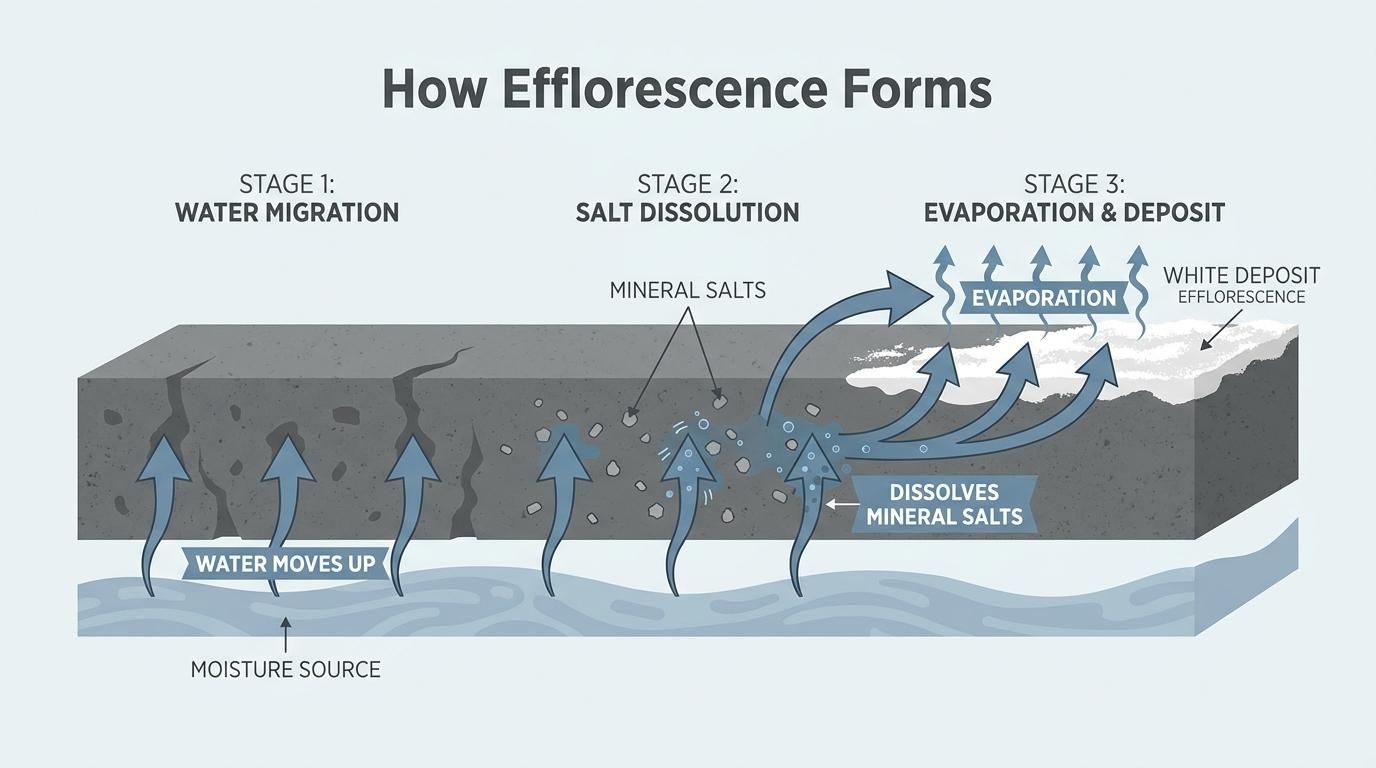
What causes efflorescence on concrete
By Kris Fricks • June 21, 2026
What is efflorescence on concrete? Learn what causes the white haze, how to remove it step by step, and how sealing prevents it from returning in Indianapolis.
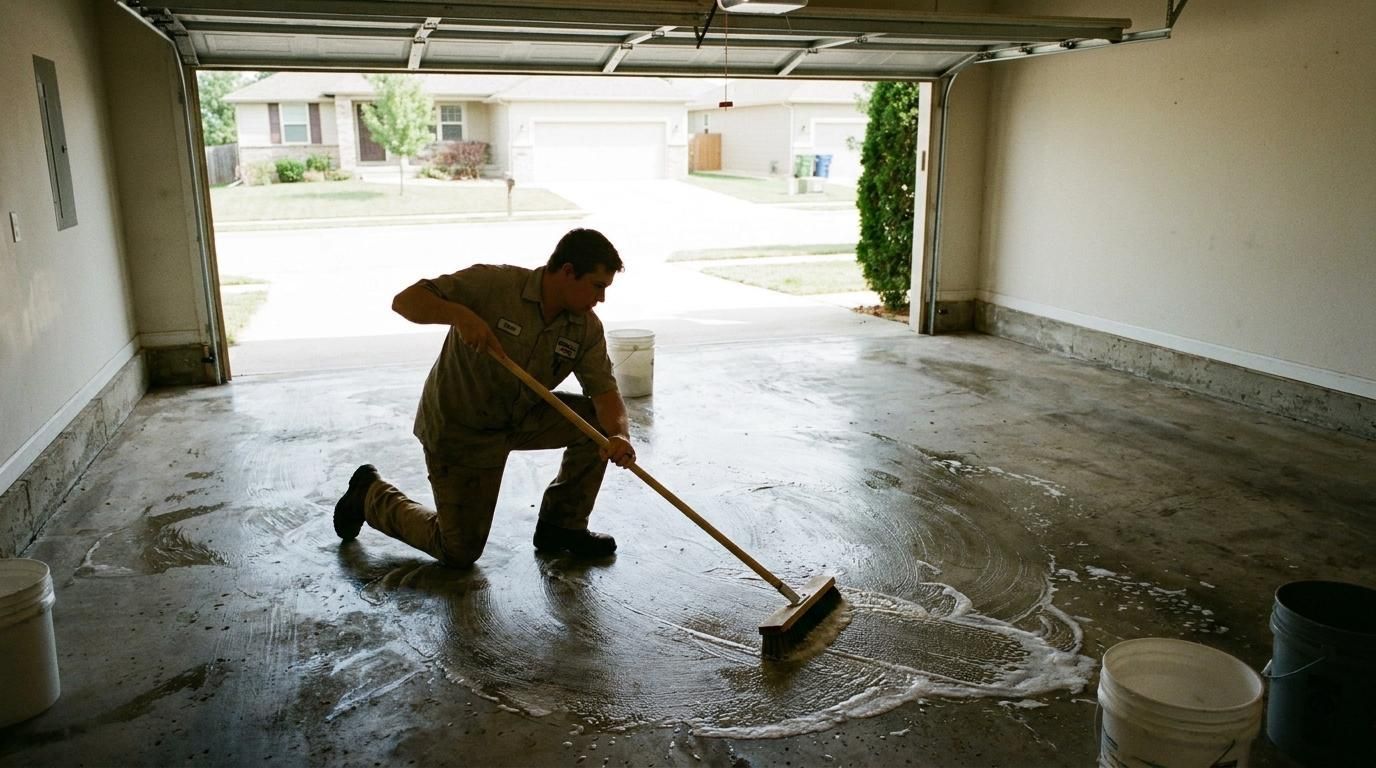
How to clean a concrete garage floor step by step
By Kris Fricks • June 18, 2026
Learn how to clean a concrete garage floor step by step, tackle oil, salt, and rust stains, and keep it low-maintenance with sealing. Indianapolis pro tips.
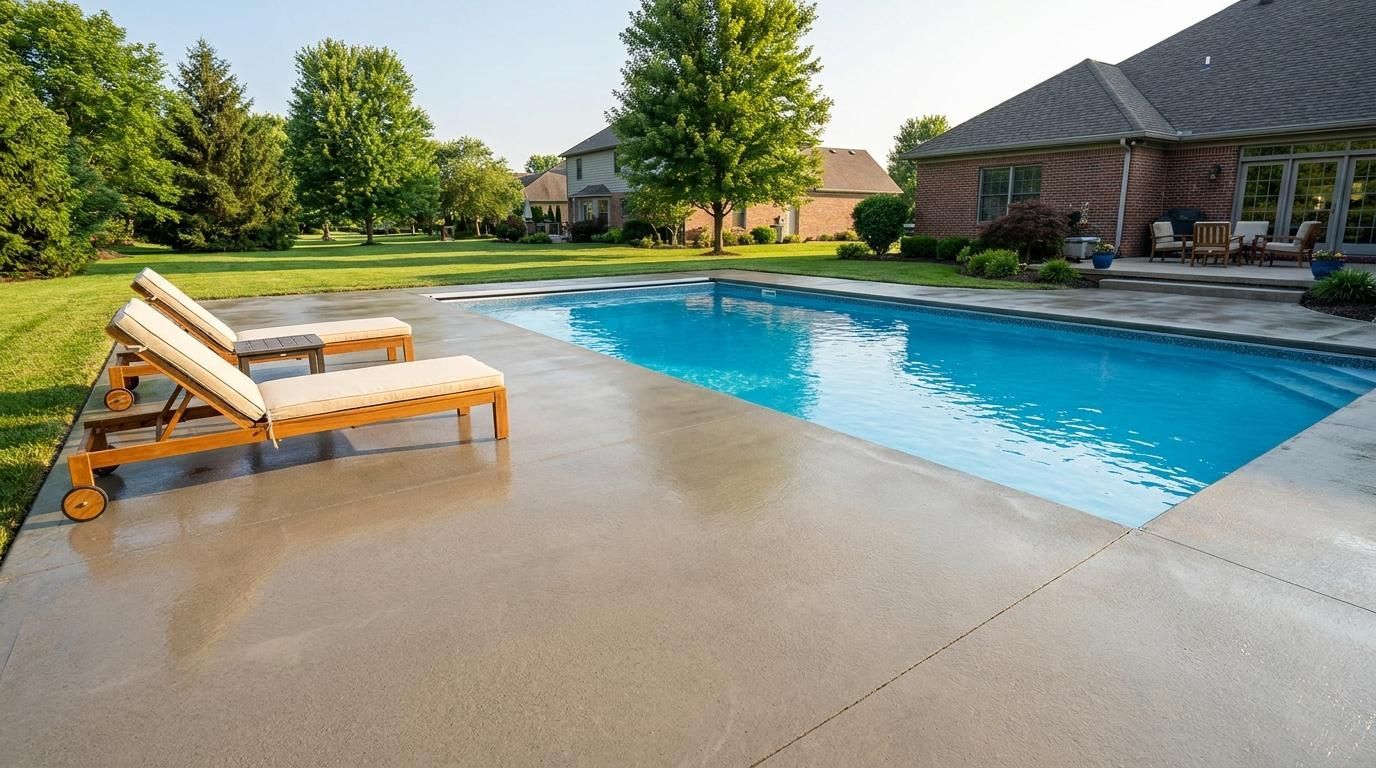
Why pool decks need sealing before summer
By Kris Fricks • June 15, 2026
Pool deck sealing in Indianapolis protects concrete from chlorine, splash-out, UV, and freeze-thaw. Learn why to seal before summer and how often to reseal.
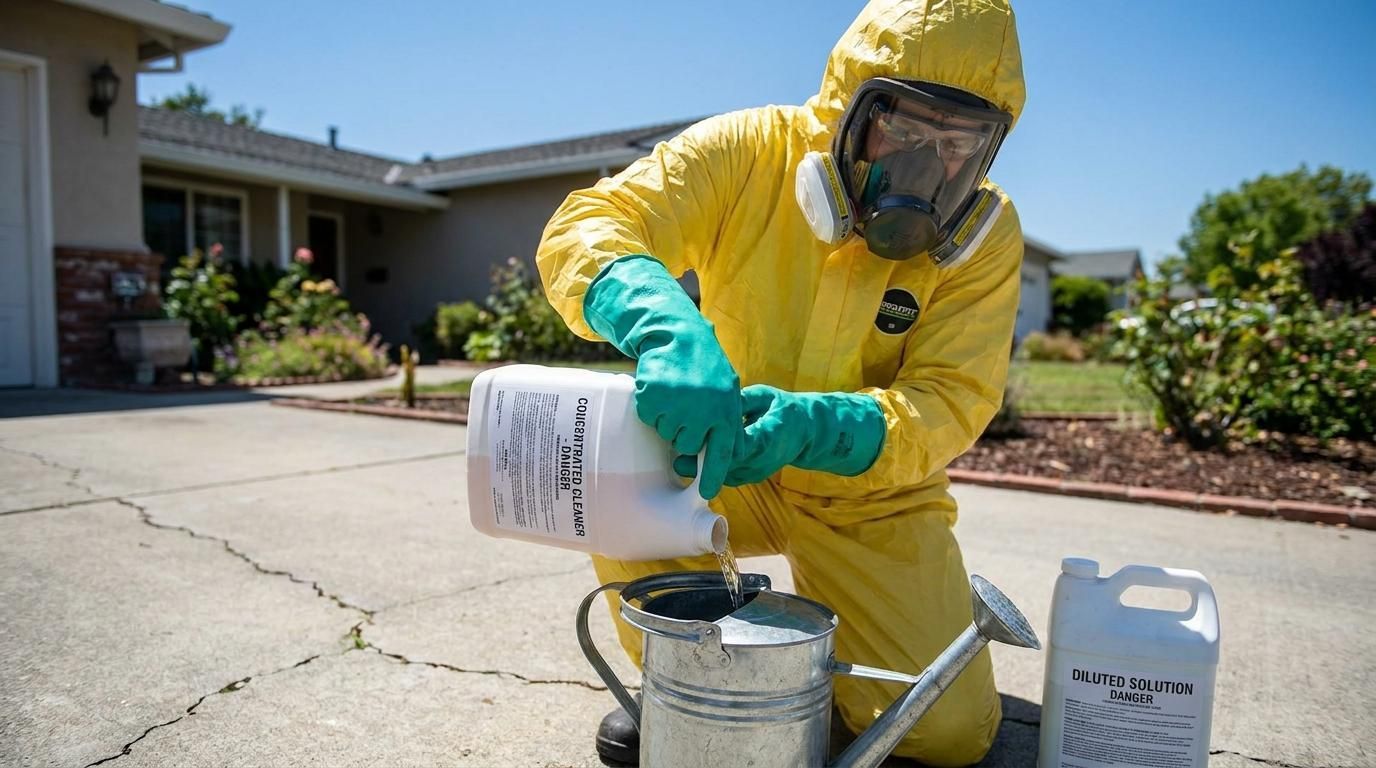
Is muriatic acid safe to use on concrete
By Kris Fricks • June 10, 2026
Is muriatic acid safe on concrete? Learn when to use it, how to apply it safely, and the gentler alternatives most Indianapolis driveways and patios actually need.

Types of stamped concrete sealer compared
By Kris Fricks • June 6, 2026
Compare the best stamped concrete sealers for Indianapolis driveways and patios: acrylic, polyurethane, and penetrating. See which holds up to freeze-thaw and sun.
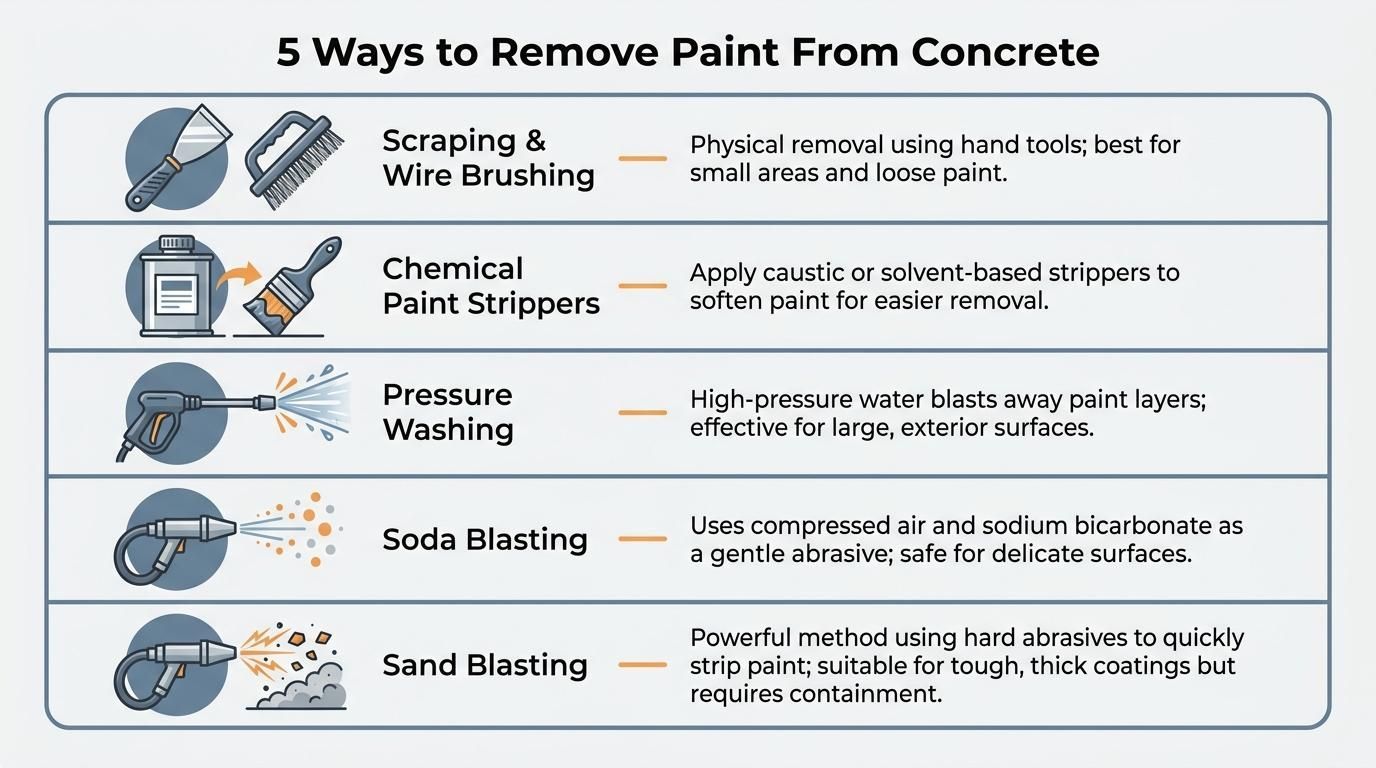
5 methods to remove paint from concrete
By Kris Fricks • June 2, 2026
Learn how to remove paint from concrete with 5 methods Indianapolis pros use, from chemical strippers to sand blasting, plus when to call 317 Seal Inc.
By Kris Fricks • May 29, 2026
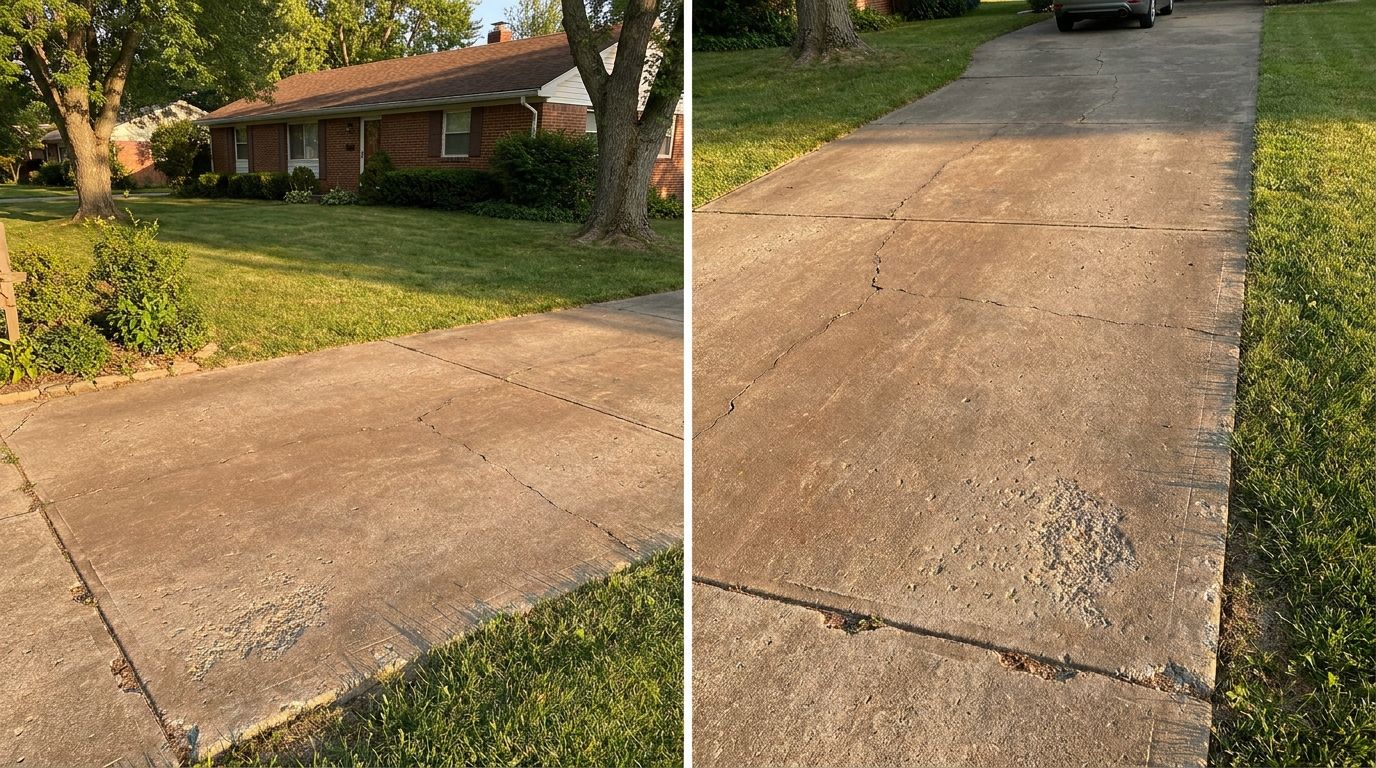
A well-maintained concrete driveway lasts 25 to 30 years in Indianapolis. Learn what shortens its lifespan and how sealing extends it.
Show More