How to Clean a Concrete Garage Floor in Indianapolis (Step-by-Step Guide)

Kris Fricks • June 18, 2026

To effectively clean a concrete garage floor, clear the entire space, apply a specialized concrete degreaser, scrub the surface thoroughly with a stiff-bristle brush, treat set-in stains individually, and rinse away the dirty residue.

While the process is straightforward, many homeowners find that regular sweeping still leaves their garage looking dull, gray, and dirty. This is because automotive fluids, tracked-in mud, and seasonal grime sink deep into the concrete's porous surface rather than sitting on top. 317 Seal knows how frustrating it can be to deal with a permanently stained garage, which is why we use professional-grade methods, such as pressure washing, to lift years of embedded buildup.

Learning how to clean concrete garage floor surfaces correctly doesn’t just restore your home's aesthetic but also protects the slab from long-term deterioration. In this guide, we unpack each step of the cleaning process and share professional tips for tackling the most stubborn stains.

How to Clean a Concrete Garage Floor: Step by Step

Work through these steps in sequence. Each one sets up the next, so skipping one usually means redoing the job.

1. Clear and Sweep

Empty the garage, then sweep up all loose dirt and debris. A clean, dry starting surface keeps you from grinding grit into the concrete once it gets wet. Pay attention to corners and along the walls, where fine grit collects and gets dragged back across the floor later.

2. Degrease and Pre-Treat

Apply a concrete degreaser or cleaner across the floor, focusing on traffic paths and parking spots. Let it dwell so it can break down embedded oil and grime before you scrub.

3. Scrub

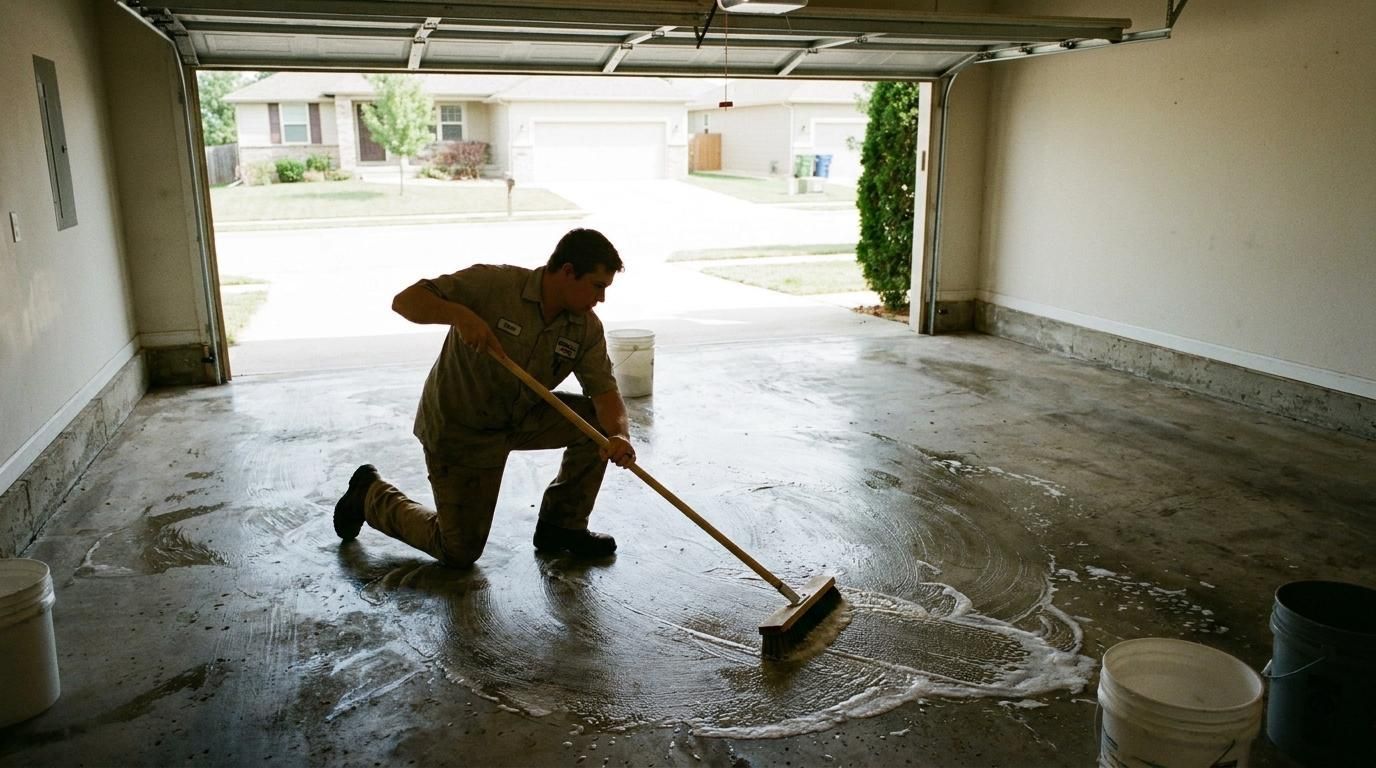
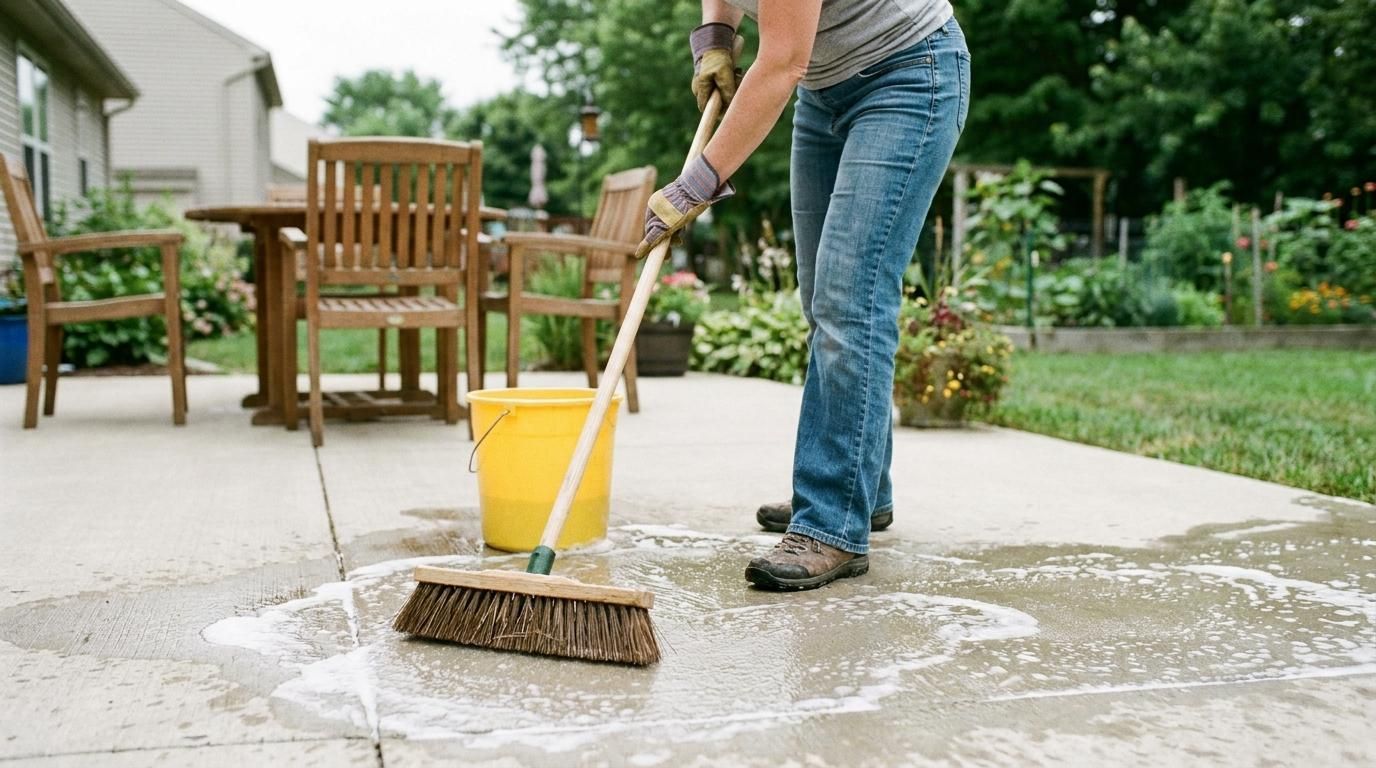
Work the cleaner in with a stiff-bristle deck brush, adding water as needed. Put extra effort into darker, high-traffic areas where buildup is heaviest. A deck brush on a pole saves your back and lets you lean into the bristles for firmer contact.

4. Rinse and Dry

Rinse from the back of the garage toward the door so the dirty water flows out, then let the floor dry completely. Using a heavy-duty floor squeegee can help push out stubborn puddles and speed up the process significantly. Keep the garage doors open or set up a few floor fans to ensure the slab is bone-dry before you begin moving your vehicles and storage items back inside.

Tackling Oil, Salt, and Stubborn Stains

General cleaning handles everyday grime, but a few garage-specific stains need targeted treatment:

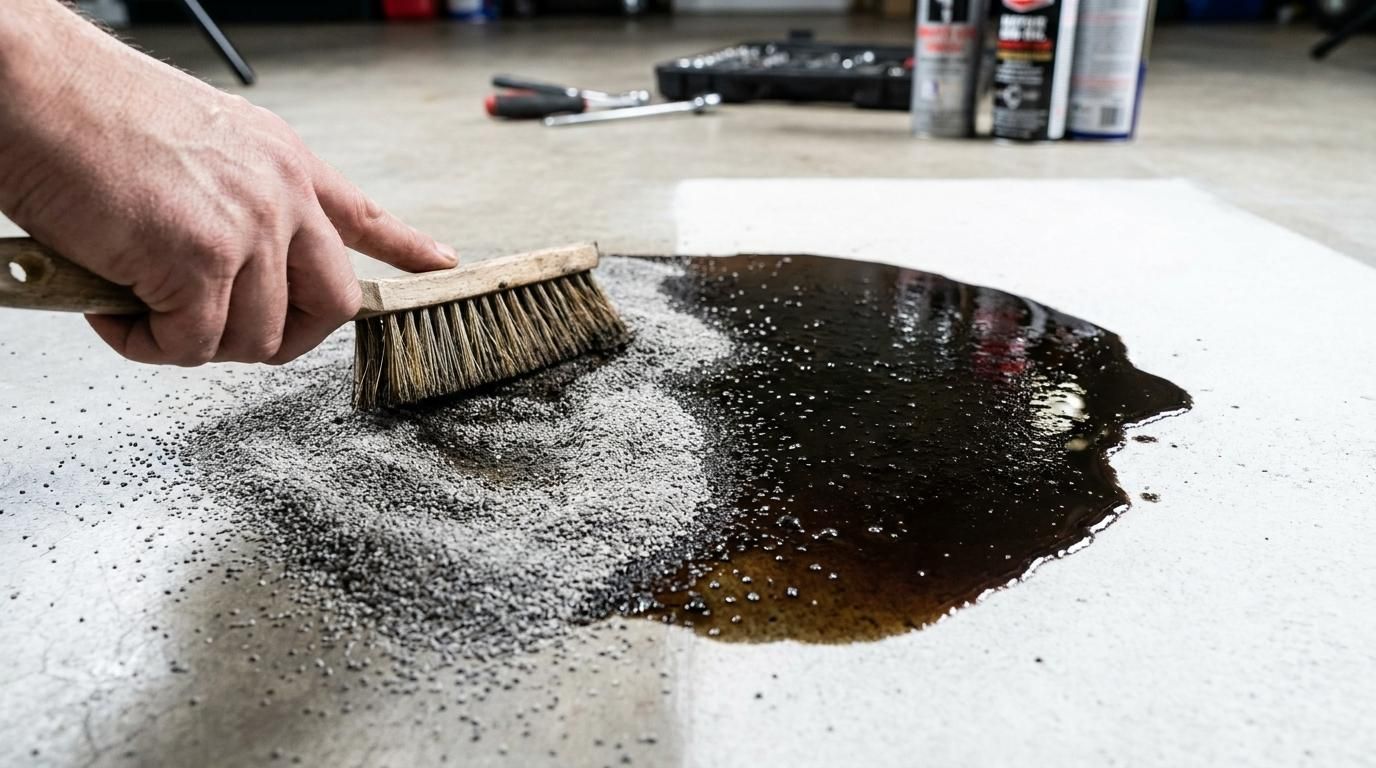
  • Oil and grease: Cover fresh spills with an absorbent like cat litter, then degrease and scrub what remains.
  • Road salt: Rinse winter salt residue often since it pulls moisture into the concrete and feeds surface damage. This is a year-after-year problem for garages across the Indianapolis metro, where months of salted roads leave a white residue that grinds into the slab every winter.
  • Rust: Treat rust spots with a dedicated rust remover rather than a general cleaner.

Some stains set in deep enough that home methods cannot lift them. When oil has soaked in for years or rust has etched the surface, professional stain removal uses commercial-grade products and equipment to draw the stain out without damaging the concrete.

Keeping Your Garage Floor Clean: Seal and Maintain

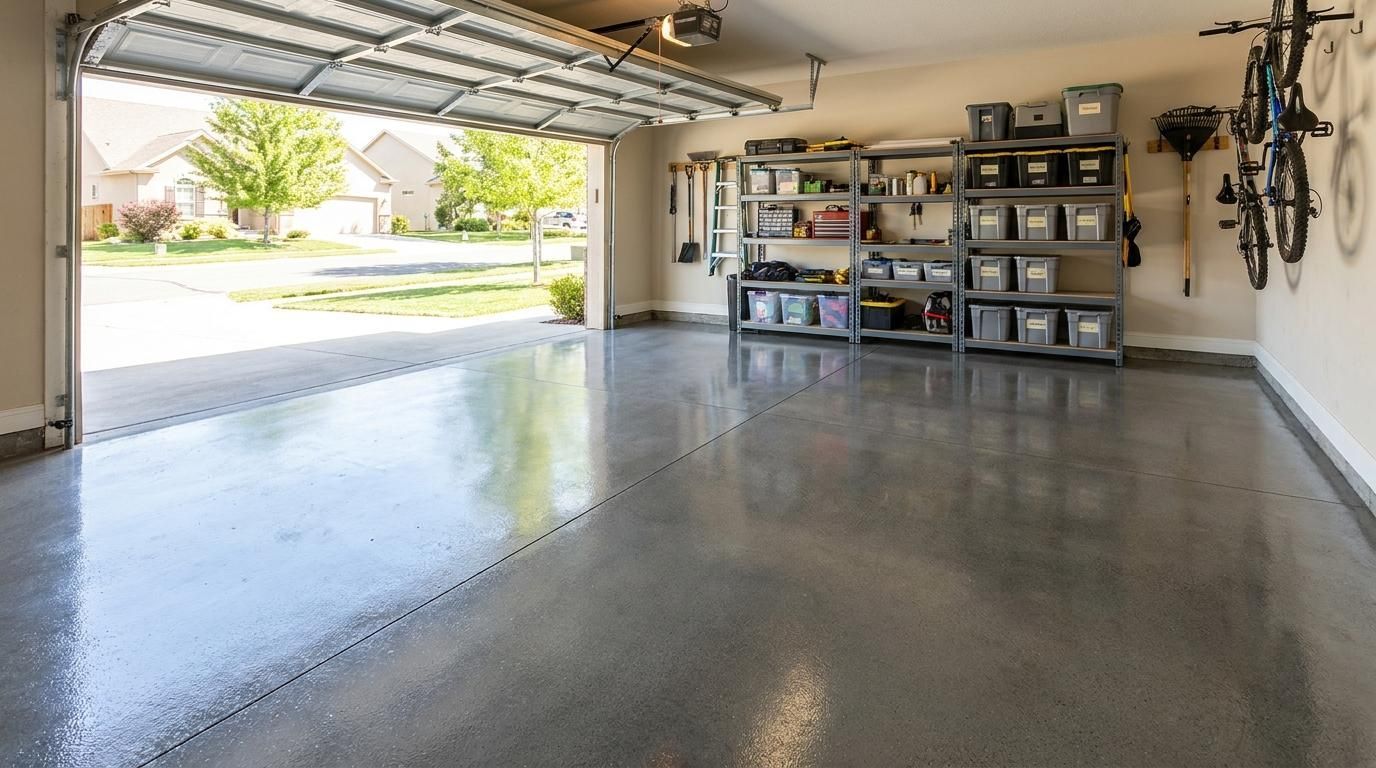
The easiest floor to clean is a sealed one. Sealing fills the pores that trap oil and salt, so spills sit on the surface and wipe up instead of soaking in and staining. On a bare slab, oil and salt sink straight into the concrete, so each cleaning only reaches what has not already soaked in.

A sealed garage floor also resists the salt-driven damage that Indiana winters cause and looks brighter and more finished. Our residential washing and sealing service cleans the floor thoroughly first, then seals it so day-to-day upkeep entails only a quick sweep and the occasional wipe-down.

Frequently Asked Questions

What is the best cleaner for a concrete garage floor?

A dedicated concrete degreaser is sufficient for cleaning most concrete garage floors, since oil and grease are the main culprits. For light cleaning, a simple mix of dish soap and warm water works. Avoid harsh acids unless you’re dealing with a specific mineral or rust stains.

Can I pressure wash my garage floor indoors?

You can pressure wash your garage floor indoors, but you’ll need to channel the water out and a floor drain or squeegee path to manage runoff. Without proper drainage, pressure washing creates a mess. Many homeowners have the floor professionally cleaned to skip the cleanup.

How do I get old oil stains out of concrete?

Soak the stain with a degreaser or a poultice that pulls oil out of the pores, scrub, and repeat for set-in stains. Years-old stains often need professional treatment. 317 Seal Inc. removes deep oil staining and can seal the floor to prevent it from coming back.

Enjoy a Spotless, Low-Maintenance Garage Floor

A clean concrete garage floor completely transforms your home's most hard-working space, but keeping it pristine requires the right technique. By working systematically—clearing, degreasing, scrubbing, and neutralizing deep stains—you can successfully lift years of embedded automotive fluids and weather grime.

If you want to skip the intense physical labor or have stubborn, stains that refuse to budge, professional help is just a call away. Contact 317 Seal Inc. today for a free quote or call us at (833) 317-7325 to get your garage floor professionally cleaned, sealed, and protected for the long haul.

How to clean a concrete patio DIY methods
By Kris Fricks June 29, 2026
Learn how to clean a concrete patio with DIY methods for grime and algae, how to handle tough stains, and when to call an Indianapolis pro to clean and seal it.
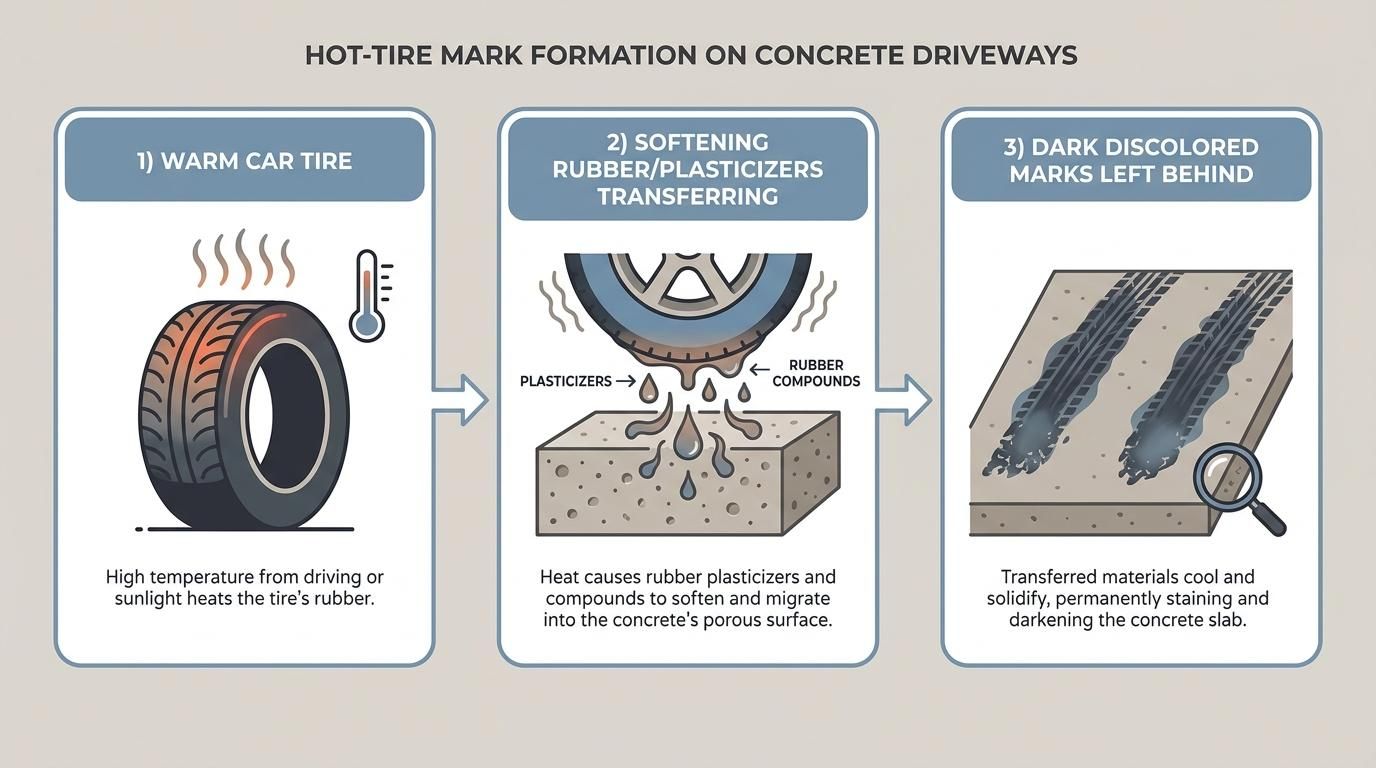
What causes tire marks on concrete
By Kris Fricks June 25, 2026
Learn how to remove tire marks from your concrete driveway in Indianapolis with degreasers, scrubbing, and pressure washing, plus how sealing keeps them from returning.
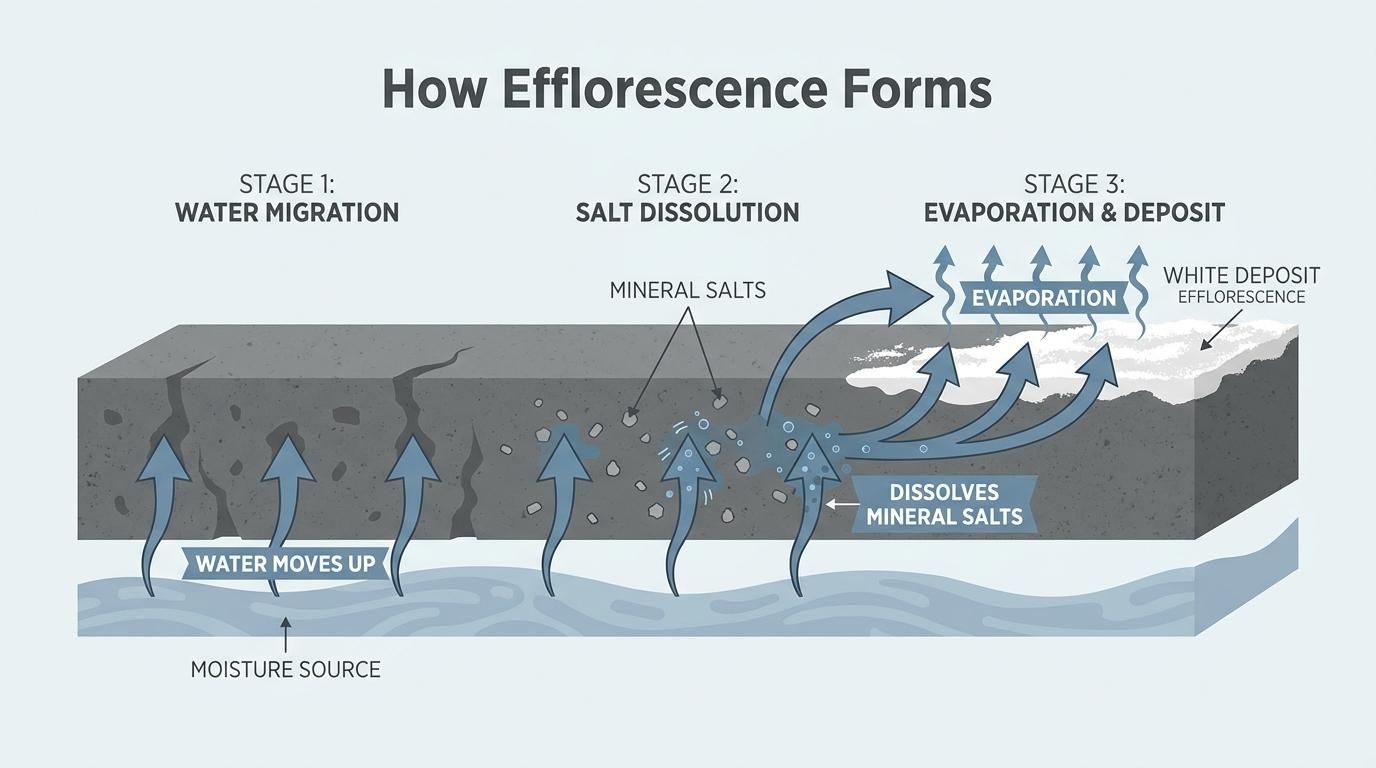
What causes efflorescence on concrete
By Kris Fricks June 21, 2026
What is efflorescence on concrete? Learn what causes the white haze, how to remove it step by step, and how sealing prevents it from returning in Indianapolis.
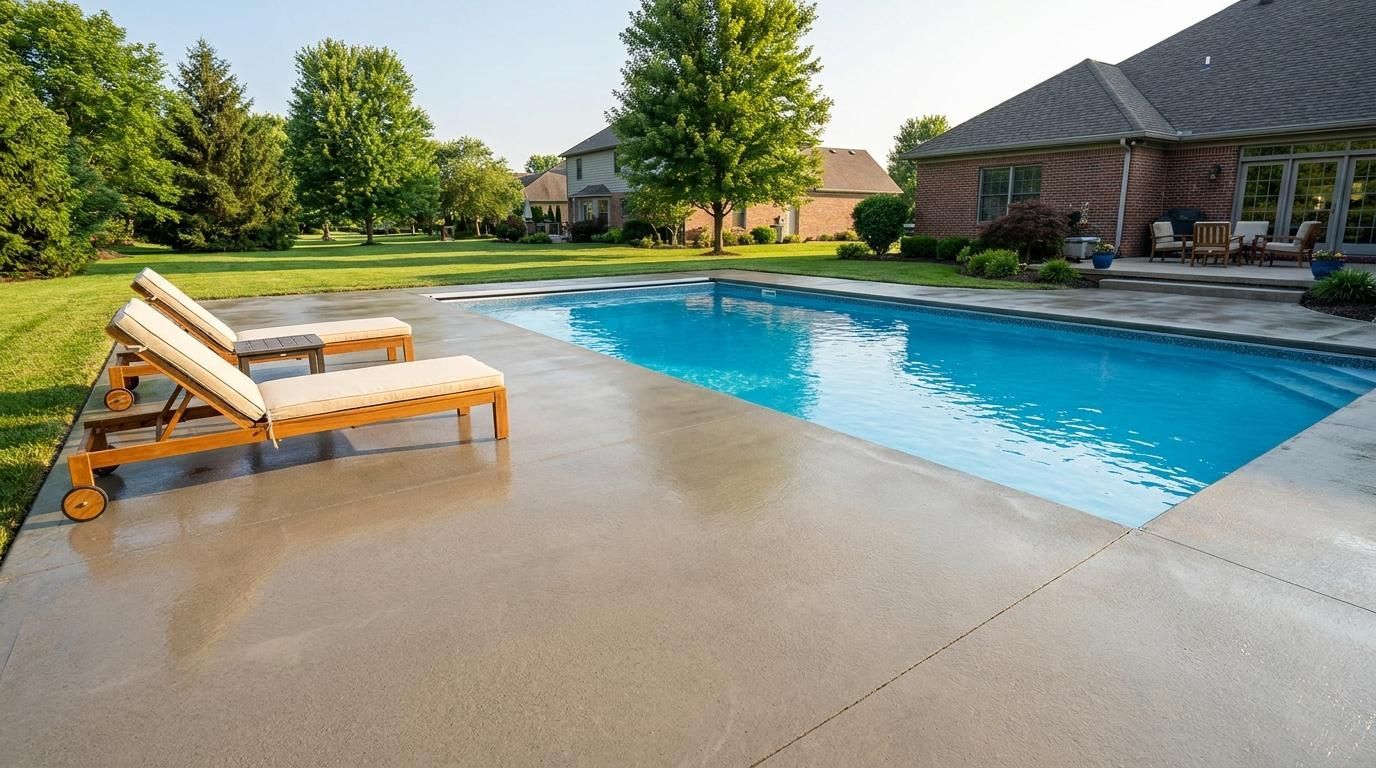
Why pool decks need sealing before summer
By Kris Fricks June 15, 2026
Pool deck sealing in Indianapolis protects concrete from chlorine, splash-out, UV, and freeze-thaw. Learn why to seal before summer and how often to reseal.
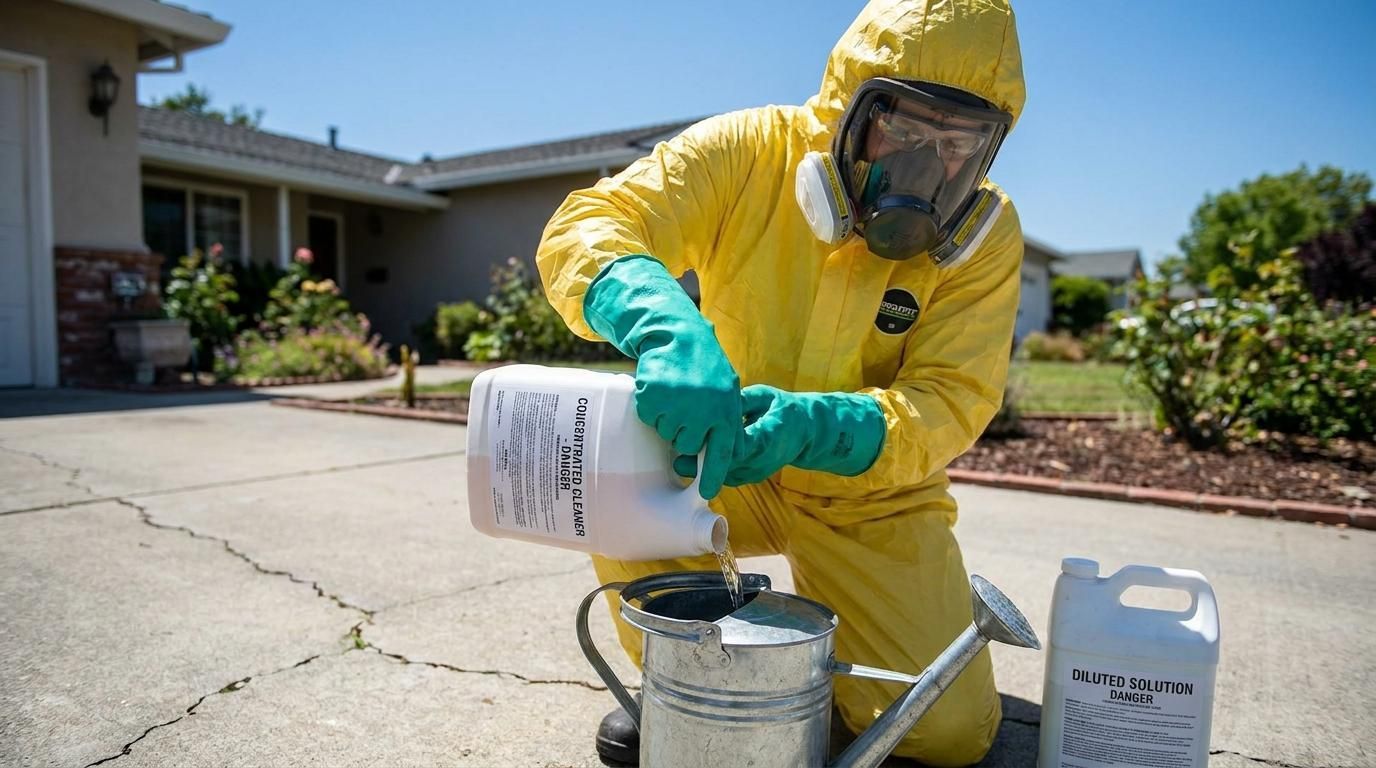
Is muriatic acid safe to use on concrete
By Kris Fricks June 10, 2026
Is muriatic acid safe on concrete? Learn when to use it, how to apply it safely, and the gentler alternatives most Indianapolis driveways and patios actually need.
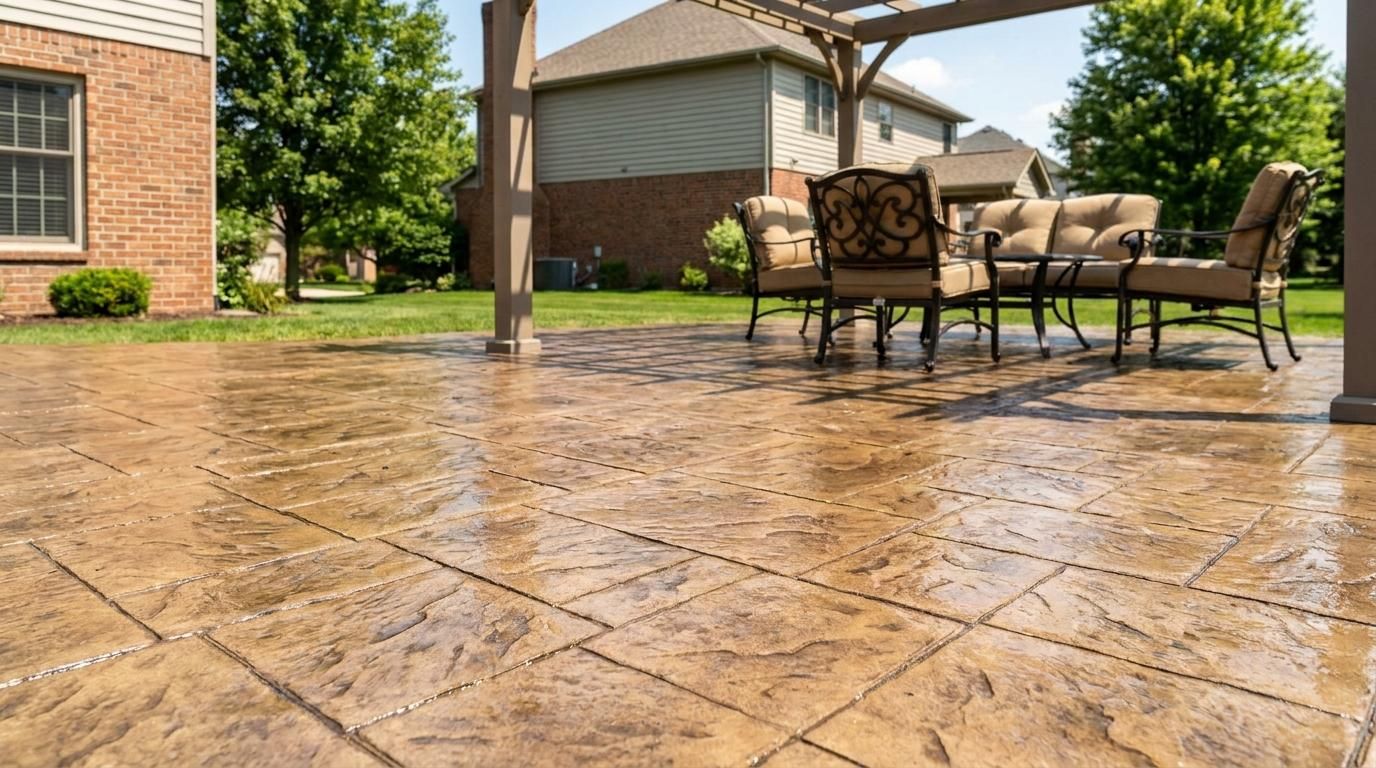
Types of stamped concrete sealer compared
By Kris Fricks June 6, 2026
Compare the best stamped concrete sealers for Indianapolis driveways and patios: acrylic, polyurethane, and penetrating. See which holds up to freeze-thaw and sun.
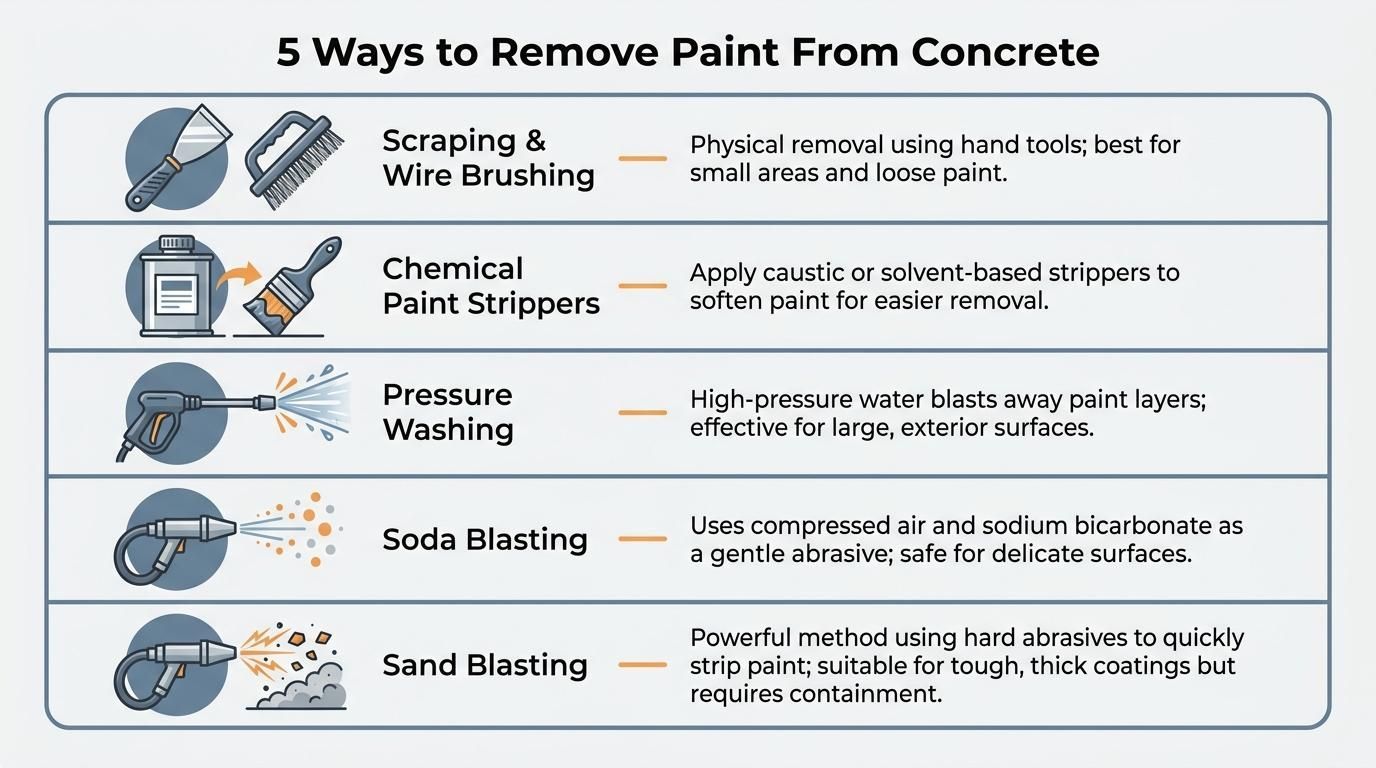
5 methods to remove paint from concrete
By Kris Fricks June 2, 2026
Learn how to remove paint from concrete with 5 methods Indianapolis pros use, from chemical strippers to sand blasting, plus when to call 317 Seal Inc.
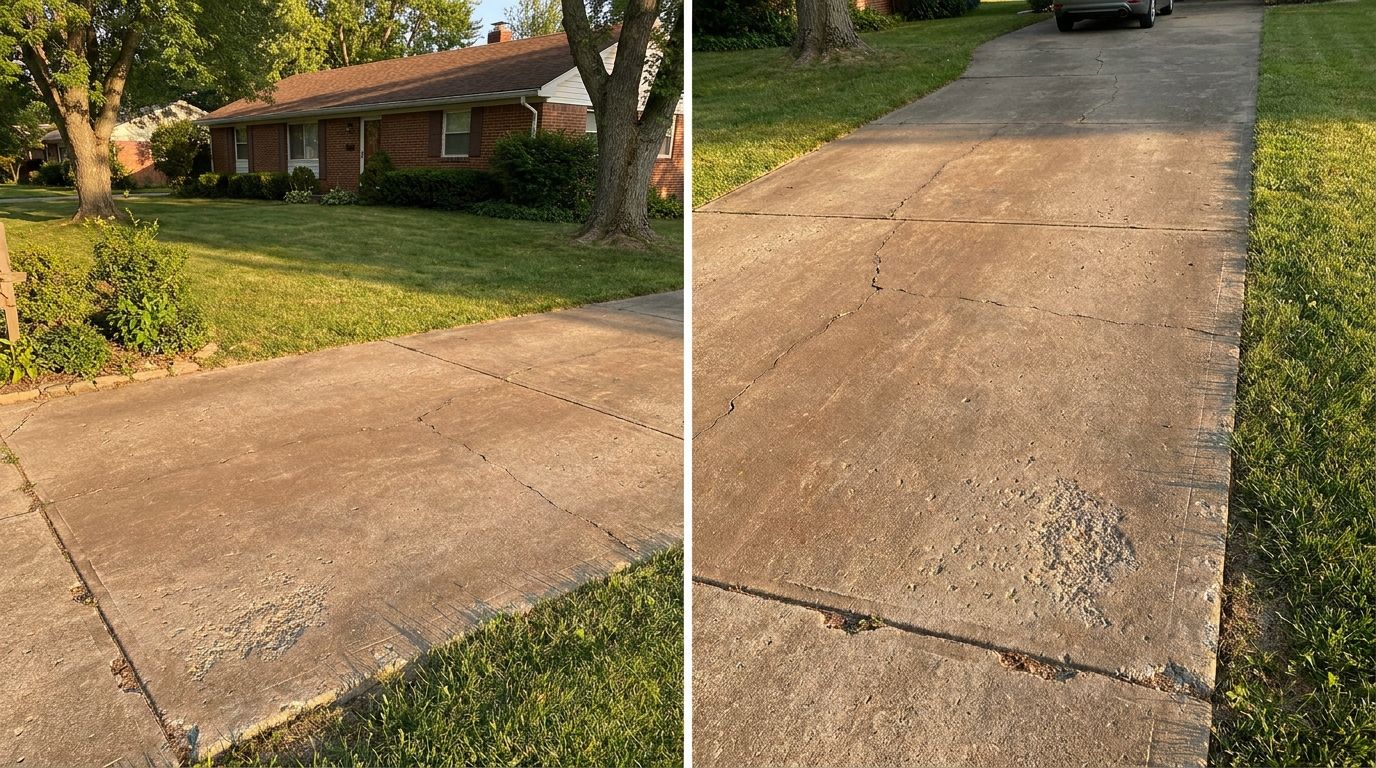
By Kris Fricks May 29, 2026
A well-maintained concrete driveway lasts 25 to 30 years in Indianapolis. Learn what shortens its lifespan and how sealing extends it.
By Kris Fricks May 25, 2026
Use these four simple tests to check whether your concrete is sealed before reapplying sealer or scheduling professional concrete care.
By Kris Fricks May 21, 2026
Indianapolis driveways need resealing every 2 to 3 years due to freeze-thaw cycles and road salt. Learn how to tell when yours is due.
Show More