

How to Remove Fertilizer Stains From Concrete in Indianapolis, IN

Kris Fricks • September 29, 2026

Those rust-colored blotches appearing on your driveway or walkway after a lawn treatment are iron stains caused by fertilizer minerals. Most fertilizer marks respond well to targeted, specialized cleaners and a little patience, restoring the surface without costly resurfacing.

Here in Indianapolis, the concrete stain removal team at 317 Seal Inc. fields these calls every spring and fall during peak lawn care season. If fresh orange or brown spots have appeared on your concrete, understanding their root cause and proper treatment will help restore your surface safely.

Why Fertilizer Leaves an Orange or Rust-Colored Mark

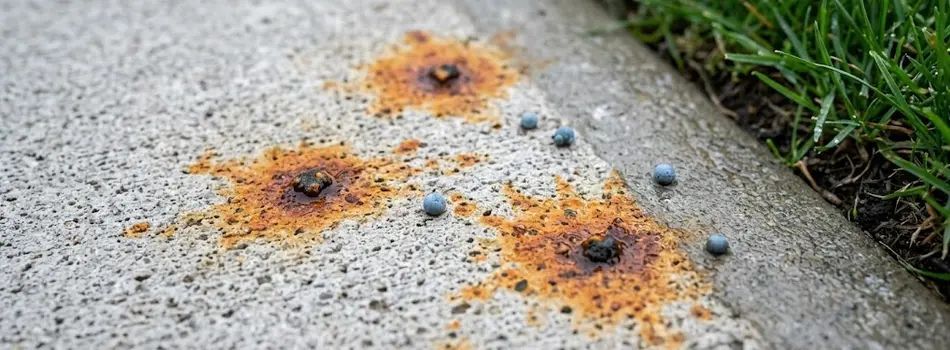
Orange rust stains on a concrete sidewalk next to grass

Most orange and brown fertilizer marks are iron-oxide stains, created when iron-containing granules react with moisture and oxygen. Because concrete is porous, the resulting stain can soak deep below the surface, making a standard garden hose rinse ineffective once the mark has set.

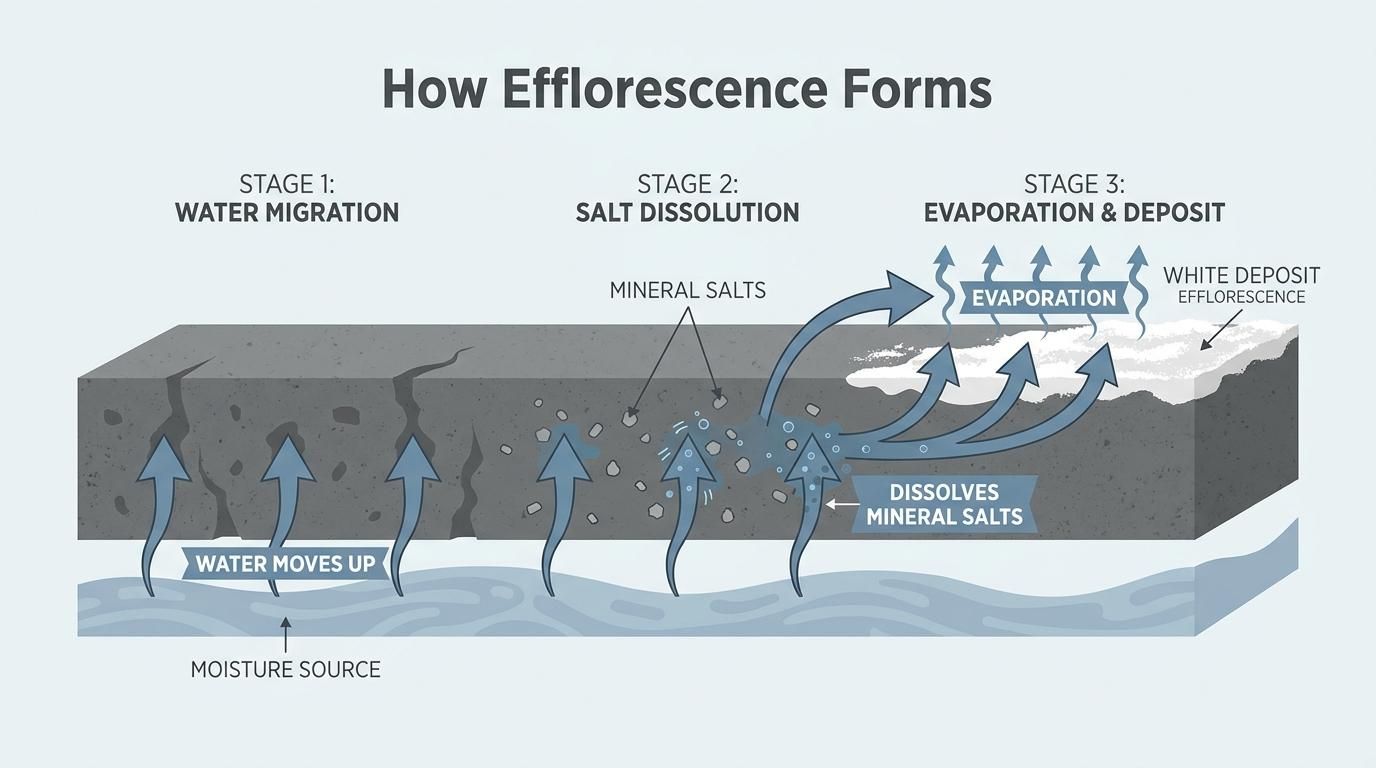
Concrete that's changing color for other reasons, like efflorescence or general weathering, can look similar, so it helps to confirm you're dealing with a fertilizer stain before choosing a treatment.

Act Before the Next Rain or Watering

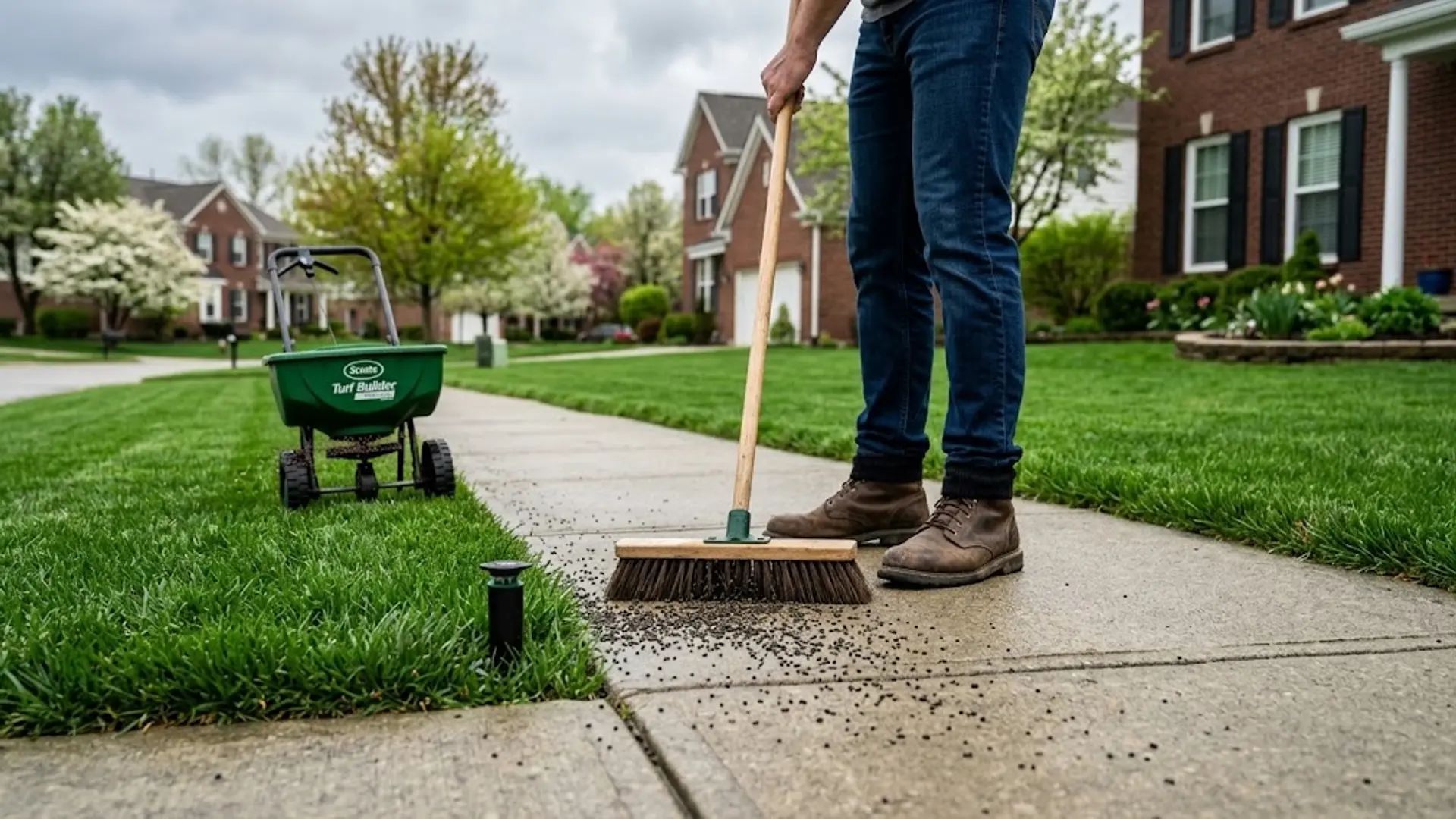
Person sweeping debris from a sidewalk beside a green lawn and suburban houses

Indianapolis homeowners typically see this problem twice a year, after spring and fall fertilizer applications, when a few stray granules land on the driveway, sidewalk, or patio instead of the lawn. The single most useful thing you can do is catch them before they get wet.

  1. Sweep or blow stray granules back onto the grass as soon as you notice them on hard surfaces.
  2. Do this before running sprinklers or before rain is in the forecast.
  3. If granules have already gotten wet, rinse the area with plain water right away, before the color has a chance to set into the surface.

Choosing the Right Removal Approach

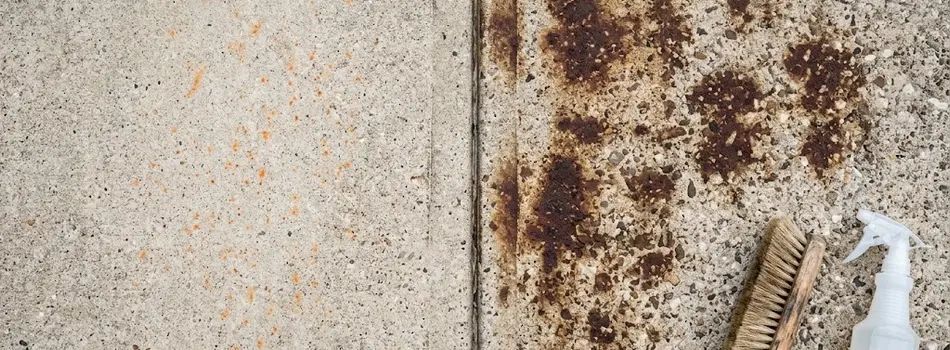
Side-by-side concrete surfaces, one clean and one rust-stained with a brush and gloves at the edge.

Not every fertilizer stain calls for the same response. How long the stain has been there, and how deep it's soaked in, should guide what you try next.

Stain Condition What It Looks Like Reasonable Next Step
Fresh, light discoloration Faint orange or yellow marks, only a few days old A concrete-safe rust remover used exactly as labeled, with gentle scrubbing and a thorough rinse
Deep or widespread staining Set-in, rust-colored color that's been there for weeks or longer A professional assessment before any strong chemistry or heavy pressure is used

For the DIY-friendly cases, our guide on removing rust stains from concrete walks through the same general approach, since fertilizer stains are chemically the same iron-oxide staining.

What to Avoid

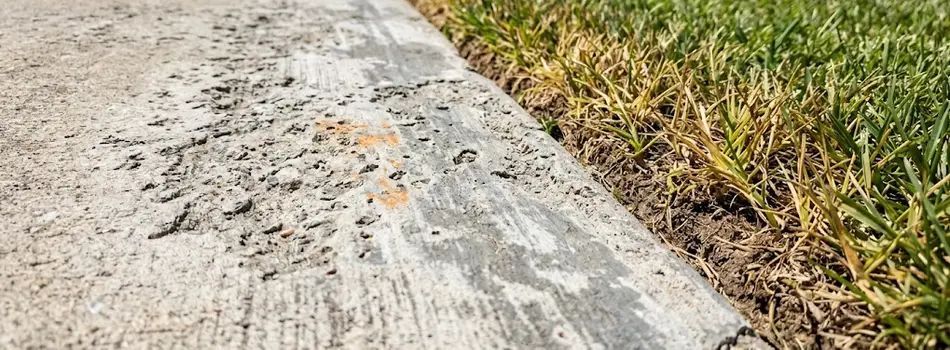
Close-up of a cracked concrete curb beside dry grass on a sunny day

It's tempting to reach for the strongest product on the shelf or turn the pressure washer up as high as it goes, but both can cause more damage than the stain itself.

  • Muriatic acid can etch or pit a concrete surface, leaving a mark that's harder to fix than the original stain
  • Concentrated rust-removal chemicals can run off into nearby turf and landscaping and harm plants
  • High pressure or abrasive scrubbing can leave etching or an uneven, blotchy finish instead of a clean result

Following product labels carefully and managing chemical runoff are essential to protecting both your concrete and surrounding landscaping during stain removal.

Frequently Asked Questions

Can fertilizer stains permanently discolor concrete?

Fertilizer stains can permanently discolor concrete if they're left untreated long enough for the iron to soak deep into the pores. However, most stains respond to a concrete-safe rust remover. Deep or widespread cases can typically be improved with a professional assessment.

Can I pressure wash fertilizer stains off concrete?

Pressure alone often isn't enough for a set-in iron stain. Using too much pressure can etch the surface or leave an uneven finish, so it's usually paired with the right cleaner rather than used on its own.

How do I keep fertilizer from staining my driveway again?

You can keep fertilizer from staining your driveway again by sweeping any stray granules off hard surfaces right after each spring and fall application. Make sure to do it before sprinklers or rain get to them.

Get Help With Concrete Stain Removal in Indianapolis

Two-story brick suburban house with a front porch, two-car garage, and a wide driveway

If a fertilizer stain has settled in or you'd rather not experiment with chemicals near your landscaping, 317 Seal Inc. offers concrete stain removal, pressure washing, and concrete sealing for homes across Indianapolis, Carmel, Fishers, Avon, and the rest of Central Indiana. Call (833) 317-7325 to talk through what you're seeing and get it handled right.

Sealed stamped concrete pool deck and patio
By Kris Fricks • November 13, 2026
Does concrete sealing cause slippery surfaces? Learn how sealer type and traction additives affect wet footing, and what Central Indiana homeowners should check first.
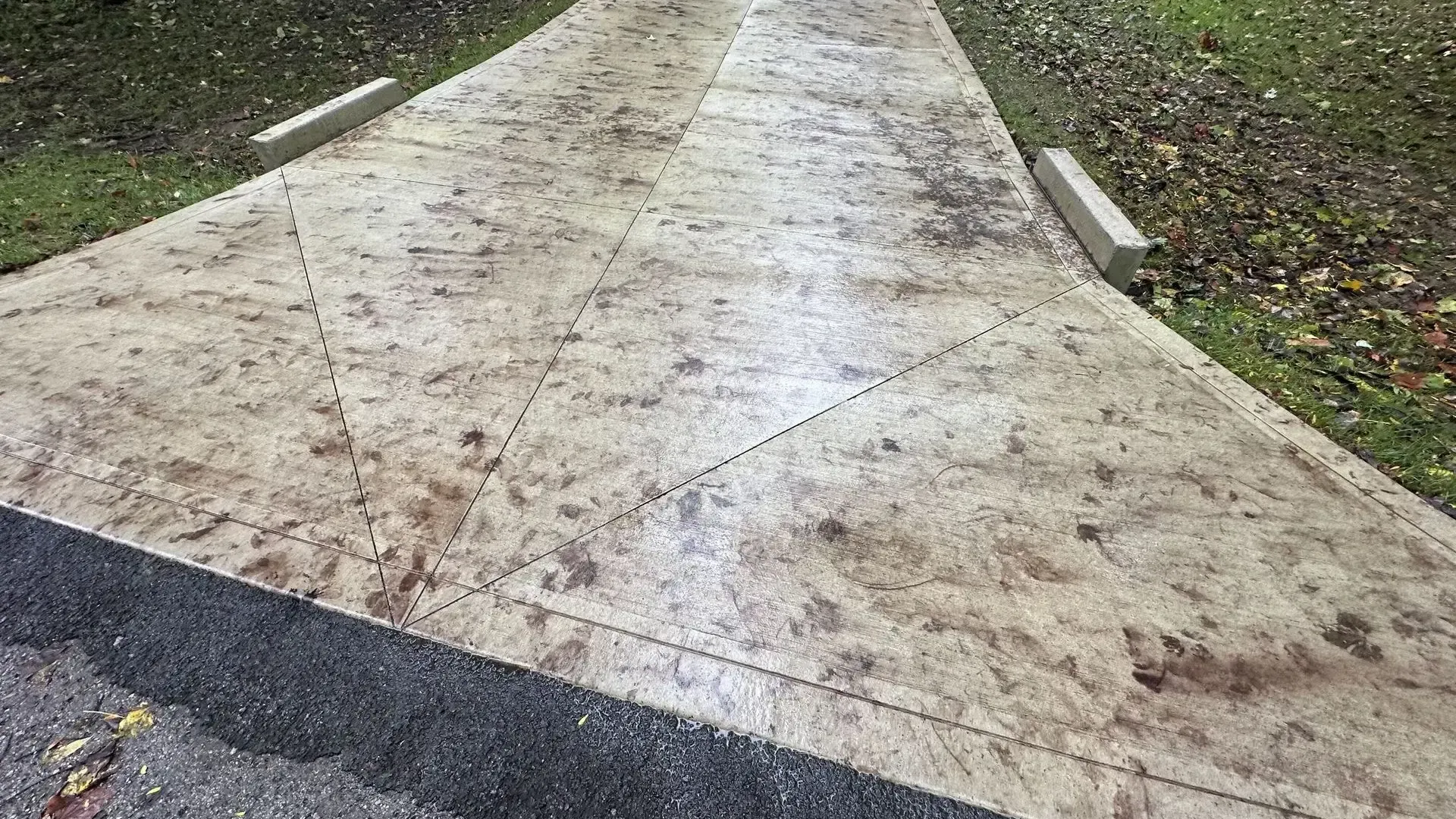
Sealed decorative concrete driveway in Central Indiana
By Kris Fricks • November 13, 2026
Wondering when you can drive on your sealed driveway? Learn why dry concrete isn't always ready for vehicles and how weather affects your timeline in Central Indiana.
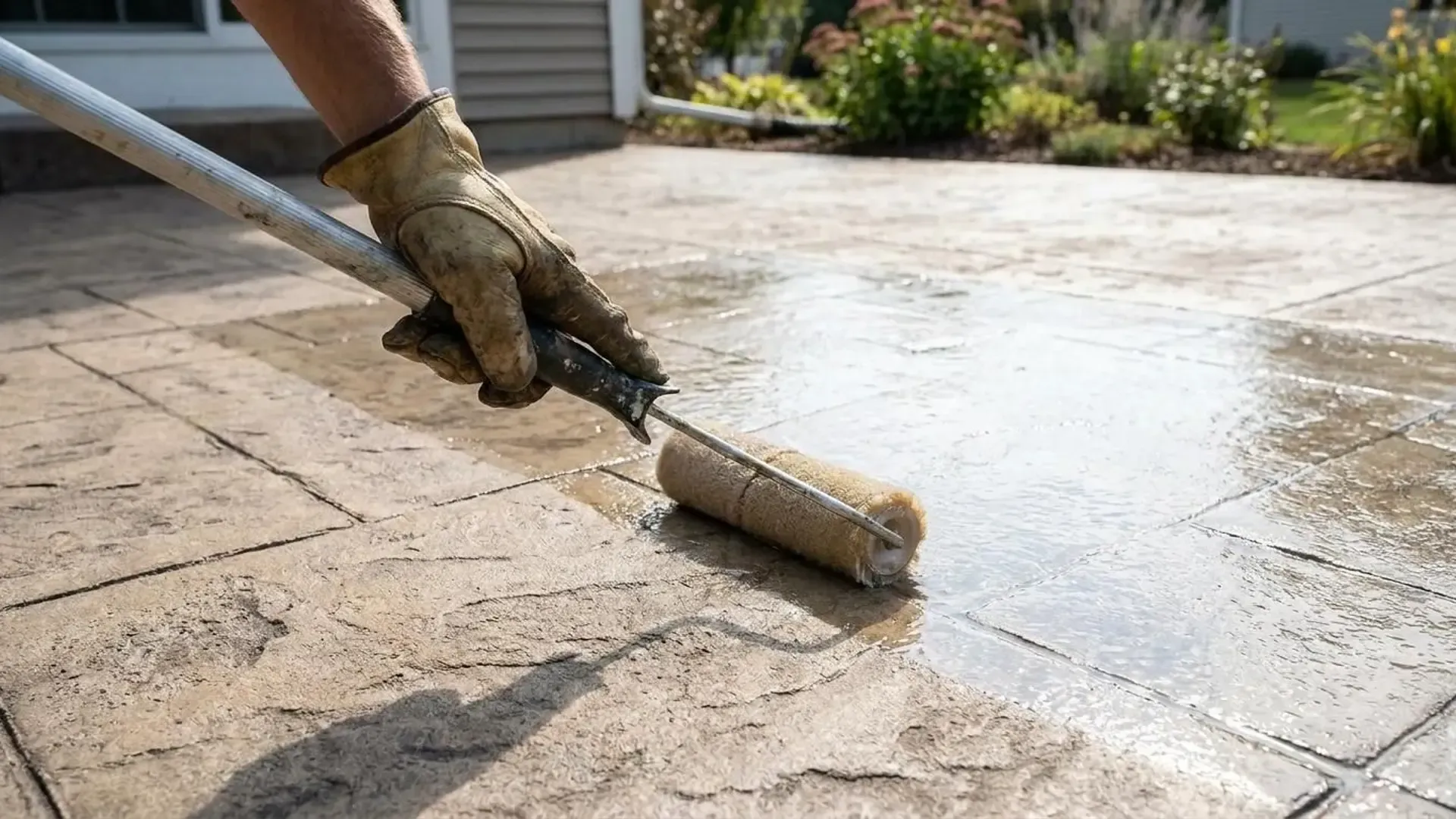
Applying sealer with a roller to a stamped concrete patio at a residential property
By Kris Fricks • November 12, 2026
Should you DIY concrete sealing or call a pro? Central Indiana homeowners: compare scope, coatings, weather timing, and winter conditions before deciding.
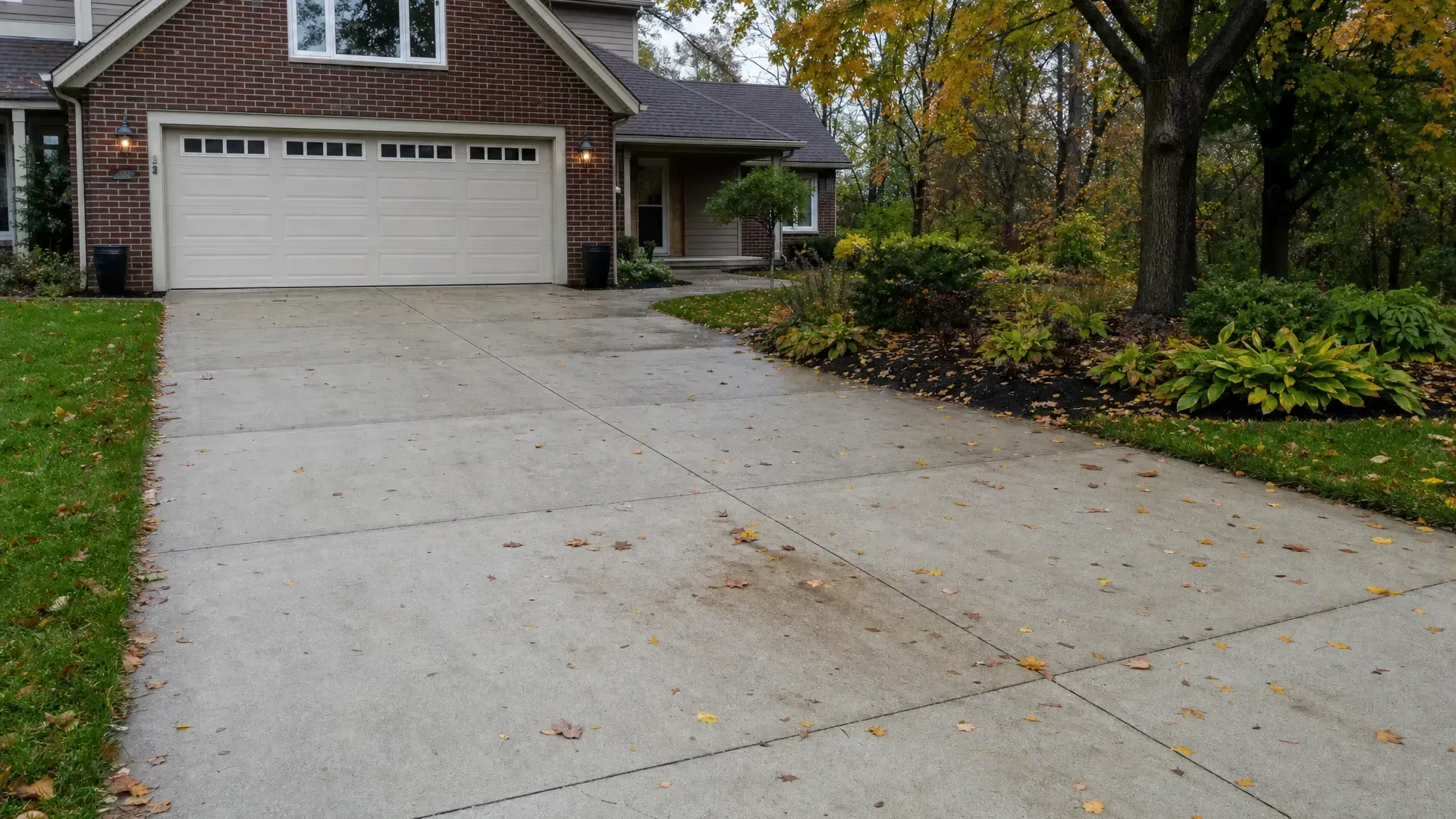
By Kris Fricks • October 28, 2026
Learn why leaves stain concrete, when stains fade naturally, and how to clean them safely. 317 Seal Inc. offers stain removal and resealing in Indianapolis.
Milky white cloudy haze on sealed concrete
By Kris Fricks • October 23, 2026
White or cloudy concrete sealer in Indianapolis? Learn the difference between trapped moisture and efflorescence, and when to call 317 Seal Inc. for help.
Black SUV parked on a slushy driveway in a snowy suburban neighborhood
By Kris Fricks • October 5, 2026
Learn which deicers damage Indianapolis driveways, safer alternatives, and when to seal your concrete before the first freeze hits this winter.
Pressure washing a concrete driveway and lawn edge at a Central Indiana home
August 12, 2026
Compare pressure washing and sand blasting for concrete in Indianapolis, Carmel, Fishers, and Avon, and learn which method fits your surface.
How to clean a concrete patio DIY methods
By Kris Fricks • June 29, 2026
Learn how to clean a concrete patio with DIY methods for grime and algae, how to handle tough stains, and when to call an Indianapolis pro to clean and seal it.
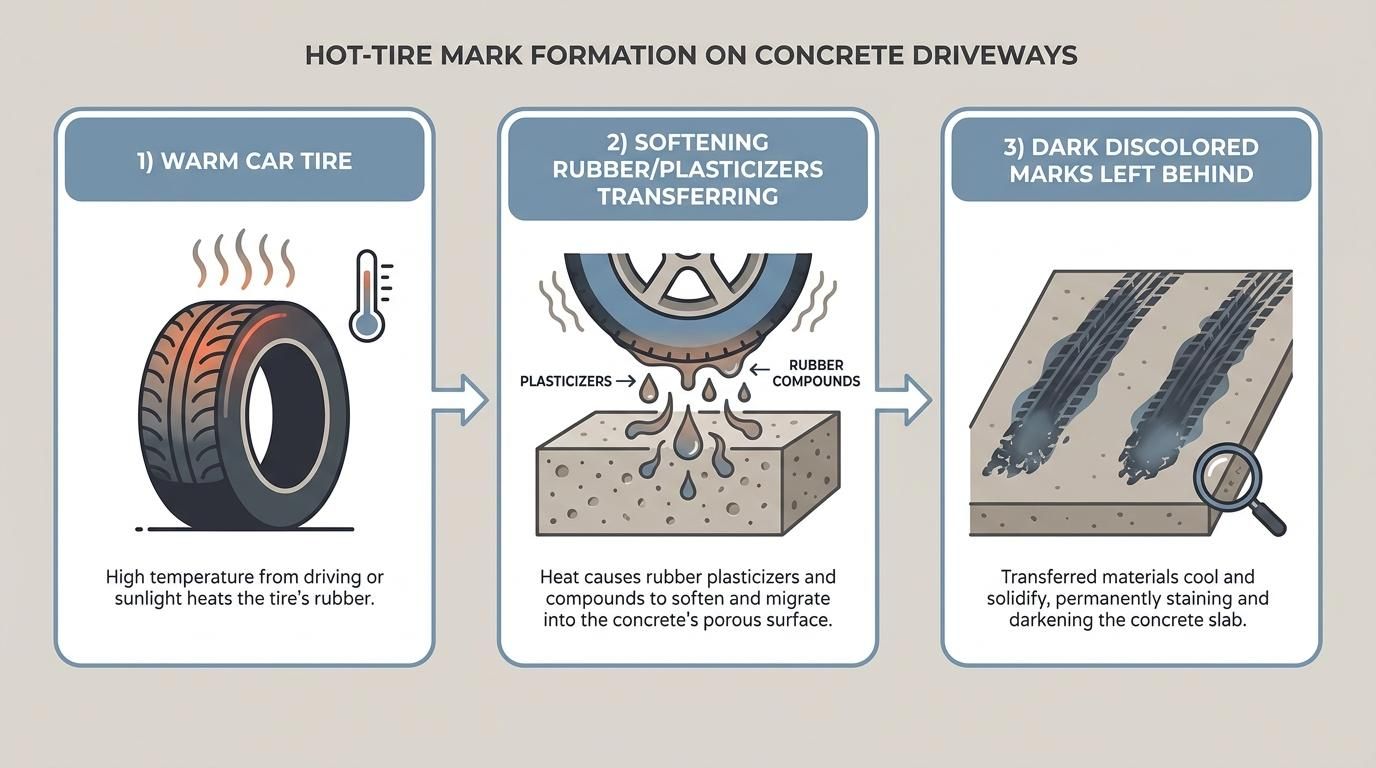
What causes tire marks on concrete
By Kris Fricks • June 25, 2026
Learn how to remove tire marks from your concrete driveway in Indianapolis with degreasers, scrubbing, and pressure washing, plus how sealing keeps them from returning.
What causes efflorescence on concrete
By Kris Fricks • June 21, 2026
What is efflorescence on concrete? Learn what causes the white haze, how to remove it step by step, and how sealing prevents it from returning in Indianapolis.
Show More