How to Remove Paint From Concrete: 5 Methods Indianapolis Pros Use (2026)

Kris Fricks • June 2, 2026

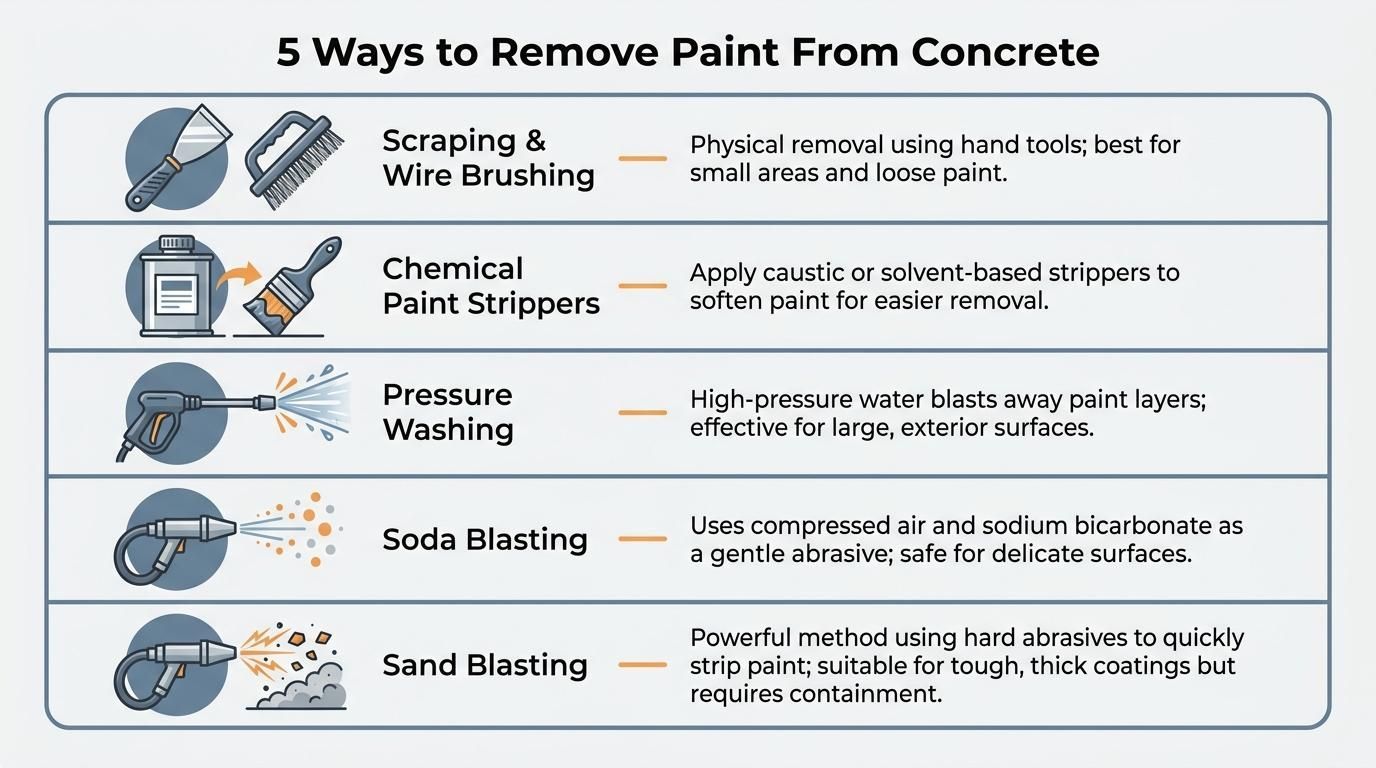
Removing paint from concrete involves five proven methods: scraping and wire brushing, chemical paint strippers, pressure washing, soda blasting, and sand blasting. At 317 Seal Inc., we use these same approaches to prep concrete across Indianapolis. The right choice depends on the type of paint, its thickness, and the condition of the surface underneath.

After years of prepping driveways, patios, and garage floors, we’ve learned that the most common mistake is reaching for the most aggressive method first. Too much pressure or the wrong blasting media can etch and permanently scar the slab, which is why a careful high-pressure concrete wash is often a smarter middle step. Five methods follow, from the gentlest brush-and-stripper work to the heavy abrasive techniques that pros save for last.

5 Methods to Remove Paint From Concrete

Each method trades effort for power. Start gently, then step up only if the paint resists.

1. Scraping and Wire Brushing

For fresh spills or small drips, a stiff putty knife and a wire brush lift most uncured latex with no chemicals. It is slow over large areas but cheap and harmless to the slab.

2. Chemical Paint Strippers

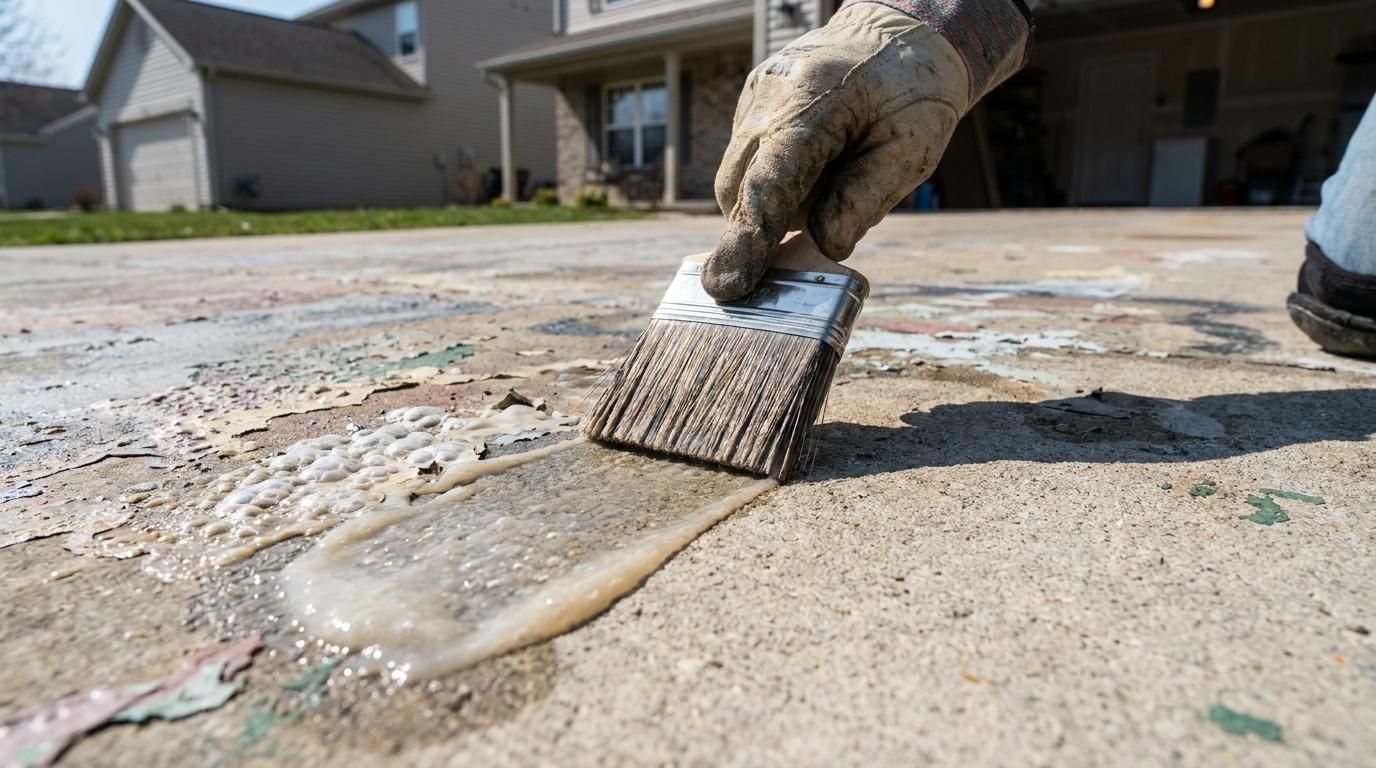
A concrete-safe stripper softens the bond so the paint scrapes away easily. Apply it, let it dwell per the label, then scrape and rinse. Strippers handle oil-based and cured latex that brushing cannot touch; wear gloves and eye protection.

3. Pressure Washing

A pressure washer blasts away loosened paint fast and pairs well with a stripper for stubborn coats. Routine cleaning runs 2,500 to 3,000 PSI; lifting paint needs 3,000 to 4,000 PSI with the right tip. Too much pressure on older concrete leaves wand marks, so technique matters as much as power.

4. Soda Blasting

Soda blasting fires baking-soda media at the surface to chip paint loose without the harshness of sand. It is gentler on concrete and suits decorative or thinner slabs, though it still needs proper equipment and cleanup.

5. Sand Blasting

Sand blasting is the heavy-duty option for thick, layered, or industrial coatings nothing else will move. It is fast and thorough, but the abrasive can roughen the surface if overdone, which is why professional sand blasting in Indianapolis is best left to crews who control the media and pressure. As the most aggressive method here, it is the last resort once gentler options fail.

How to Match the Method to Your Paint and Surface

Picking the right method protects the slab. Work through these factors first:

  • Paint type: Fresh latex yields to scraping; cured latex and oil-based paint need a stripper or pressure washing.
  • Spill size: A few drips call for a brush; a painted-over driveway is a stripper-plus-washer job.
  • Surface condition: Older or flaking concrete cannot take high pressure or coarse abrasive without more damage.
  • Decorative finishes: Stamped or stained concrete needs the gentlest approach, often soda blasting over sand.

When one method leaves a stubborn film, a stripper combined with a controlled wash takes care of most residential jobs. For layered messes, professional concrete stain and paint removal gets the surface clean without trial and error.

Protecting Indianapolis Concrete After the Paint Is Gone

Stripping paint can leave concrete more porous than before. In Central Indiana, freeze-thaw winters drive water into open pores, where it expands and breaks the surface apart, and road salt speeds up the damage.

That is why we seal the slab once it is clean and dry. A quality sealer fills the pores, blocks water and salt, and makes future spills easier to wipe up. Unsure which products are safe? Our guide to what cleans concrete safely helps. In Indianapolis, reseal every two to three years.

Frequently Asked Questions

Does vinegar remove paint from concrete?

Warm vinegar can soften small spots of fresh, water-based paint as a low-cost first try. It struggles with cured latex or oil-based paint, though, so plan to follow up with a scraper or a concrete-safe stripper for anything beyond light drips.

Will pressure washing alone remove all the paint?

Sometimes, but not always. Pressure washing lifts loose or peeling paint quickly, yet thick or well-bonded coats usually need a chemical stripper first so the wash can finish the job. The right pressure and tip also keep you from etching the concrete.

Can you remove paint from stamped or decorative concrete without damage?

Yes, but it takes a careful touch. Aggressive blasting or high pressure can strip the texture and color from decorative surfaces, so the gentlest effective method wins. 317 Seal Inc. matches the technique to the finish so the pattern stays intact while the paint comes off.

Get Paint Off the Right Way

The best method is the gentlest one that clears the paint. Scrape or strip small spills, pressure wash larger areas, and reserve soda or sand blasting for thick coatings. Whatever you use, seal the concrete so Indiana's freeze-thaw cycles don’t undo your work.

If the paint is layered, set in, or covering a decorative or aging slab, skip the guesswork. Get a free quote from 317 Seal Inc. or call us at (833) 317-7325. We’ll remove the paint safely and seal the surface so it stays protected for years.

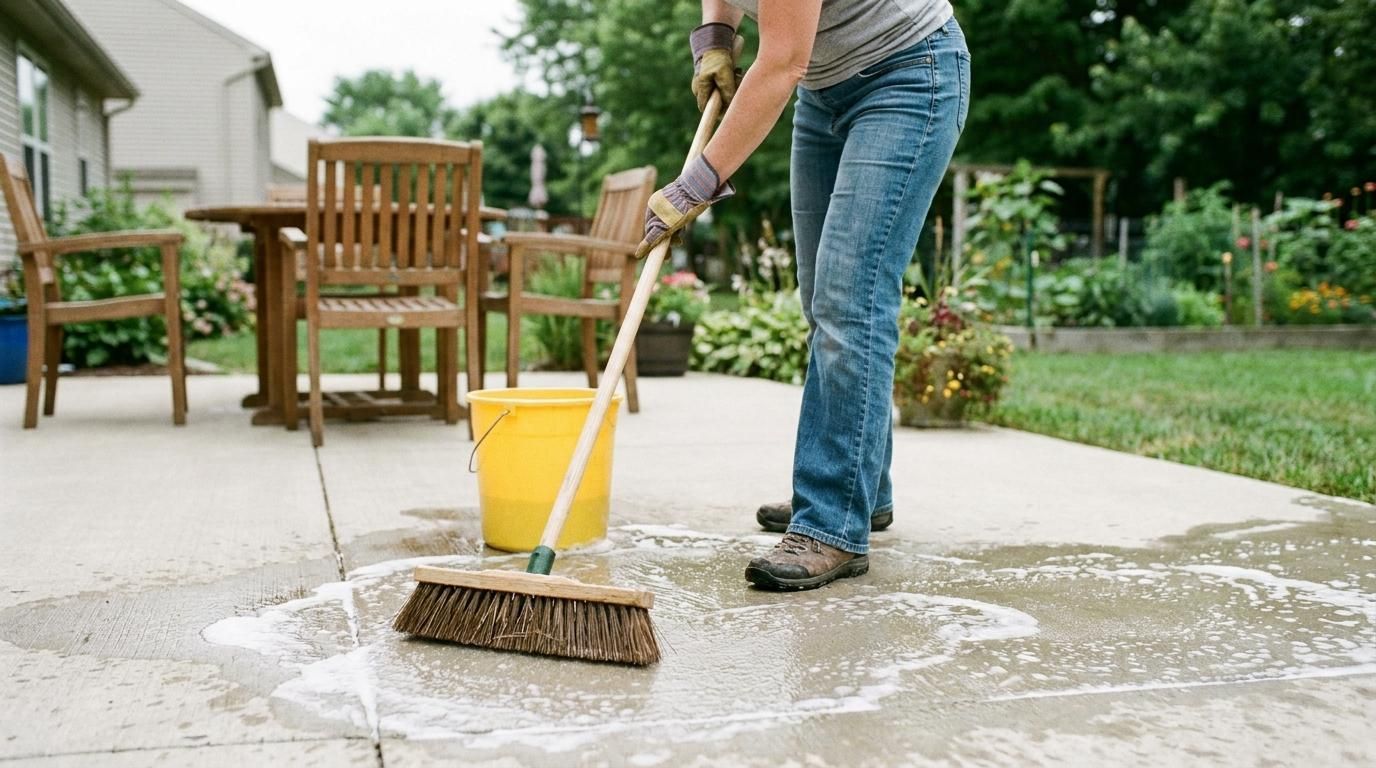
How to clean a concrete patio DIY methods
By Kris Fricks June 29, 2026
Learn how to clean a concrete patio with DIY methods for grime and algae, how to handle tough stains, and when to call an Indianapolis pro to clean and seal it.
What causes tire marks on concrete
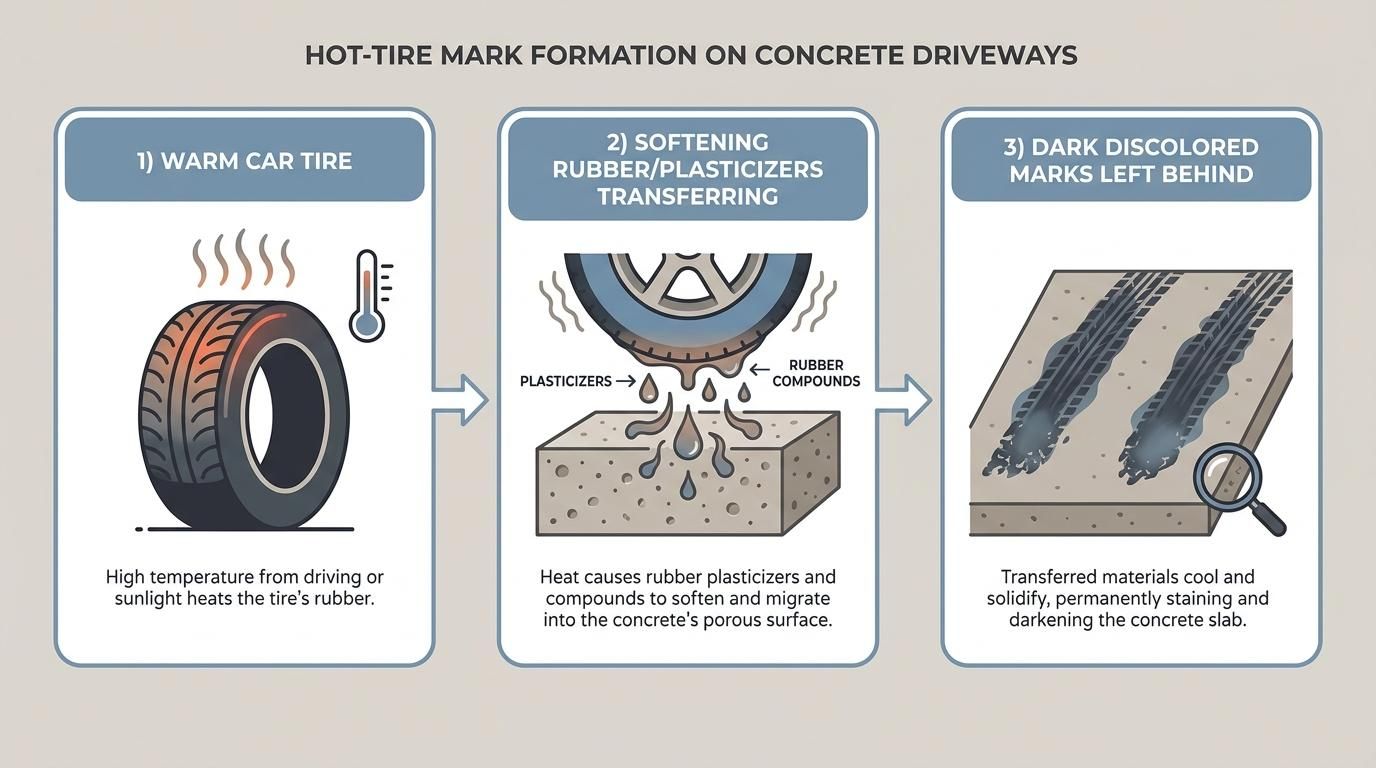
By Kris Fricks June 25, 2026
Learn how to remove tire marks from your concrete driveway in Indianapolis with degreasers, scrubbing, and pressure washing, plus how sealing keeps them from returning.
What causes efflorescence on concrete
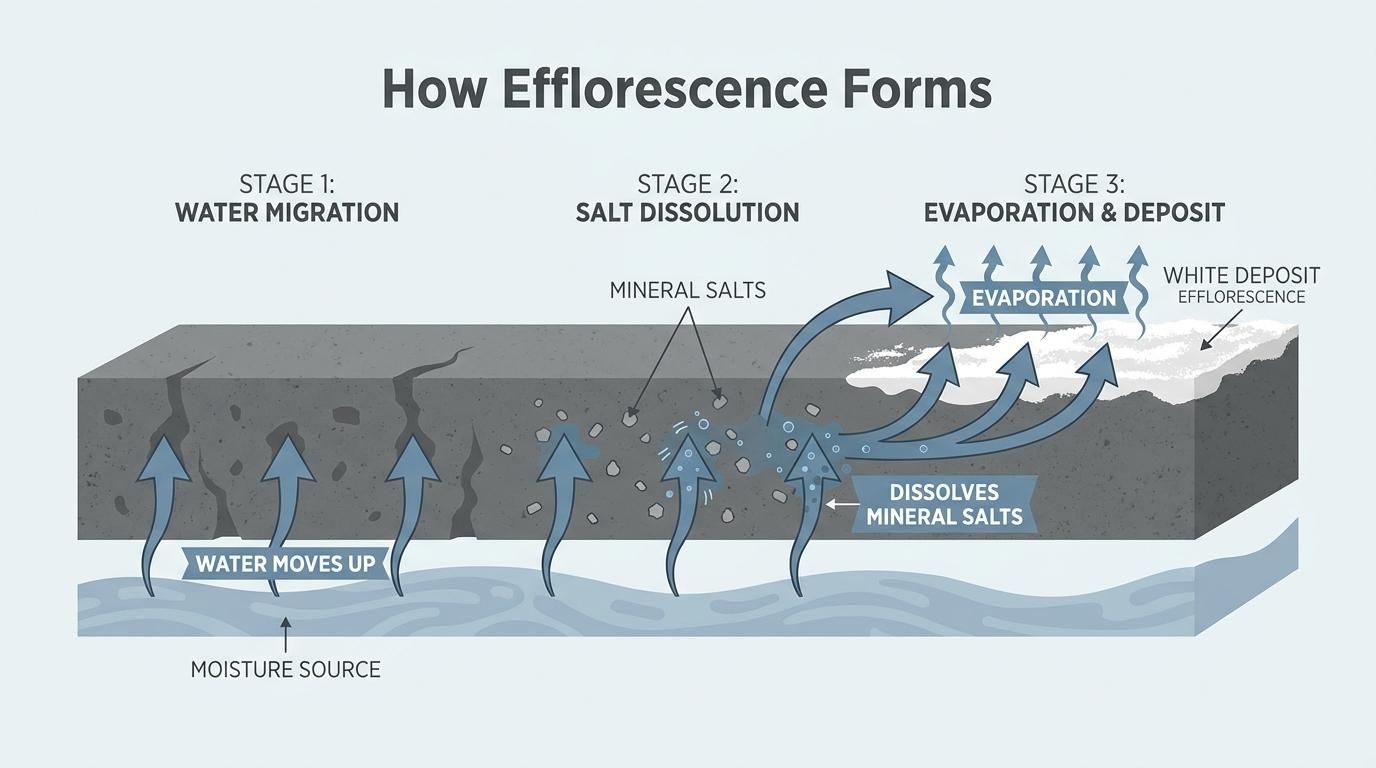
By Kris Fricks June 21, 2026
What is efflorescence on concrete? Learn what causes the white haze, how to remove it step by step, and how sealing prevents it from returning in Indianapolis.
How to clean a concrete garage floor step by step
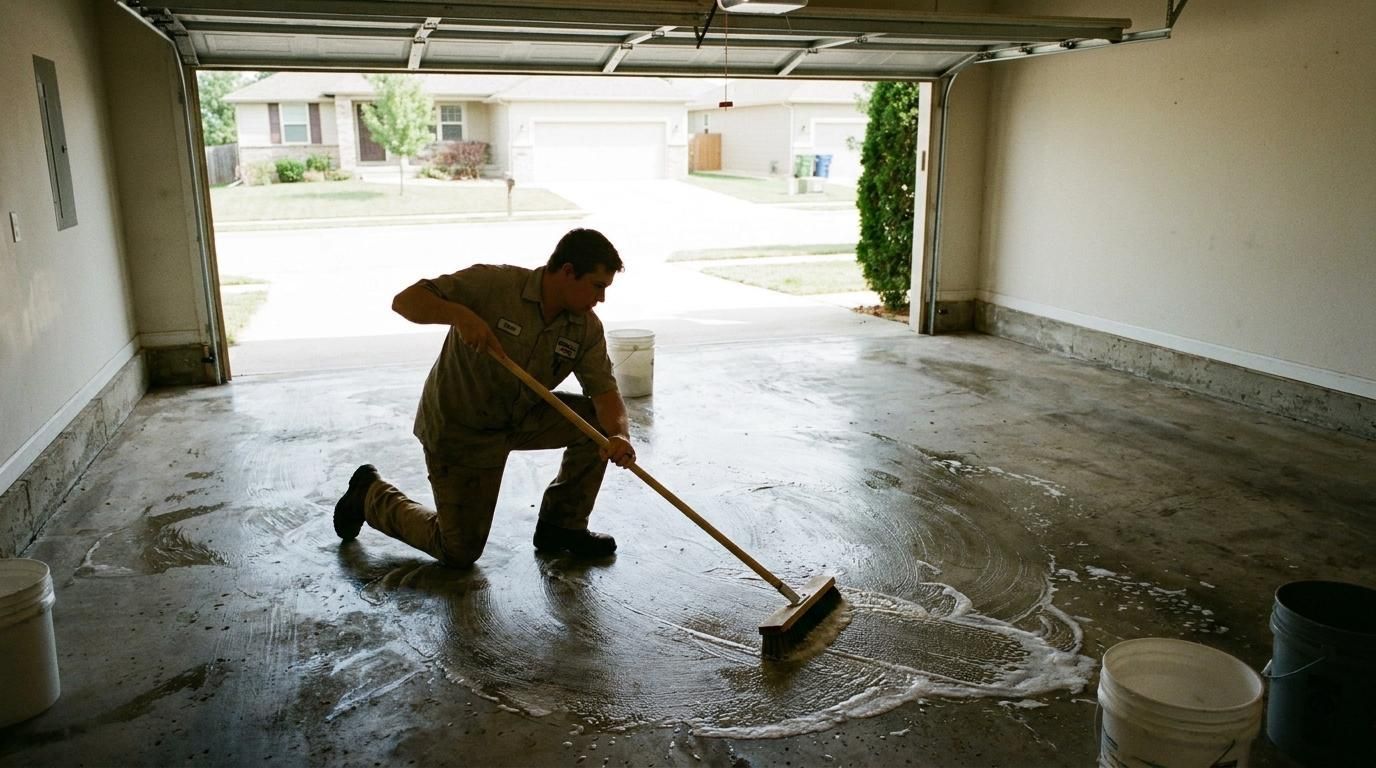
By Kris Fricks June 18, 2026
Learn how to clean a concrete garage floor step by step, tackle oil, salt, and rust stains, and keep it low-maintenance with sealing. Indianapolis pro tips.
Why pool decks need sealing before summer
By Kris Fricks June 15, 2026
Pool deck sealing in Indianapolis protects concrete from chlorine, splash-out, UV, and freeze-thaw. Learn why to seal before summer and how often to reseal.
Is muriatic acid safe to use on concrete
By Kris Fricks June 10, 2026
Is muriatic acid safe on concrete? Learn when to use it, how to apply it safely, and the gentler alternatives most Indianapolis driveways and patios actually need.
Types of stamped concrete sealer compared
By Kris Fricks June 6, 2026
Compare the best stamped concrete sealers for Indianapolis driveways and patios: acrylic, polyurethane, and penetrating. See which holds up to freeze-thaw and sun.
By Kris Fricks May 29, 2026
A well-maintained concrete driveway lasts 25 to 30 years in Indianapolis. Learn what shortens its lifespan and how sealing extends it.
By Kris Fricks May 25, 2026
Use these four simple tests to check whether your concrete is sealed before reapplying sealer or scheduling professional concrete care.
By Kris Fricks May 21, 2026
Indianapolis driveways need resealing every 2 to 3 years due to freeze-thaw cycles and road salt. Learn how to tell when yours is due.
Show More