What Is Good for Cleaning Concrete: Top Products and Methods That Work

Kris Fricks • December 1, 2025

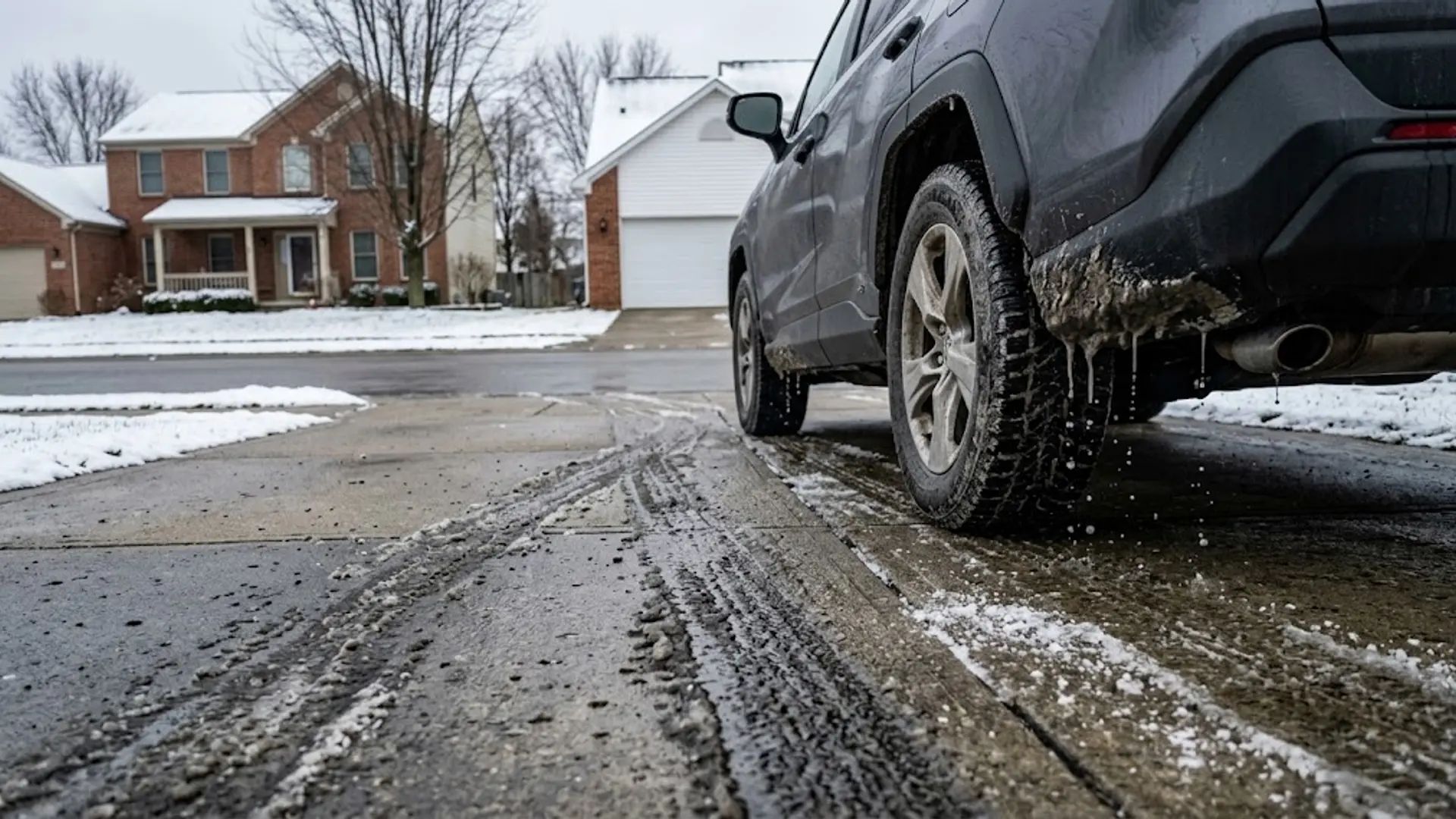
Concrete driveways, patios, and walkways are constantly exposed to the elements, vehicles, and everyday use. Over time, unsightly stains from oil, rust, mold, and tire marks can make even well-maintained concrete look neglected. The good news? With the right products and techniques, you can restore your concrete surfaces to their original appearance. Understanding what is good for cleaning concrete depends on the type of stain you're dealing with. 


In this guide, 317 Seal Inc. breaks down the most effective cleaning products for various concrete stains and helps you determine when to call the professionals.


Best Cleaning Products and Methods for Removing Concrete Stains

Different stains penetrate concrete in different ways, which means no single product works for every situation. Matching the right cleaner and method to your specific stain is essential to remove it without damaging your concrete.


Oil and Grease Stains

Oil and grease are among the most common concrete stains we encounter, especially on driveways and garage floors. These petroleum-based substances seep into concrete's porous surface, creating dark, stubborn marks.


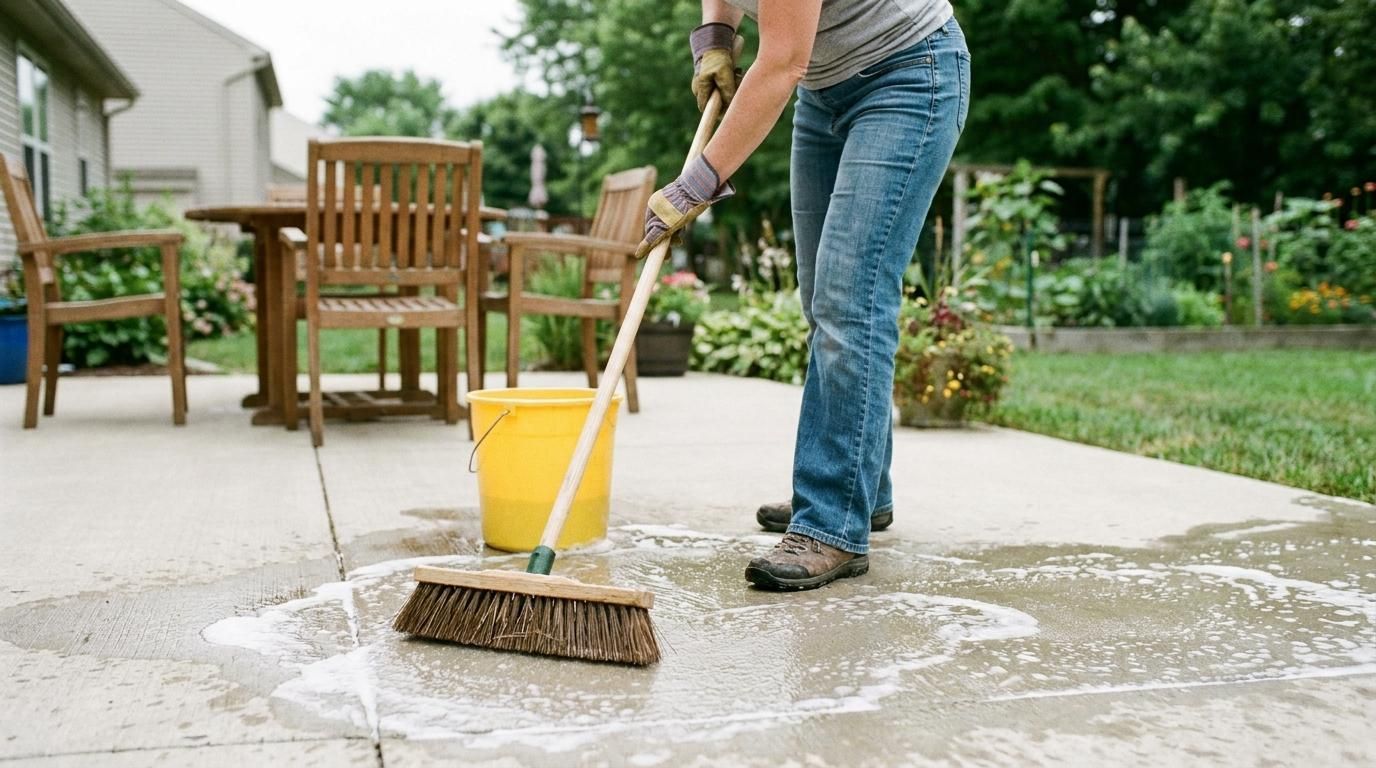
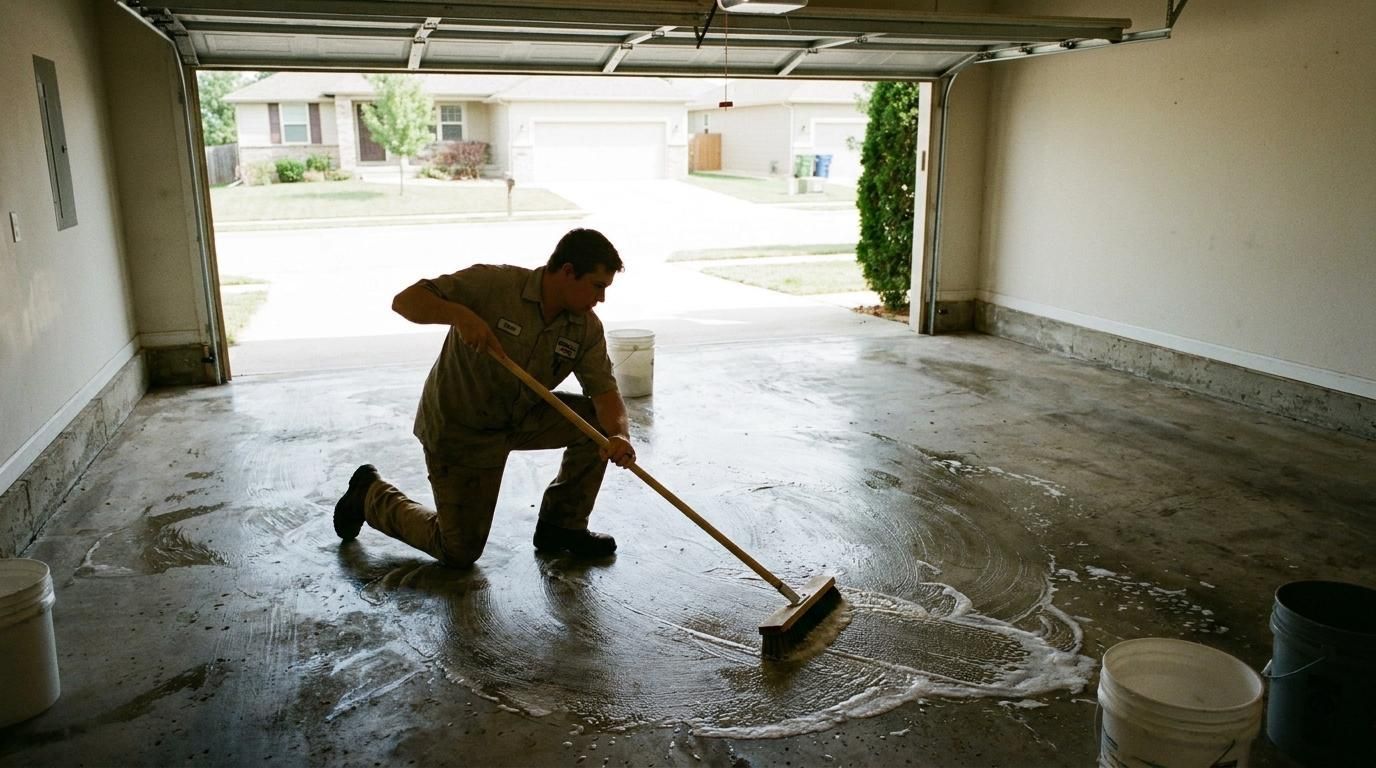
Alkaline degreasers are your best weapon against oil and grease stains. We recommend commercial-grade degreasers with a pH of 12-14 for maximum effectiveness. Pour the degreaser directly onto the stain and allow it to penetrate for 10 to 15 minutes. Use a stiff-bristled brush as you scrub in circular motions, then rinse thoroughly with water. For very old or deep-set stains, repeat as needed. Note that some discoloration may remain even after multiple treatments.


Rust and Metal Stains

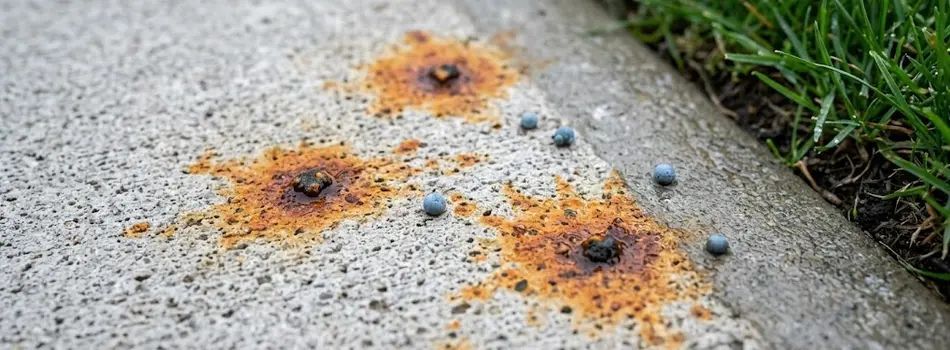
Rust stains appear as orange or reddish-brown discoloration, typically caused by metal furniture, tools, or lawn equipment left on concrete surfaces. Acid-based cleaners are most effective for rust removal. Oxalic acid specifically targets iron oxide (rust) without excessively etching the concrete.


Apply oxalic acid to the stained area and allow it to work for 15 to 30 minutes. Scrub gently with a non-metal brush, then rinse generously with water. Heavier or older rust spots may need additional applications or professional-strength products. Always wear gloves and protective eyewear to avoid skin and eye contact, and never mix acid cleaners with other chemicals, especially bleach.


Organic Stains (Mold, Mildew, and Algae)

Green, black, or brown stains on concrete patios and shaded driveways are usually organic growth: mold, mildew, or algae. These organisms thrive in damp, shaded areas and can make concrete surfaces slippery and unsightly.


Oxygen bleach (sodium percarbonate) is the ideal solution for organic stains. Mix the powder with warm water, apply to the affected areas, and allow it to sit for 20 to 30 minutes. For heavily stained surfaces, scrub with a brush to agitate the solution, then rinse thoroughly. Keep children, pets, and plants away from runoff until the surface is completely dry, even though oxygen bleach is safer than chlorine bleach. Regular cleaning with a mild detergent solution can help prevent organic growth from returning.


Tire Marks and Rubber Stains

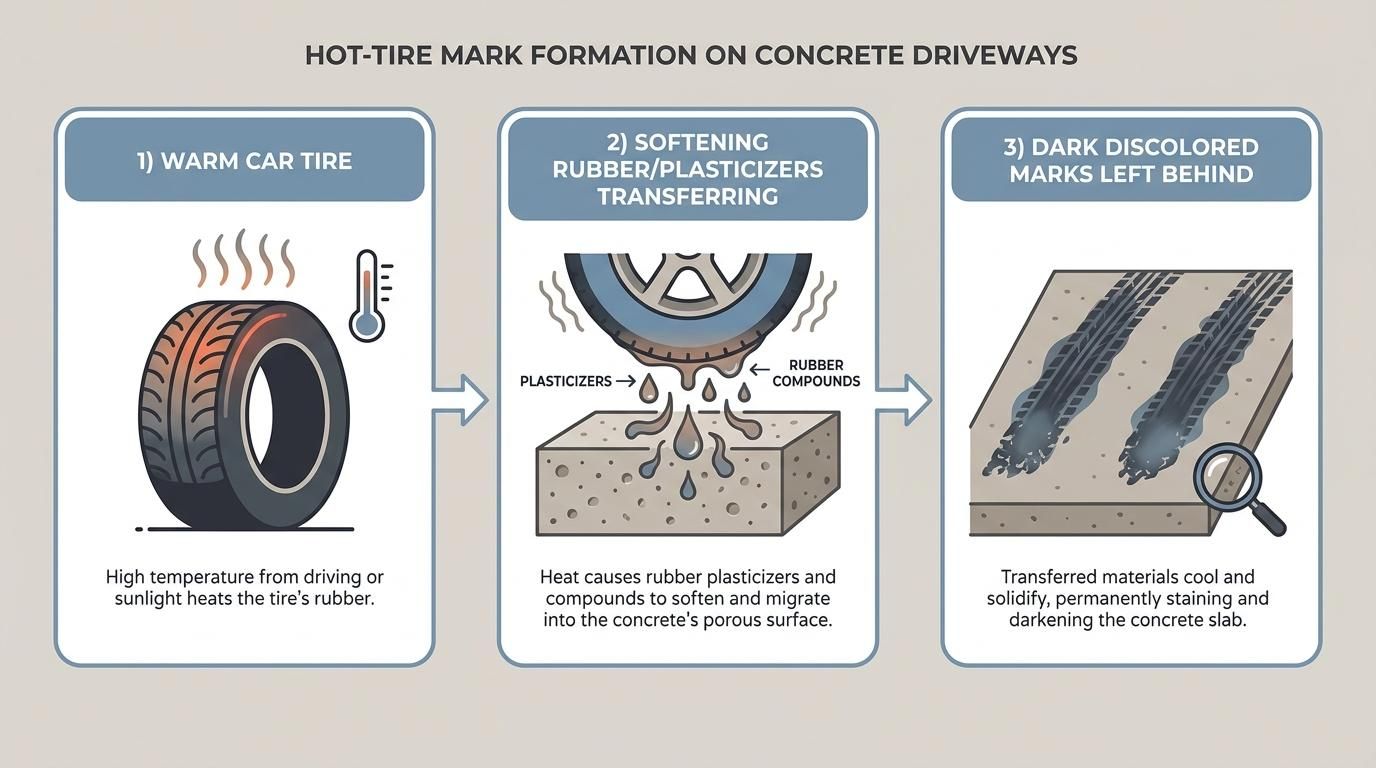
Dark tire marks are particularly common on concrete driveways, created when hot tires deposit rubber compounds onto the surface. These marks can be surprisingly persistent because the rubber embeds into concrete's porous surface.


Specialized degreasers formulated for tire marks offer the best results. Apply the cleaner, let it penetrate, then scrub vigorously with a stiff brush. Hot water pressure washing can be particularly effective, but avoid holding the nozzle too close or using excessive PSI, as this can etch or damage the concrete surface.


When To Call Professional Concrete Cleaning Services

While many concrete stains respond to DIY treatments, certain situations warrant professional expertise. Stubborn stains that resist multiple attempts often require commercial-grade equipment and professional-strength products. Industrial pressure washers, heated cleaning systems, and specialized chemical treatments can safely and effectively tackle the most persistent discoloration.


To prevent future stains from penetrating your concrete, sealing after professional cleaning is highly recommended. Sealers create a protective barrier that keeps oil, grease, rust, and organic matter from soaking into the porous surface. Fluids that typically cause stains can be easily wiped away from a properly sealed surface, making cleanup faster and more convenient. However, sealing is only effective when applied to thoroughly cleaned concrete. Any contaminants left behind will be trapped beneath the sealer, compromising its performance and appearance.


317 Seal: We’re Ready To Tackle the Toughest Stains

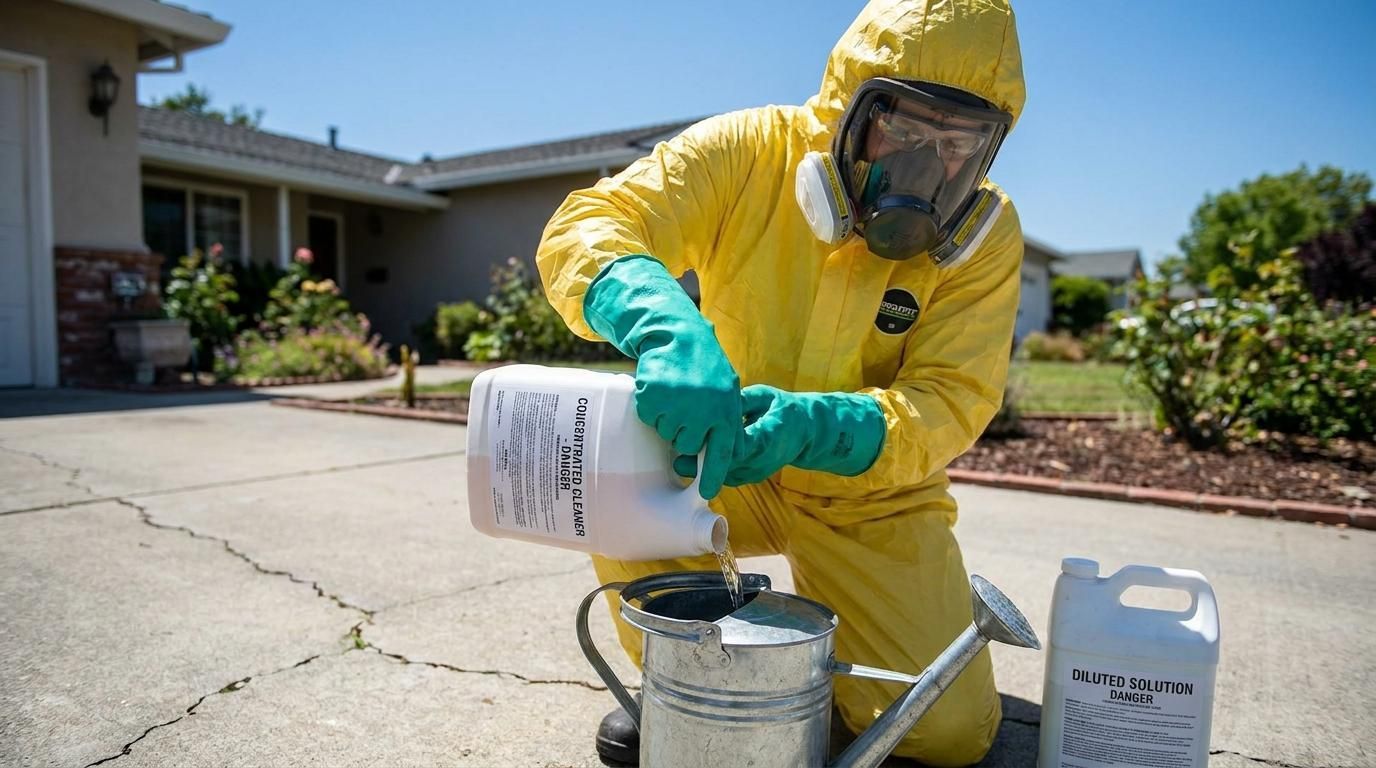
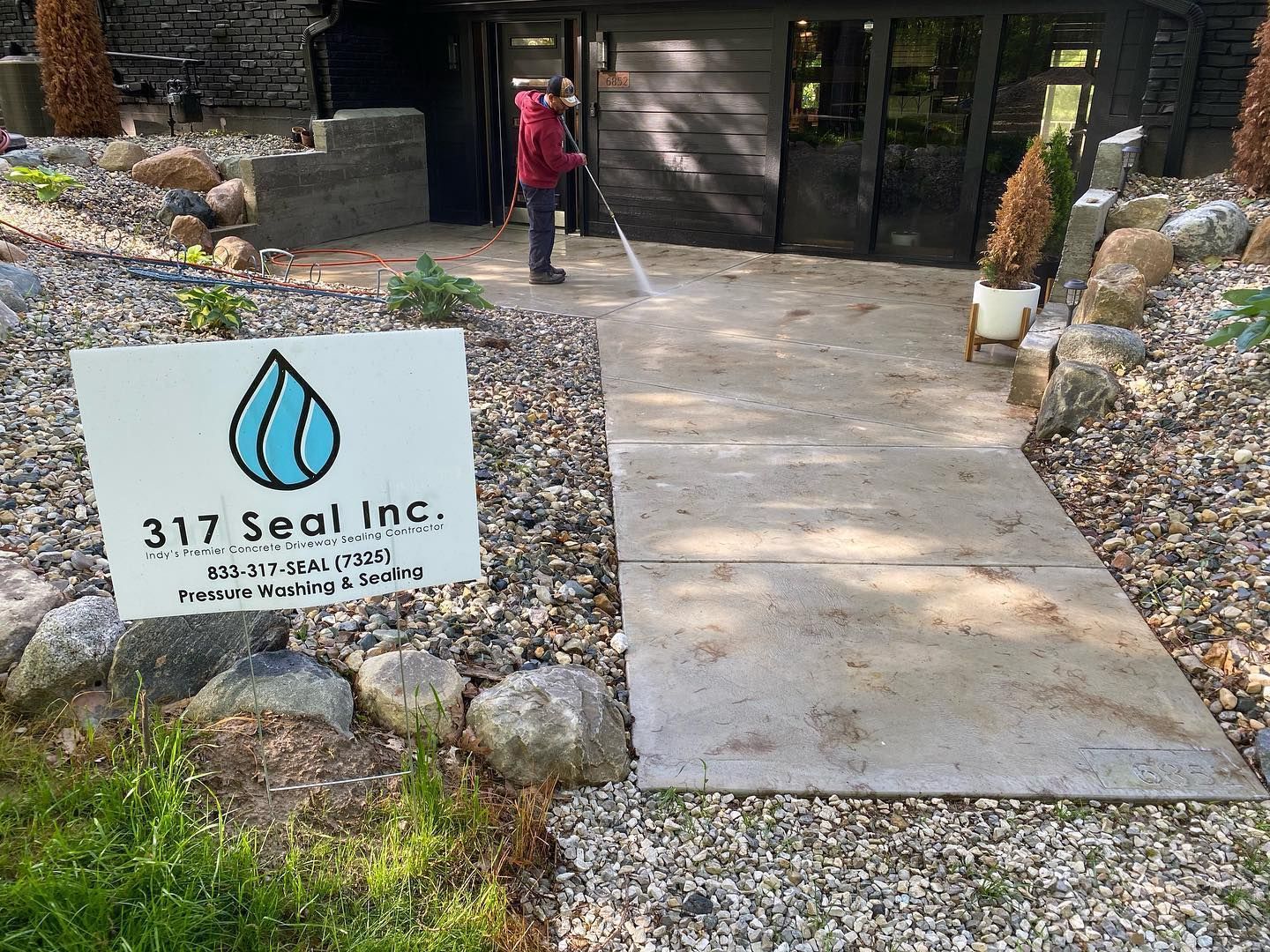
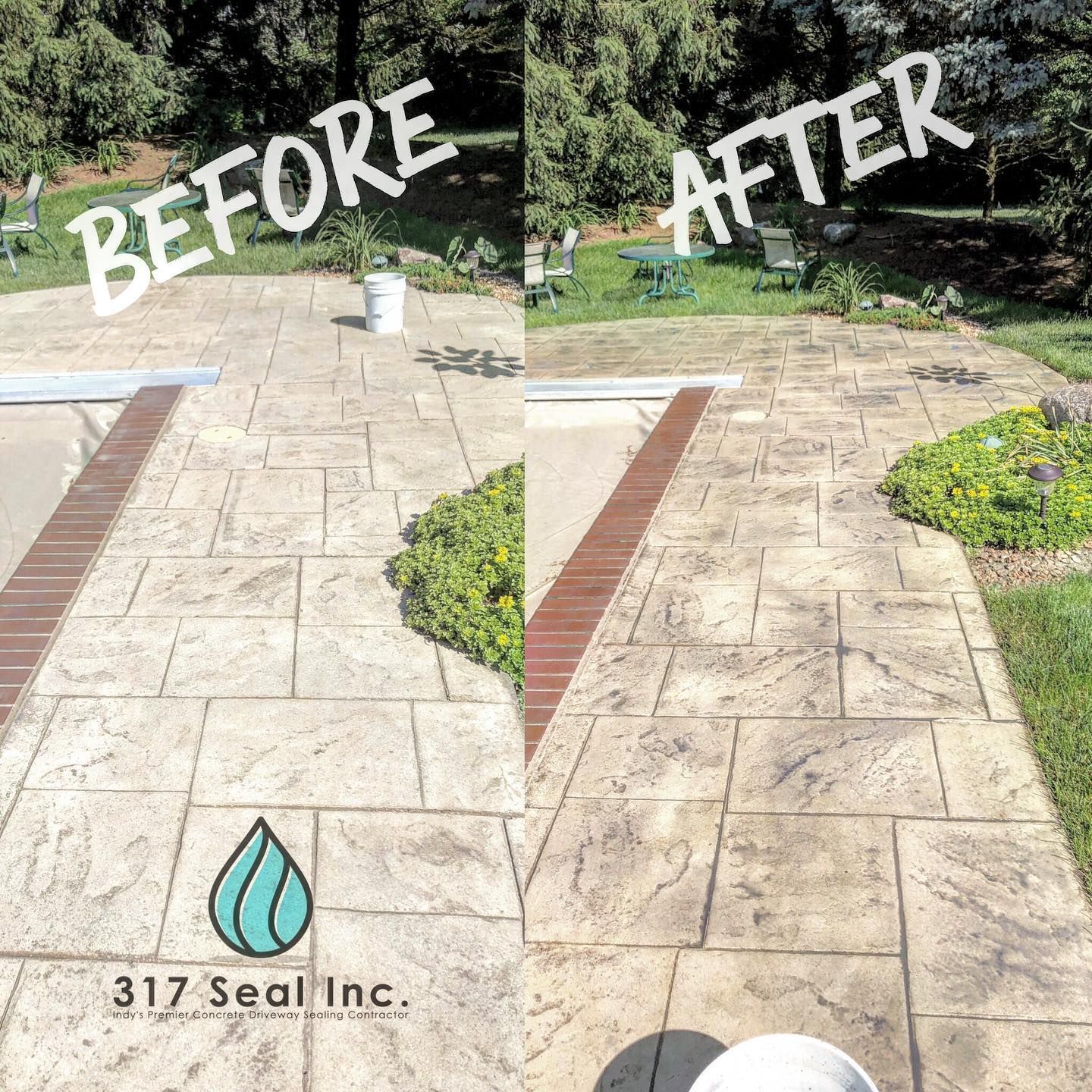
317 Seal Inc. ensures the safe handling of concentrated chemicals and high-pressure equipment while delivering the deep clean your concrete needs. Our professional process removes stubborn stains and prepares surfaces properly for sealing, giving you lasting protection and easier maintenance for years to come.


Don't let stains diminish your property's curb appeal. Contact us today to schedule your professional concrete cleaning service.

By Kris Fricks May 29, 2026
A well-maintained concrete driveway lasts 25 to 30 years in Indianapolis. Learn what shortens its lifespan and how sealing extends it.
By Kris Fricks May 25, 2026
Use these four simple tests to check whether your concrete is sealed before reapplying sealer or scheduling professional concrete care.
By Kris Fricks May 21, 2026
Indianapolis driveways need resealing every 2 to 3 years due to freeze-thaw cycles and road salt. Learn how to tell when yours is due.
By Kris Fricks May 18, 2026
Learn what causes concrete flaking on Indianapolis driveways and when to repair, resurface, or seal to stop the damage from spreading.
By Kris Fricks May 15, 2026
Learn step-by-step methods for removing rust stains from concrete, from DIY solutions like vinegar & oxalic acid to professional stain removal in Indianapolis.
By Kris Fricks May 10, 2026
Find out how long to wait before sealing new concrete, including the best months for concrete sealing in Indianapolis based on cure time and temperature.
By Kris Fricks May 6, 2026
Discover what causes concrete discoloration in Indianapolis and how to fix fading, staining, and uneven color on your driveway or patio.
By Kris Fricks May 2, 2026
Compare sealed vs. unsealed concrete in terms of durability, maintenance, and cost. See how sealing protects Indianapolis driveways from freeze-thaw and salt.
By Kris Fricks April 23, 2026
Concrete sealer lasts 1 to 10 years, depending on the type. See how acrylic, penetrating, and polyurethane sealers hold up in Indiana's climate.
Rough gray concrete wall with peeling patches and weathered texture
By Kris Fricks April 12, 2026
Concrete scaling is surface peeling; spalling runs deeper. Learn how to tell them apart, what causes each in Indiana, and when to repair or seal.
Show More