Dry to the Touch Is Not the Same as Ready for Vehicles
Concrete sealers dry and develop their protective properties at different rates, depending on the product's chemistry. With some sealers, a surface can feel dry within a few hours but still require a longer waiting period before it can handle a car's weight and turning friction without marking or damaging the finish.
Manufacturer documentation illustrates how different these milestones can be.
For example, Foundation Armor's technical data sheet for its AR350 acrylic sealer lists drying at 4 to 6 hours, foot traffic clearance at 24 hours, and wheel traffic clearance at 48 hours, three separate thresholds for one product ( Foundation Armor AR350 Technical Data Sheet).
Similarly, PROSOCO's instructions for its Weather Seal Siloxane PD product direct users to keep both foot and vehicle traffic off until the surface is visibly dry. The product's water repellency continues developing over a 72-hour window, while its separate rain protection period is 6 hours ( PROSOCO Weather Seal Siloxane PD Product Data Sheet).
These examples show why there is no single universal number for every sealer. The time before vehicle traffic is permitted does not necessarily equal the time required for a product to develop all its protective properties.
Always rely on the specific product's instructions rather than a general rule of thumb.
Weather Can Push Your Timeline Back
Temperature and humidity change how quickly a sealer dries or cures, which means the same product can behave differently depending on the season or even the week it was applied.
According to TCC Materials' technical guidance for its Tenon 100% Silane Sealer, cooler temperatures and higher humidity can slow drying.
In Central Indiana, where overnight temperatures and humidity can shift quickly, this means a project finished under cooler or damper conditions may need more time before it is safe to drive on, even if an earlier project in warmer weather cleared faster.
If your scheduled return-to-use time falls during a cold snap or a stretch of humid weather, it is worth checking in before parking a vehicle on the surface.
The Full Timeline Behind a Sealing Project
Driving on sealed concrete is one step in a longer sequence. Each stage has its own requirements, and skipping ahead can affect the final result.
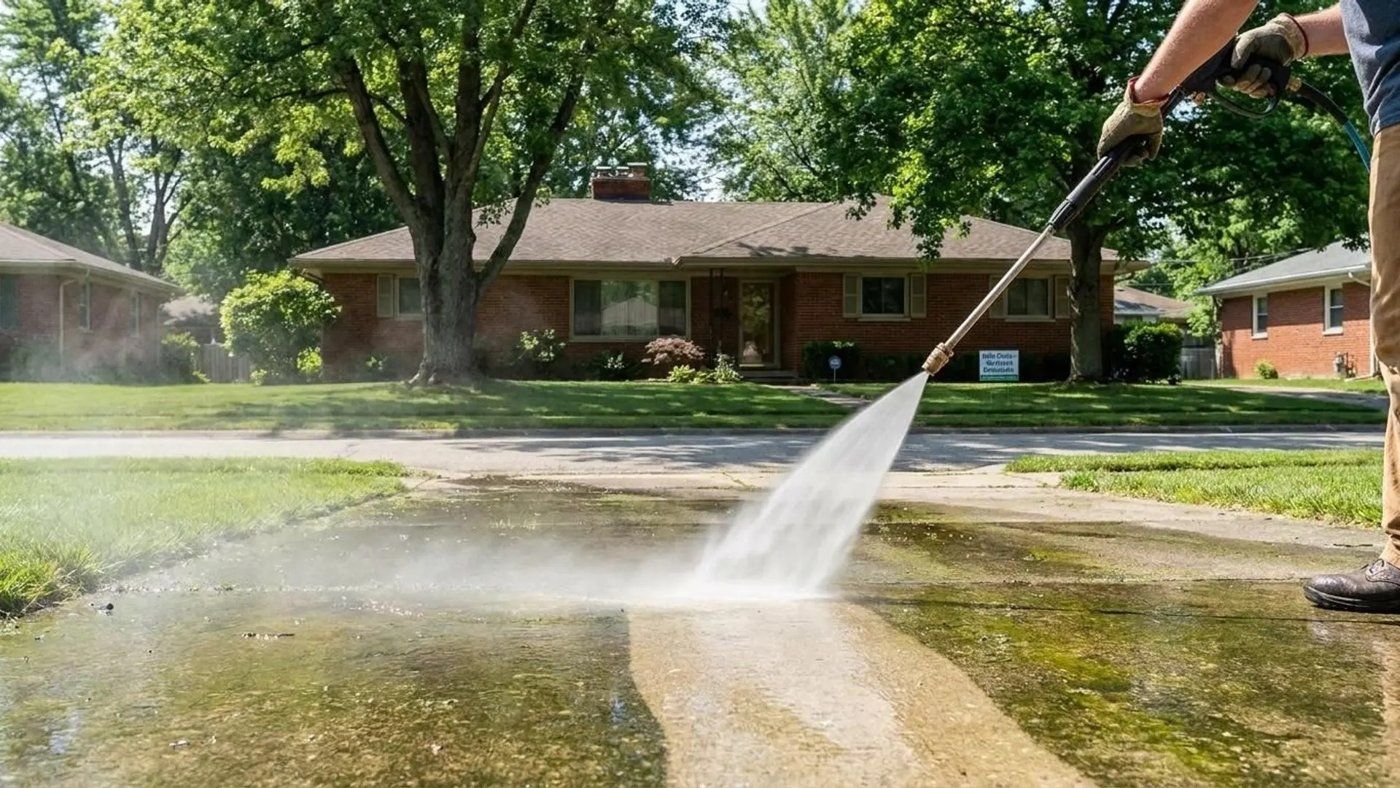
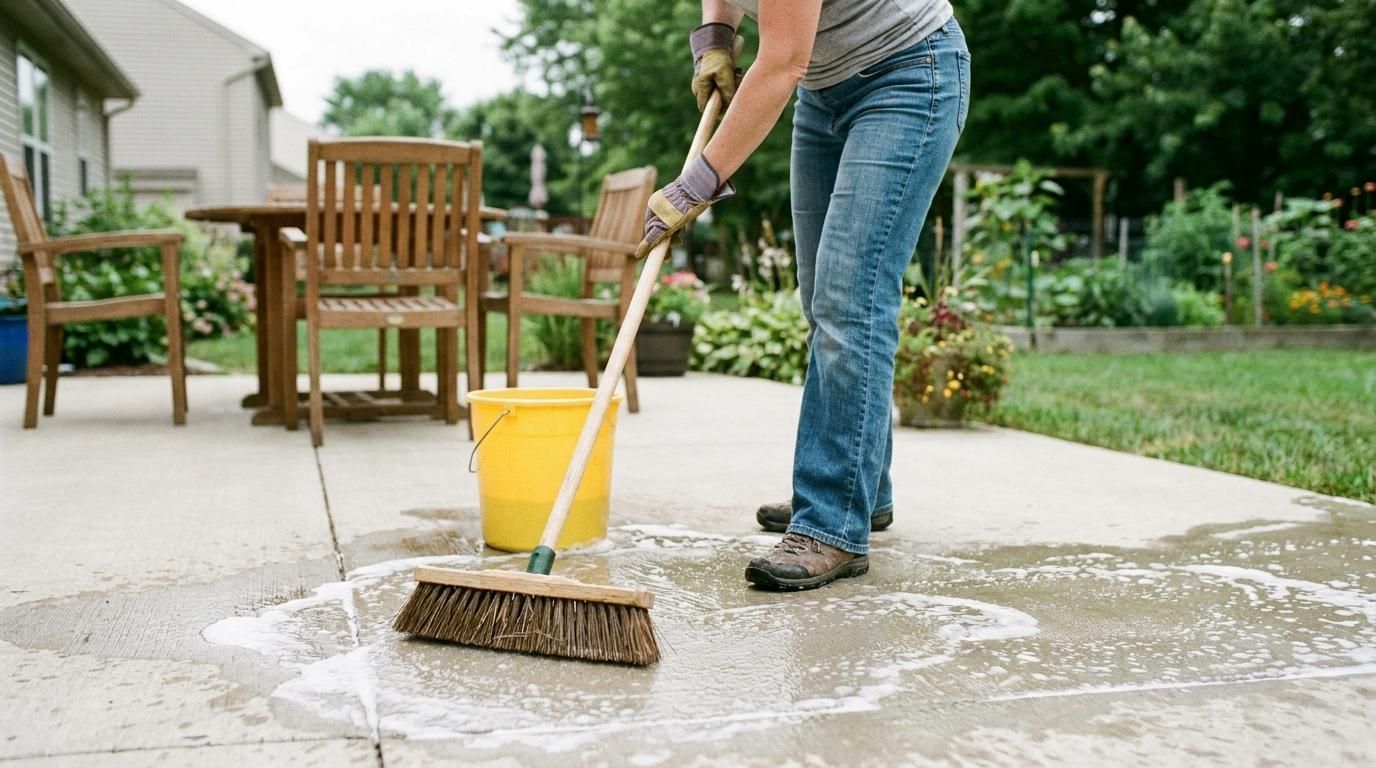
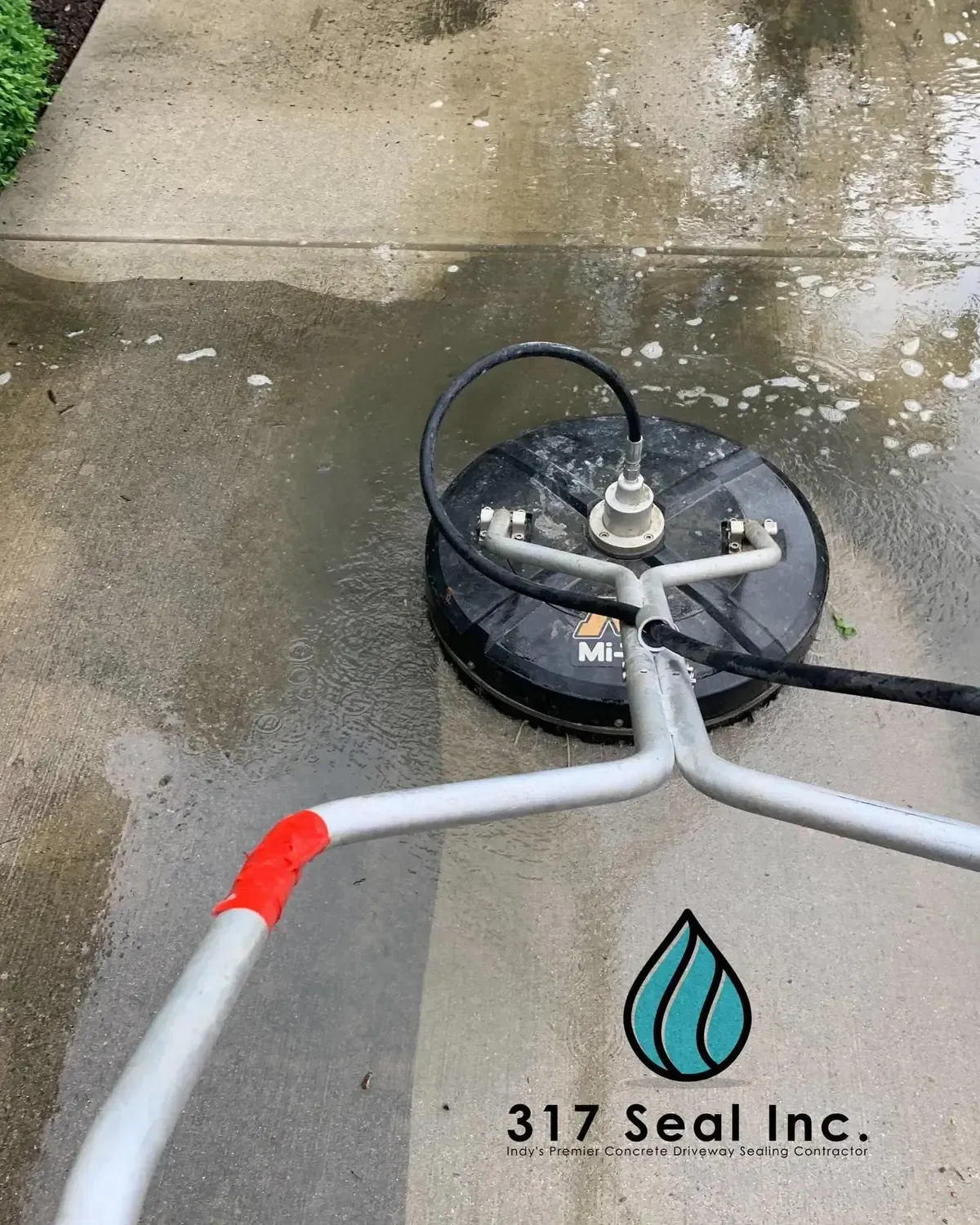
- Washing and drying: Some acrylic sealer manufacturers, such as Foundation Armor for its AR350 product, require at least 24 hours of drying after pressure washing before application can begin.
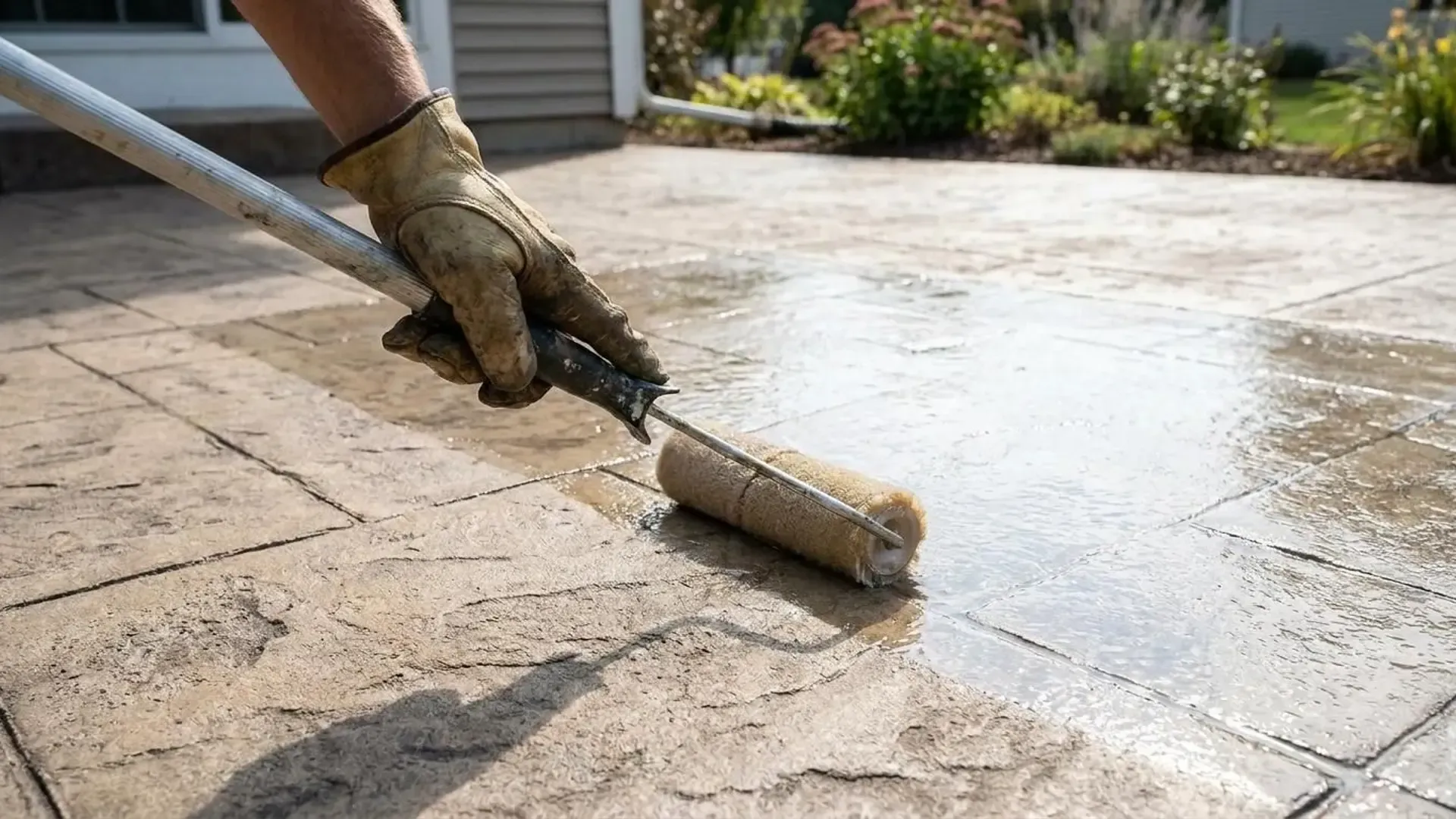
- Application and recoating: Multi-coat applications may need a dedicated gap between coats, such as the 24-hour spacing Foundation Armor recommends between AR350 coats.
- Surface drying: The sealer becomes dry to the touch, though this is not always a signal that the surface can handle vehicle traffic.
- Foot traffic clearance: Walking on the surface becomes permissible according to the specific manufacturer's instructions.
- Vehicle traffic clearance: The product reaches the point where driving or parking is permitted. Some sealers require a longer wait than for foot traffic, while others use the same visibly dry condition for both.
- Further curing or performance development: Some products continue developing their protective properties after traffic is permitted, so return-to-use time and full performance are not always the same milestone.
If you are also wondering about the drying period before sealing even begins, our guide on drying concrete after pressure washing covers that earlier stage in more detail.
Avoiding the Most Common Mistake: Moisture Before Full Cure
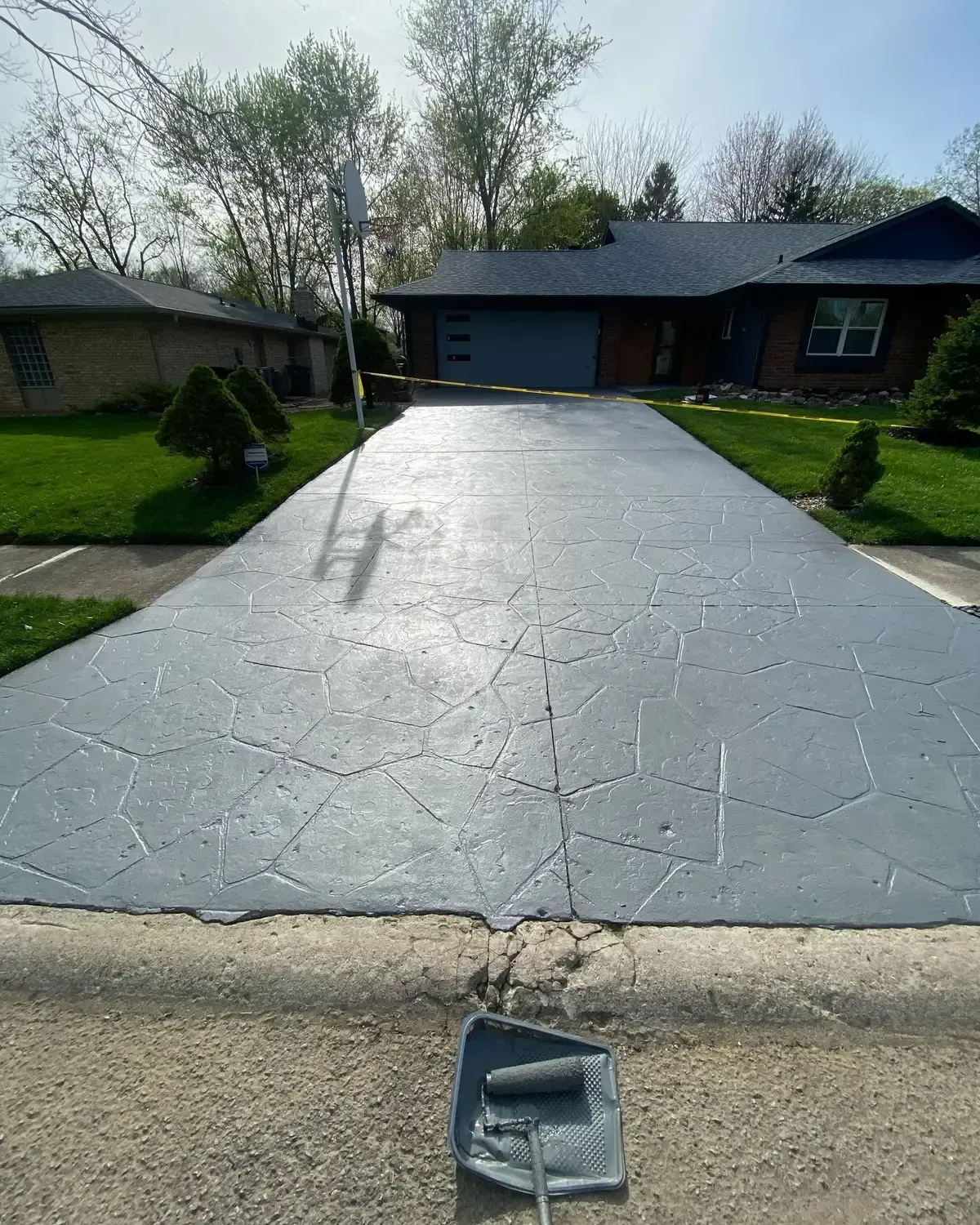
One preventable issue with some freshly sealed surfaces is exposure to water before the sealer is ready.
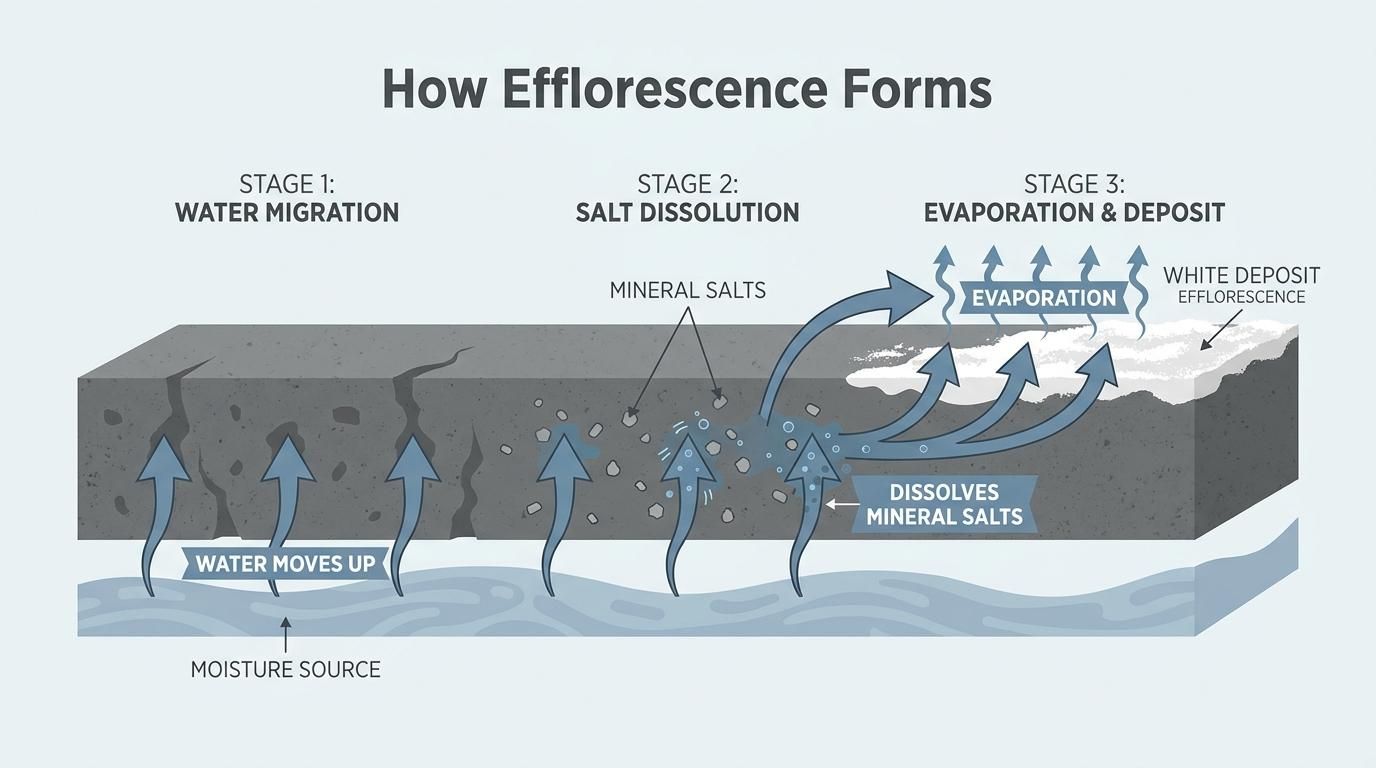
Foundation Armor's documentation for its AR350 acrylic sealer warns that wet surfaces, underlying moisture problems, or water exposure before full cure can cause whitening and premature coating failure.
This is particularly important for film-forming sealers, where moisture can become trapped beneath or within the protective finish.
Different sealer chemistries have different moisture tolerances and rain-protection requirements, so the appropriate waiting period depends on the product applied.
A sudden rain shower shortly after application is a legitimate reason to ask about your specific project's status rather than assuming an extra day automatically resolves the issue.
If you notice a hazy or white appearance on a recently sealed surface, our article on why concrete sealer turns white walks through what that can mean.
It is also worth noting that substrate age requirements, such as the 28-day minimum cure time some manufacturers require before new concrete can be sealed, are a separate consideration from the driving restriction after sealing an existing driveway.
Resealing an established driveway and sealing a brand-new slab follow different timelines.
How to Get a Reliable Answer for Your Driveway
Because vehicle-traffic timing depends on the product applied and the conditions during your project, the most reliable answer is a project-specific one rather than a general number pulled from the internet.
During a 317 Seal Inc. project, sealer selection is based on your driveway's traction, penetration, and UV-protection needs, and the process includes a return quality check after the sealer sets along with post-care instructions tailored to the product used on your project.
See our 5-step concrete sealing process for more detail on what happens from start to finish.
That post-care guidance is where you will get the clearest picture of when your specific driveway is ready for vehicles again.
Ready to Get Your Driveway Sealed the Right Way?
Whether you need concrete sealing, residential concrete washing and sealing, or pressure washing in Indianapolis, Carmel, Fishers, Avon, or anywhere else in Central Indiana, 317 Seal Inc. can walk you through what to expect for your specific project, including a realistic timeline for when you can drive on your driveway again.
Learn more about our concrete sealing services or call us at (833) 317-7325 to schedule your project.