Film-Forming vs. Penetrating Sealers
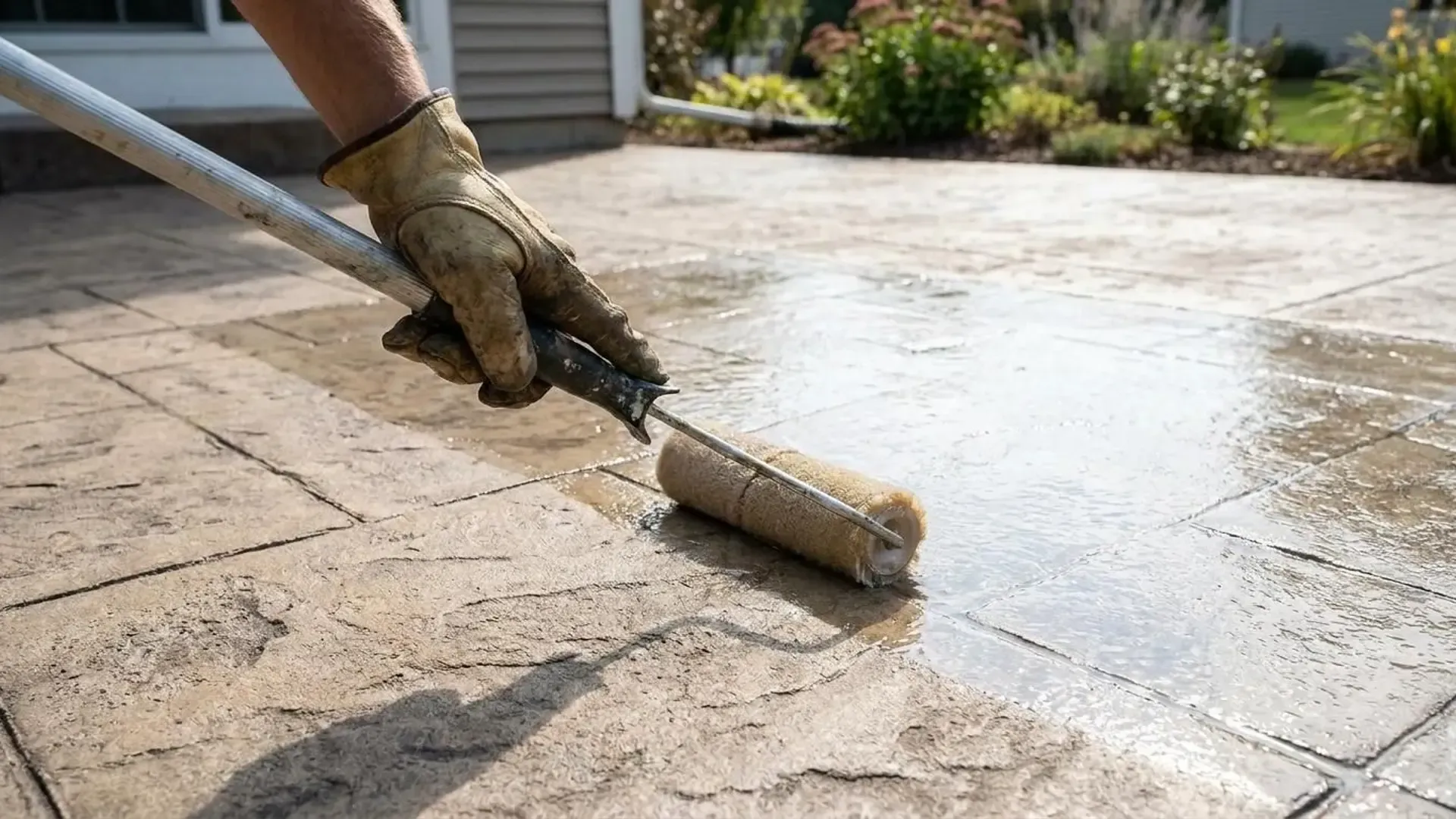
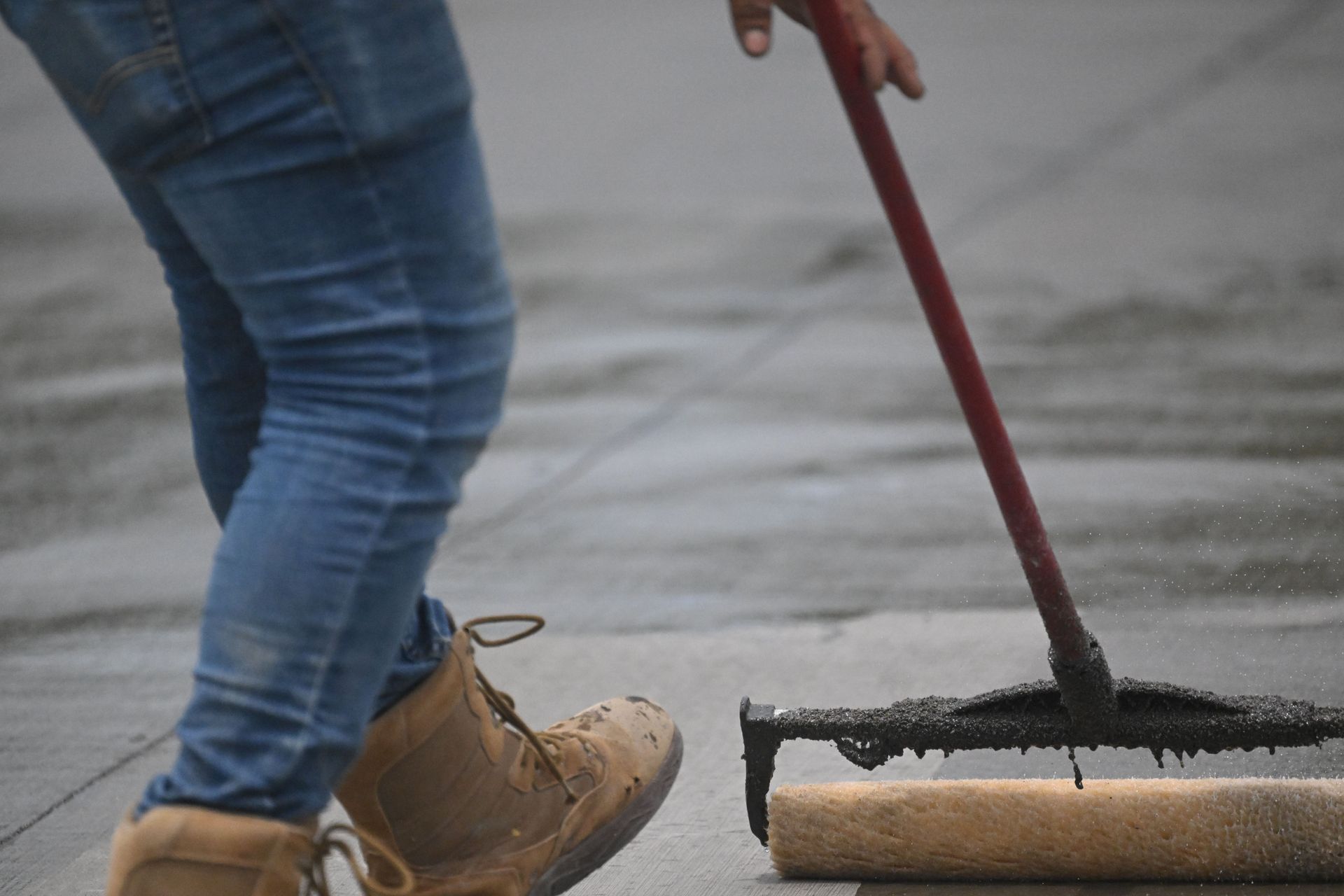
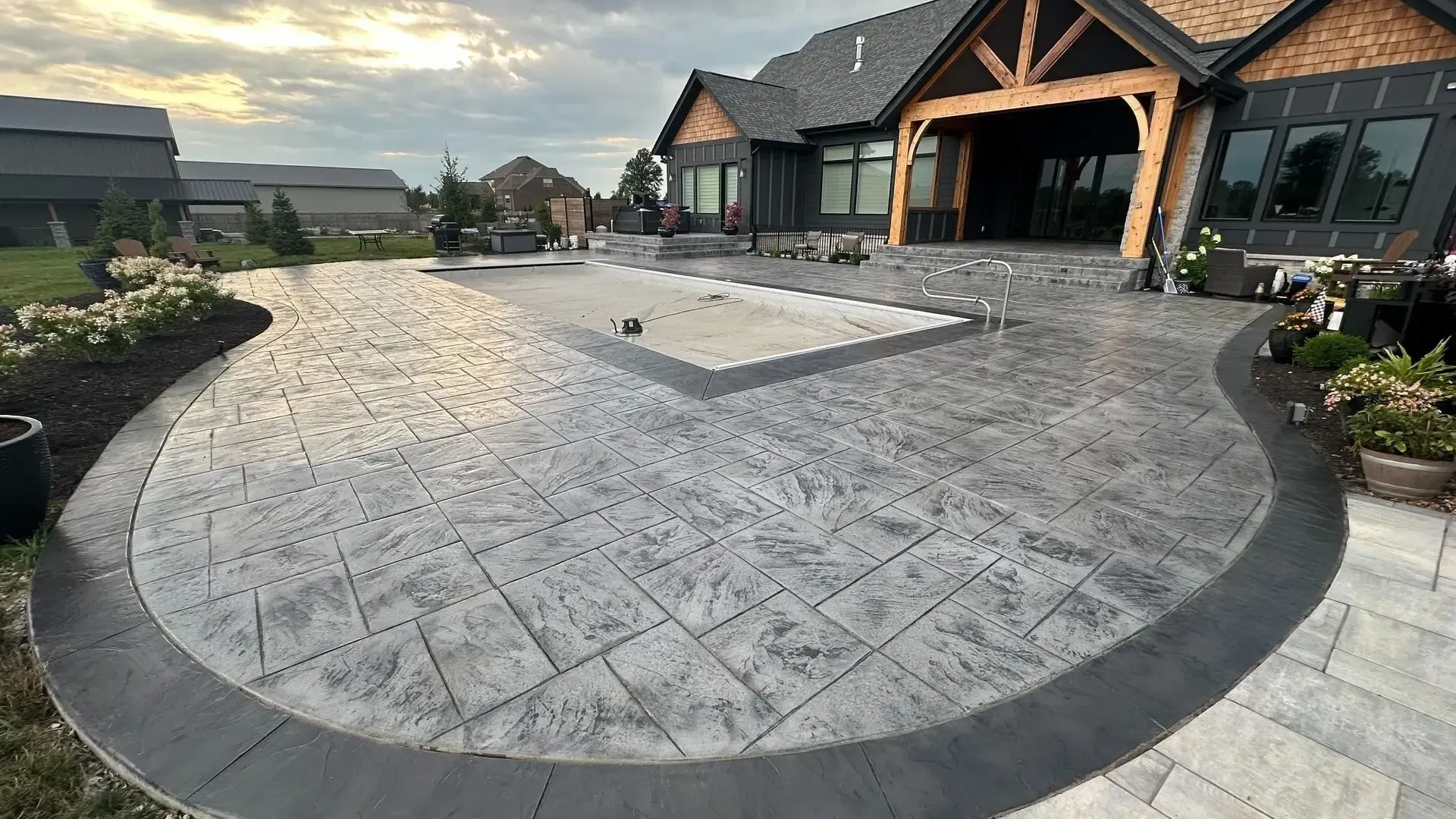
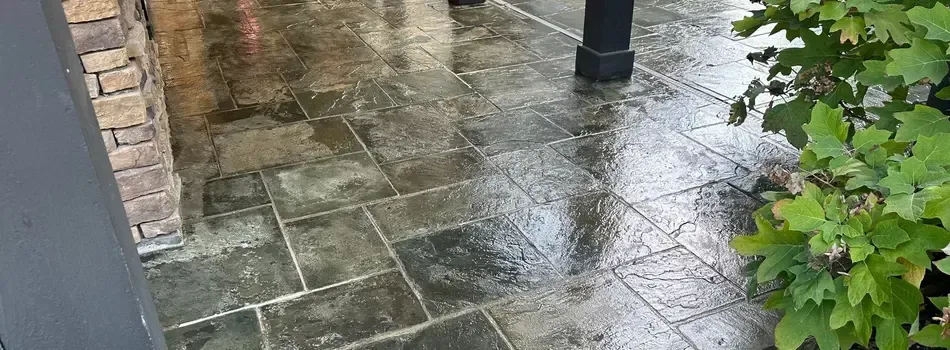
Before blaming "sealer" in general for a slippery patio or walkway, it helps to know there are two very different approaches to how a sealer sits on concrete. A film-forming sealer creates a thin coating across the surface, which is where water is most likely to pool and reduce traction. A penetrating sealer soaks into the pores of the concrete instead of sitting on top, which preserves the surface's original texture rather than adding a new one. According to PROSOCO's guidance on protecting patterned surfaces, this film-forming versus penetrating distinction matters more for wet traction than whether a product is labeled water-based or solvent-based, since both carrier types exist within film-forming sealers.
| Sealer Type | How It Behaves | Wet Traction Consideration |
|---|---|---|
| Film-forming | Forms a coating on top of the concrete | Water can sit on the surface, which is where slipperiness is most noticeable |
| Penetrating | Absorbs into the concrete rather than coating it | Preserves the existing surface texture rather than adding a new film |
What Traction Additives Can and Can't Do
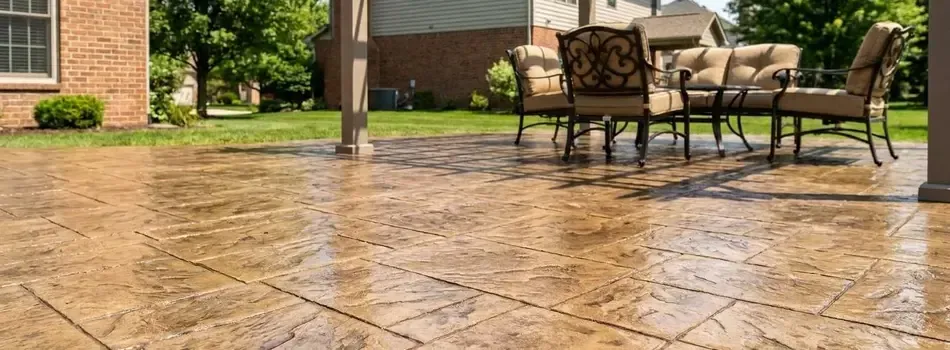
Many sealer manufacturers offer traction additives that can be mixed into a compatible product to improve grip. These additives are worth asking about for pool decks, entryways, and other areas where wet footing is a real concern. That said, it is worth setting realistic expectations. Euclid Chemical's technical data for its own traction additive is direct about this: the product improves slip resistance but does not make a coating completely non-slip. "Slip-resistant" is a more accurate way to think about these products than "slip-proof."
Traction additives are also product-specific rather than a one-size-fits-all solution. As an example, Euclid's additive is not recommended for water-based sealers and excludes penetrating silane or siloxane products, while Brickform lists specific compatible sealers for its own traction product. The practical takeaway for homeowners is to ask whatever contractor is doing the work whether a given additive is actually compatible with the sealer being applied, rather than assuming any grit product can be added to any coating. A small test area is also a reasonable way to see how an additive will look and feel before it is applied to an entire patio or driveway.
If Your Sealed Concrete Already Feels Slippery
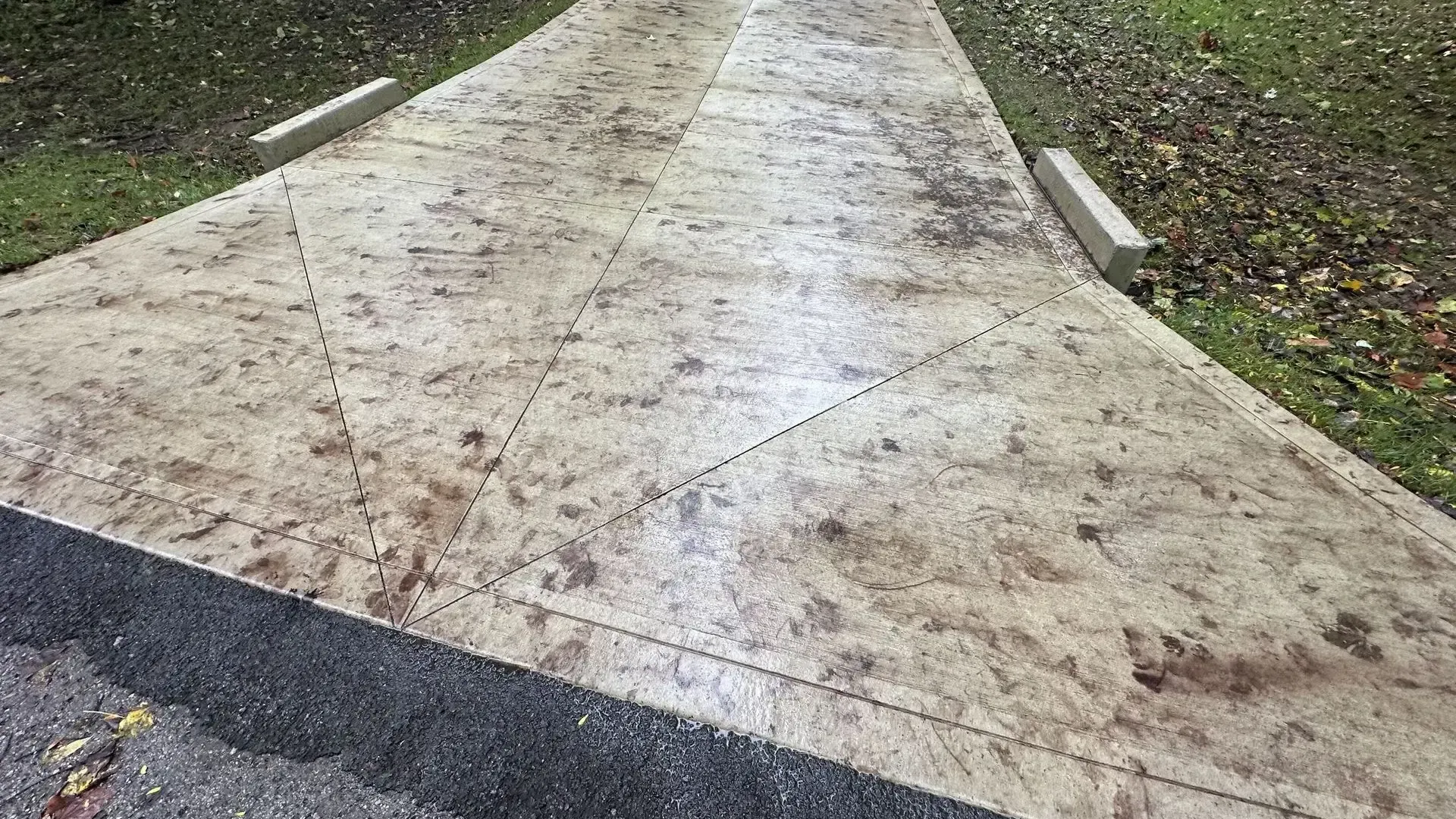
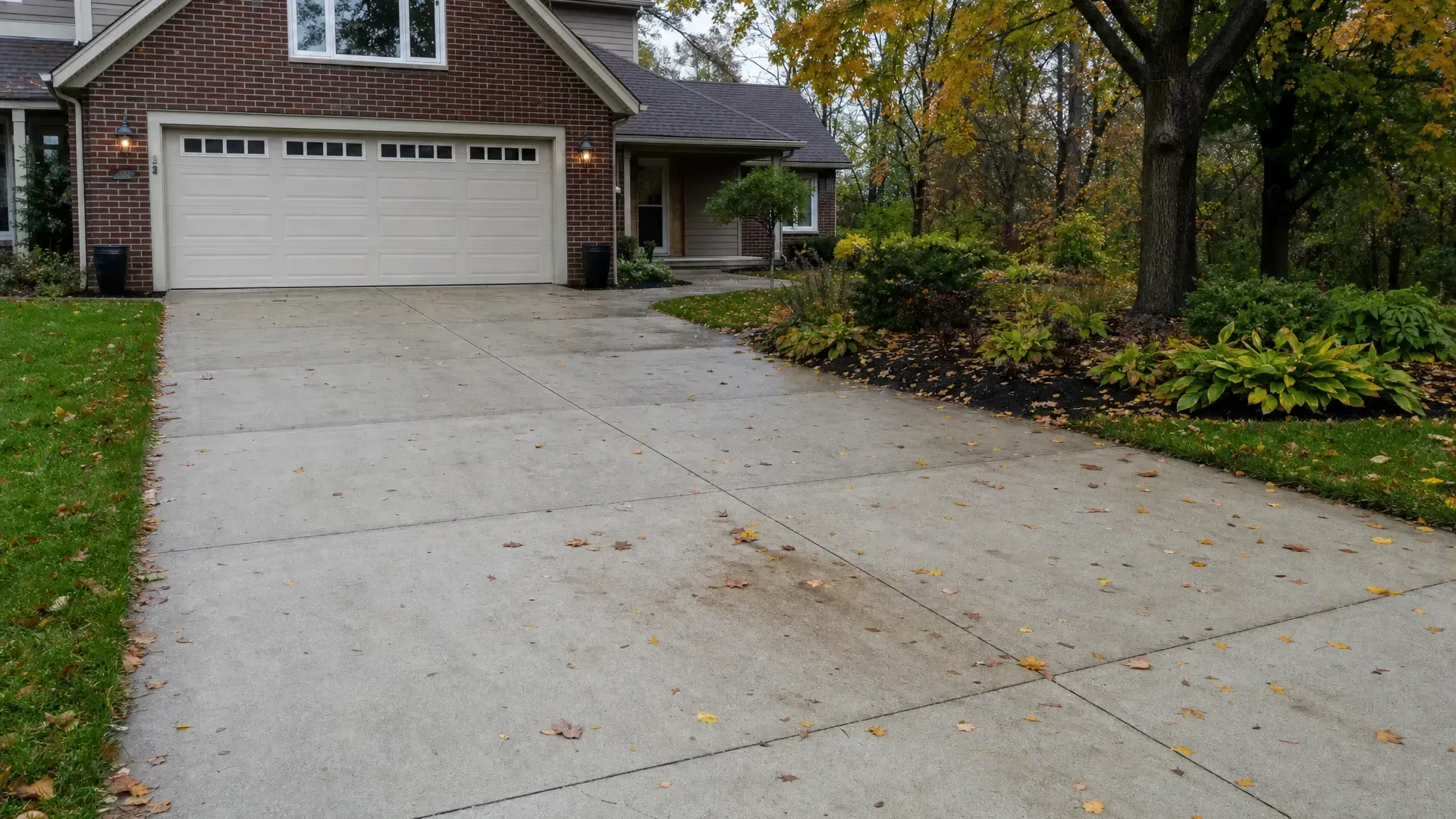
If a driveway, patio, or walkway feels slicker than it used to, the first step is not necessarily another coat of sealer. 317 Seal Inc.'s process for concrete sealing includes checking the existing coating, moisture, and drainage conditions on a surface, then selecting products based on the traction, penetration, or UV protection needs of that specific job, followed by a final quality check and post-care instructions once the work is done. That kind of assessment is useful precisely because a slippery surface can come from a few different causes, including:
- An existing film-forming coating holding water on top rather than letting it drain or absorb
- Drainage issues that leave water sitting on a surface longer than it should
- Buildup from repeated sealing over time, rather than a problem with the most recent application
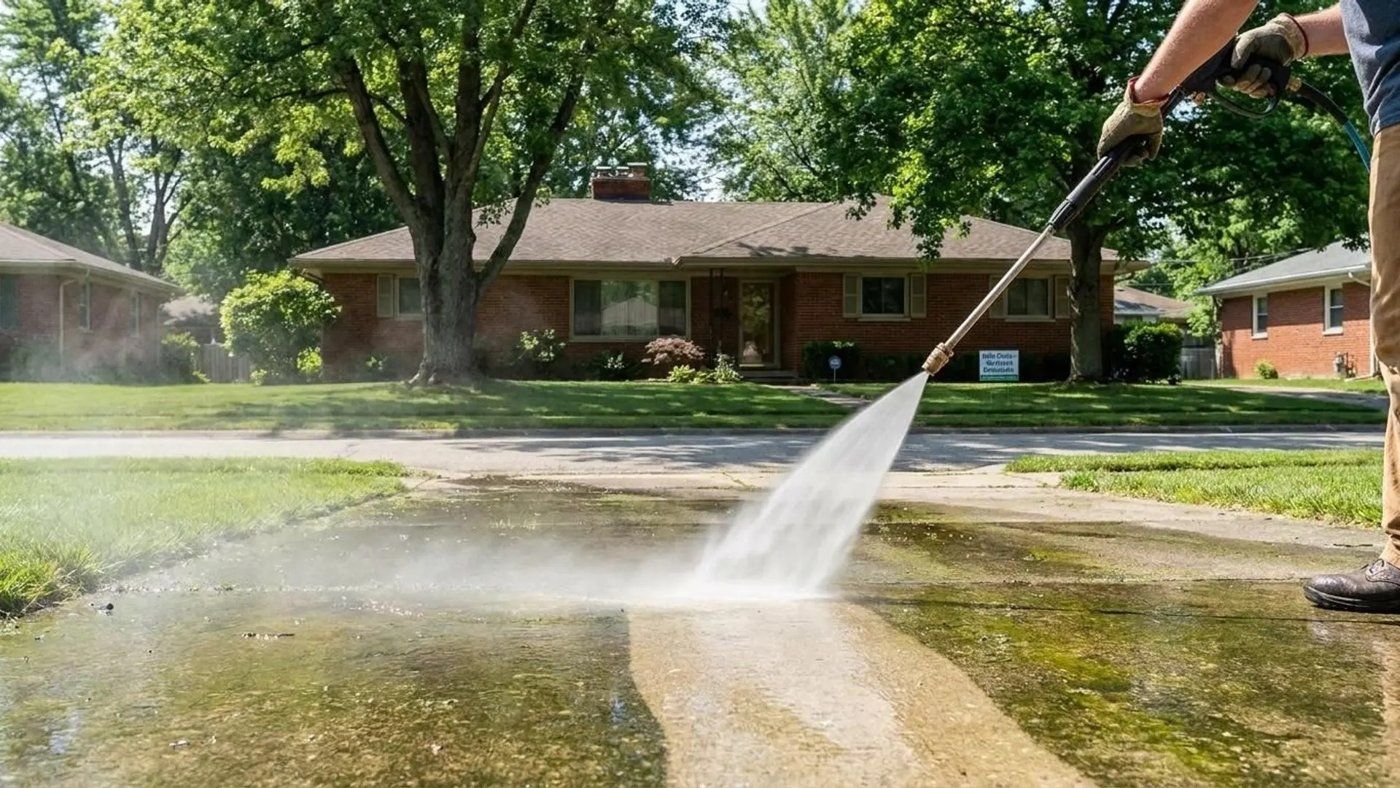
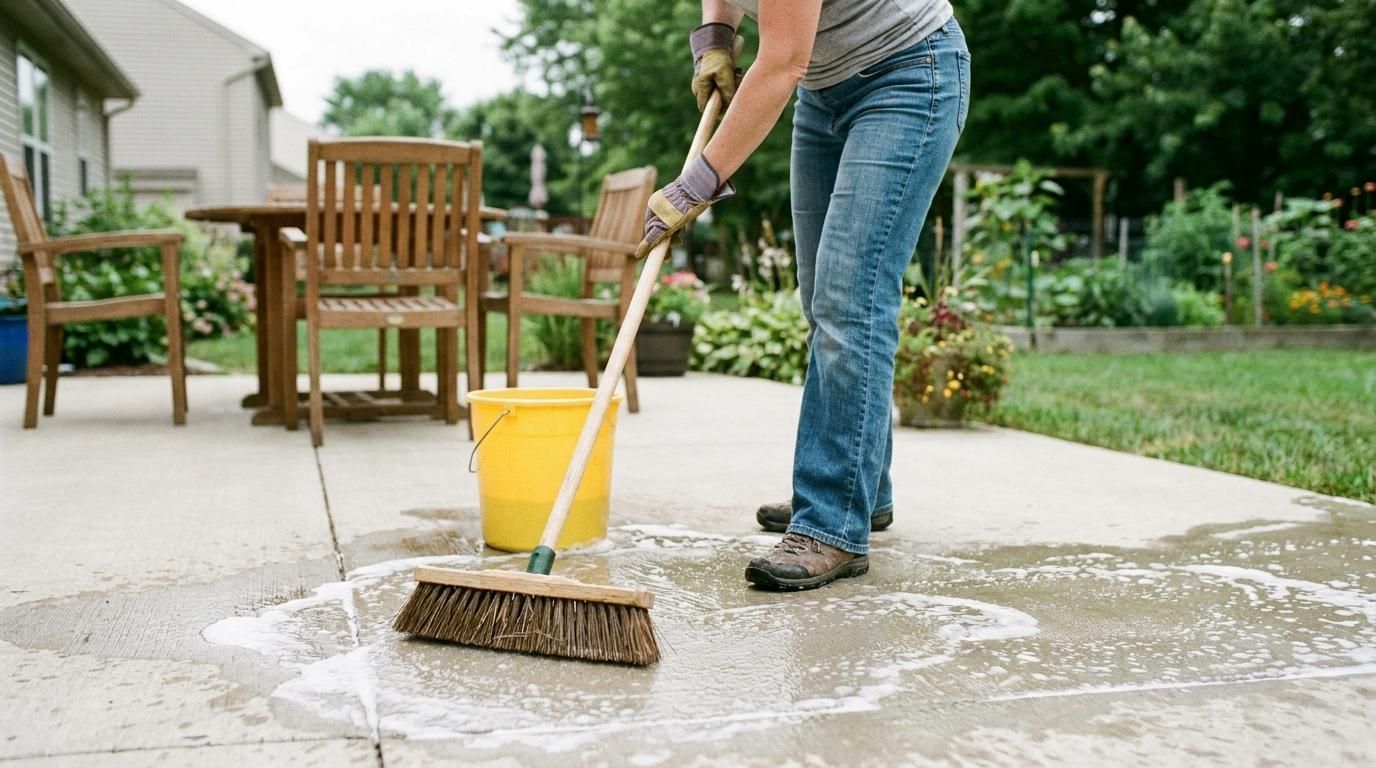
On that last point, it is worth knowing that adding more sealer is not a reliable fix for slipperiness. Applying coats too thick or resealing too often can lead to whitening, peeling, and eventual coating failure, so existing buildup is something to have assessed before adding another layer. A concrete sealing evaluation, sometimes paired with pressure washing to properly clean and prepare the surface first, is a more useful starting point than repeated DIY coats. For homeowners curious about how cleaning and drying timing fits into the picture, this timing guide covers that part of the process in more detail.
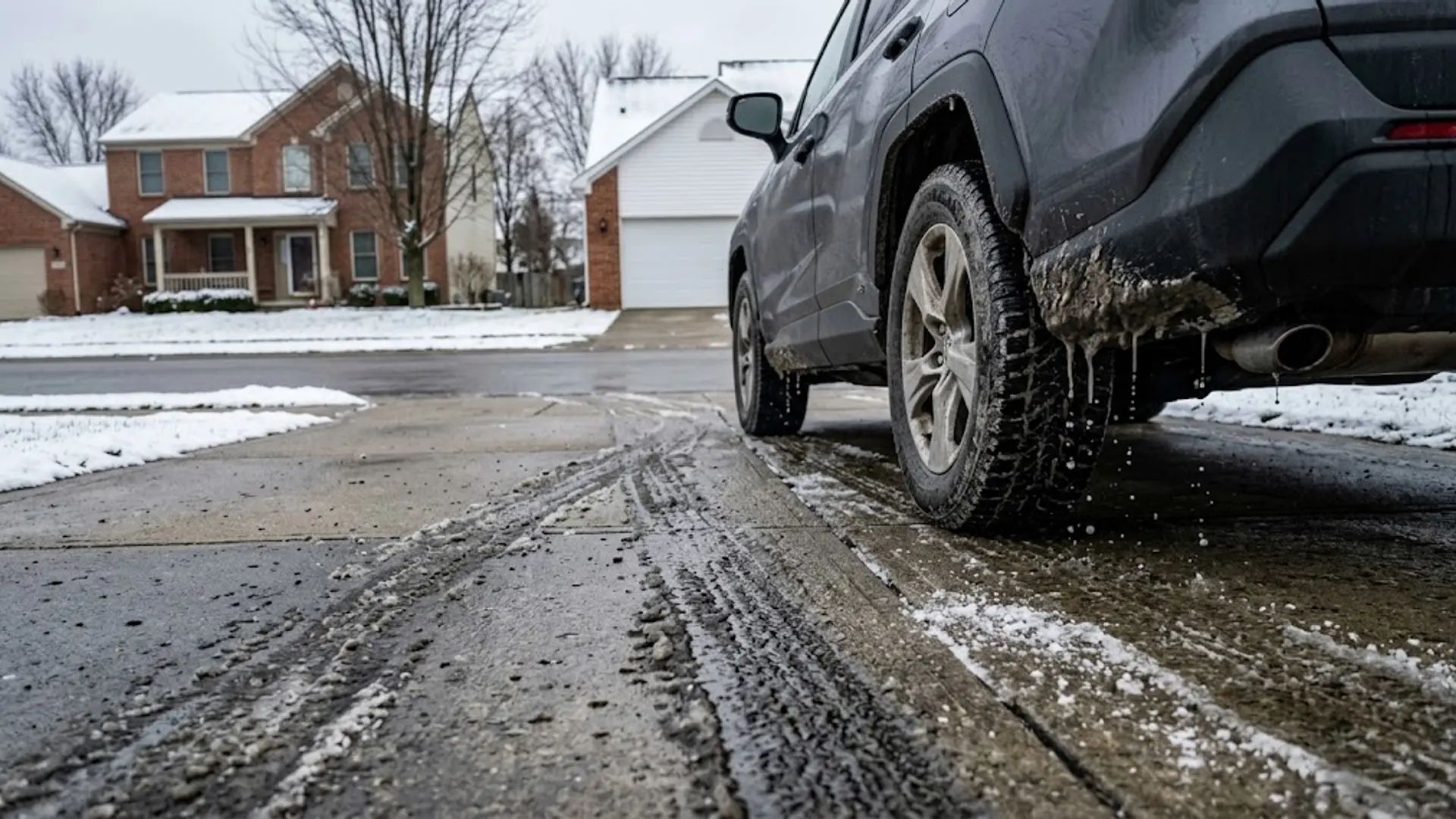
It is also worth separating sealer-related slipperiness from winter ice. Central Indiana sees regular winter precipitation and below-freezing stretches, and even a small amount of ice on any concrete surface, sealed or not, creates a real slip hazard. That is a seasonal weather issue rather than evidence that a sealer caused the problem, and it is worth keeping those two situations distinct when deciding whether a surface needs attention.
Get a Second Opinion on a Slippery Surface
If a sealed driveway, patio, or walkway on your property feels slicker than expected, 317 Seal Inc. can take a look and talk through what is actually going on before recommending anything. Give us a call at (833) 317-7325 if you are in Indianapolis, Carmel, Fishers, Avon, or elsewhere in Central Indiana and want an honest read on your concrete sealing options.