Deciding whether to seal a concrete surface yourself or bring in a professional comes down to a few honest questions: how large and sound is the surface, what sealer does the job call for, and does your schedule allow for the weather window the product actually needs? For homeowners across Indianapolis, Carmel, Fishers, Avon, and the rest of Central Indiana, a small, sound surface can be a reasonable do-it-yourself project when the homeowner follows the selected product's preparation and application requirements. Larger areas, existing damage, or an unknown coating history shift the balance toward getting a professional assessment first.
This guide walks through how to compare the two paths on equal footing, including scope, timing, and the kind of process a professional sealing visit actually includes, so the decision is based on the real project in front of you rather than a guess.
Start With an Honest Look at the Surface
Before comparing products or costs, the condition of the concrete itself should drive the decision. Small surfaces in good condition can be reasonable DIY candidates for capable homeowners who have the appropriate tools on hand. Larger areas, visible damage, and more complex sealer systems increase the case for professional help, simply because the margin for error grows along with the square footage and the complexity of what is being applied.
- Size and layout of the surface, including slopes, edges, and obstacles that slow down application
- Visible cracking, spalling, or other damage that needs repair before any sealer goes down
- Whether an existing coating is already present and, if so, what it is
- How much time and equipment access the homeowner realistically has available
Why Existing Coatings Are the First Thing to Check
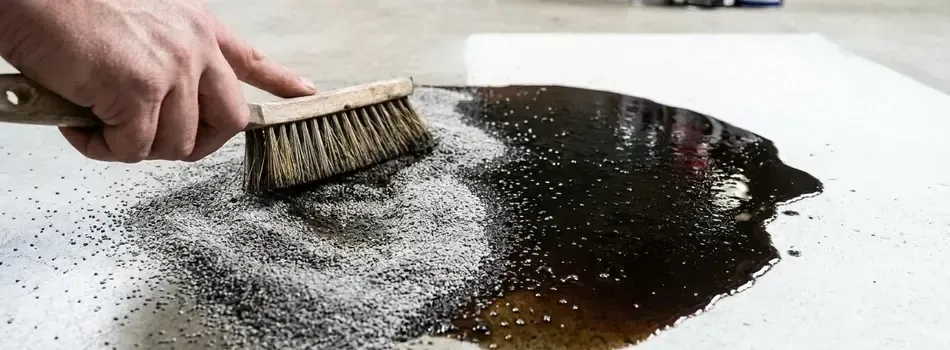
One of the most overlooked steps in a DIY sealing project is figuring out what, if anything, is already on the concrete. Existing treatments can change what preparation and replacement products are suitable for the surface. Some penetrating treatments require full removal of a previous sealer, while other manufacturers advise checking compatibility and testing a small area first when the old sealer's chemistry is unknown.
This matters because applying a new sealer over an incompatible old one is a common source of disappointing results. Excess sealer, repeated coats, or resealing too frequently can lead to whitening, bubbling, peeling, and poor performance overall. If there is any uncertainty about what was used previously, confirming compatibility before buying materials or accepting a resealing proposal is worth the extra step.
Comparing Scope, Not Just the Price Tag
It is tempting to compare DIY and professional sealing purely on the cost of a jug of sealer versus a quoted price. A more useful comparison looks at the full scope of work on both sides, since a fair cost comparison has to include everything that goes into a properly sealed surface, not just the sealer itself.
| Project Element | DIY Consideration | Professional Consideration |
|---|---|---|
| Surface inspection | Homeowner identifies visible damage, moisture, and prior coatings | Inspection covers damage, moisture, previous coatings, and drainage as part of the visit |
| Preparation and repairs | Homeowner sources patching materials and equipment | Preparation and needed patching are handled as part of the documented process |
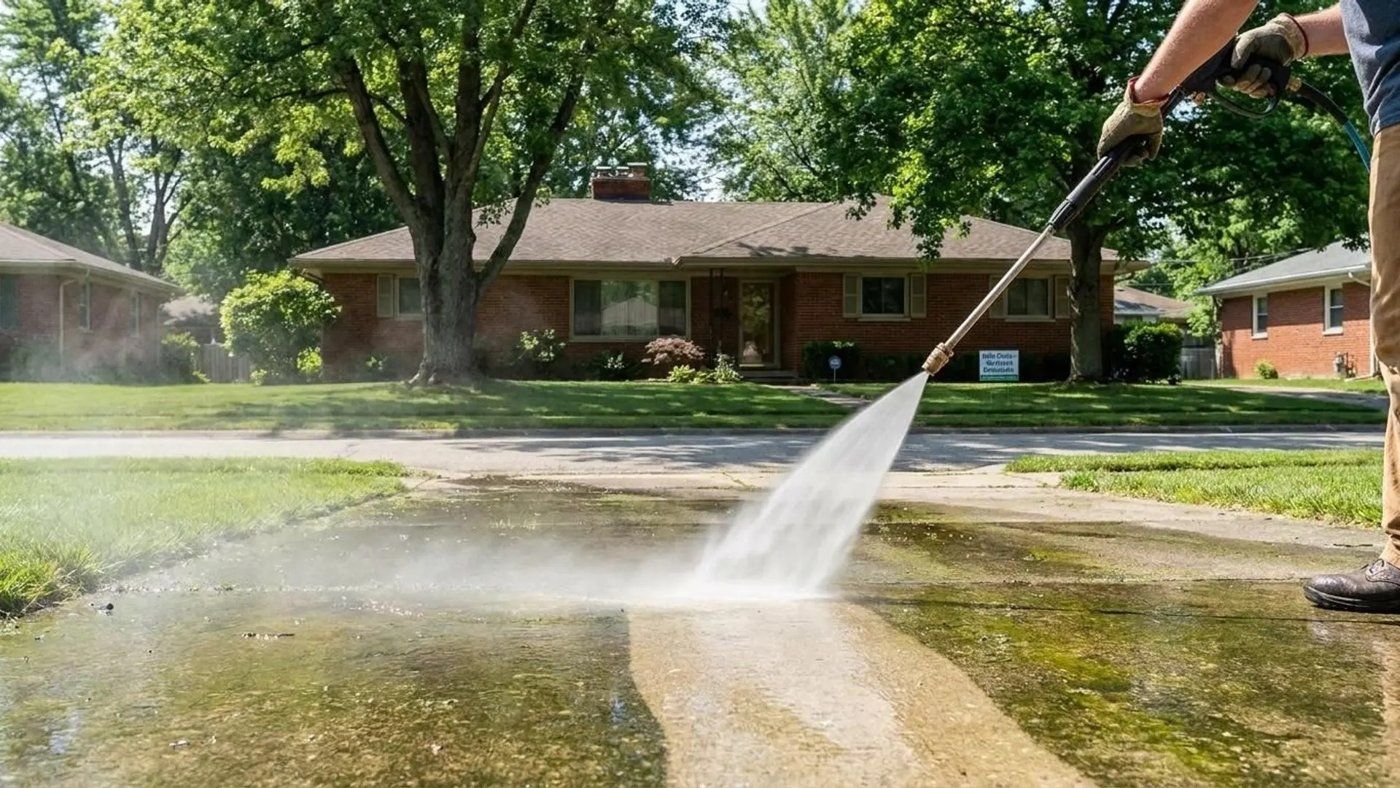
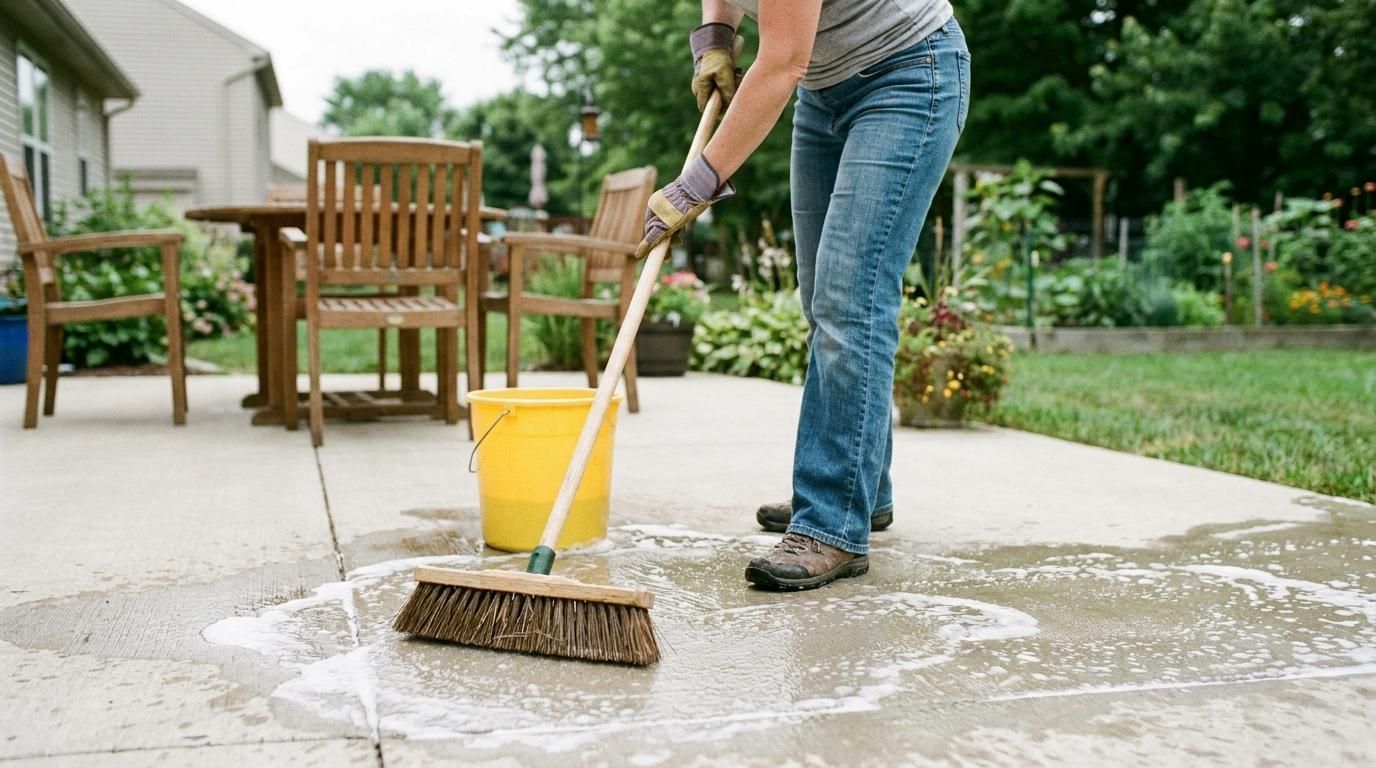
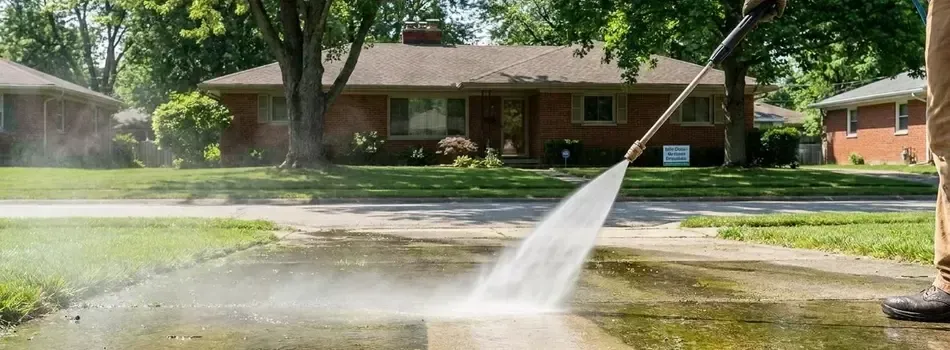
| Cleaning | Homeowner selects appropriate cleaning tools and may need pressure washing equipment | Pressure cleaning is adjusted to the condition of the concrete |
| Sealer selection | Homeowner researches product compatibility and application limits | Sealer selection is matched to the specific job |
| Follow-up | Homeowner monitors cure time and care on their own | A post-care quality check with care instructions is included |
Area, sealer type, and the condition of the concrete are the main drivers behind what a sealing project actually costs, and pricing based purely on square footage can be misleading on smaller projects where prep and repair work make up a larger share of the job. Comparing written scope item by item, rather than a single bottom-line number, gives a clearer picture of what is actually being paid for.
Weather and Timing Are Bigger Factors Than They Seem
A sealing project is not just about picking a warm afternoon. Some products require specific surface and air temperatures during application and for several hours afterward, along with protection from rain for a set period before the sealer has cured. Dry-to-touch is also not the same as ready for foot or vehicle traffic. As one manufacturer's example, a penetrating sealer can be dry to the touch in about one hour yet specify roughly 6–8 hours before foot traffic and 24 hours before vehicle traffic. Actual times depend on the product and application conditions.
For a homeowner managing a driveway, patio, or parking area on their own schedule, that means planning around more than just the forecast for the day of application. Overnight temperature drops, an unexpected rain shower, or impatience to park a car back in the driveway can all undo otherwise careful work. A professional visit accounts for these windows as a normal part of scheduling the job.
Winter Conditions Make This Decision More Than Cosmetic
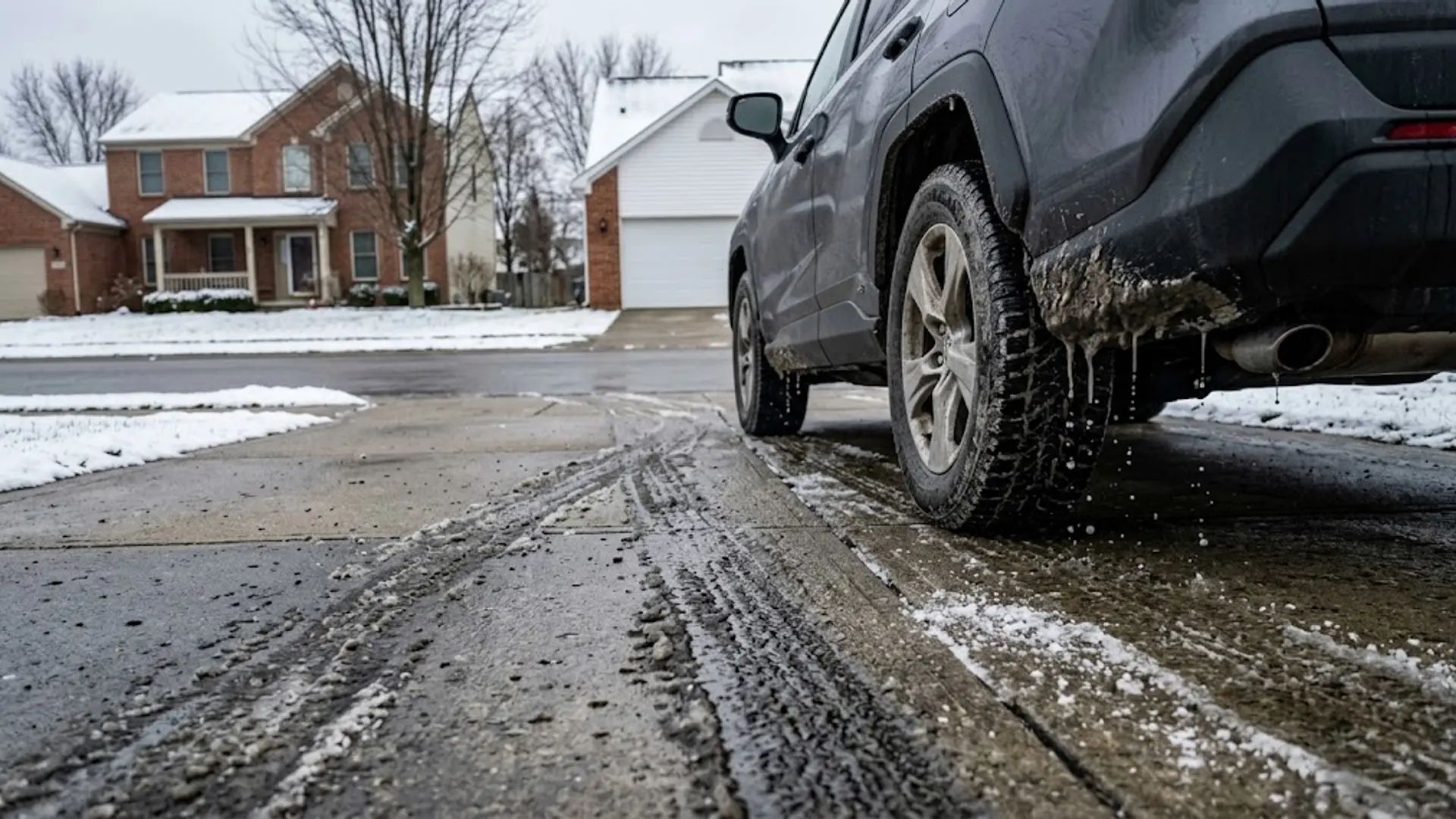
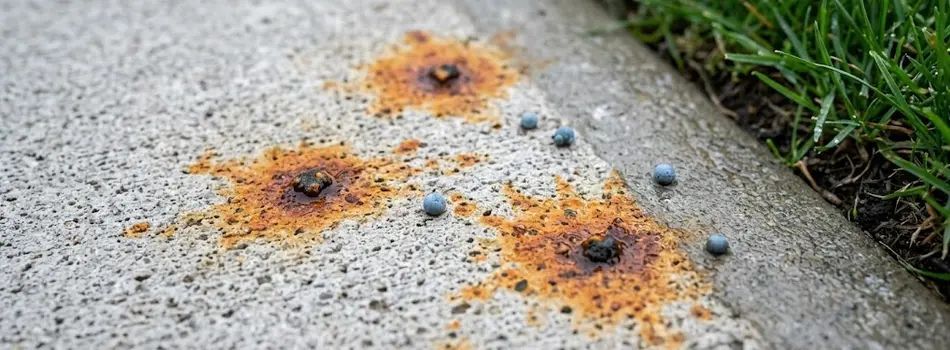
In Central Indiana, sealing decisions are not purely about appearance. Saturated concrete is vulnerable to deterioration through repeated freezing and thawing, and deicing chemicals can worsen surface scaling and other deterioration. Reducing how much moisture the concrete absorbs, and making sure drainage around the surface works as intended, matters just as much as the sealer itself. This is part of why professional assessment becomes more valuable once a surface shows wear: a sealer applied over a drainage problem will not solve the underlying cause.
Making the Call for Your Project
Putting it together, a straightforward DIY path tends to fit small, sound surfaces where the homeowner can commit to the preparation and weather requirements of the product they choose. A professional assessment earns its value once the project involves a larger area, visible damage, an unclear coating history, or a sealer system that needs to be matched carefully to the surface.
317 Seal Inc. provides residential concrete washing and sealing across Indianapolis, Carmel, Fishers, and Avon, along with concrete sealing, pressure washing, concrete stain removal, and concrete repair and restoration. For anyone wanting a closer look at what a professional visit actually involves, from inspection through the post-care quality check, the 5-step concrete sealing process lays out each stage.
Ready to Get a Professional Opinion?
If your concrete has visible damage, an unknown coating history, or you would simply rather have it done right the first time, 317 Seal Inc. serves homeowners throughout Indianapolis, Carmel, Fishers, Avon, and the surrounding Central Indiana area. Call (833) 317-7325 to talk through your project and find out whether your surface is a good fit for professional concrete sealing.