How Long Should You Wait to Seal Concrete After Pressure Washing?

Kris Fricks • January 8, 2026

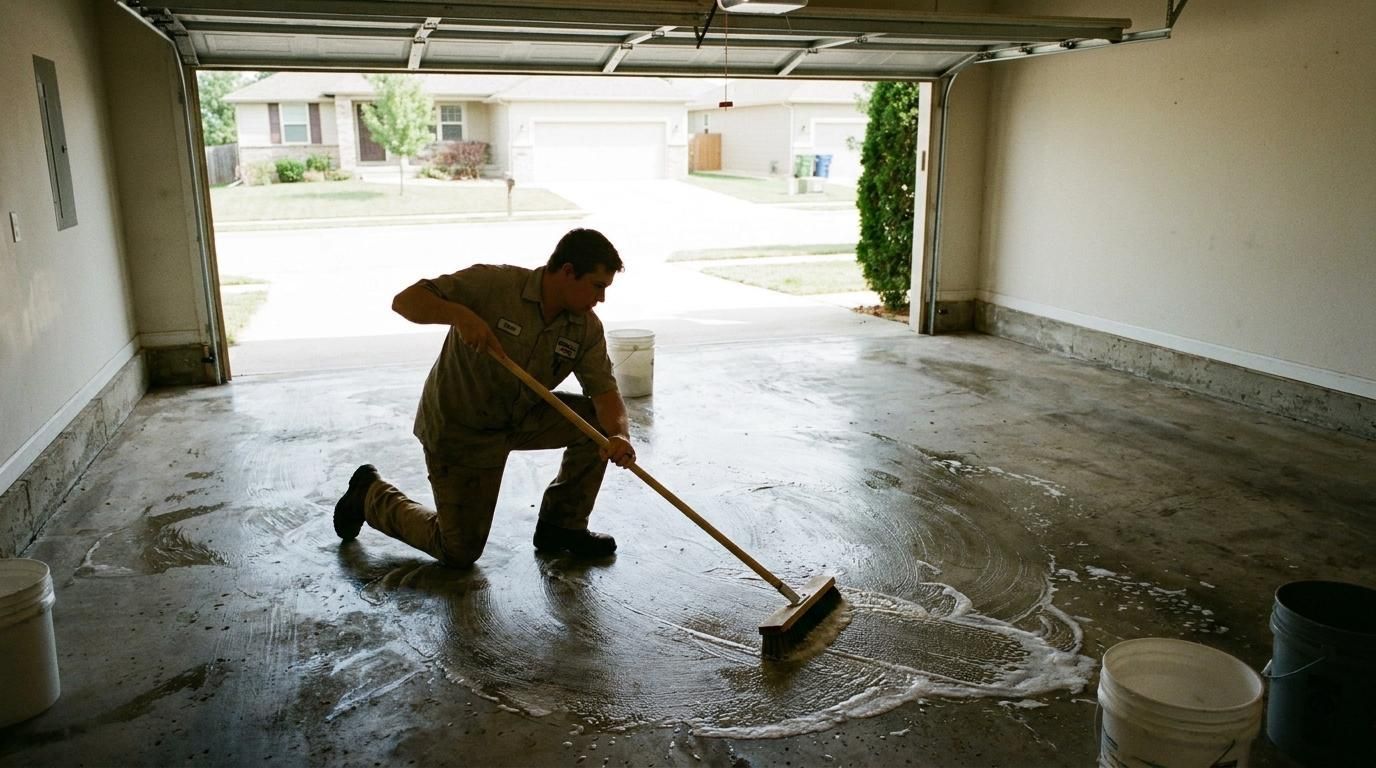
Pressure washing is an essential first step in preparing your concrete for sealing. It removes dirt, grime, and other contaminants, ensuring the sealer adheres properly to the surface. But once the pressure washing is done, how long should you wait before applying the sealer? This is a common question we get at 317 Seal, and the answer is crucial for achieving a long-lasting, protective finish.


As a leading provider of concrete sealing and cleaning services in the Indianapolis area, we understand the importance of proper timing. Sealing your concrete too soon after pressure washing can trap moisture, leading to a cloudy finish and potential damage down the road. On the other hand, waiting too long can allow new dirt and contaminants to settle on the surface, compromising the sealer's effectiveness. 


In this post, we'll break down everything you need to know about the ideal waiting time for sealing your concrete after pressure washing.


The Importance of a Dry Surface

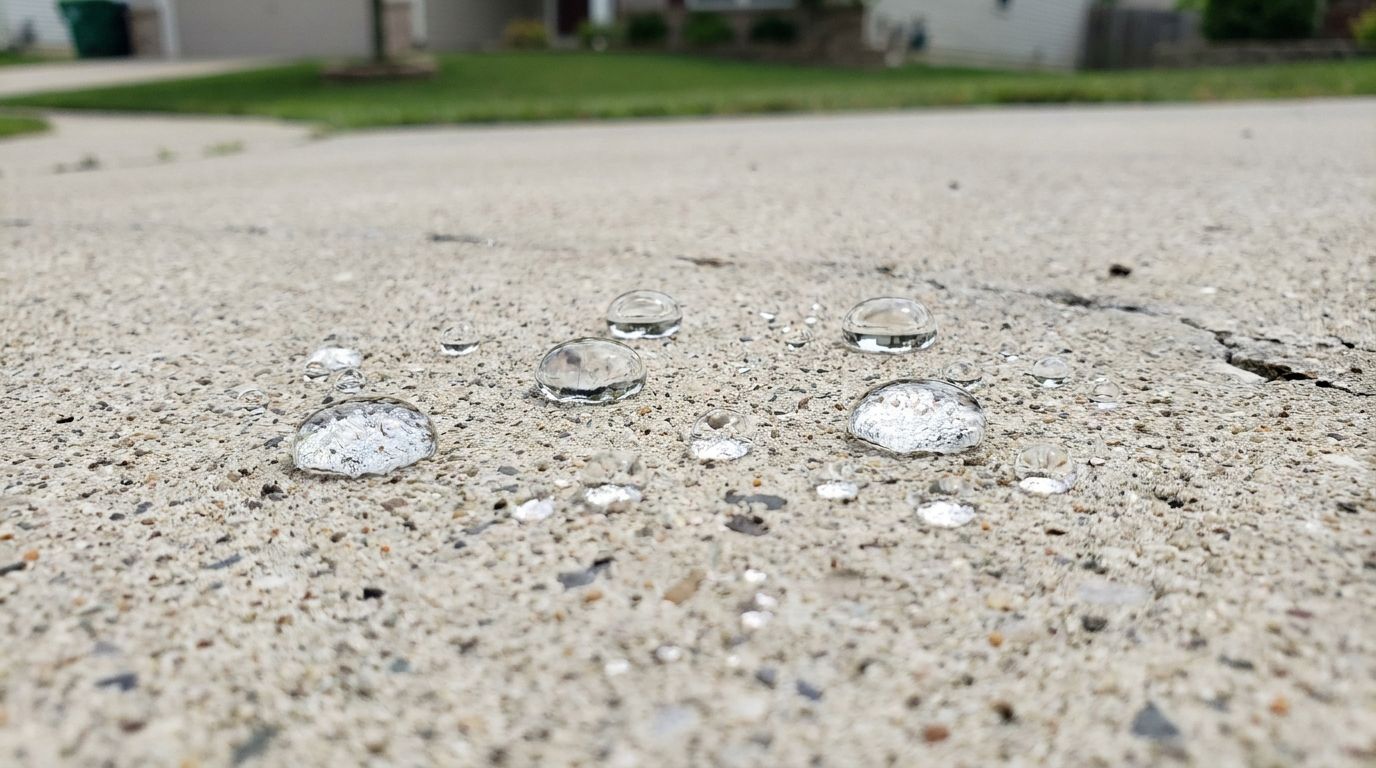
The single most important factor in determining how long to wait before sealing is the concrete's moisture content. Concrete is a porous material, and after a thorough pressure washing, it will be saturated with water. 


Applying a sealer to damp concrete is a recipe for disaster. The sealer will not penetrate the concrete's pores, and it will not cure properly. This can result in a number of problems, including:


  • Poor Adhesion: The sealer will not bond to the concrete, leading to peeling and flaking.
  • Cloudy Appearance: Trapped moisture can create a milky or hazy appearance, detracting from the beauty of your concrete.
  • Reduced Durability: The sealer will be less effective at protecting your concrete from the elements, leaving it more vulnerable to damage.


To avoid these issues, it’s essential to ensure that your concrete is sufficiently dry throughout the surface, not just dry to the touch, before applying a sealer. This is where our expertise at 317 Seal comes in. We have the knowledge and experience to assess surface conditions and determine the optimal timing for sealing.


A simple tip many homeowners overlook is checking low spots, joints, and areas near landscaping where water tends to collect. Even if the top surface seems dry, moisture trapped in these areas can interfere with sealer adhesion. Lightly pressing a clean cloth or paper towel to these spots can help identify hidden dampness before sealing. Additionally, using a moisture meter ensures your concrete is truly ready for the sealer.


The Recommended Waiting Time

So, how long does it take for concrete to dry after pressure washing? As a general rule, we recommend waiting at least 24 to 48 hours before applying a sealer, with longer drying times sometimes needed in humid conditions or shaded areas. This allows the concrete enough time to thoroughly dry, supporting proper adhesion and a long-lasting finish. However, this is a guideline, and actual drying time can vary based on several factors, including:


  • Temperature: Warmer temperatures speed up drying, while cooler temperatures slow it down.
  • Humidity: High humidity reduces evaporation, potentially requiring additional drying time.
  • Sunlight: Direct sunlight helps concrete dry more quickly.
  • Airflow: Good airflow accelerates moisture evaporation from the surface.


We recommend monitoring the weather forecast when you’re planning on sealing. Avoid applying sealer right before rain or during periods of high overnight humidity, as these conditions can extend drying time and affect curing. Early morning application on a dry, sunny day often yields the best results, especially in shaded or high-traffic areas. Patience here pays off with a smoother, longer-lasting finish.


Our team of professionals considers all these factors when scheduling your concrete sealing service. We work with you to choose a time that supports the best results while accommodating your schedule. We even offer evening and weekend appointments for added convenience. If you're ready to protect your concrete, we invite you to claim your free estimate today.


Skip the Guesswork. Contact 317 Seal Today.

At 317 Seal, we take the guesswork out of the equation. Our experienced team assesses surface conditions, moisture levels, and the weather to determine the optimal time for sealing your concrete. We also use environmentally friendly, professional-grade products to ensure a durable, long-lasting finish throughout the Indianapolis area.


Why risk sealing too early and trapping moisture, or waiting too long and letting contaminants resettle? Our certified professionals handle the entire process with precision, from pressure washing to perfectly timed sealing, so you get results that last. We offer free estimates, flexible scheduling (including evenings and weekends), and we stand behind every project with our commitment to complete customer satisfaction.


Choose the experts at 317 Seal. Contact us today, explore our FAQs, or visit our About pageto learn more about our services. We look forward to helping you protect your concrete for years to come.

By Kris Fricks May 29, 2026
A well-maintained concrete driveway lasts 25 to 30 years in Indianapolis. Learn what shortens its lifespan and how sealing extends it.
By Kris Fricks May 25, 2026
Use these four simple tests to check whether your concrete is sealed before reapplying sealer or scheduling professional concrete care.
By Kris Fricks May 21, 2026
Indianapolis driveways need resealing every 2 to 3 years due to freeze-thaw cycles and road salt. Learn how to tell when yours is due.
By Kris Fricks May 18, 2026
Learn what causes concrete flaking on Indianapolis driveways and when to repair, resurface, or seal to stop the damage from spreading.
By Kris Fricks May 15, 2026
Learn step-by-step methods for removing rust stains from concrete, from DIY solutions like vinegar & oxalic acid to professional stain removal in Indianapolis.
By Kris Fricks May 10, 2026
Find out how long to wait before sealing new concrete, including the best months for concrete sealing in Indianapolis based on cure time and temperature.
By Kris Fricks May 6, 2026
Discover what causes concrete discoloration in Indianapolis and how to fix fading, staining, and uneven color on your driveway or patio.
By Kris Fricks May 2, 2026
Compare sealed vs. unsealed concrete in terms of durability, maintenance, and cost. See how sealing protects Indianapolis driveways from freeze-thaw and salt.
By Kris Fricks April 23, 2026
Concrete sealer lasts 1 to 10 years, depending on the type. See how acrylic, penetrating, and polyurethane sealers hold up in Indiana's climate.
Rough gray concrete wall with peeling patches and weathered texture
By Kris Fricks April 12, 2026
Concrete scaling is surface peeling; spalling runs deeper. Learn how to tell them apart, what causes each in Indiana, and when to repair or seal.
Show More